

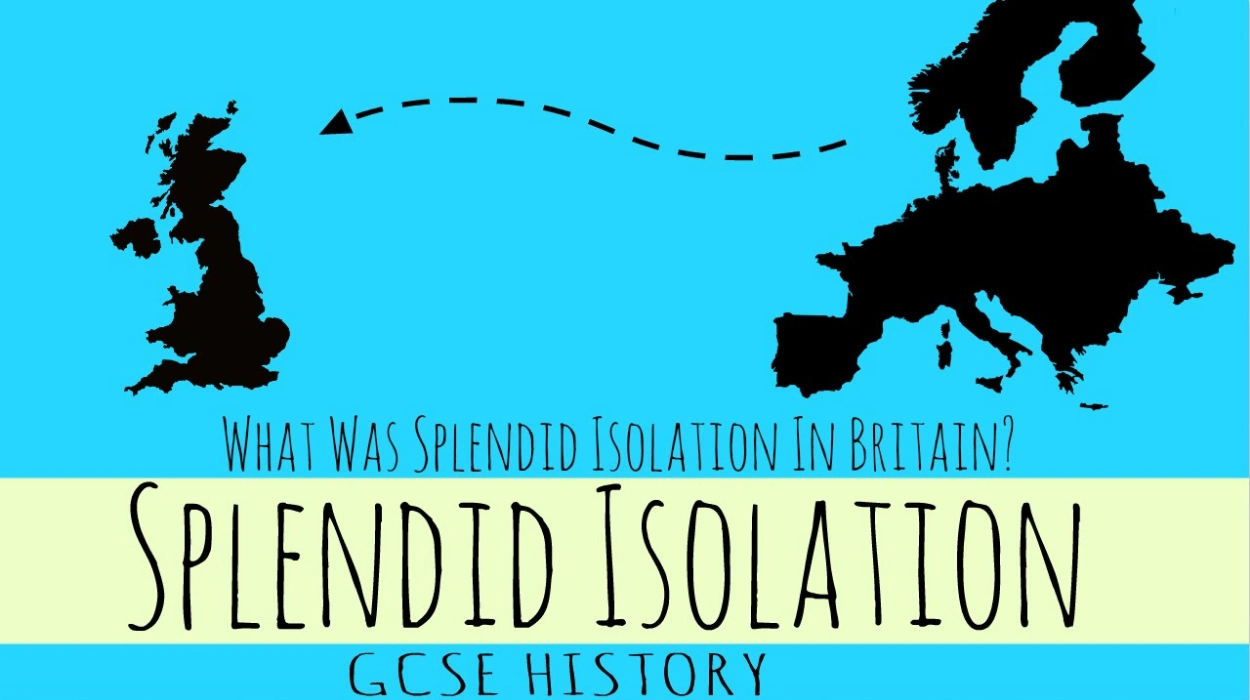
Splendid Isolation refers to Britain’s diplomatic policy of non-permanent alliances and antagonism towards permanent entanglements in European disagreements in the 19th century. Britain followed such a policy in hopes of keeping its large global empire intact while avoiding continental problems. However, new testaments of power emerged in the form of Germany and ever-growing threats to Britain’s colonies. Britain’s choices remained limited, and the need to maintain the balance of power in Europe meant that splendid isolation had become untenable. With the signing of the Anglo-Japanese Alliance in 1902, Britain would officially end splendid isolationism.
What is splendid isolation?
Splendid Isolation is the name given to Great Britain’s policy of diplomacy conducted during the late nineteenth and early twentieth centuries, which was marked by an unwillingness to engage in alliances or enter into conflicts that involved other European countries. This diplomatic policy allowed Great Britain to preserve its global empire and not enter into continental entanglements, which were vital public policy issues during a rising time of national unification movements and mounting diplomatic tensions on the European continent. However, as tensions among European powers increased, it became impossible for Britain to continue this isolationist foreign policy, leading to a reassessment of Britain’s place in world affairs.
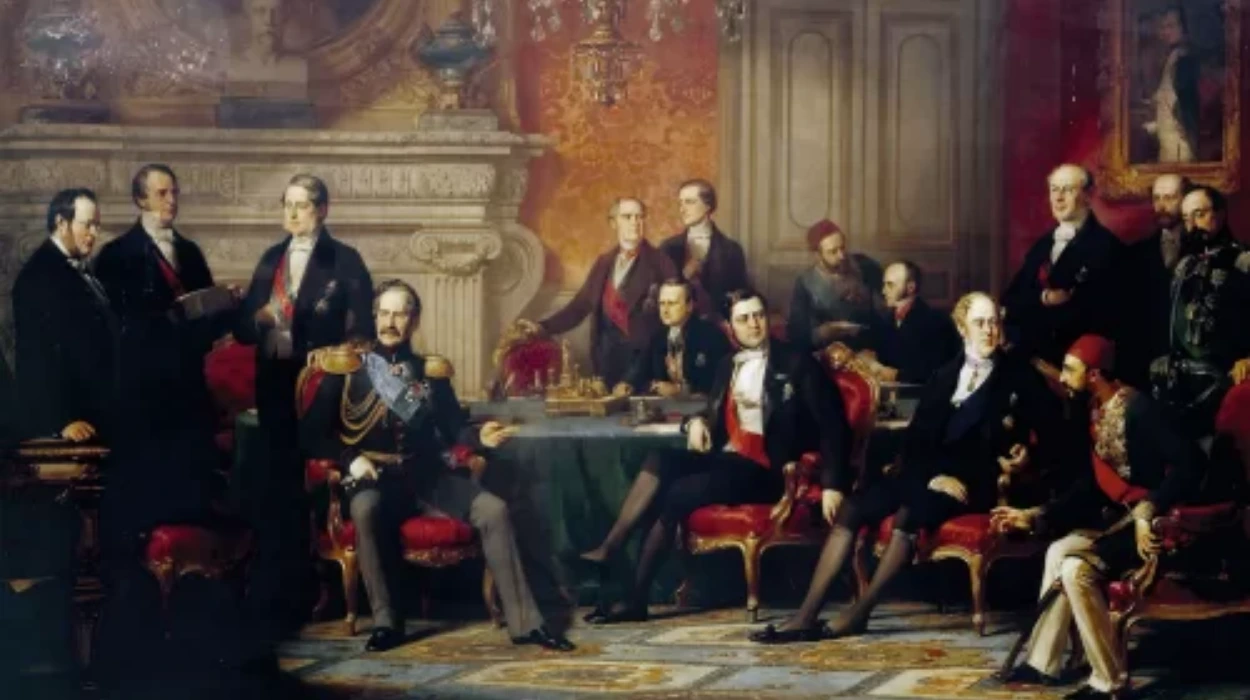
Factors Leading to Termination of Britain’s Splendid Isolation
The decision to leave Splendid Isolation was not sudden but a gradual process based on many factors. Understanding these factors will help to understand the crucial point when Britain made the decision to change its isolationist approach.
Factors Leading to the Ending of Splendid Isolation: These are internal and external pressures or events that stimulated Britain to change its policy of Splendid Isolation.
- Changes to International Power Dynamics: By the end of the 19th century, the global political landscape had altered. Geopolitical power was edging towards the new players, Germany and the United States. The growing power of other countries was a significant threat to Britain’s supremacy.
- Growing Internal Pressures: Britain was facing growing internal pressures to be more active in global political affairs. Calls were growing for Britain to take a proactive stance around issues that were believed to compromise national interests or were threatened. Britain’s influence on a global scale.
- Increasing Threat to Colonial Dominance: Britain’s vast colonial empire was at risk with the growing colonial ambitions of other nations. This necessitated the safeguarding of British colonies, thereby prompting a reconsideration of its isolationist policy.
With a constant threat to their global status, it became increasingly necessary for Britain to abandon its aloofness towards international affairs and engage more actively with other nations.
Consequences of Balance of Power on Splendid Isolation
The principle of preserving the balance of power had important implications for Britain’s policy of Splendid Isolation. The delicate relationship of power between the European nations forced Britain to be careful within the political sphere, continuing with an isolationist policy.
- Implications of Balance of Power on Splendid Isolation: These are the implications or results from the interplay of Britain’s Splendid Isolation and imposed need to maintain a Balance of Power in Europe.
- Modifying the Isolationist Approach: The necessity to balance the power within Europe led Britain to abandon its strict isolationist approach. At times it would have to act or take a position in European conflicts and wars in order to prevent one power from assuming dominance in Europe, which might threaten the balance of Power.
- Diplomatic Relations: Britain’s efforts to maintain the balance of power also affected its diplomatic relationships dramatically. Exchanges were governed by the need to maintain the balance of power in Europe.
- Ending Isolationist Policy: Finally, the changing balance of power in Europe demanded that Britain involve itself more actively in international affairs, as isolationism did not seem an option. As a result, this contributed to the end of Britain’s Splendid Isolation.
These effects demonstrate the significant influence of the balance of power idea on Britain’s splendid isolation policy. The need to keep a power balance constrained Britain’s isolationist tendencies and led to the demise of its long-standing policy of non-involvement in European affairs.
Appraisal by historians
Diplomatic historian Margaret MacMillan argues that by 1897, Britain was isolated but far from being “splendid”; Britain had no real friends and was engaged in disputes with the United States, France, Germany, and Russia.
Historians have debated whether British isolation was intentional, or dictated by contemporary events. A.J.P. Taylor claimed it existed only in a limited sense: “The British certainly ceased to concern themselves with the Balance of Power in Europe; they supposed that it was self-adjusting. But they maintained close connection with the continental Powers for the sake of affairs outside of Europe, particularly in the Near East. For John Charmley, splendid isolation was a fiction for the period prior to the Franco-Russian Alliance of 1894, and reluctantly pursued thereafter.
- David Steele argues that although Salisbury once referred to splendid isolation, he “was being ironical at the expense of those who believed in the possibility”. Another biographer claims the term “unfairly affixed itself to (his) foreign policy” and that Salisbury discouraged its use, considering it dangerous to be completely uninvolved with European affairs.

Analysing British Policy of Splendid Isolation
Britain’s policy of Splendid Isolation is an interesting part of history and is synonymous with a period in which the nation aligned its policies away from political issues on mainland Europe. This foreign policy was not an absolute principle but rather an option based on the political climate at the time.
Timeline of the British Policy of Splendid Isolation
The term ‘Splendid Isolation’ was unknown at the time; it emerged in the late nineteenth century to depict Britain’s foreign policy at that time. The concept of Splendid Isolation is difficult to specify a date range, but historians broadly agree that this policy was in full swing from the mid-nineteenth century to the early twentieth century.
Splendid Isolation is a term for Britain’s foreign policy in the nineteenth century when it rejected long-term positive commitments or alliances with other Great Powers, particularly in continental Europe.
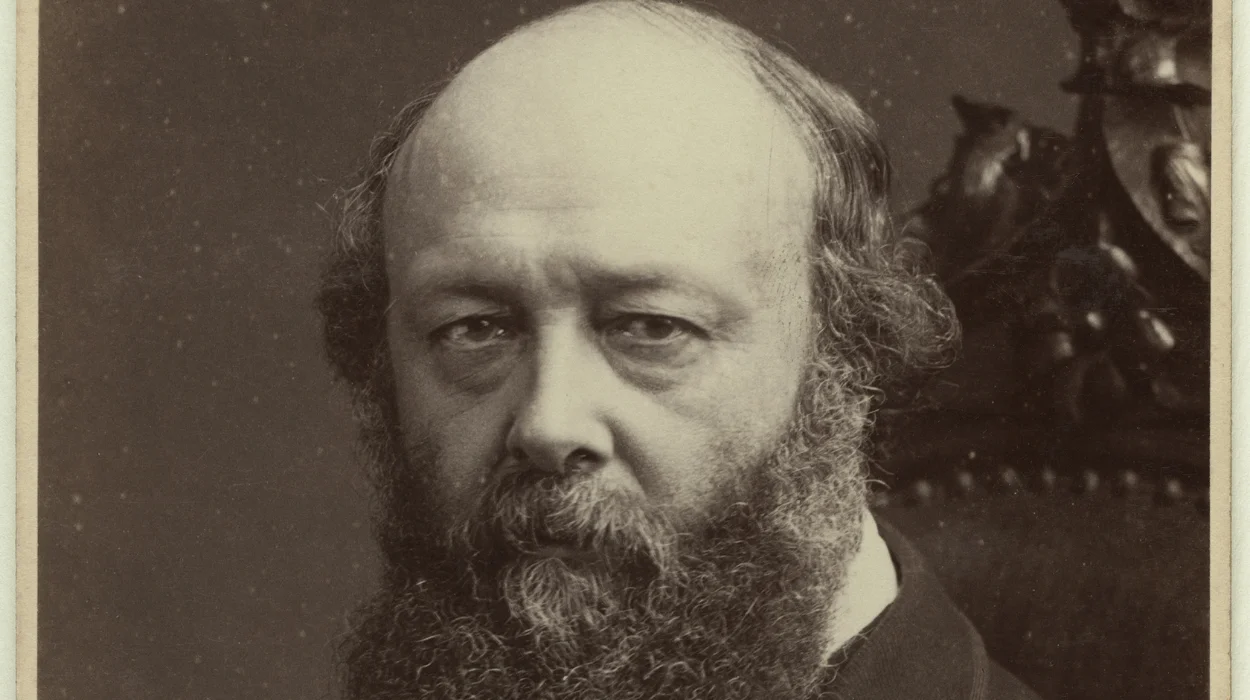
- Origins: The origins of Splendid Isolation stem from Lord Salisbury, Foreign Secretary and later Prime Minister of Britain, and a significant factor in his foreign policy decisions was to keep Britain clear from commitments in Europe. He did not coin the phrase splendid isolation, but his foreign policy decisions can fit with the concept of Splendid Isolation.
- Consolidation and Peak: The concept was consolidated by the time of the Franco-Prussian War (1870-1871), when Britain opted to refuse commitments and became neutral. At the end of the nineteenth century, splendid isolation reached its peak.
- Termination: In the late 19th century, Britain’s splendid isolationism policy worked out well for Britain until the world changed drastically, in particular, and at a rapid pace. The 1902 Anglo-Japanese Alliance and the ‘Entente Cordiale’ with France in 1904 clearly departed from that policy.
The timing of this transitional period could be open to discussion. But it would be accurate to say that the policy fluctuated periodically and intermittently over time as it was subject to many domestic and global influences.
