
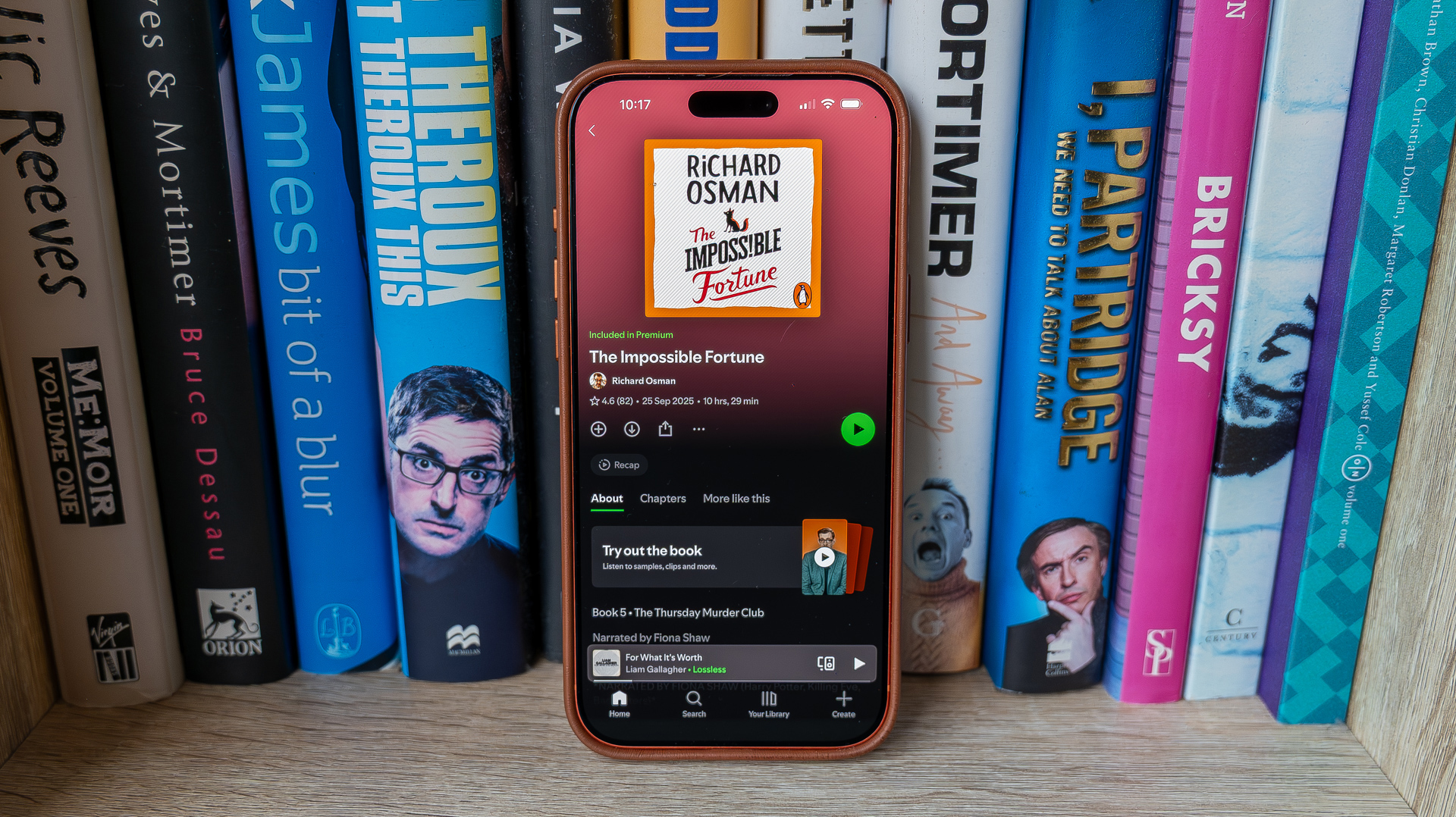
US, February 5, 2026, According to Parliament News, that The growing convergence of digital media and traditional publishing has taken a new turn as Spotify physical books emerge as part of the audio company’s expanding content ecosystem. In the United States and other major markets, Spotify’s move to connect users with printed books through external partnerships reflects a broader shift in how readers discover and purchase literary content in an increasingly platform-driven media environment.
The initiative builds on Spotify’s recent investments in audiobooks and spoken-word programming, signaling that the company is positioning itself not only as a distributor of sound but as a discovery hub for long-form storytelling across formats. Industry observers say this development underscores the evolving relationship between technology platforms and the publishing sector, particularly at a time when traditional retail channels face mounting pressure.
A Strategic Shift Beyond Audio Streaming
Since its founding, Spotify has been synonymous with music streaming. Over the past decade, however, the company has steadily broadened its scope, first by investing heavily in podcasts and later by launching a large-scale audiobook offering. The addition of Spotify physical books represents a further step in this diversification, aligning the company more closely with the broader publishing ecosystem.
Rather than selling printed books directly, Spotify has chosen to integrate discovery and referral mechanisms that guide users to external retailers. This approach allows the platform to promote books connected to its audio catalog while avoiding the complexities of in-app commerce and inventory management.
How the Book Discovery Model Operates
Under the current framework, users browsing audiobooks, author profiles, or podcast descriptions may encounter links directing them to purchase printed editions through Bookshop.org. The model emphasizes discovery rather than transaction processing, positioning Spotify as an intermediary that connects audiences with books rather than acting as a retailer itself.
Supporters of the model argue that Spotify physical books benefit from the platform’s recommendation algorithms, which are already optimized to surface content based on user behavior. By extending those tools to print, Spotify is effectively applying its data expertise to the book discovery process.
Independent Bookstores and the Partnership Model
A notable aspect of the rollout is its reliance on Bookshop.org, a platform designed to support independent bookstores. A portion of each sale is distributed to local sellers, helping smaller retailers compete in an online marketplace dominated by large corporations.
This alignment has been welcomed by many in the publishing industry, who see Spotify physical books as a way to expand reach without undermining independent stores. The partnership model contrasts with earlier waves of digital disruption that often bypassed traditional retail entirely.

Publishing Industry Reaction
Publishers have responded cautiously but optimistically to Spotify’s expansion into print discovery. While some view the move as an opportunity to reach new audiences, others are watching closely to ensure that pricing control and retail relationships remain intact.
Several publishing executives have noted that Spotify physical books are currently positioned as a complement to existing sales channels rather than a replacement. By focusing on discovery and referral, Spotify avoids direct competition with publishers’ own sales strategies.
Author Visibility and Audience Reach
For authors, Spotify’s vast user base represents a powerful discovery engine. Books tied to popular podcasts or audiobooks may benefit from increased visibility, particularly among younger audiences who consume content primarily through streaming platforms.
Industry analysts suggest that Spotify physical books could help bridge the gap between audio and print audiences, encouraging listeners to engage more deeply with stories they first encounter through sound.
Market Context and Competitive Landscape
The book market has undergone significant transformation over the past two decades, driven by e-commerce, digital formats, and shifting consumer habits. Discovery has become increasingly fragmented, with readers learning about books through social media, podcasts, and online communities.
In this context, Spotify physical books enter a competitive landscape where visibility often matters as much as availability. Spotify’s scale gives it an advantage in surfacing titles to millions of users, though success will depend on how effectively recommendations translate into purchases.
Platform Economics and Monetization
Spotify has not disclosed detailed financial projections related to its print book referrals. Analysts say the initiative is unlikely to generate significant revenue in the short term but may contribute to long-term ecosystem growth.
By keeping users engaged across multiple content formats, Spotify physical books may indirectly support subscription retention and advertising opportunities, reinforcing Spotify’s core business model.

Regulatory and Platform Constraints
Spotify’s decision to avoid direct in-app sales reflects ongoing tensions between app developers and platform operators over fees and payment systems. By redirecting users to external sites, the company sidesteps these issues while maintaining compliance with app store policies.
This strategy has been used in other parts of Spotify’s business and now extends to Spotify physical books, illustrating how regulatory considerations shape product design in the digital economy.
The Role of Data and Recommendations
Spotify’s recommendation systems are central to its success in music and podcasts. Applying similar algorithms to book discovery could influence reading habits in subtle but significant ways.
Advocates argue that Spotify physical books benefit from personalization, helping readers find titles aligned with their interests. Critics, however, caution that algorithmic discovery may favor already popular works over emerging voices.
Consumer Behavior and Reading Trends
Despite the growth of digital formats, print books continue to hold a significant share of the market. Many readers move fluidly between audio, digital, and physical formats depending on context and preference.
The emergence of Spotify physical books reflects this hybrid behavior, acknowledging that audio and print are not mutually exclusive but often complementary.
A Single Industry Perspective
One publishing analyst described the development as part of a broader convergence trend, stating,
“Spotify is evolving into a cross-format discovery platform, and books are a natural extension of that strategy.”
Logistics and Limitations
The current model relies on external retailers for fulfillment, which means availability and shipping times depend on third-party infrastructure. International expansion may also face challenges related to rights management and local regulations.
Spotify has indicated that Spotify physical books will expand gradually, with additional partnerships and regional rollouts evaluated over time.

Technology Platforms and Cultural Gatekeeping
As platforms play a larger role in shaping cultural consumption, questions arise about gatekeeping and influence. Spotify’s playlists have long affected music discovery, and similar dynamics may emerge in publishing.
Observers note that Spotify physical books could shape which titles gain prominence, making transparency and diversity in recommendations an important consideration.
History of Spotify’s Entry Into Publishing
Spotify’s relationship with books began indirectly through podcasts and spoken-word content, long before the company formally entered the audiobook market. Early experiments with narrative podcasts and serialized storytelling laid the groundwork for later expansion.
The launch of audiobooks marked a turning point, bringing Spotify into closer alignment with publishers and authors. Over time, this evolution led to the introduction of Spotify physical books, completing a progression from audio discovery to print accessibility.
Global Implications for Publishing
While the initial focus has been on the United States, similar models could be adopted in other markets where Spotify operates. The scalability of digital discovery makes international expansion feasible, though local partnerships would be essential.
If replicated globally, Spotify physical books could influence how readers in different regions encounter and purchase print titles.
Impact on Independent Retail Sustainability
Independent bookstores have faced sustained pressure from online competition and rising costs. Partnerships that drive traffic and revenue without eroding margins are seen as increasingly valuable.
In this context, Spotify physical books may serve as a modest but meaningful support mechanism for independent sellers, particularly if discovery leads to repeat customers.
Data Privacy and Consumer Trust
As with all recommendation-driven platforms, questions about data use and privacy remain. Spotify’s book discovery features rely on user listening behavior, raising questions about transparency and consent.
Maintaining trust will be essential if Spotify physical books are to gain long-term acceptance among users.
Future Development and Expansion
Spotify has signaled continued investment in audiobooks and creator tools, suggesting that print discovery will remain part of a broader content strategy rather than a standalone venture.
Industry watchers expect Spotify physical books to evolve alongside audio offerings, potentially incorporating enhanced editorial features and deeper author integrations.
The Broader Media Convergence Trend
The blending of streaming, publishing, and commerce reflects a wider trend toward media convergence. Platforms that once focused on a single format are increasingly building interconnected ecosystems.
Within this landscape, Spotify physical books illustrate how audio platforms are redefining their role, moving from distribution to discovery and cultural influence.
When Listening Leads to Reading
The path from headphones to printed pages is becoming shorter as storytelling crosses formats. Spotify’s expansion highlights a shift in how audiences engage with narratives, moving fluidly between listening and reading.
In this evolving ecosystem, Spotify physical books represent a subtle but significant change, signaling that the future of reading may be shaped as much by streaming platforms as by traditional bookstores.