


BEIJING, February 13, 2026 — According to Parliament News, that Technology trade tensions intensified sharply in Beijing 2026 after a Dutch ruling involving semiconductor manufacturer Nexperia triggered diplomatic concern and renewed debate over cross border investment in strategic industries. Chinese officials responded by emphasizing the need for predictable global supply chains while warning that further restrictions could deepen technology trade tensions at a sensitive moment for global markets.
The decision has reverberated beyond Europe and China, drawing attention from policymakers in Washington, Tokyo, and Brussels. As governments reassess control over advanced chip production, the semiconductor industry once again finds itself at the center of geopolitical strategy.
The Nexperia Decision and Its Immediate Impact
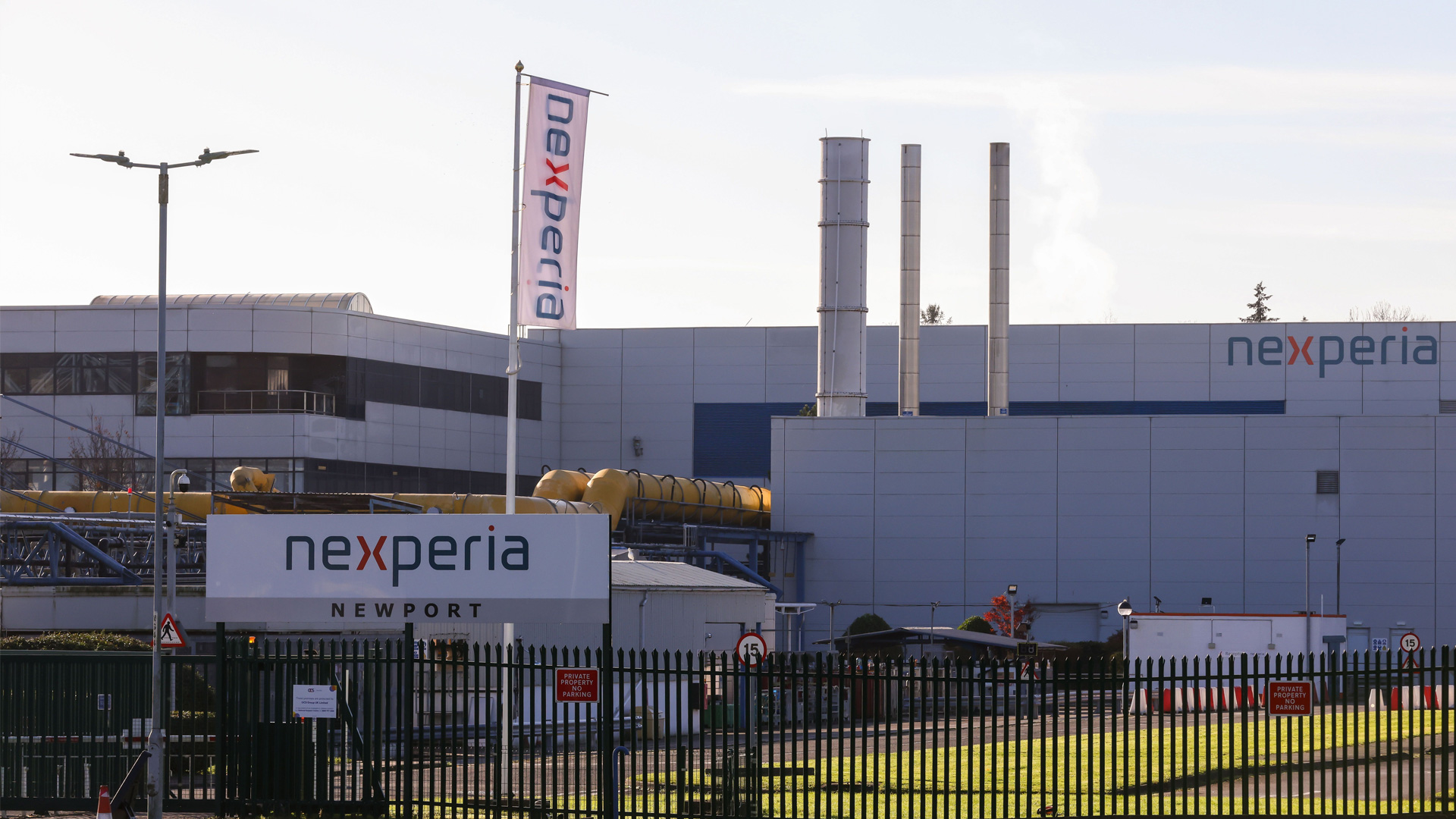
Nexperia, a Netherlands based chipmaker with ownership ties to Chinese investors, has been under scrutiny for its acquisition of semiconductor facilities considered strategically important. Dutch authorities reviewed the transaction under national security frameworks designed to safeguard critical technologies.
Following the ruling, Beijing expressed concern that regulatory measures targeting foreign investment could disrupt industrial collaboration. Analysts argue that technology trade tensions have steadily increased over the past several years as nations treat semiconductors as both commercial products and strategic assets.
Financial markets responded with caution. Semiconductor stocks across Asia and Europe experienced moderate volatility, reflecting investor uncertainty over how governments might proceed in future cases.
Why Semiconductors Are Geopolitical Leverage
Semiconductors are foundational to modern economies. From smartphones and cloud computing to advanced defense systems, chips enable nearly every digital process. Their ubiquity explains why technology trade tensions frequently center on semiconductor manufacturing.
The global chip ecosystem is highly interconnected. Design may occur in one country, fabrication in another, and assembly elsewhere. When governments intervene in cross border transactions, they can disrupt intricate supply chains.
In recent years, policymakers have increasingly emphasized domestic chip production. Industrial policies in China, the United States, and Europe have allocated billions toward building new fabrication facilities. While intended to enhance resilience, these strategies also contribute to technology trade tensions by reducing reliance on foreign partners.
China’s Official Position on Supply Chain Stability
Chinese authorities maintain that open trade frameworks remain essential for global innovation. In statements released after the Dutch ruling, officials reiterated that cooperation benefits all economies.
They argue that technology trade tensions risk fragmenting supply chains and increasing costs for consumers worldwide. China has accelerated investment in domestic semiconductor research, aiming to reduce vulnerability to external policy shifts.
At the same time, Beijing has sought to reassure global partners that it supports fair competition and lawful review processes. The challenge lies in reconciling security concerns with commercial interdependence.
Europe’s Strategic Calculations
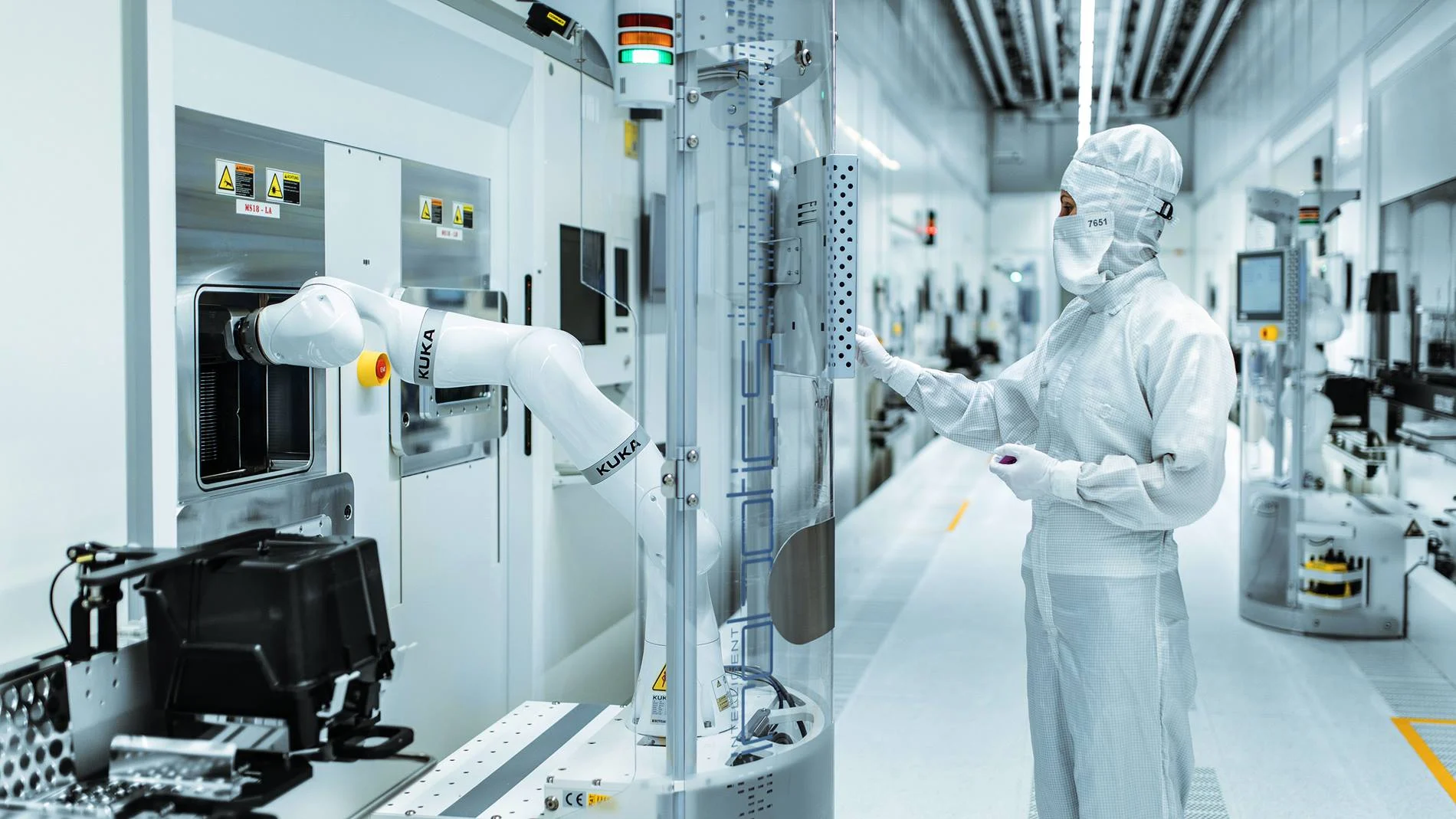
European governments face pressure to safeguard critical technologies without undermining foreign investment flows. The Netherlands, home to key semiconductor infrastructure, occupies a pivotal position in this debate.
Policymakers insist that security assessments are necessary to protect national interests. However, industry groups caution that restrictive measures could intensify technology trade tensions and discourage collaboration.
Balancing security with economic openness remains one of Europe’s most complex policy tasks in 2026.
Market Volatility and Investor Psychology
Investors monitor regulatory developments closely. Even minor policy changes can trigger share price swings in technology firms. Technology trade tensions influence market sentiment because supply chain uncertainty directly affects revenue forecasts.
Global demand for semiconductors continues to expand due to artificial intelligence, electric vehicles, and 5G infrastructure. However, political risk premiums have grown. Institutional investors now incorporate geopolitical factors into valuation models.
Diversification strategies are increasingly common. Companies establish secondary manufacturing sites to reduce dependency on single regions. Yet such restructuring carries significant cost.
Diplomatic Engagement and Strategic Dialogue
Diplomatic channels remain active despite friction. Officials from China and European Union member states have engaged in consultations aimed at reducing misunderstandings.
Technology trade tensions have become a recurring agenda item in trade dialogues. While disagreements persist, both sides recognize the economic consequences of prolonged confrontation.
Observers believe continued communication is essential to prevent escalation. Economic interdependence provides incentives for compromise, even when strategic interests diverge.
Industry Perspective on Cooperation
Executives within the semiconductor ecosystem stress collaboration. Supply chains span continents, linking design firms, fabrication plants, equipment suppliers, and logistics providers.
One senior supply chain analyst noted,
“Global innovation cannot thrive when technology trade tensions overshadow commercial logic.”
The statement reflects industry consensus that stability benefits all participants.
Companies advocate predictable regulatory frameworks that protect security without creating unnecessary barriers.

Economic Ripple Effects Beyond Technology
The semiconductor sector underpins numerous industries. Automotive manufacturing relies on chips for engine management, safety systems, and connectivity. Renewable energy systems depend on power semiconductors. Medical devices incorporate microprocessors for diagnostics and monitoring.
Escalating technology trade tensions could therefore influence broader economic indicators, including inflation and industrial output. Policymakers are aware that supply disruptions can slow growth.
Economic modeling suggests that prolonged uncertainty may dampen investment across sectors.
How Previous Tech Battles Shaped Today’s Landscape
Previous decades offer lessons about strategic industries. During the Cold War, export controls shaped aerospace and computing development. In the early 2000s, debates over telecommunications infrastructure echoed today’s concerns about semiconductors.
Compared to earlier eras, today’s technology trade tensions unfold in a far more interconnected global economy. Supply chains are deeper and more integrated. This complexity increases both the stakes and the risks of fragmentation.
Historical precedent shows that cooperation often resumes after periods of friction, driven by economic necessity.
Corporate Adaptation in an Era of Uncertainty
Multinational firms are adjusting to persistent geopolitical risk. Some companies are localizing supply chains to align with regional policy expectations. Others are investing in research partnerships to strengthen domestic innovation capacity.
Technology trade tensions have accelerated conversations about resilience and redundancy. Yet full decoupling remains impractical given cost considerations and expertise concentration.
Corporate strategy now integrates geopolitical forecasting alongside traditional financial analysis.
Broader Geopolitical Landscape in 2026
The semiconductor dispute unfolds against a backdrop of intensifying global competition in artificial intelligence, quantum computing, and advanced manufacturing. Nations view technological leadership as central to economic power.
Technology trade tensions intersect with export controls, intellectual property disputes, and industrial policy frameworks. Strategic alliances have grown more prominent as countries seek reliable partners.
Despite these dynamics, global demand for digital infrastructure continues expanding, creating shared incentives to maintain some level of cooperation.
Outlook for the Global Chip Ecosystem
The coming months will determine whether diplomatic efforts ease strain or whether restrictions widen. Analysts expect continued scrutiny of foreign acquisitions in strategic sectors.
Technology trade tensions may persist, but market fundamentals remain strong. Innovation cycles in artificial intelligence and automotive electrification drive semiconductor demand.
Industry participants emphasize long term resilience over short term volatility.
A Defining Test for Global Economic Stability
As Beijing 2026 headlines continue to track developments, policymakers face a critical choice. Escalation could increase uncertainty and investment hesitancy. Managed dialogue could preserve economic integration.
Technology trade tensions represent more than isolated regulatory disputes. They symbolize a broader struggle to balance sovereignty with interdependence in an increasingly digital world.
The outcome will influence supply chain structures, investor confidence, and diplomatic relationships for years to come.