Tehran infrastructure strikes have heightened geopolitical tensions after strategic sites in Iran’s capital were targeted overnight.
World leaders are urging restraint as regional security concerns grow and markets react.
Energy traders are also watching closely as global oil supply routes face renewed uncertainty.
Escalation in Iran’s Capital
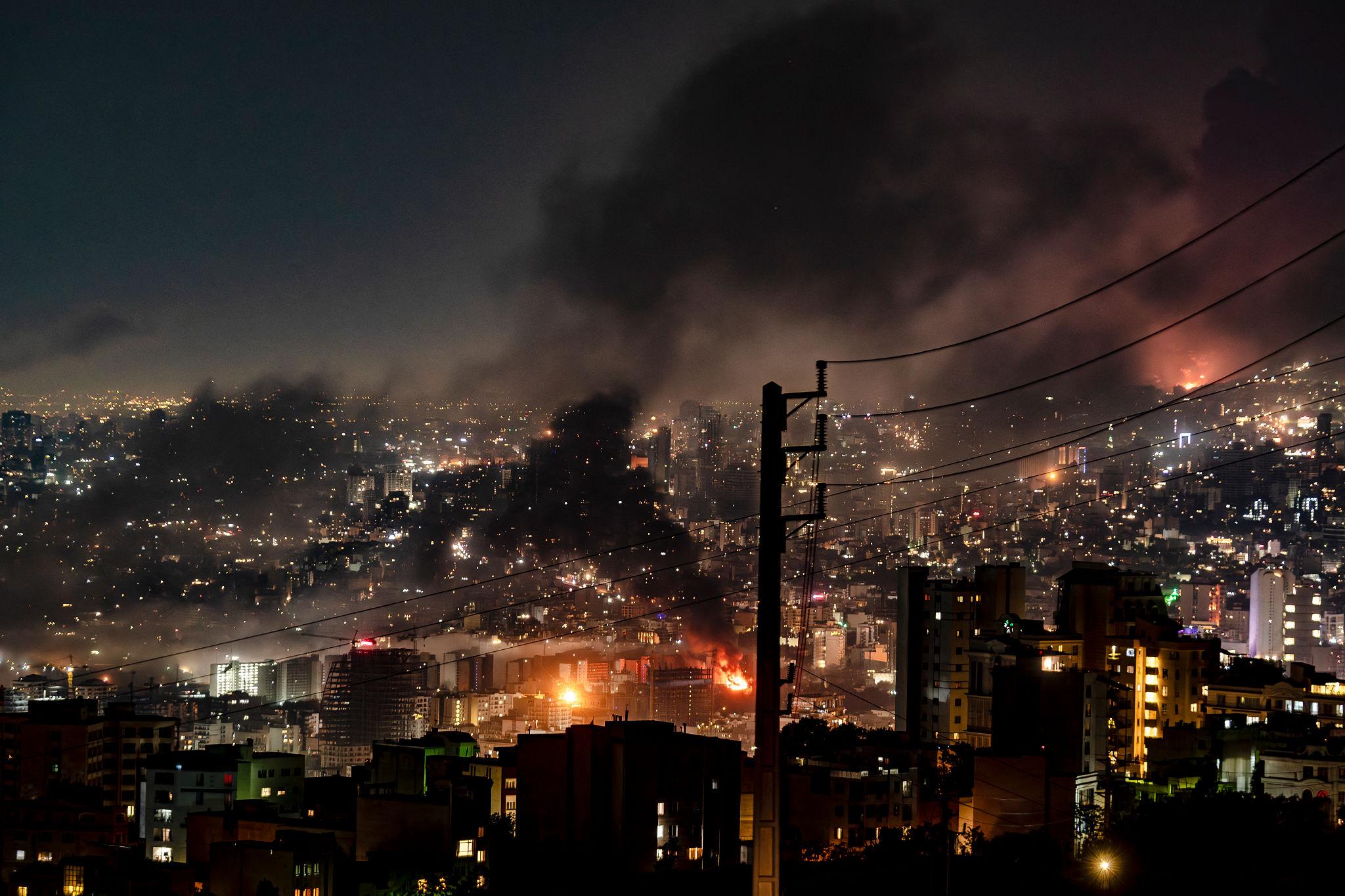
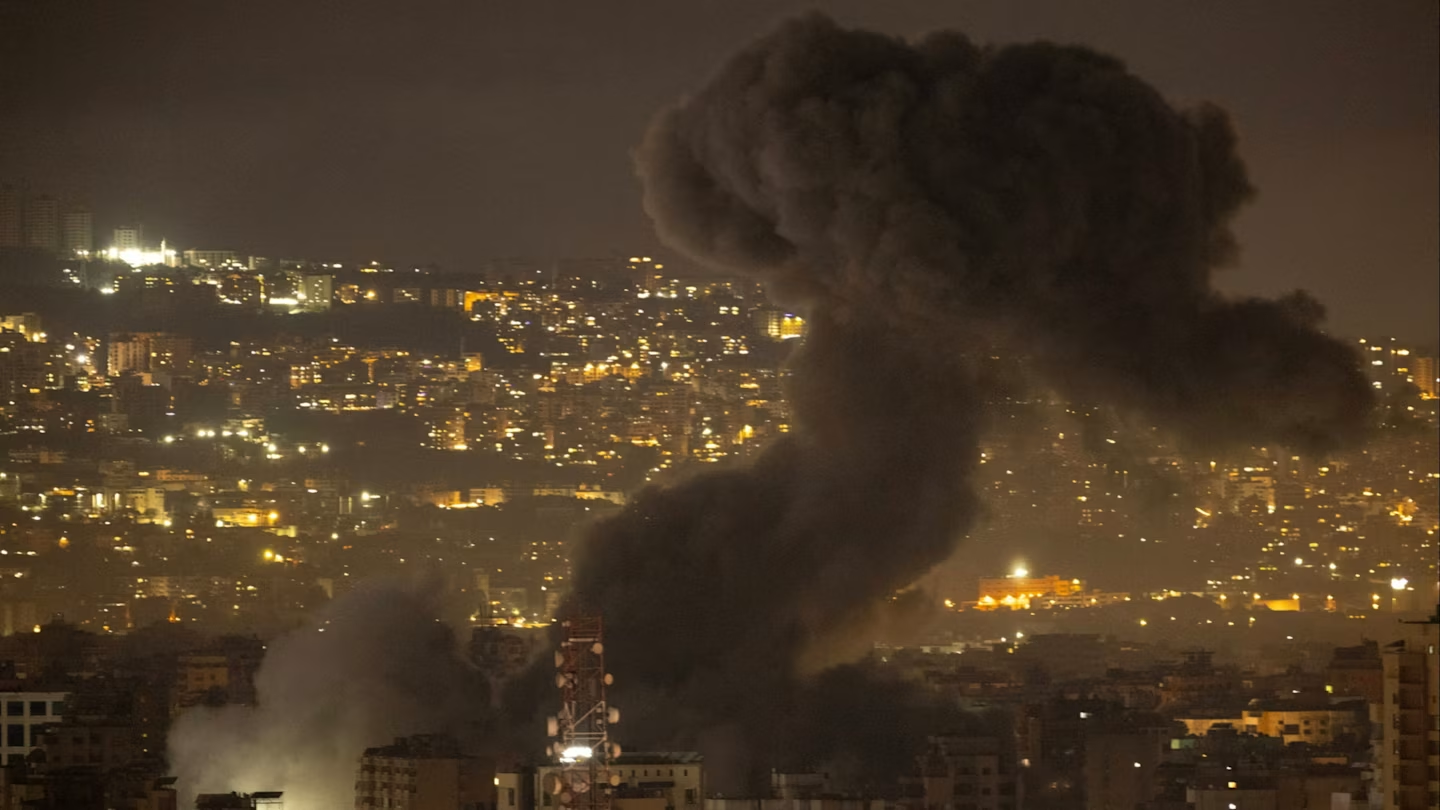
Tehran, Iran — March 6, 2026 — Parliament News — Tehran infrastructure strikes have intensified tensions across the Middle East after overnight attacks targeted facilities believed to be linked to logistical and communication networks in Iran’s capital. The developments have drawn global attention as governments assess the implications for regional security and international diplomacy.
Iranian officials confirmed that several locations in Tehran experienced disruptions after the strikes. Emergency crews and local authorities responded quickly to secure the affected areas and evaluate damage.
Tehran infrastructure strikes triggered immediate diplomatic reactions across Europe, Asia, and the United States. Many governments emphasized the importance of avoiding further escalation while encouraging dialogue.
Security analysts say the situation remains fluid as governments and international organizations monitor developments closely. Any military activity inside a national capital carries both strategic and symbolic implications that can influence geopolitical relationships.
Financial markets also reacted cautiously. Energy traders and investors closely track developments in the Middle East due to the region’s central role in global oil supply chains.
Strategic Sites Targeted Across Tehran
Early assessments suggest that the operations focused on facilities associated with coordination and logistical support systems. These types of infrastructure installations play important roles in communication networks and operational planning.
Tehran infrastructure strikes reportedly affected areas connected to transportation management and communications infrastructure. Authorities temporarily restricted access to several districts while emergency teams inspected damage.
Urban infrastructure in major cities is complex and interconnected. Disruptions to key systems can have ripple effects across transportation networks, communications services, and administrative operations.
Experts say Tehran infrastructure strikes illustrate how modern military strategies increasingly focus on disabling operational capabilities rather than engaging in traditional battlefield confrontations.
Local officials stated that engineers and emergency responders are working to restore services and ensure public safety.
International Leaders Call for Restraint
Diplomatic reactions followed quickly after confirmation of the events in Tehran. Governments across several regions issued statements urging calm and encouraging diplomatic engagement.
Tehran infrastructure strikes have raised concerns that the situation could escalate if retaliatory actions occur. Regional leaders are particularly cautious about developments that could expand the conflict.
A senior European security analyst offered a perspective on the situation.
“Targeting infrastructure in a capital city represents a significant escalation and increases the urgency for diplomatic solutions to prevent further instability.”
International organizations have also emphasized the importance of communication between governments to reduce misunderstandings and avoid broader confrontation.
Several countries have indicated their willingness to support diplomatic initiatives aimed at stabilizing the situation.
Energy Markets Respond to Regional Uncertainty
Global energy markets reacted carefully to the developments as traders assessed potential risks to supply routes. The Middle East remains one of the most important regions for global oil production and transportation.
Tehran infrastructure strikes increased uncertainty about whether geopolitical tensions might influence shipping routes or energy infrastructure.
Energy analysts note that the Strait of Hormuz remains a vital passageway for oil exports. Any threat to this route can affect energy prices worldwide.
A commodities strategist explained the market response.
“Even limited geopolitical tension in the region can influence energy markets because traders anticipate possible disruptions to supply chains.”
Investors are continuing to monitor developments closely as governments evaluate diplomatic options.
Urban Infrastructure and Public Services
Tehran is one of the largest cities in the Middle East and serves as Iran’s political and administrative center. Infrastructure systems in the city support millions of residents and government institutions.
Tehran infrastructure strikes therefore carry implications beyond military strategy. Damage to communications networks or transportation systems can affect daily operations in a large urban environment.
Local authorities emphasized that essential services remain operational while repair efforts continue. Emergency crews have been working to stabilize affected locations and restore infrastructure where needed.
Urban planners note that cities with complex infrastructure networks must coordinate multiple agencies to ensure that services remain reliable during emergencies.
Maintaining public confidence is an important part of managing situations involving disruptions to infrastructure.
Military Strategy Behind Infrastructure Operations
Infrastructure targeting has become an important element of modern military planning. Facilities supporting logistics, communications, and transportation networks allow military organizations to coordinate operations effectively.
Tehran infrastructure strikes demonstrate how military strategies often aim to disrupt these systems rather than engage in large scale ground combat.
Advances in surveillance technology and precision targeting have made such operations more common in contemporary conflicts.
However analysts caution that infrastructure targeting can also create political and humanitarian challenges if civilian systems are affected.
Balancing strategic objectives with the risks of escalation remains a central concern for policymakers and military planners.
Historical Context of Infrastructure Warfare
Infrastructure has long been a target in major conflicts. During the twentieth century, military campaigns frequently focused on transportation networks, factories, and logistical hubs that supported national war efforts.
These strategies aimed to weaken the operational capacity of opposing forces by disrupting supply chains and communication systems.
Tehran infrastructure strikes reflect how this historical approach has evolved with modern technology. Precision guided munitions and advanced intelligence systems allow operations to focus on specific facilities rather than large geographic areas.
Despite technological advancements, infrastructure targeting continues to raise complex political and diplomatic questions about escalation and regional stability.
Regional Security Implications
Security analysts warn that the situation could have broader consequences for the Middle East. The region remains strategically important due to its energy resources and geopolitical influence.
Tehran infrastructure strikes have prompted discussions among regional governments about defensive preparedness and diplomatic coordination.
Several countries are increasing monitoring of developments while encouraging dialogue aimed at preventing escalation.
International security experts believe that maintaining open communication channels will be essential in avoiding further instability.
Governments across the region continue to evaluate both military and diplomatic responses.
A Defining Moment for Regional Stability
The events surrounding Tehran infrastructure strikes highlight the complex nature of modern geopolitical tensions. Military strategy, diplomacy, and economic interests intersect in ways that can influence global stability.
Governments and analysts around the world are closely watching developments in Tehran as diplomatic efforts continue.
While the immediate focus remains on regional security, the broader consequences may extend to global energy markets, international alliances, and long term geopolitical relationships.
For now the international community remains cautious as leaders search for diplomatic solutions that can prevent further escalation and restore stability in a critical region of the world.