

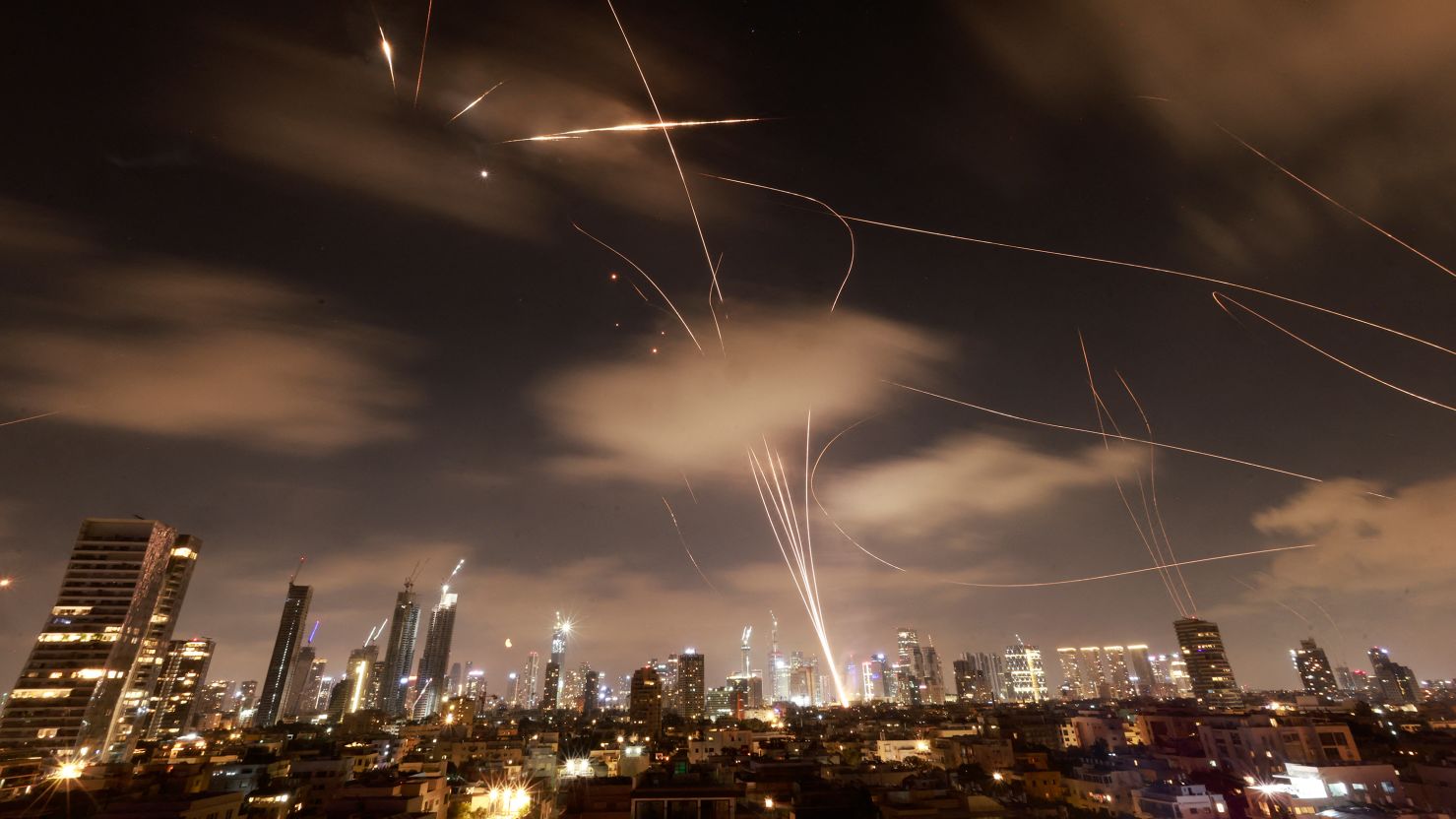
Middle East – February 28, 2026 – Parliament News – The Tehran missile response has emerged as the defining development in a rapidly escalating regional confrontation. Following coordinated strikes earlier this week, Iranian authorities confirmed a series of missile launches targeting strategic sites linked to opposing forces.
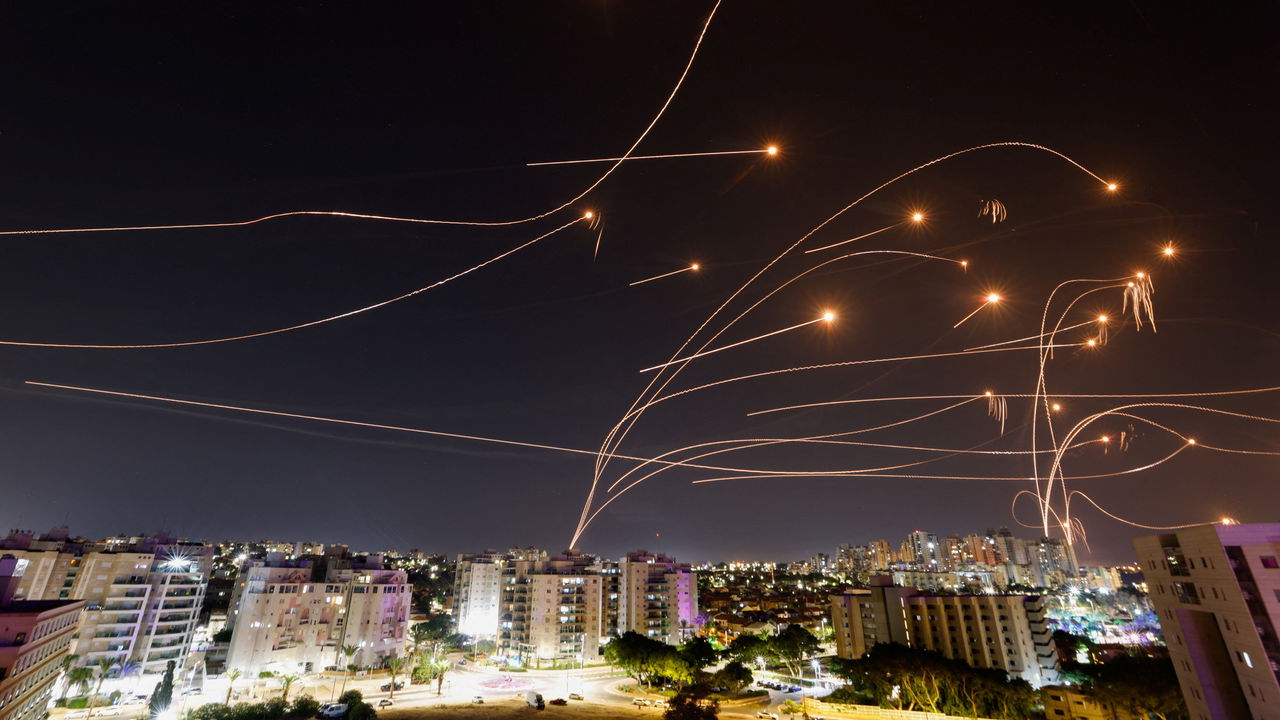
Air defense systems were activated across multiple countries within minutes of the initial launches. Radar systems tracked incoming projectiles while military commanders moved assets into defensive positions.
Security analysts describe this episode as one of the most significant direct military exchanges in recent years. While tensions have simmered for decades through proxy conflicts and political rivalries, the current situation reflects overt and immediate military engagement.
Sequence of Events Leading to Escalation
The present crisis began with reported strikes on strategic infrastructure. Though officials on various sides have framed their actions as defensive, the rapid chain reaction underscored how fragile regional stability has become.
Within hours of the initial strike reports, the Tehran missile response unfolded in coordinated waves. Defense observers noted the precision timing and synchronized launch patterns, suggesting long prepared contingency plans.
Missiles were detected crossing airspace in contested zones, prompting interception attempts and emergency alerts. Civil aviation authorities quickly rerouted flights away from potential conflict corridors.
Military experts believe both sides anticipated retaliation, indicating that escalation frameworks were already embedded within strategic planning documents.
Strategic Targets and Defensive Measures
Authorities confirmed that the Tehran missile response focused on military installations and logistical hubs rather than densely populated civilian areas. Air defense systems intercepted several incoming threats, reducing the scale of structural damage.
Satellite analysis indicates that certain command facilities and storage depots were among the intended objectives. Though infrastructure damage has been reported, officials state that casualty numbers remain under verification.
Defense analysts emphasize that modern missile exchanges rely heavily on intelligence data and precision targeting. The evolving role of advanced radar systems and interception technologies has significantly shaped the trajectory of the current confrontation.
Regional Military Readiness
Armed forces across neighboring states have heightened alert levels. Naval assets repositioned in strategic waterways while air patrols increased over sensitive zones.
The Tehran missile response has compelled regional powers to evaluate their own security postures. Defense ministries conducted emergency briefings and initiated contingency planning exercises.
Military strategists caution that even limited exchanges carry the risk of unintended escalation. Misinterpretation of defensive maneuvers could trigger additional rounds of retaliation.
Diplomatic Engagement and Global Mediation
As military systems remain active, diplomatic channels are simultaneously working behind closed doors. International mediators are seeking to prevent further deterioration.
The Tehran missile response has drawn urgent attention from global institutions. Emergency meetings have focused on deescalation frameworks and confidence building measures.
Several governments have urged restraint while reaffirming commitments to regional stability. Analysts note that diplomacy during high tension periods often determines whether conflicts expand or stabilize.
Economic Implications and Energy Security
Financial markets reacted swiftly to the unfolding events. Energy prices showed volatility as traders assessed potential supply disruptions through critical shipping corridors.
The Tehran missile response has heightened concerns about infrastructure vulnerability in oil producing regions. Energy analysts warn that even temporary instability can ripple across global supply chains.
Insurance premiums for maritime transport have risen, and airlines adjusted routes to avoid sensitive airspace. Currency markets also reflected investor caution amid geopolitical uncertainty.
Civilian Experience and Infrastructure Resilience
Residents in several urban centers described tense hours marked by sirens and emergency broadcasts. While military installations were primary targets, the psychological impact extended well beyond them.
Authorities emphasized that early warning systems played a key role in mitigating harm. Shelters and communication networks were activated rapidly to ensure public safety.
Humanitarian organizations reiterated calls for civilian protection under international law. Infrastructure resilience remains a critical factor in limiting long term humanitarian consequences.
Intelligence Assessments and Strategic Calculations
Global intelligence agencies are analyzing whether the Tehran missile response represents a contained retaliatory measure or the beginning of sustained confrontation.
Strategic experts highlight that deterrence dynamics often rely on demonstrating capability without crossing thresholds that lead to full scale war. The calibrated nature of the response suggests a measured approach aimed at signaling resolve.
Nonetheless, uncertainty persists. Each additional movement of troops or equipment carries symbolic weight in a region where alliances are complex and interconnected.
Historic Comparison of Regional Confrontations
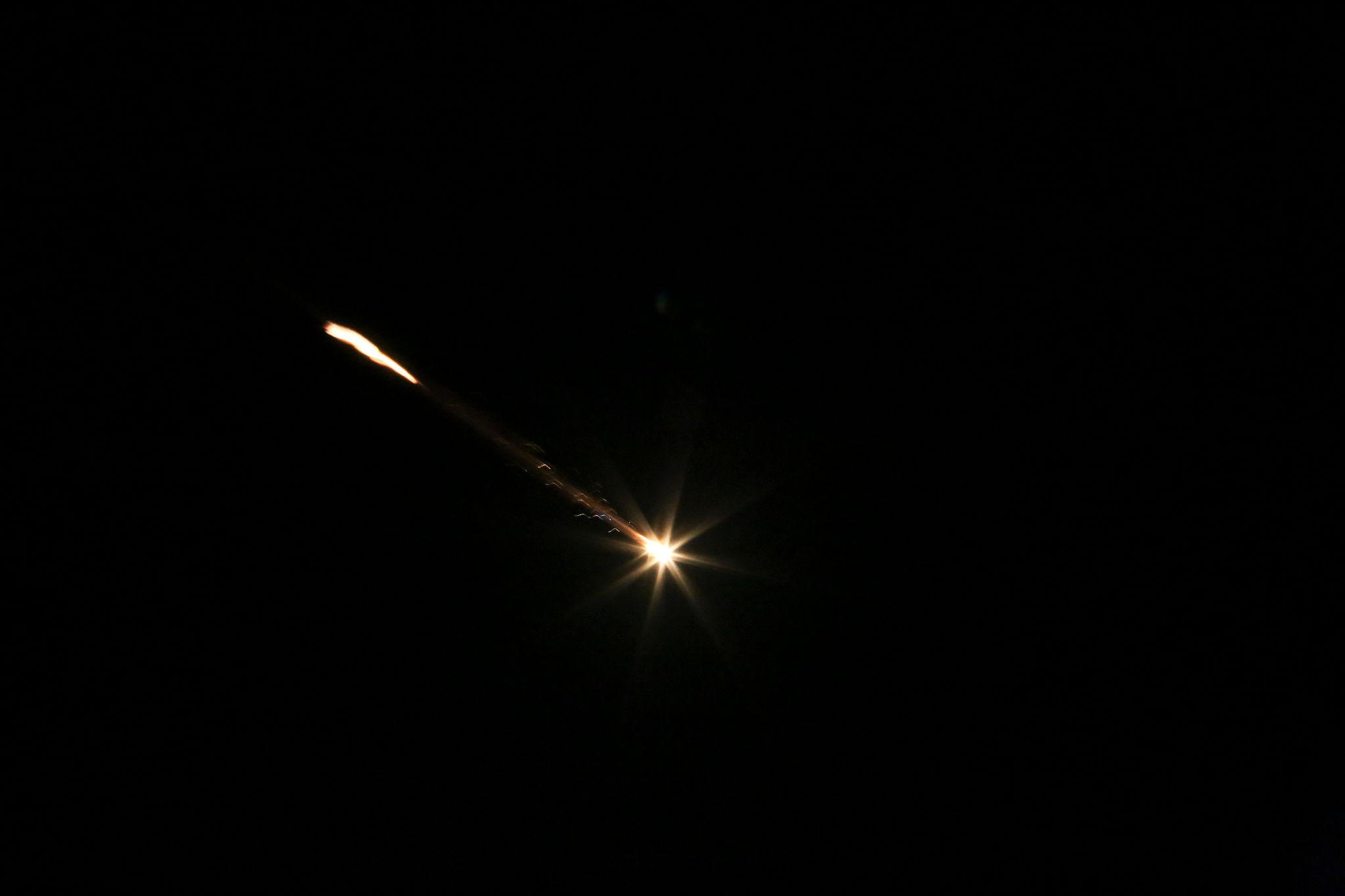
Observers have drawn parallels between the current escalation and previous moments of direct military exchange in the Middle East. In particular, analysts reference the tense period following the 2020 missile strikes that shook regional security calculations. During that earlier episode, retaliatory launches and heightened alert statuses brought the region to the brink before diplomatic back channels eased tensions.
The Tehran missile response in 2026 shares certain structural similarities with past crises. Rapid retaliation, immediate global attention, and simultaneous diplomatic outreach reflect patterns seen in earlier confrontations. However, today’s technological landscape and broader geopolitical environment differ significantly. Advanced missile defense systems and digital information networks amplify both risk and response speed.
Historical comparison suggests that escalation cycles can be interrupted through sustained dialogue, but only if political leadership prioritizes stability over symbolic victory.
Information Environment and Public Narrative
Modern conflicts unfold in parallel with digital communication networks. Social media platforms quickly filled with footage and commentary related to the Tehran missile response.
Officials have urged citizens to rely on verified information channels to avoid misinformation. Analysts warn that inaccurate reports can inflame tensions or create unnecessary panic.
Transparent communication remains central to maintaining public confidence during periods of heightened uncertainty.
Legal Perspectives and International Norms
International humanitarian law emphasizes proportionality and distinction between military and civilian targets. Legal scholars are examining the framework surrounding the Tehran missile response.
Independent monitoring organizations have called for careful documentation of impacts and compliance with international standards. Ensuring adherence to legal norms may influence diplomatic negotiations moving forward.
Military Doctrine and Public Messaging
Defense analysts describe the Tehran missile response as consistent with established deterrence doctrine. The approach appears intended to demonstrate strength while avoiding indiscriminate harm.
A senior official stated during a press briefing,
“Our response was calculated to defend our sovereignty while signaling that further aggression will carry consequences.”
This single statement underscores a deliberate effort to frame the retaliation as measured rather than escalatory. Public messaging plays a critical role in shaping both domestic perception and international reaction.
Broader Geopolitical Implications
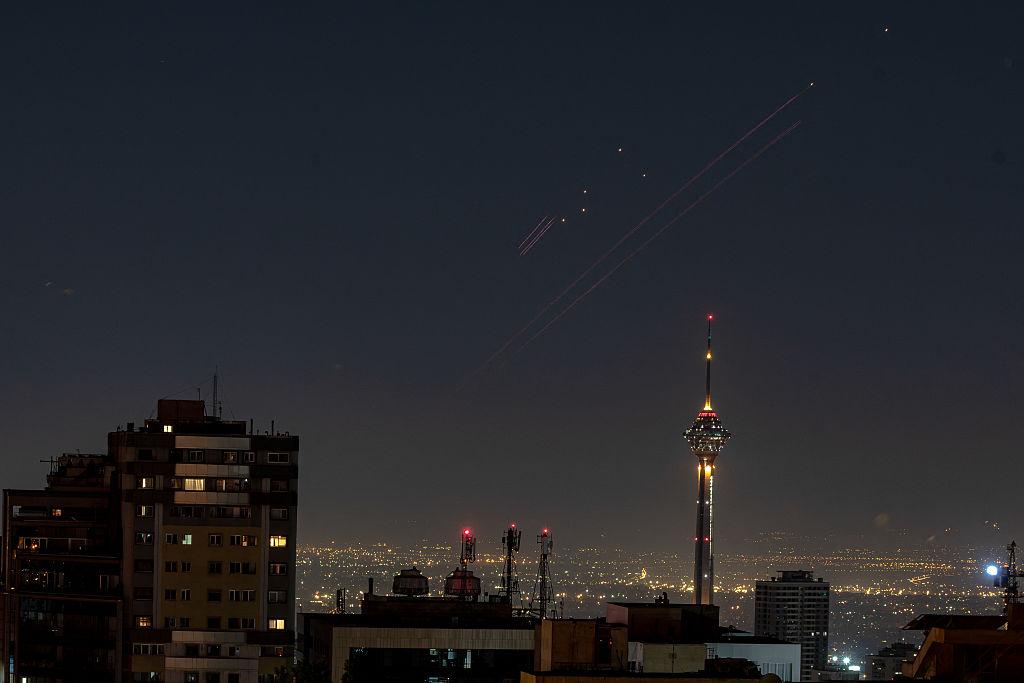
The unfolding events extend beyond immediate military calculations. Strategic partnerships across the Middle East and beyond may shift depending on how the crisis evolves.
Major powers are carefully evaluating their positions. Some have reaffirmed alliances, while others emphasize neutrality and mediation.
The Tehran missile response underscores how regional conflicts can influence global diplomacy, trade relationships, and security cooperation frameworks.
Energy Infrastructure and Maritime Security
Key maritime corridors remain under close surveillance. Naval forces have increased patrols near vital shipping routes to ensure freedom of navigation.
Energy infrastructure operators have enhanced security protocols. The Tehran missile response has highlighted the interconnected nature of military events and economic stability.
Energy security analysts warn that prolonged uncertainty could impact investment decisions in critical sectors.
Domestic Political Considerations
Within the region, political leaders face complex domestic calculations. Public opinion often shapes strategic choices during times of confrontation.
The Tehran missile response has prompted parliamentary debates and public demonstrations in various capitals. Leaders must balance national security concerns with economic realities and international expectations.
Humanitarian Preparedness and Emergency Planning
Relief organizations are preparing contingency plans should further escalation occur. Medical facilities have reviewed emergency protocols, and humanitarian agencies have assessed potential displacement scenarios.
Even if hostilities remain limited, preparedness measures aim to ensure rapid response capability. The Tehran missile response serves as a reminder of how quickly regional dynamics can shift.
Technology and Modern Warfare
Advancements in missile guidance systems, radar detection, and interception capabilities have reshaped modern warfare. The Tehran missile response illustrates how technological sophistication influences both offensive and defensive operations.
Experts note that increased precision reduces certain risks but does not eliminate the potential for escalation. Cybersecurity also plays a growing role in parallel with kinetic operations.
A Fragile Balance in 2026
As the situation develops, regional actors remain in a delicate equilibrium. Military forces maintain readiness while diplomats continue negotiations.
The Tehran missile response may ultimately be remembered as a contained demonstration of deterrence or as the spark for deeper confrontation.
For now, the Middle East stands at a pivotal moment. Decisions made in the coming days will determine whether tensions subside or intensify.
Air defense systems remain active, global markets remain sensitive, and international leaders remain engaged in urgent discussions. The trajectory of this crisis will shape security architecture well beyond 2026.