


The UK has long been recognized as a leading defense producer in the world. The arms manufacturing sector of the UK not only contributes to the economy but also to national security and international trade. The UK defense industry manufactures international security products ranging from advanced aircraft to warships and modern-day weapons platforms and high-tech electronic systems. In this article we consider arms manufacture in the UK, focusing on the scale, growth, and global impact.
The Size of Arms Manufacture in the UK
The UK arms manufacturing sector is quite large compared to other European states. The UK is deemed to be in the top ranks of arms-producing nations worldwide. The arms manufacturing sector provides arms services covering aircraft, missiles, ships, land systems, and defense electronics.
Defense manufacturing directly provides thousands of jobs and earns significant income for the economy. Reputable large defense manufacturing companies such as BAE Systems, Rolls-Royce Defence, and MBDA UK provide the largest suppliers for UK domestic and foreign arms demand. The scale of arms manufacturing should not be evaluated on revenue alone.
Growth of the UK Defence Industry
The defense industry in the United Kingdom has expanded consistently over the past few decades. Previous government support, healthy export markets, and joint ventures with other countries helped in the success of the industry.
Also, the growth in the defense industry is attributed to a certain growing requirement for new defense commodities worldwide. Countries across Europe, Asia, and the Middle East purchase UK-built aircraft, ships, and missile systems. This growing international demand is providing UK firms a chance to increase their production and to employ additional labor.
Additionally, the UK government awards contracts to local suppliers to provide goods and services to the British Armed Forces, and manufacturers regularly maintain constant production levels and development projects in their jurisdiction. This helps promote sustained production increases in a manufacturing country. Constant increases to defense budgets and ongoing modernization programs are key drivers to growth in the defense industry.
Role of Major Defense Companies
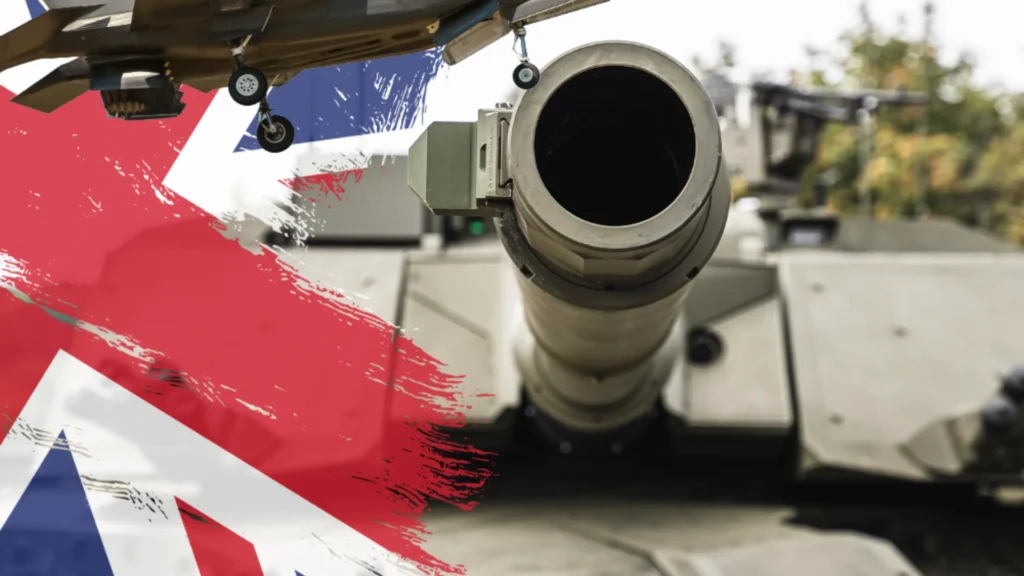
There are many major companies in the UK arms manufacturing space including:
BAE Systems
BAE Systems is the biggest defense contractor in the UK and one of the largest defense contractors in the world. It manufactures military aircraft, naval vessels, submarines, and land vehicles. BAE Systems exports products to countries around the globe, and Canada is an important partner in the UK’s defense strategy.
Rolls-Royce Defence
Rolls-Royce designs and manufactures engines for aircraft, submarines, and naval ships, and all of its advanced propulsion technology supports international, allied, and domestic defense programs.
MBDA UK
MBDA focuses and specializes in missile systems and defense electronics and is a member of a larger multinational group. It contributes to Europe’s collective defense industry when it works with the UK government or other international partners in cooperation, and the international market keeps this industry innovative and competitive, and these organizations are vital.
Economic Impact of Arms Manufacture in the UK
The economic impact of the arms manufacturing industry is important as it generates billions per year and recognizes 200,000 jobs in the UK. The types of jobs include engineers, scientists, factory workers, and supply chain staff.
It also employs many other small businesses through contract work, and those contracts generate an economic benefit in addition to the major corporations. In both cases, local jobs, care for the employees’ jobs, investment, and development work or regional benefits are better than multinational corporations, but local public benefits are better.
Exports are also an economic contributor that attracts foreign currency while fortifying the UK’s international trade to beneficial capacity; the UK is mostly in the first five biggest arms exporters and sees markets of the arms industry as evidence of international trade. Additionally, the arms export record, with 40 countries accessing other defense products (aircraft, naval ships, and missile systems), is accessible here.
Employment and Skills Development
Arms manufacturing in the UK sustains a highly skilled workforce. Engineers, scientists, technicians, and IT workers are in demand. Apprenticeships and graduate programs in these fields are commonplace in defense companies, helping young people build careers in technology and engineering.
The defense industry also sustains skills that are relevant to the economy at large. For example, areas like aerospace, shipbuilding, and advanced electronics overlap with significant sectors such as transport and energy.
Global Impacts of UK Arms Manufacturing

The effects of arms manufacturing in the UK extend across the globe. British defense technology equips many armed forces internationally, influencing security and military power across the globe. Through both exports and partnerships, the UK reinforces its allies’ defense systems, strengthening collective security in Europe and beyond.
The global perspective can offer important debates. While the UK sells advanced defense equipment, critics question the ethics of arms sales to areas in active conflict. This creates a balance between the economic gains and the moral considerations of defense exports.
The Role of the UK Government
The UK Government has a significant role in supporting the defense industry. To enable this, they allow funding flows, sign contracts, and advocate for exports abroad through diplomatic and trade activity.
The Ministry of Defence (MoD) does this by partnering with companies to make sure the British Armed Forces have the leading equipment while ensuring that the international diplomatic and trade deals for the enabling exports grow the country globally.
Policies and regulations are also formulated to ensure high standards, protect sensitive technologies, and ensure that exports are ethically obtained.
Challenges Facing the Industry
The UK defense industry is a considerable strength. There remains a range of challenges facing the industry:
- An international competitive environment created by countries such as the US, France, and Russia.
- A political environment that is unable to find unanimity regarding arms exports to conflict zones.
- The increasing costs associated with developing advanced technologies.
- A reliance on a globalized supply chain that can be interrupted by economic or political events.
Meeting these challenges will require foresight, government support, and continued innovation.
