
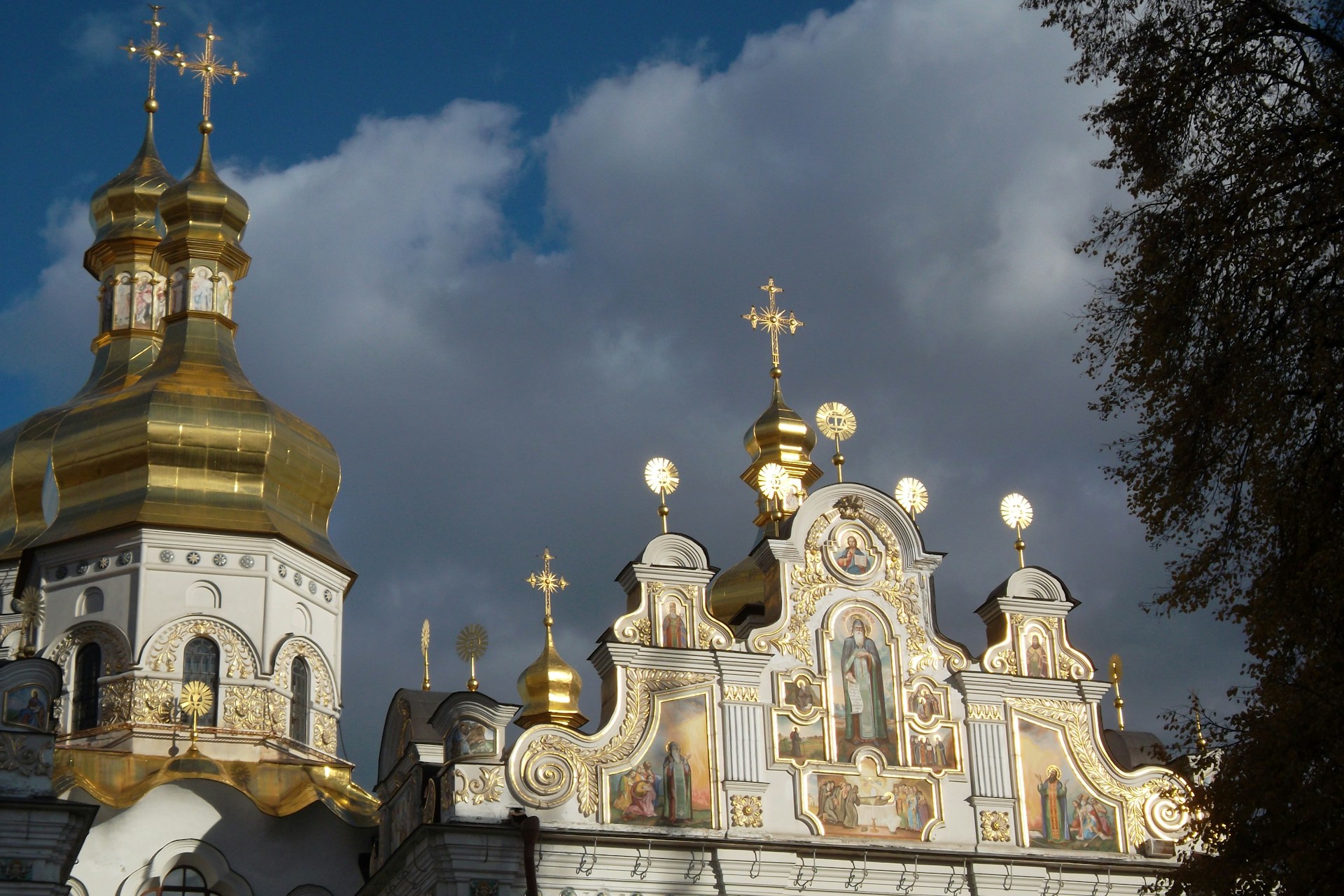
KYIV, June 15 (Parliament Politics Magazine) – Emergency crews and staff worked through the day Monday to clear debris and assess the condition of a nearly 1,000-year-old cathedral following a targeted Russian strike that triggered a major fire. The blaze severely damaged the roof of the Dormition Cathedral, the primary structure within the Kyiv Pechersk Lavra monastery complex, an site known for its historic frescoes and silver artifacts.
Huge plumes of black smoke were visible rising above the golden domes early Monday morning. Firefighters utilized helicopters and cranes to battle the inferno, eventually managing to extinguish the flames by 9 a.m. local time. The cathedral remains a vital symbol of the spiritual and cultural identity of Ukraine, with its architecture defining the skyline of the capital for centuries.
Structural Integrity of the Site
First Deputy Culture Minister Ivan Verbytskyi stated on Ukrainian television that authorities successfully evacuated the most valuable religious relics prior to the worst of the fire. While the roof suffered extensive burning, initial reports indicate that the walls and core structure of the building remain standing. Furthermore, the ornate iconostasis, a screen that separates the sanctuary from the nave, did not sustain significant damage.
Inside the cathedral, workers were seen navigating water that had pooled on the floors and streamed down painted walls. Staff members worked to salvage remaining furniture and protect fragile frescoes from potential water damage. The SBU security service of Ukraine reported that it recovered fragments of a Russian Geran-2 suicide drone at the site of the attack. Russia has denied responsibility for the strike, claiming the damage was instead caused by a U.S.-made Patriot air defense missile. Reuters could not independently verify either account.
History of Conflict at the Monastery
The site has endured previous damage during the ongoing war that began in February 2022. However, officials emphasized the unprecedented nature of this specific incident. Maksym Ostapenko, the director general of the monastery complex, noted that while the site sustained minor hits earlier this year, this event marked the first deliberate and precise strike against the cathedral.
“At the moment, we can see severe damage to all upper parts of the cathedral. There is a high risk for the part which is underneath – paintings, frescoes, iconostasis,” Ostapenko told Reuters.
The cathedral holds deep historical significance, having been largely destroyed by an explosion in 1941 under the orders of Soviet dictator Josef Stalin. Approximately 80% of the building was lost in that event. It underwent an extensive rebuilding process over the last 25 years, with the restoration of its iconostasis reaching completion only last year. The site also houses silver panels that were recovered during excavation work following the 1941 blast.
President Volodymyr Zelenskiy condemned the attack, describing the incident as one of the most serious crimes against Christian culture perpetrated by Russia to date. The recovery efforts now shift toward determining the long-term impact on the delicate artistic treasures housed within the sanctuary. Experts remain concerned about the stability of the remaining frescoes as water damage risks persist in the aftermath of the blaze. The future of the reconstruction project remains uncertain as investigations into the cause of the destruction continue.