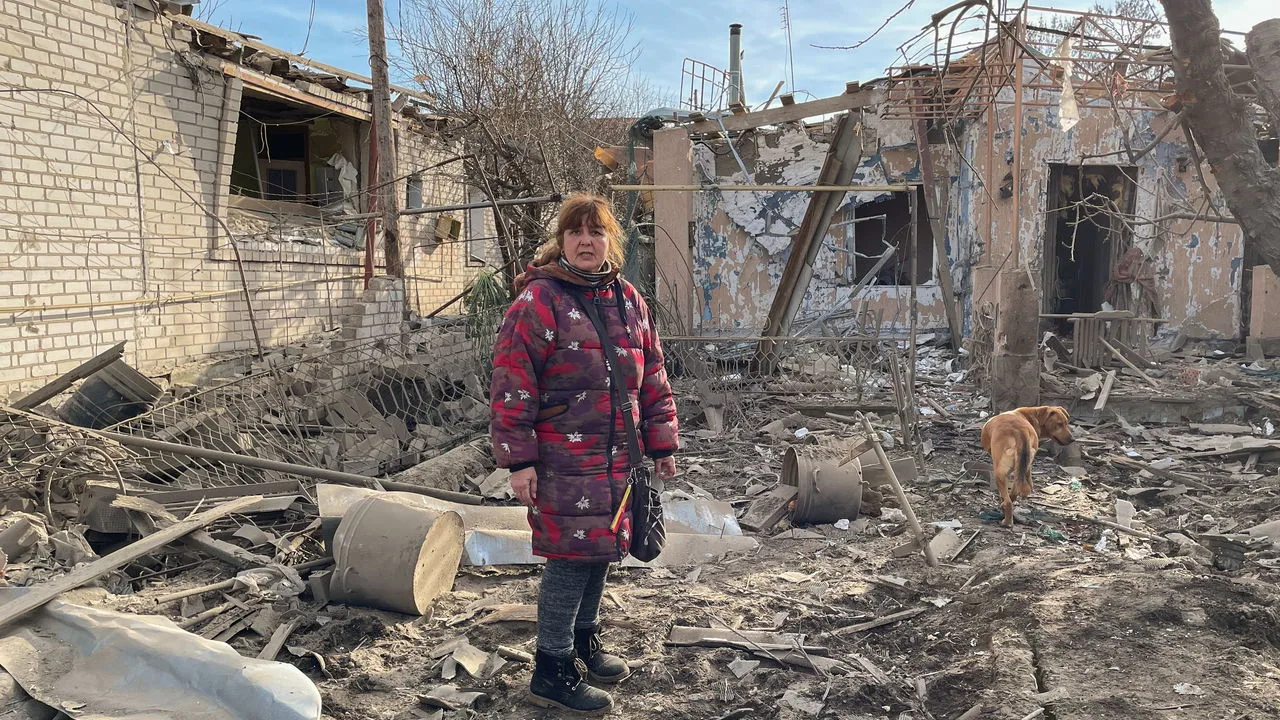
Kherson region, southern Ukraine —January 2026 According to parliament news, renewed violence has once again drawn attention to the Ukraine war Kherson, as civilian areas came under fire and emergency crews rushed to assist the wounded. The escalation highlights how the conflict involving Ukraine and Russia continues to weigh heavily on communities living close to the southern front line, even as the war enters another year.
Fresh Attacks Strike Residential Areas
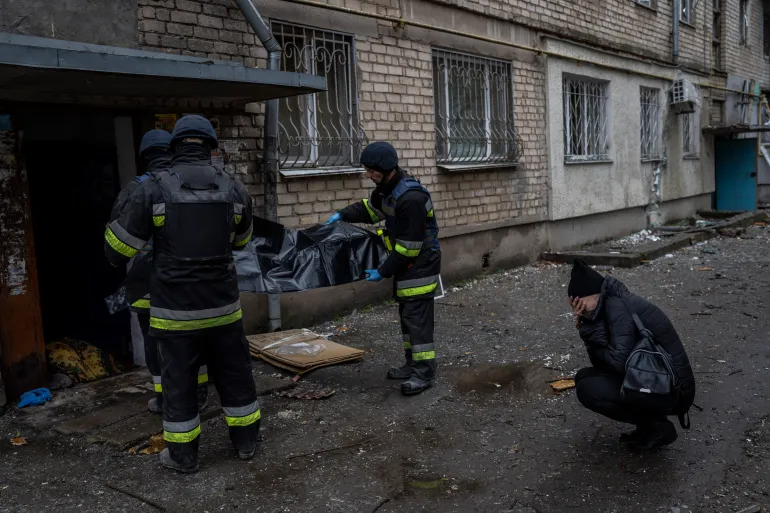
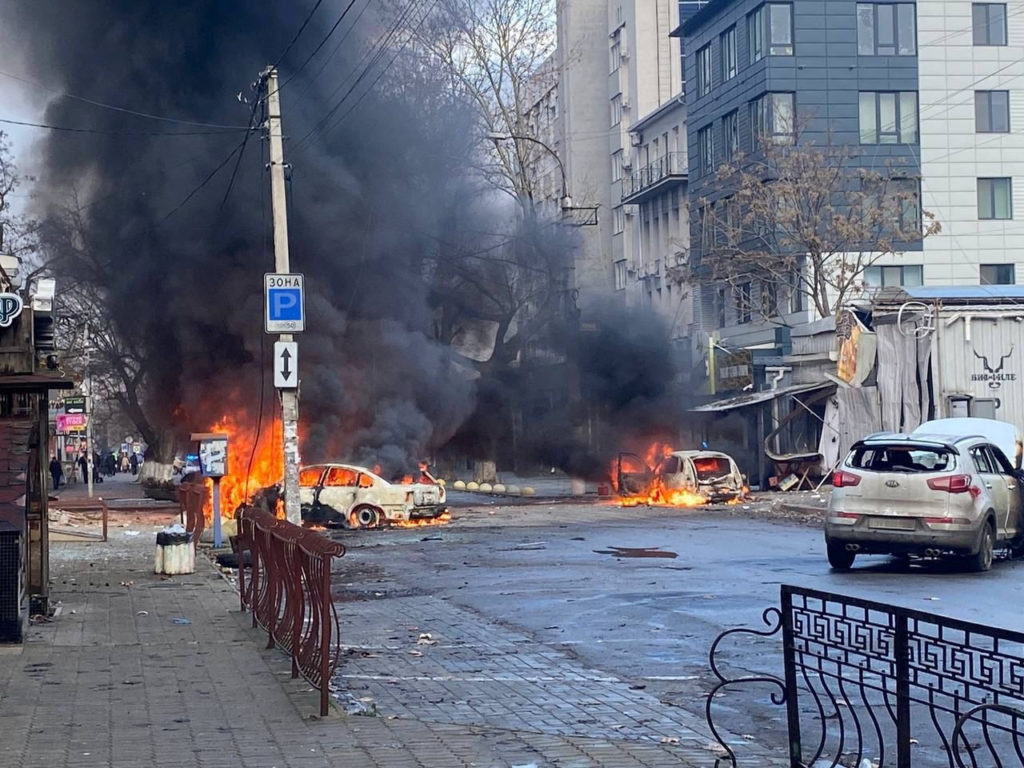
Local authorities confirmed that shelling struck populated districts, marking another serious episode in the Ukraine war Kherson. Several residential buildings were damaged, and civilians were injured as projectiles landed near homes and streets. Emergency alerts were issued across affected communities, urging residents to remain indoors while rescue operations were underway.
Officials emphasized that the strikes hit non-military locations, reinforcing concerns about civilian exposure to ongoing hostilities in the region.
Emergency Services Mobilize Under Pressure
Following the attacks, ambulances, firefighters, and utility teams were rapidly deployed as the Ukraine war Kherson placed renewed strain on regional emergency services. Medics provided immediate care to the injured, while firefighters extinguished small blazes caused by shelling.
Utility crews worked to stabilize power and water supplies, ensuring that essential services remained operational despite damage to local infrastructure.
Damage to Homes and Public Infrastructure
Beyond the injuries reported, the Ukraine war Kherson has continued to erode civilian infrastructure. Roofs were torn apart, windows shattered, and debris littered streets in multiple neighborhoods. Municipal workers conducted safety inspections, declaring several homes temporarily uninhabitable.
Local administrations warned that repeated damage complicates reconstruction efforts, especially as repair teams face security risks while working in exposed areas.

Daily Life Near the Front Line
For residents of Kherson region, the Ukraine war Kherson is no longer defined by isolated incidents but by a constant sense of uncertainty. Families keep emergency bags ready, children attend schools operating on flexible schedules, and many homes rely on basements or reinforced rooms for protection.
Despite these challenges, markets reopened within hours of the attacks, and public transport resumed service where conditions allowed.
Strategic Importance of Kherson Region
Military analysts say the Ukraine war Kherson reflects the region’s strategic value. Its location along key transport corridors and waterways makes it a focal point for military pressure. Control of the area influences logistics, supply routes, and broader operational planning in southern Ukraine.
As a result, Kherson continues to experience frequent shelling and heightened security activity compared to other regions.
Military Situation on the Southern Front
Security briefings indicate that the Ukraine war Kherson remains dynamic, with shifting tactical conditions along the front line. Ukrainian forces have focused on defensive measures, including early warning systems and fortified positions, to reduce civilian harm.
Officials acknowledge that while defensive capabilities have improved, the proximity of civilian settlements to contested zones leaves residents vulnerable.
Humanitarian Needs Continue to Rise
Aid organizations monitoring the Ukraine war Kherson report growing humanitarian needs across the region. Medical supplies, temporary housing materials, and psychological support services are increasingly in demand, particularly for elderly residents and families displaced by damage to their homes.
International partners and local volunteers continue to deliver assistance, though access challenges persist in some areas.
One Official Voice From the Region
Commenting on the situation linked to the Ukraine war Kherson, a senior regional official said,
“Every strike on our communities deepens the humanitarian burden, and protecting civilians remains our absolute priority.”
The statement captured the growing concern among local authorities as attacks continue.
Economic Activity Under Ongoing Threat
The Ukraine war Kherson has also disrupted the regional economy. Agricultural operations face delays, businesses operate under security restrictions, and transport routes are periodically closed due to shelling risks. Nevertheless, local enterprises continue operating where possible, providing essential goods and employment.
Officials stress that sustaining economic life is crucial to preventing long-term depopulation of affected areas.
Psychological Toll on Civilians
Mental health professionals working in the region say the Ukraine war Kherson has had a profound psychological impact. Repeated explosions, displacement, and uncertainty have contributed to rising stress and anxiety levels among residents.
In response, mobile counseling teams and community support programs have expanded, aiming to address trauma alongside physical injuries.
Information and Public Safety Communication
Clear communication has become a cornerstone of crisis management as the Ukraine war Kherson evolves. Local administrations issue frequent alerts and safety guidance through official channels, helping residents respond quickly to changing conditions.
Authorities have emphasized the importance of relying on verified information to avoid panic and misinformation.
International Attention on Southern Ukraine
Developments linked to the Ukraine war Kherson continue to attract international attention. Diplomatic statements from European partners have reiterated concerns about civilian safety and called for respect for international humanitarian law.
Observers note that events in Kherson often influence broader discussions about security assistance and humanitarian support for Ukraine.
Community Resilience and Local Solidarity
Despite ongoing dangers, the Ukraine war Kherson has also revealed strong community resilience. Neighbors assist one another with repairs, volunteers distribute aid, and local organizations coordinate support for displaced families.
This collective effort has helped mitigate some of the conflict’s harshest effects on daily life.
Education and Youth in Conflict Conditions
Schools in Kherson region have adapted to the realities of the Ukraine war Kherson, using hybrid learning models and emergency protocols. Educators emphasize maintaining a sense of normalcy for students, even as security concerns persist.
Youth programs increasingly focus on resilience and emotional support, acknowledging the challenges faced by younger generations.
Media Coverage and Public Awareness
Coverage of the Ukraine war Kherson has focused on verified information, civilian impact, and safety guidance. Analysts say responsible reporting plays a key role in keeping the public informed without amplifying fear.
Local media outlets work closely with authorities to ensure accuracy during rapidly developing situations.
Long-Term Challenges for the Region
Urban planners and policymakers warn that the Ukraine war Kherson presents long-term challenges, from infrastructure repair to population stability. Reconstruction efforts must balance immediate repairs with long-term resilience planning.
Officials stress that recovery will depend on sustained security improvements and continued international support.
Preparing for the Months Ahead
As 2026 progresses, authorities caution that the Ukraine war Kherson remains unpredictable. Residents are urged to remain vigilant, follow official guidance, and prioritize safety as conditions evolve.
Preparedness drills, infrastructure reinforcement, and humanitarian coordination remain central to regional planning.
A Region Shaped by Endurance
The ongoing developments surrounding the Ukraine war Kherson illustrate how southern Ukraine continues to endure under pressure. With civilians injured, homes damaged, and services stretched, the region stands as a stark example of the human cost of prolonged conflict.
Yet amid uncertainty, local resilience, emergency readiness, and community solidarity continue to define Kherson’s response.