

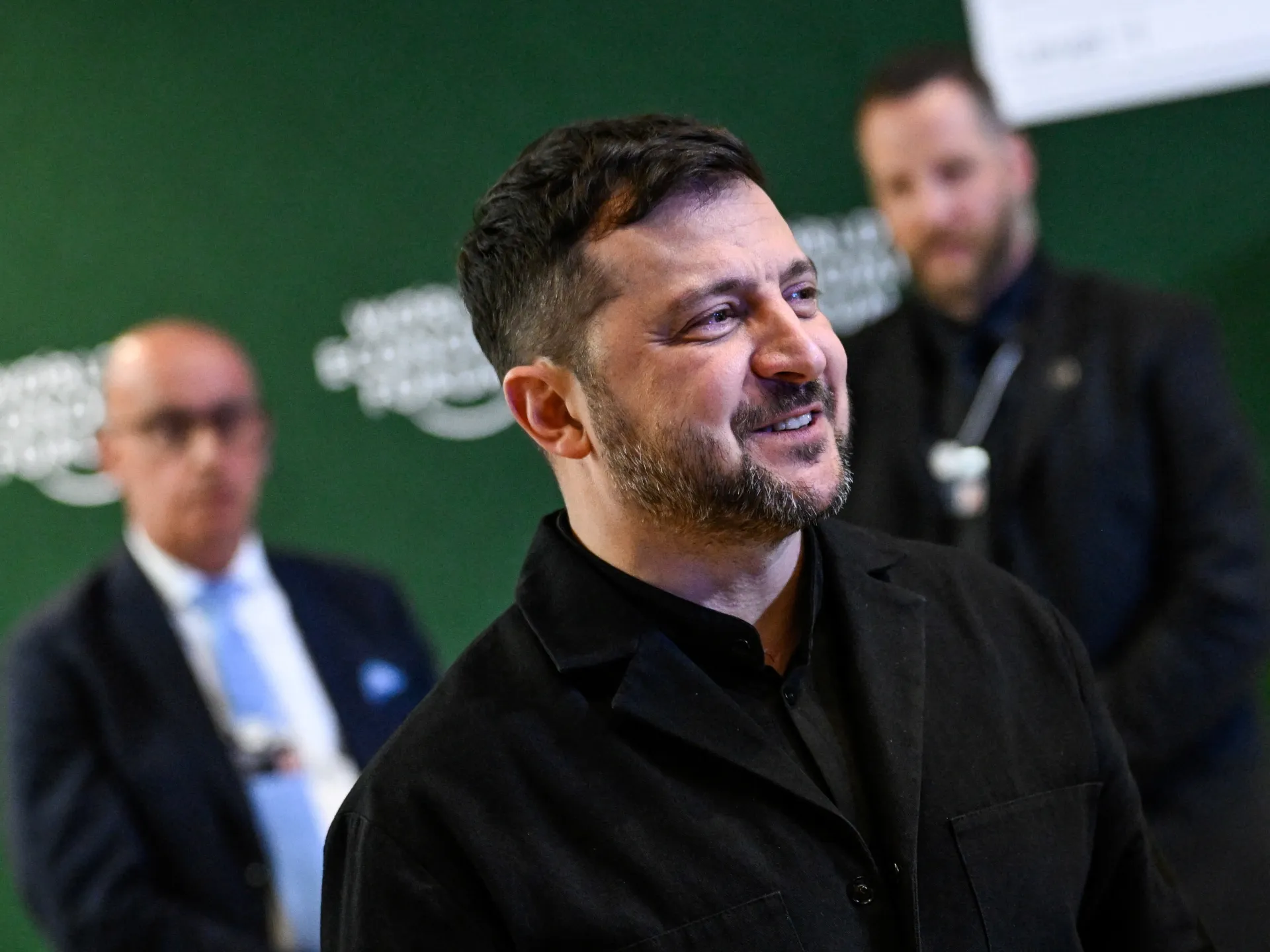
Abu Dhabi, United Arab Emirates, January 18, 2026 — Parliament News places international focus on Ukraine war talks as senior diplomatic delegations gather in the Gulf for discussions that could influence the future direction of the conflict. The meeting comes at a moment when years of sustained fighting have reshaped security thinking across Europe and beyond, while economic disruption and humanitarian costs continue to mount. The choice of Abu Dhabi reflects an increasing reliance on neutral venues to facilitate dialogue when traditional diplomatic pathways are strained.
This diplomatic gathering is widely seen as an effort to reintroduce political engagement into a conflict long dominated by military calculations.
Abu Dhabi as a Neutral Diplomatic Environment
The role of Abu Dhabi in hosting sensitive international discussions has expanded steadily in recent years. Known for its balanced foreign policy and extensive diplomatic networks, the emirate offers a setting that minimizes symbolic tensions while maximizing discretion.
For participants in Ukraine war talks, Abu Dhabi provides a location removed from the immediate geography of the conflict, allowing negotiators to focus on dialogue rather than optics. Diplomatic sources note that neutrality has become a valuable asset as global politics grow increasingly polarized.
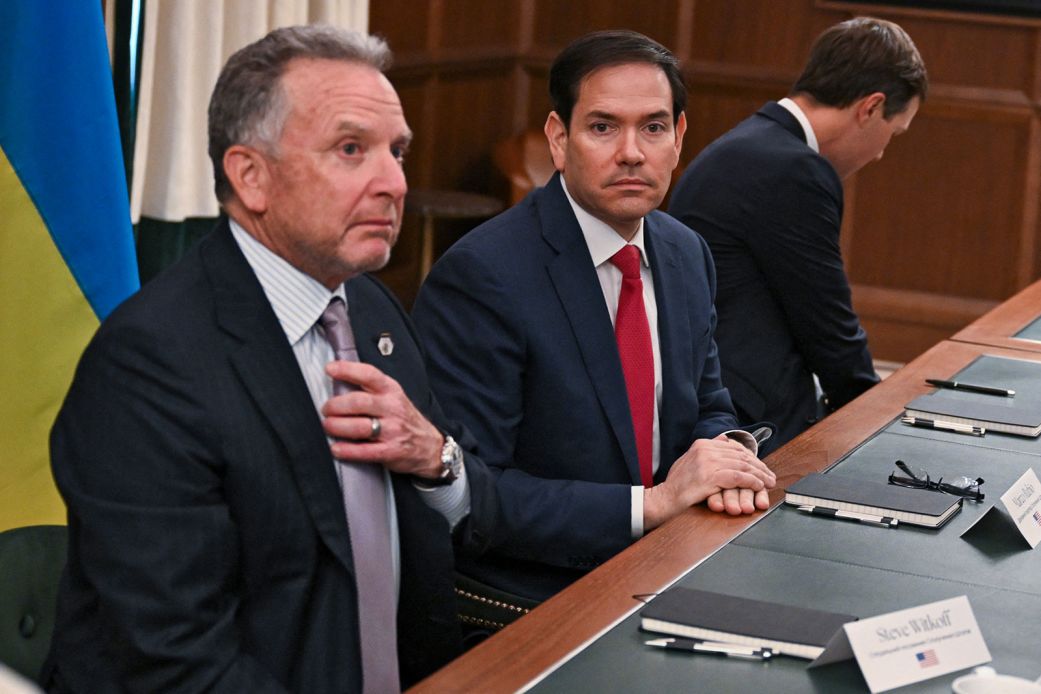
How the Conflict Reached This Point
The path toward renewed negotiations has been shaped by a long and complex series of developments. Since the escalation of hostilities, shifting battlefield dynamics, economic sanctions, and political realignments have repeatedly altered the strategic environment. Attempts at dialogue have surfaced intermittently, often collapsing under the weight of mistrust and incompatible demands.
By 2026, however, the cumulative impact of the conflict has forced a reassessment. Ukraine war talks now reflect recognition among key actors that military means alone cannot deliver sustainable outcomes.
Ukraine’s Diplomatic Priorities
For Ukraine, diplomacy is inseparable from sovereignty. Ukrainian officials emphasize that any political process must reinforce territorial integrity and uphold international law. Participation in high level discussions is seen as essential to ensuring that Ukraine’s interests remain central rather than peripheral.
Within the broader framework of Ukraine war talks, Kyiv seeks security assurances, pathways for reconstruction, and mechanisms that prevent future aggression. These priorities are shaped by both immediate security concerns and long term national resilience.
Russia’s Strategic Perspective
Russia enters the negotiations with an emphasis on regional security architecture and strategic balance. Russian policymakers argue that instability is rooted in unresolved post Cold War arrangements and competing security visions.
As discussions progress, Russia is expected to raise issues related to military deployments, sanctions pressure, and confidence building measures. For Moscow, Ukraine war talks represent an opportunity to influence the broader framework governing European security.
The United States and International Influence
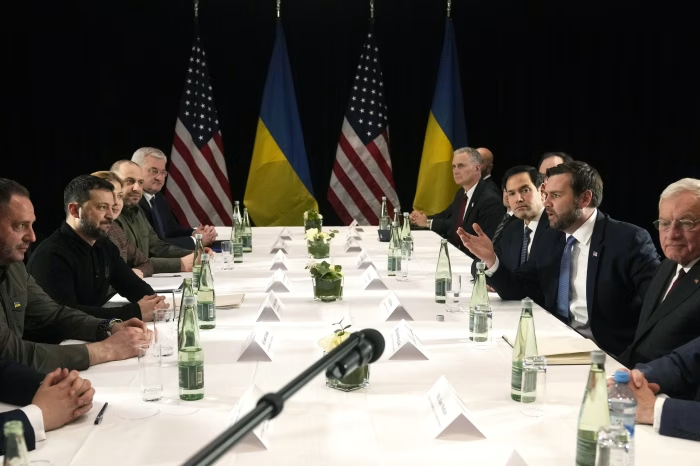
The United States remains a central diplomatic actor, reflecting its longstanding role in European security affairs. US officials frame their participation as an effort to reduce escalation risks while supporting political solutions.
Washington’s involvement in Ukraine war talks also signals to allies that diplomacy remains a viable tool alongside deterrence. Balancing these priorities continues to shape the American approach to the negotiations.
Key Security Priorities Driving the Negotiations
At the center of the discussions are several interlinked security priorities that continue to shape Ukraine war talks. Diplomats are concentrating on military risk reduction through strengthened communication channels and greater transparency around troop movements and exercises, aiming to reduce the danger of miscalculation or unintended escalation. These measures are widely viewed as essential first steps for rebuilding a minimum level of trust in an environment marked by prolonged confrontation.
Alongside risk reduction, ceasefire possibilities and humanitarian concerns remain closely connected within the broader framework of Ukraine war talks. While a comprehensive ceasefire is seen as difficult in the short term, negotiators are examining limited pauses that could help stabilize specific areas and create space for further dialogue.
Civilian protection, displacement pressures, and humanitarian access are also central to the discussions, reflecting recognition that security arrangements cannot be separated from the human cost of the conflict.
Economic and Energy Dimensions
Beyond immediate security considerations, the conflict has reshaped global economic patterns. Energy markets, trade flows, and investment decisions continue to be affected by uncertainty. Diplomats acknowledge that economic stability is increasingly linked to progress in Ukraine war talks.
Sanctions regimes, reconstruction financing, and long term economic recovery are all topics that intersect with political negotiations.
International Reactions and Strategic Calculations
Governments across Europe, Asia, and the Middle East have reacted cautiously to the renewed diplomatic engagement. Many view the talks as a necessary step toward preventing the conflict from becoming a permanent feature of the global landscape.
Market analysts note that even modest progress in Ukraine war talks could influence energy prices and investor confidence, underscoring the far reaching implications of diplomacy.
Domestic Political Pressures
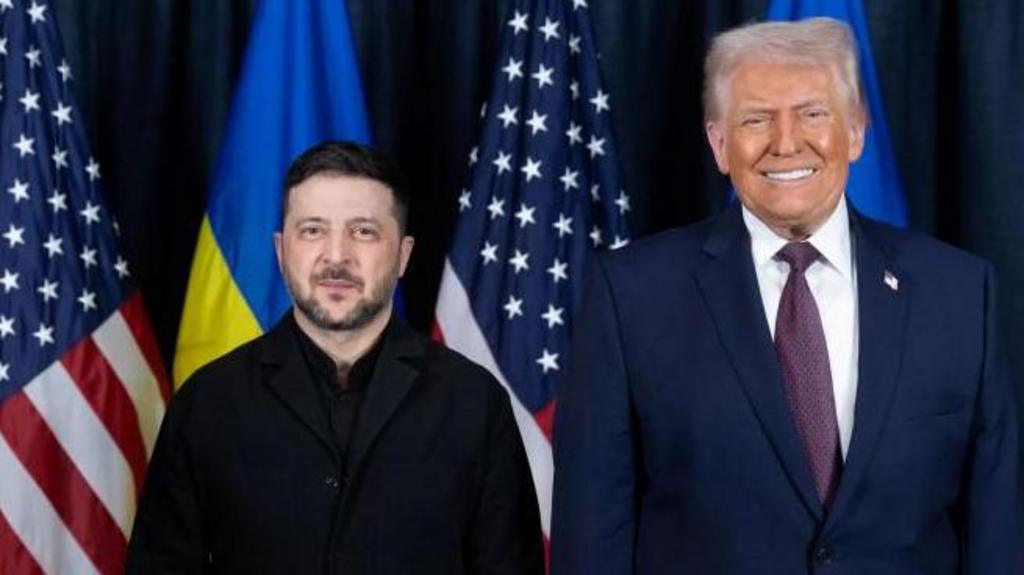
Negotiators operate under significant domestic constraints. Public opinion, economic pressures, and political competition shape how far leaders can go in compromising positions.
These factors add complexity to Ukraine war talks, reinforcing expectations that progress will likely be incremental rather than dramatic.
Lessons From Earlier Diplomatic Efforts
Past negotiation attempts offer important lessons. Earlier initiatives reduced immediate risks but often failed to resolve underlying disagreements. These experiences inform current strategies, emphasizing the need for sustained engagement rather than one off meetings.
Diplomatic continuity is increasingly seen as essential to building trust over time.
The Role of Emerging Mediators
The involvement of non traditional diplomatic hosts reflects broader changes in international relations. Emerging mediators are stepping in where established institutions face limitations.
Abu Dhabi’s role in Ukraine war talks highlights how diversified diplomacy can create new opportunities for dialogue in a multipolar world.
Global Security Implications Beyond Europe
The consequences of the conflict extend far beyond Eastern Europe. Defense planning, alliance structures, and international norms have all been influenced by the war.
In this broader context, Ukraine war talks serve as a test case for how major powers manage rivalry and cooperation in an era of strategic competition.
Media Coverage and Public Expectations
Media scrutiny remains intense, shaping public understanding of the negotiations. Leaders face the challenge of managing expectations while maintaining political credibility.
One senior diplomatic observer said,
“Dialogue may be slow and imperfect, but without it conflicts risk becoming permanent.”
Measuring Progress in Practical Terms
Success is unlikely to come through sweeping agreements. Instead, progress may be reflected in follow up meetings, technical working groups, and verification mechanisms.
If sustained, Ukraine war talks could gradually rebuild trust and reduce the risk of sudden escalation.
Persistent Challenges and Risks
Deep mistrust, unresolved grievances, and competing strategic visions continue to complicate negotiations. Observers caution that diplomacy will require patience and resilience from all sides.
Yet engagement itself is widely viewed as preferable to isolation and escalation.
Sustaining Diplomatic Momentum
Attention is already turning to what follows the current round of discussions. Future meetings and expanded participation could indicate growing commitment to dialogue.
The durability of Ukraine war talks will depend on whether initial engagement translates into concrete steps.
A Turning Point in Modern Diplomacy
The Abu Dhabi discussions represent a rare convergence of necessity and opportunity. While uncertainty remains high, the willingness to engage reflects recognition that prolonged conflict carries unacceptable risks.
How Ukraine war talks evolve in 2026 may shape diplomatic approaches to crisis management for years to come.
Beyond Conflict Toward Stability
Ultimately, diplomacy aims not only to end fighting but to establish frameworks that prevent future conflict. Confidence building measures, security guarantees, and economic cooperation all play a role in this broader vision.
Sustained dialogue offers a path toward a more stable regional and global order.
A Lasting Chapter in International Affairs
History may judge the Abu Dhabi talks not by immediate outcomes but by whether they marked a shift toward engagement over confrontation. In an era of fractured geopolitics, the effort to sustain dialogue carries significance beyond any single agreement.
The trajectory of Ukraine war talks will continue to offer insights into the possibilities and limits of diplomacy in the modern world.