

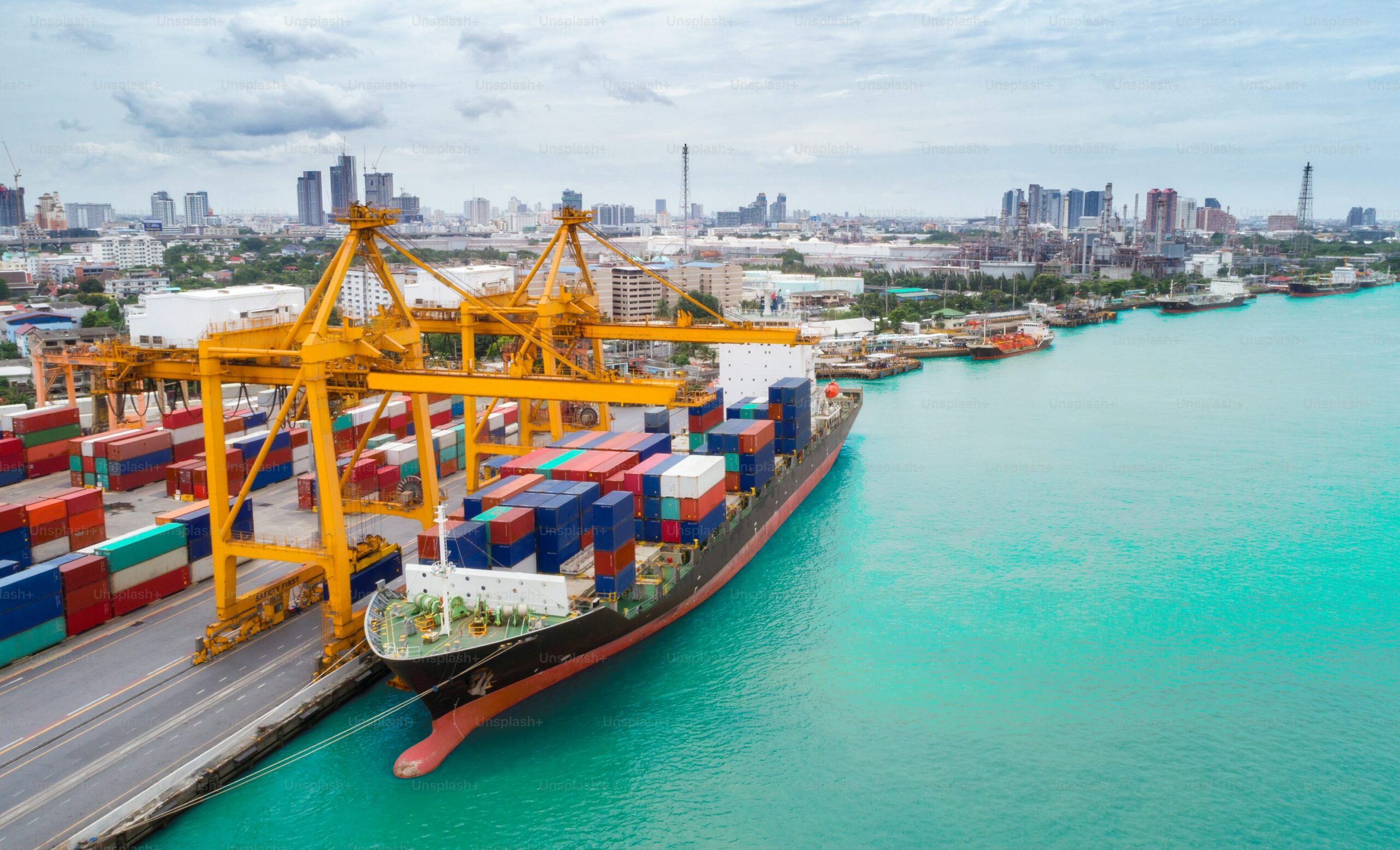
New York, United States March 27, 2026 (Parliament Politics Magazine) UN global trade strategy is emerging as a central focus of international policy as the United Nations confirmed plans to introduce a new mechanism aimed at securing maritime trade through the Strait of Hormuz.
The initiative comes at a time of rising geopolitical tension and growing concerns about disruptions to one of the world’s most critical energy and shipping corridors.
UN Global Trade Strategy Takes Shape
The UN global trade strategy is designed to protect global supply chains by ensuring safe passage for commercial vessels navigating high-risk maritime zones. Officials say the approach will combine diplomacy, monitoring systems, and coordinated security efforts.
A UN spokesperson stated:
“The UN global trade strategy is a necessary step to ensure stability in global commerce and prevent disruptions that could impact millions worldwide.”
This marks a significant shift toward a more structured international framework for safeguarding trade routes.
Strategic Role of the Strait of Hormuz
The Strait of Hormuz remains one of the most vital chokepoints in global trade, with a large percentage of the world’s oil supply passing through it.
UN global trade strategy efforts are heavily focused on this region due to its importance in maintaining energy flow and economic stability.
Any disruption in the strait can have immediate and far-reaching consequences across global markets.
Rising Tensions Drive Policy Urgency
Recent developments in the Middle East have intensified the need for a comprehensive UN global trade strategy. Increased military activity, threats to shipping vessels, and broader geopolitical uncertainty have all contributed to the urgency.
Analysts warn that without coordinated action, risks to global trade could escalate significantly.
The UN initiative is seen as a proactive measure to address these growing concerns.
Key Components of the Strategy
While details are still being finalized, the UN global trade strategy is expected to include:
- Enhanced surveillance of shipping lanes
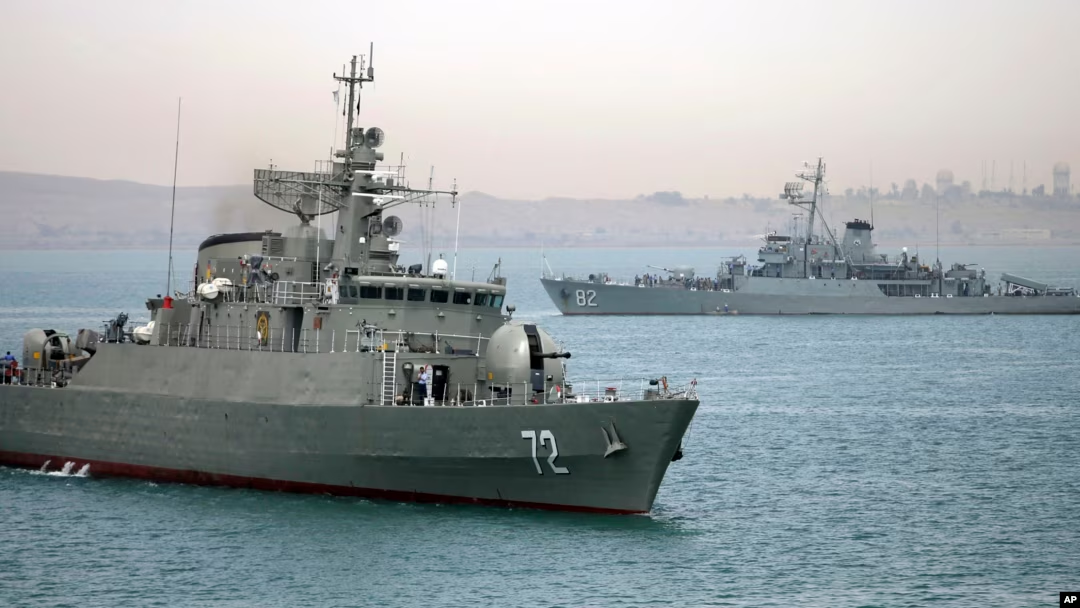
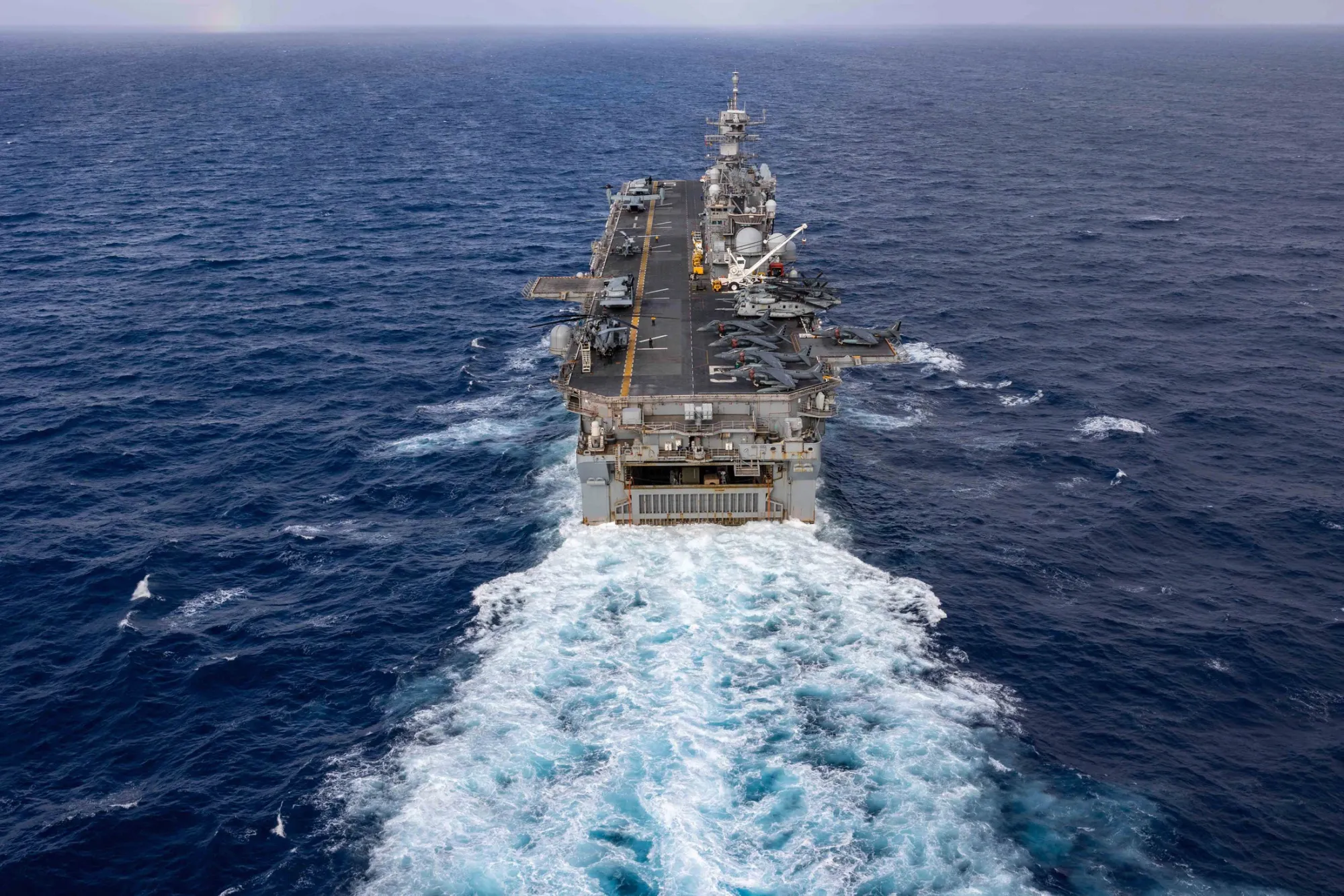
- Coordinated naval security operations
- Diplomatic engagement to reduce regional tensions
- Rapid response systems for maritime incidents
These elements are designed to create a more resilient global trade infrastructure.
Impact on Global Energy Markets
The UN global trade strategy is closely linked to energy security. Oil markets have shown volatility due to uncertainty surrounding key shipping routes.
Stabilizing the Strait of Hormuz is expected to reduce market fluctuations and restore investor confidence.
Countries dependent on energy imports are particularly invested in the success of this initiative.
International Cooperation Remains Critical
The effectiveness of the UN global trade strategy will depend on collaboration among member states. The United Nations is working to build consensus among regional and global powers.
This cooperative approach aims to balance security needs with diplomatic solutions.
The initiative reflects the importance of multilateral action in addressing complex global challenges.
Economic Implications for Global Trade
The introduction of a UN global trade strategy could have significant economic benefits by reducing uncertainty and improving stability in global markets.
Shipping companies, energy producers, and international businesses stand to gain from more predictable trade conditions.
However, successful implementation will require sustained commitment from all stakeholders.
Historical Context of Maritime Security Efforts
Efforts to secure global trade routes have evolved over time, with previous initiatives focusing on naval patrols and bilateral agreements.
The UN global trade strategy represents a broader and more integrated approach, combining multiple tools to address modern challenges.
Experts believe this evolution reflects lessons learned from past disruptions.
Challenges Facing Implementation
Despite its potential, the UN global trade strategy faces obstacles, including political disagreements and logistical complexities.
Ensuring widespread participation and compliance will be essential to its success.
Observers note that the initiative will require ongoing adaptation to changing conditions.
Trade Security Becomes Global Priority
The UN global trade strategy highlights the increasing importance of protecting critical trade routes in a rapidly changing geopolitical landscape.
As global markets remain sensitive to disruptions, initiatives like this will play a key role in maintaining stability.
UN Strategy Targets Global Trade Stability
UN global trade strategy aims to secure vital shipping routes through the Strait of Hormuz.
The initiative seeks to stabilize energy markets and protect global trade flows.
Experts say international cooperation will determine its success.
