Washington, D.C., March 23, 2026 (Parliament Politics Magazine), US national security crisis is intensifying following the resignation of a top counterterrorism official, as Iran warns it could “completely close” the Strait of Hormuz if its power plants are targeted. The convergence of these developments is raising urgent concerns about global stability, energy markets, and the direction of American policy.
The situation reflects a rapidly evolving geopolitical environment where military decisions, economic consequences, and humanitarian risks are increasingly interconnected.
Resignation fuels the US national security crisis
The sudden departure of a senior counterterrorism official has added momentum to what many analysts are now calling a growing US national security crisis. Sources indicate that the official resigned in protest over the current US war posture toward Iran, citing concerns about escalation and long-term consequences.
This move is being interpreted as a sign of internal divisions within the national security establishment. The resignation suggests that disagreements over strategy have reached a critical point.
A former intelligence official stated:
“The US national security crisis is not just external—it’s also internal. This resignation shows that key decision-makers are not aligned.”
Iran’s Hormuz threat escalates global tensions
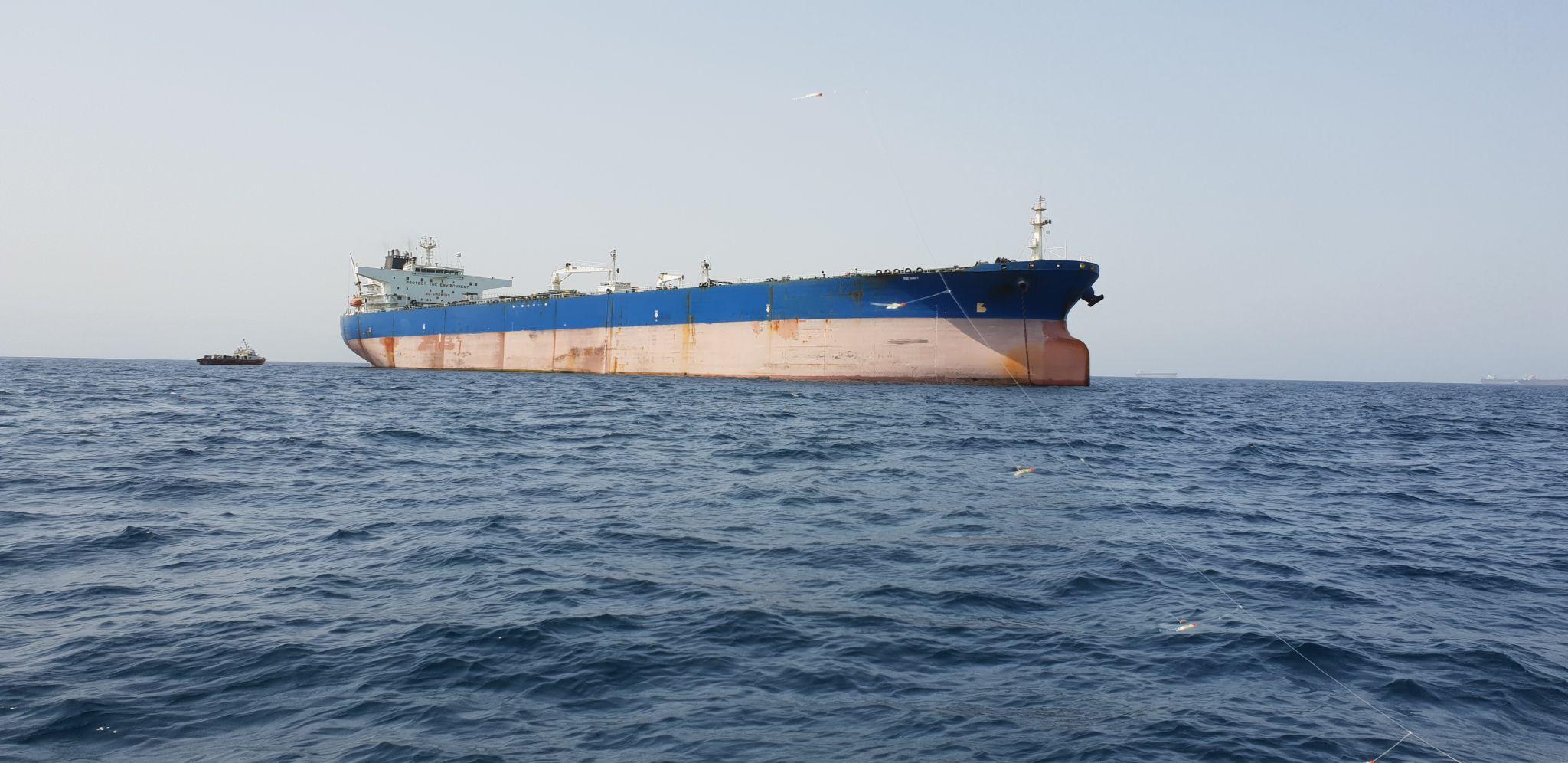
Iran’s warning that it may close the Strait of Hormuz has significantly raised the stakes in the US national security crisis. The strait is one of the most important energy transit routes in the world, and any disruption could have immediate global consequences.
Tehran’s statement has heightened fears of a potential energy crisis, with markets reacting to the possibility of reduced oil supply. Even the threat alone has increased volatility and uncertainty.
The connection between the resignation and Iran’s warning is intensifying scrutiny of current policies and their potential outcomes.
Strategic importance of the Strait of Hormuz
The Strait of Hormuz is a critical chokepoint for global energy supply. A significant portion of the world’s oil passes through this narrow waterway, making it essential for international trade and economic stability.
Within the context of the US national security crisis, the potential closure of Hormuz represents a major risk. Analysts warn that such a move could lead to sharp increases in oil prices and widespread economic disruption.
An energy expert explained:
“The Strait of Hormuz is the lifeline of global energy markets. Any disruption would have immediate and far-reaching consequences.”
Rising concerns over escalation
The US national security crisis is being driven by a combination of internal disagreements and external threats. The resignation of a key official has brought attention to the risks associated with current strategies.
Critics argue that the situation could escalate into a broader conflict, while supporters of the current approach maintain that strong actions are necessary to deter threats.
The uncertainty surrounding these developments is contributing to heightened global concern.
Political response intensifies
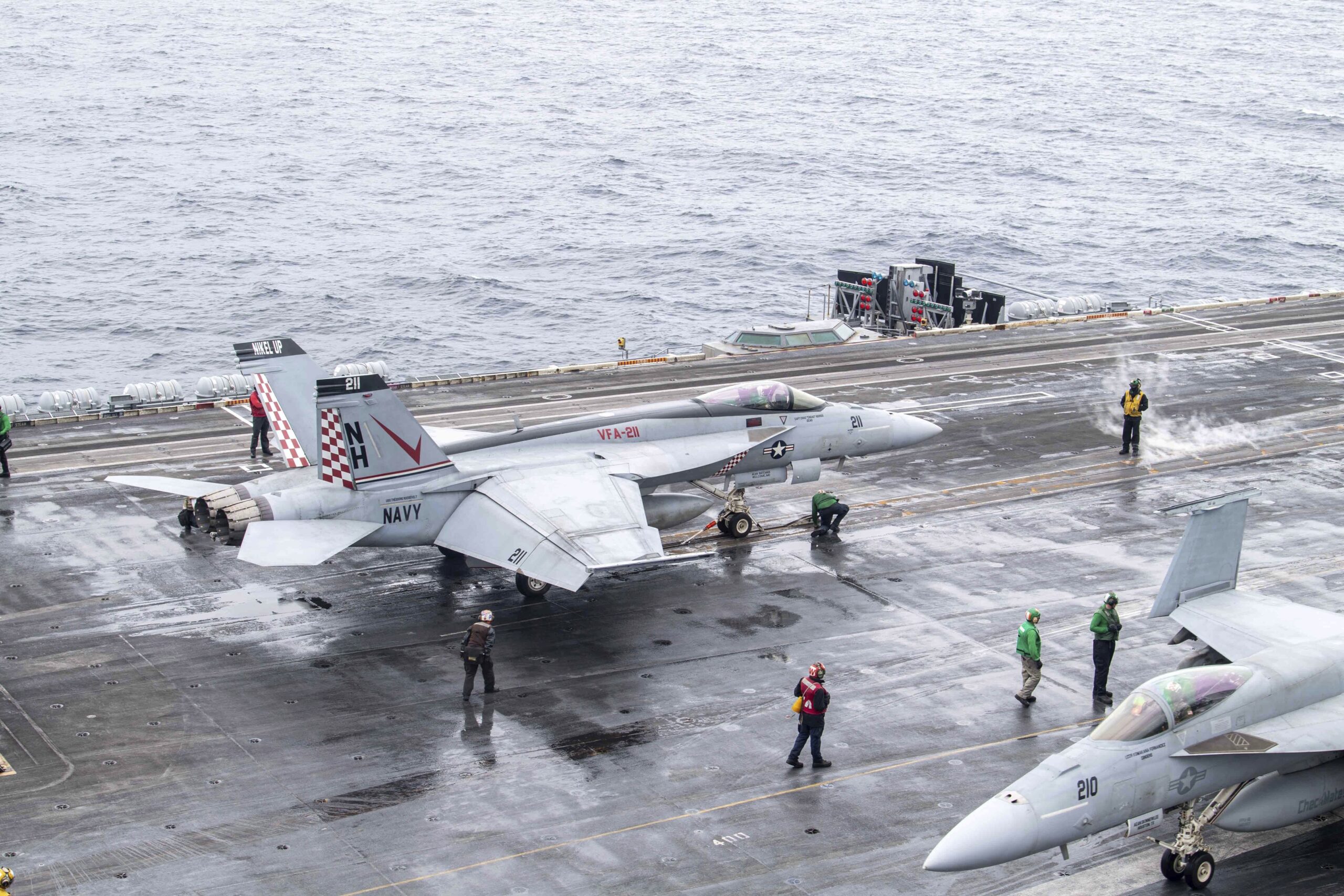
The resignation has sparked strong reactions in Washington, further amplifying the US national security crisis. Lawmakers are calling for investigations and detailed briefings to better understand the circumstances surrounding the decision.
The issue is becoming a central topic in political discussions, with debates focusing on strategy, accountability, and long-term planning.
Public interest is also growing, as citizens seek clarity on how these developments may impact national and global security.
Economic impact and energy market volatility
The US national security crisis is closely linked to developments in global energy markets. Iran’s threat to close the Strait of Hormuz has already begun to influence oil prices and market stability.
The resignation of a top official adds another layer of uncertainty, as it may signal instability within US policy during a critical moment.
Market analysts are closely monitoring the situation, warning that prolonged tensions could lead to sustained volatility.
Global implications and shifting alliances
The US national security crisis is being closely watched around the world. Allies are seeking reassurance about the stability of US leadership, while other global powers may adjust their strategies in response to the evolving situation.
Reports that China is exploring oil deals with Iran add further complexity, highlighting the interconnected nature of global politics and economics.
Historical perspective on leadership resignations
High-level resignations during times of crisis have often signaled turning points in policy. In this case, the fact that a senior counterterrorism official stepped down amid escalating tensions suggests that significant changes could be forthcoming.
Analysts are examining historical parallels to better understand what this moment may represent for future policy decisions.
What comes next
As the US national security crisis continues to unfold, attention is focused on how leadership will respond. The combination of internal disagreement and external pressure presents a complex challenge.
The coming weeks will be critical in determining whether the situation stabilizes or escalates further.
A critical moment for global security
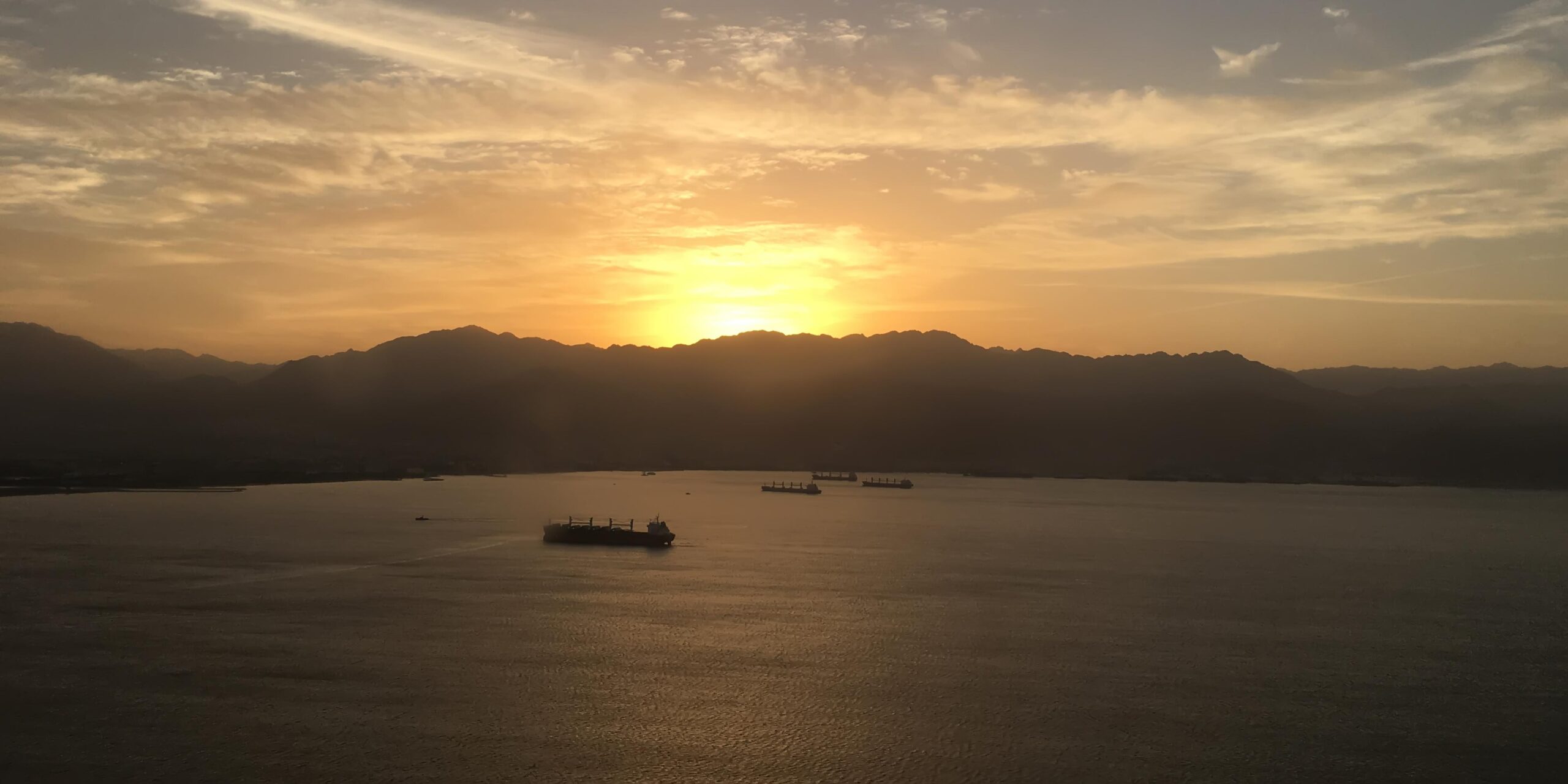
The US national security crisis has reached a pivotal stage, marked by the resignation of a senior official and Iran’s warning about the Strait of Hormuz.
In summary:
- A top counterterrorism official resigned over strategic disagreements
- Iran threatened to close the Strait of Hormuz
- Global energy markets face potential disruption
- Political and strategic uncertainty is increasing
These developments highlight a high-risk moment with far-reaching implications for global security and economic stability.