
NEW YORK, March 4, 2026 — According to Parliament News, that Global investors are approaching markets cautiously as US stock market futures move lower amid rising oil prices and growing geopolitical uncertainty. Futures contracts tied to the major U.S. indexes slipped during overnight trading, signaling that traders are becoming more cautious about the near term outlook for equities.
Futures markets act as an early indicator for how the stock market may open. Movements in US stock market futures provide traders and institutional investors with valuable signals about market sentiment before the regular trading session begins.
The recent pullback in US stock market futures reflects concerns that rising energy costs could push inflation higher again. Investors are increasingly focused on how higher oil prices may affect consumer spending, business investment, and central bank policies.
Market analysts say the US stock market futures trend highlights how sensitive financial markets remain to geopolitical developments and commodity price movements.
Oil Prices Push Inflation Back Into the Spotlight
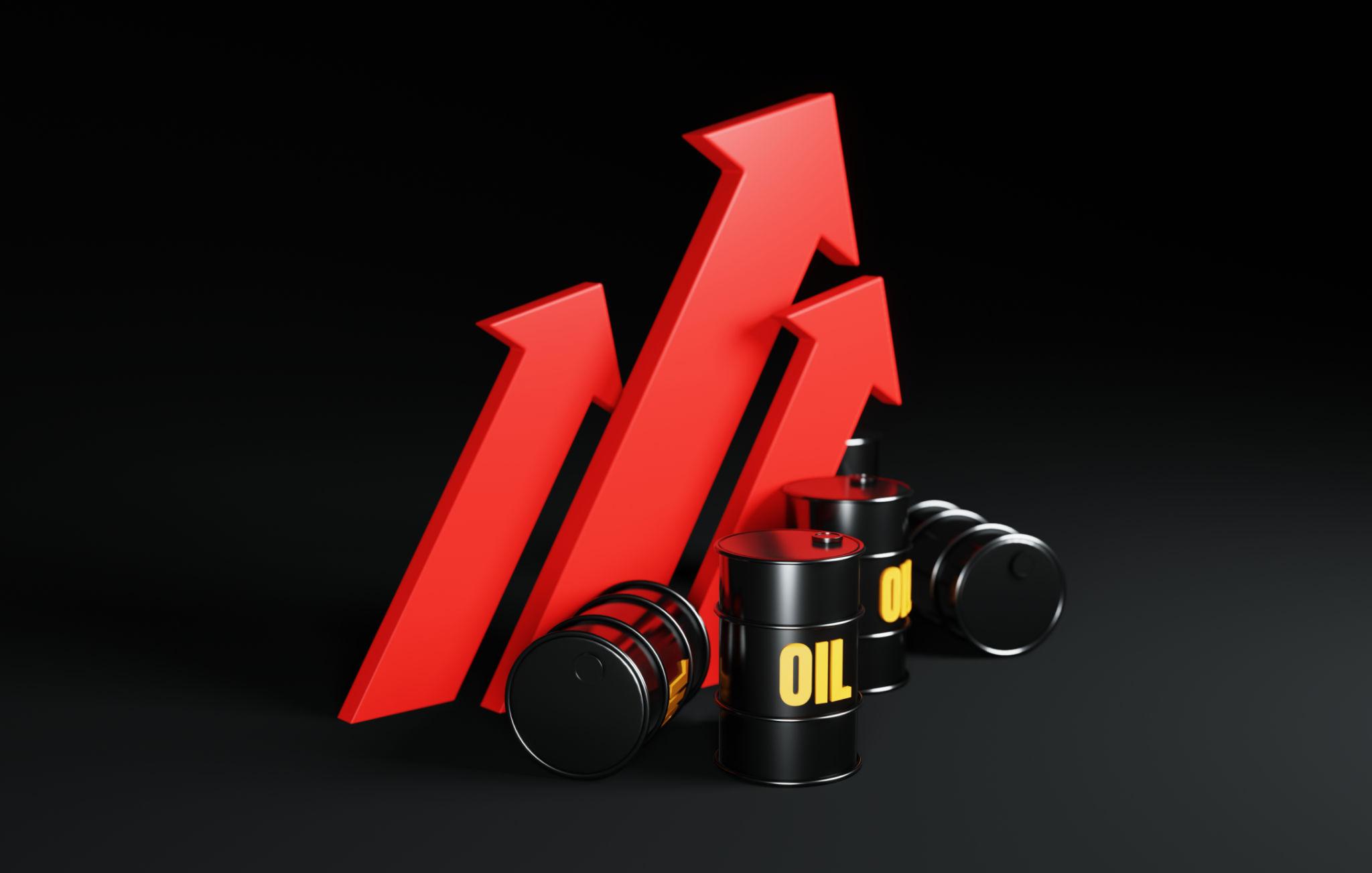
One of the primary drivers of the recent decline in US stock market futures is the surge in oil prices. Energy markets have responded quickly to geopolitical tensions in regions that play a critical role in global oil supply.
Oil prices influence nearly every sector of the global economy. Transportation, manufacturing, and agriculture all rely heavily on energy, meaning that higher oil prices can increase costs across the economic system.
When energy costs rise, businesses often face pressure to raise prices in order to maintain profitability. This dynamic can lead to broader inflation across the economy.
Because of this connection between energy and inflation, traders closely monitor US stock market futures when oil prices rise sharply. Futures markets often react immediately to shifts in investor expectations about inflation and economic growth.
Federal Reserve Policy in Focus
Another key factor influencing US stock market futures is the outlook for U.S. monetary policy. The Federal Reserve has spent the past several years managing inflation while attempting to support economic expansion.
If rising oil prices lead to renewed inflation pressure, policymakers may have to maintain higher interest rates for longer than previously expected. Higher interest rates can slow economic growth by increasing borrowing costs for businesses and consumers.
Investors therefore watch US stock market futures for signals about how markets are interpreting economic data and central bank policy.
Recent statements from Federal Reserve officials suggest that policymakers remain cautious about declaring victory over inflation. This uncertainty has contributed to volatility in financial markets and shifts in US stock market futures.
Geopolitical Tensions Add to Market Volatility
Financial markets often react quickly to geopolitical events, particularly when those events involve regions critical to global energy supply.
The Middle East remains one of the most important oil producing regions in the world. Any disruption to production or transportation routes can immediately influence energy markets.
The latest decline in US stock market futures illustrates how investors respond to geopolitical uncertainty. During periods of rising global tension, traders often reduce risk exposure and move capital into safer assets such as government bonds or gold.
However, geopolitical events rarely determine market trends on their own. Economic growth, corporate earnings, and central bank policy also play significant roles in shaping long term market direction.

Sector Impact Across the Stock Market
Rising oil prices do not affect all sectors equally. Some industries may benefit from higher energy prices, while others may face higher operational costs.
Energy companies often perform well when oil prices increase because their revenues rise alongside commodity prices. As a result, energy stocks sometimes outperform the broader market during periods of rising oil prices.
Technology and consumer focused companies, however, may face greater pressure when inflation rises. Higher interest rates can reduce consumer spending and lower valuations for growth oriented stocks.
These shifting sector expectations are reflected in US stock market futures, which incorporate investor views about multiple industries simultaneously.
Economic Indicators Continue to Shape Expectations
Beyond geopolitical events and energy prices, investors are also closely monitoring key economic indicators that influence financial markets.
Employment data, consumer spending patterns, inflation reports, and manufacturing activity all provide insight into the health of the economy.
Strong economic data can help support stock markets even when geopolitical tensions rise. However, weaker economic indicators combined with rising inflation could create additional challenges for investors.
Because these indicators shape expectations about economic growth, they also influence movements in US stock market futures.

Historical Comparison Provides Perspective
A historical comparison shows that energy price shocks have repeatedly influenced financial markets. During the oil crises of the 1970s, sharp increases in oil prices contributed to widespread inflation and economic slowdown across the United States and many other countries.
More recently, energy price spikes during geopolitical conflicts have triggered temporary volatility in global markets. For example, during several Middle East conflicts over the past two decades, oil prices surged and stock markets experienced short term declines.
In many cases, markets eventually stabilized as supply disruptions eased and economic growth resumed. This historical perspective helps explain why analysts carefully track US stock market futures whenever oil prices rise sharply.
Analysts Urge Investors to Remain Calm
Despite the recent volatility, many market analysts believe that investors should maintain a long term perspective when evaluating market conditions.
One strategist noted that markets often overreact to short term events before returning to fundamentals.
“Financial markets tend to react quickly to geopolitical headlines, but long term performance is still driven by economic growth and corporate earnings.”
This perspective highlights why experienced investors frequently analyze trends in US stock market futures alongside broader economic indicators.
What Investors Are Watching Next
Looking ahead, investors will likely continue focusing on several key developments that could influence financial markets.
Among the most important factors are:
- Future oil price movements
- Developments in geopolitical tensions
- Federal Reserve interest rate decisions
- Corporate earnings performance
- Global economic growth trends
Each of these factors could influence investor sentiment and determine the direction of markets in the coming months.
As global economic conditions evolve, US stock market futures will remain one of the most important indicators used by traders to anticipate market direction.
When Energy Meets Economics
Financial markets often respond to a complex interaction of economic data, geopolitical developments, and investor psychology. While rising energy prices have introduced new uncertainty into the global economy, markets have historically demonstrated resilience over time.
In the coming months, the direction of inflation, economic growth, and geopolitical stability will determine whether markets regain confidence or remain cautious.
For investors seeking to understand market sentiment, US stock market futures continue to provide one of the clearest signals of how global developments are influencing financial expectations.