
The Northern Ireland Protocol is one of the most significant elements of the Brexit deal. It was developed to answer the difficult question of trade and borders between Northern Ireland, the Republic of Ireland, and the rest of the United Kingdom. It can be confusing, but if you want to understand what Brexit is delivering or if it has delivered anything at all, you need to understand the protocol. This guide clarifies what the Northern Ireland Protocol is, why it exists, how it works, and what it means for politics, trading, and everyday life.
What is the Northern Ireland Protocol?
The Northern Ireland Protocol is a deal between the UK and the EU that was created to avoid a hard border between Northern Ireland, which is part of the UK, and the Republic of Ireland.
The protocol does not mean no checks happen at the land border. It allows Northern Ireland to continue to follow some aspects of EU rules relating to goods, but with the requirement that goods entering Northern Ireland from Great Britain (i.e., England, Scotland, and Wales) will be checked before they arrive in Northern Ireland. Essentially, the border checks were moved to the Irish Sea.
Key Features of the Northern Ireland Protocol
1. No Hard Border in Ireland: The first feature is that there are no physical checks or customs posts between Northern Ireland and the Republic of Ireland. There are no impediments to the movement of people or goods across the land border.
2. Trade Checks in the Irish Sea: There will be checks and documentation for some goods traveling from Great Britain to Northern Ireland. The requirement for checks is to ensure that Northern Ireland continues to adhere to the EU protocols for food, agriculture, and manufactured goods.
3. Northern Ireland and EU Protocols: Northern Ireland is part of the UK; it remains bound by the EU protocols on goods. This legal structure allows for virtually unfettered trade with the Republic of Ireland and the EU.
4. European Court of Justice: The European Court of Justice will have a role in court proceedings; if there is a dispute, EU law will continue to apply in Northern Ireland in specific areas.
5. The Role of the Consent of the Northern Ireland Assembly: The Northern Ireland Assembly has the right to vote on whether to continue with the protocol every four years, ensuring that local politicians have a degree of control over its future.
How the Northern Ireland Protocol Affects Trade
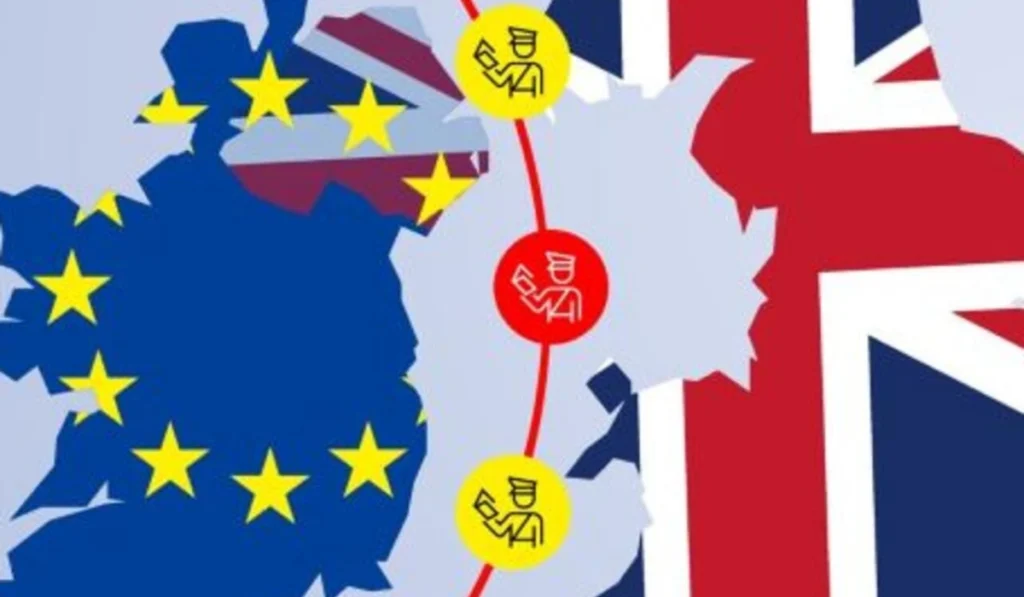
When goods travel from Great Britain to Northern Ireland. There will also be customs checks and paperwork. Therefore, making trade more complicated and, if not more costly, as there are many more customs checks compared to before. The businesses in Northern Ireland benefit from the business with the proximity of the EU single market. They are free to sell to the Republic of Ireland and the EU with reduced barriers.
Supermarkets and farmers/producers have increased costs and continued delays because of the protocol. Some businesses profit from it, benefitting from access to both UK and EU markets.
Political Responses to the Protocol
In the UK
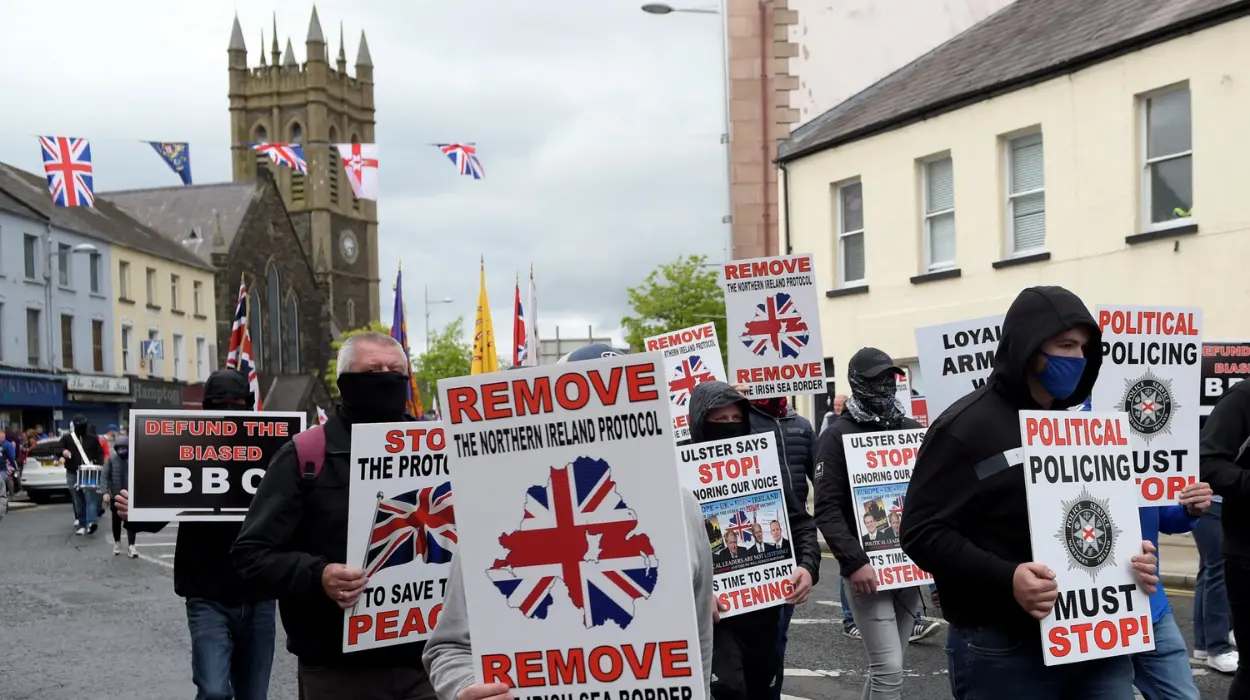
There has been substantial political debate in regard to the protocol. Some constituency portions of Northern Ireland, mainly unionist parties, argue the protocol denigrates their relationship with the rest of the UK. They argue that it diminishes Northern Ireland’s status in the United Kingdom. A different view represents the protocol as a pragmatic intervention for protecting peace and ensuring trade.
In the European Union
The EU continues to endorse the protocol within the context of the single market. Without checks, goods could be introduced into the EU, via Northern Ireland, without the EU regulatory framework.
In the Ireland
The Republic of Ireland strongly supports the protocol as it maintains a no-hard border, helping to keep the peace process alive.
Changes and Updates: The Windsor Framework
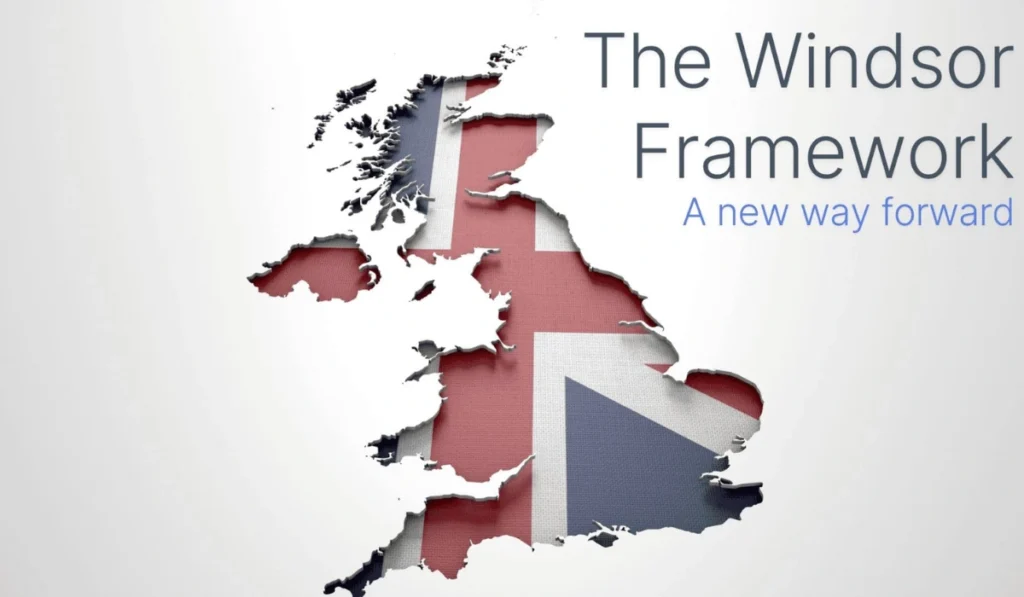
In 2023, an agreement was reached between the UK and the EU on a number of changes, collectively termed the Windsor Framework. The Windsor Framework was intended to improve the original protocol to lessen checking and allow freer trade.
- Green Lane and Red Lane System: Goods that are staying in Northern Ireland are part of a “green lane” with reduced checks. Typically goods that move into the EU are labeled and have full checks in the “red lane”
- Medicines and Parcels: Fixed rules meant that there would be no medicine shortages, and parcel delivery was facilitated.
- More Control for Northern Ireland: Local politicians have more control in how rules are applied.
The Windsor Framework has been described as a compromise to address the most difficult aspects of the protocol.
Why the Northern Ireland Protocol Matters
The Northern Ireland Protocol does not just concern trade rules. It is connected to peace, politics, and identity in Northern Ireland. It is also consequential in how the UK and EU interact after Brexit.
For businesses, the protocol indicates how goods traverse borders. For politicians, questions of sovereignty and union are represented in the protocol. For average people, it can affect food prices, the availability of goods, and community stability.
The Netherlands Protocol is an integral part of the Brexit agreement; it intended to de-escalate a potential hard border between Ireland by putting potentially applicable restrictions to deflect fresh customs and checks in Northern Ireland, with a desire to protect the peace process and allow for trade. While some problems have been resolved by it, others have emerged in trade and in politics.
With the Windsor Framework in play, many of the issues have been eased, but the conversation continues. As a result, it is important for those who are interested in how Brexit operates within the UK and the EU and how it impacts everyday living within Northern Ireland.
The Northern Ireland Protocol adds a degree of complexity to Brexit; it means we are not just leaving the EU; it is about finding the correct balance with the consequences of peace, trade, and politics.
