

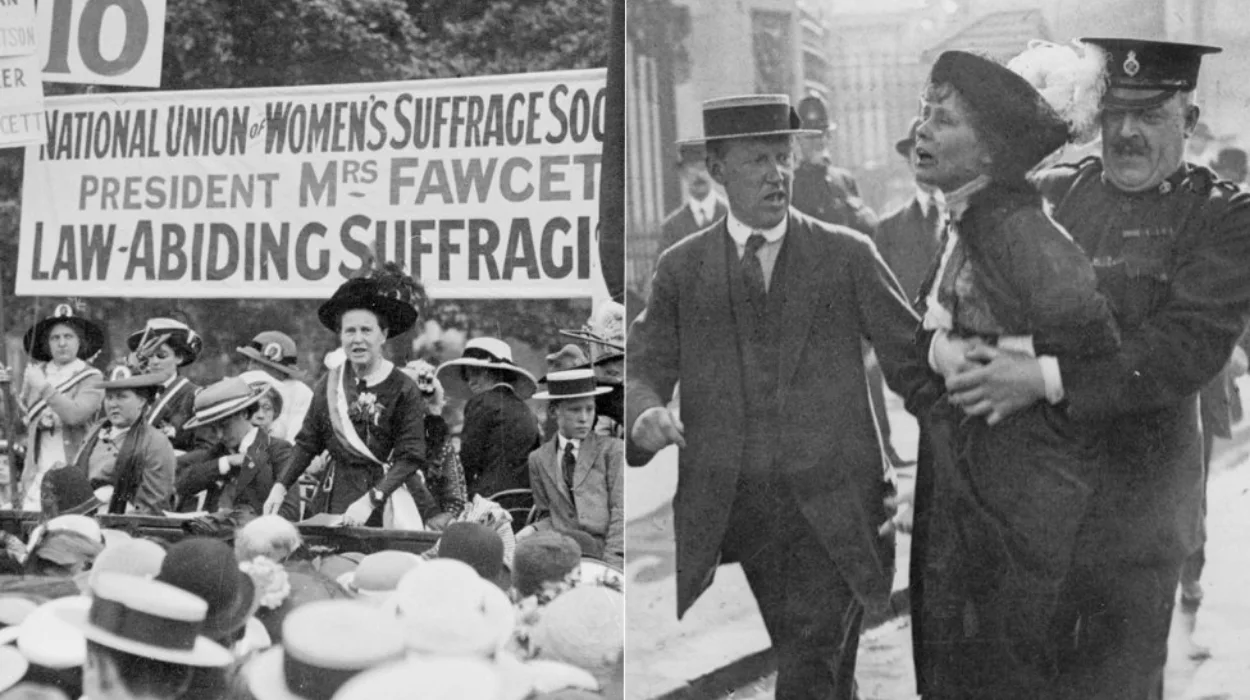
A time when women could not vote. They were unable to choose the leaders and officials who would make the laws that governed them, and during elections their voices were completely absent. This situation existed for women in the UK just over 100 years ago. The struggle to change this situation was led by a group of brave women known as suffragettes, and their story is one of bravery, struggle, and success. So, what did the suffragette movement mean?
What Was the Suffragette Movement?
The suffragette movement was a radical, militant campaign in the UK, and its main goal was to win the right for women to vote in public elections. This right is known as ‘women’s suffrage.’ The word ‘suffrage’ means the right to vote.
It is important to note that not all women fighting for the vote were suffragettes. The term ‘suffragette’ was coined by a newspaper to mock these activists, but they adopted it with pride. They specifically defined themselves as the militant members fighting for women’s suffrage in the Women’s Social and Political Union (WSPU) as distinct from other, non-violent campaigners who were referred to as ‘suffragists.’
The Key Difference: Suffragettes vs. Suffragists
Recognizing this distinction is essential to understanding what the suffragette movement entailed.
- Suffragists: Led by Millicent Fawcett’s National Union of Women’s Suffrage Societies (NUWSS), they advocated peaceful, legalistic, and constitutional procedures. They held meetings, sent letters to politicians, and petitioned. They were patient and believed they could persuade through reason.
- Suffragettes, by contrast, led by Emmeline Pankhurst and her Women’s Social and Political Union (WSPU), became increasingly disillusioned with their lack of progress. Their motto was “Deeds, Not Words!” Only direct confrontation and violent confrontation would get the government to listen to them.
The focus on militancy and more militant principles is what made suffragette a shocking part of history and memorable.
Start of the suffragette movement
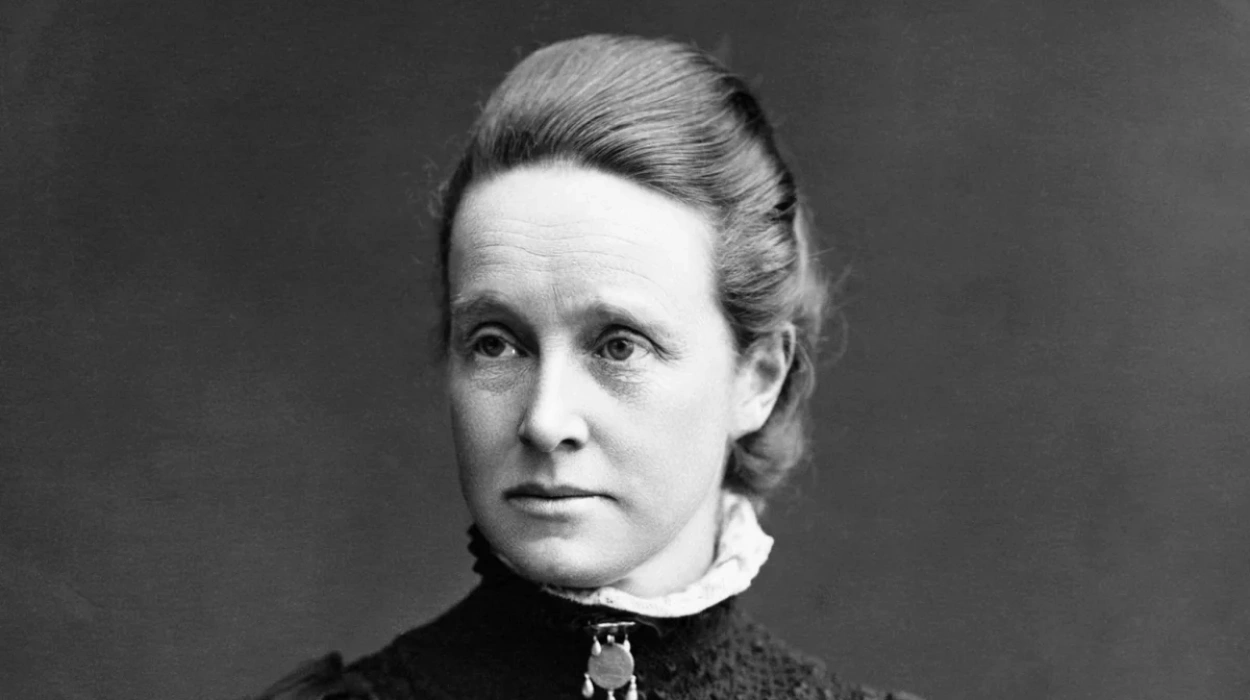
The Pankhurst family is closely associated with the militant campaign for the vote. In 1903, Emmeline Pankhurst and others, frustrated by the lack of progress, decided more direct action was required and founded the Women’s Social and Political Union (WSPU) with the motto ‘Deeds not words’.
Emmeline Pankhurst (1858-1928) became involved in women’s suffrage in 1880. She was a founding member of the WSPU in 1903 and led it until it disbanded in 1918. Under her leadership, the WSPU was a highly organized group, and like other members, she was imprisoned and went on hunger strike protests.
Women only
Membership of the WSPU was limited to women only. Emmeline Pankhurst’s daughters, Christabel, Sylvia, and Adela, were committed members. WPSU members were determined to obtain the right to vote for women by any means and campaigned tirelessly and sometimes violently to achieve this aim. They felt that the impact of peaceful tactics seemed to have been exhausted and a different, more radical approach was needed.
Militant action
Initially the WSPU’s tactics were to cause disruption and some civil disobedience, such as the ‘rush’ on Parliament in October 1908, when it encouraged the public to join them in an attempt to invade the House of Commons. 60,000 people gathered, but the police cordon held fast.
However the lack of Government action led the WSPU to undertake more violent acts, including attacks on property and lawbreaking, which resulted in imprisonment and hunger strikes. These tactics attracted a great deal of attention to the campaign for votes for women.
Legal and constitutional support
Not all those campaigning for women’s right to vote favored militant action. Moderate women’s organizations, such as the National Union of Women’s Suffrage Societies (NUWSS) led by Millicent Fawcett, were instrumental in building up the legal and constitutional support for the enfranchisement of women, but their contributions were often overshadowed by the high-profile actions of the suffragettes.
Deeds Not Words!: The Tactics of the Suffragettes
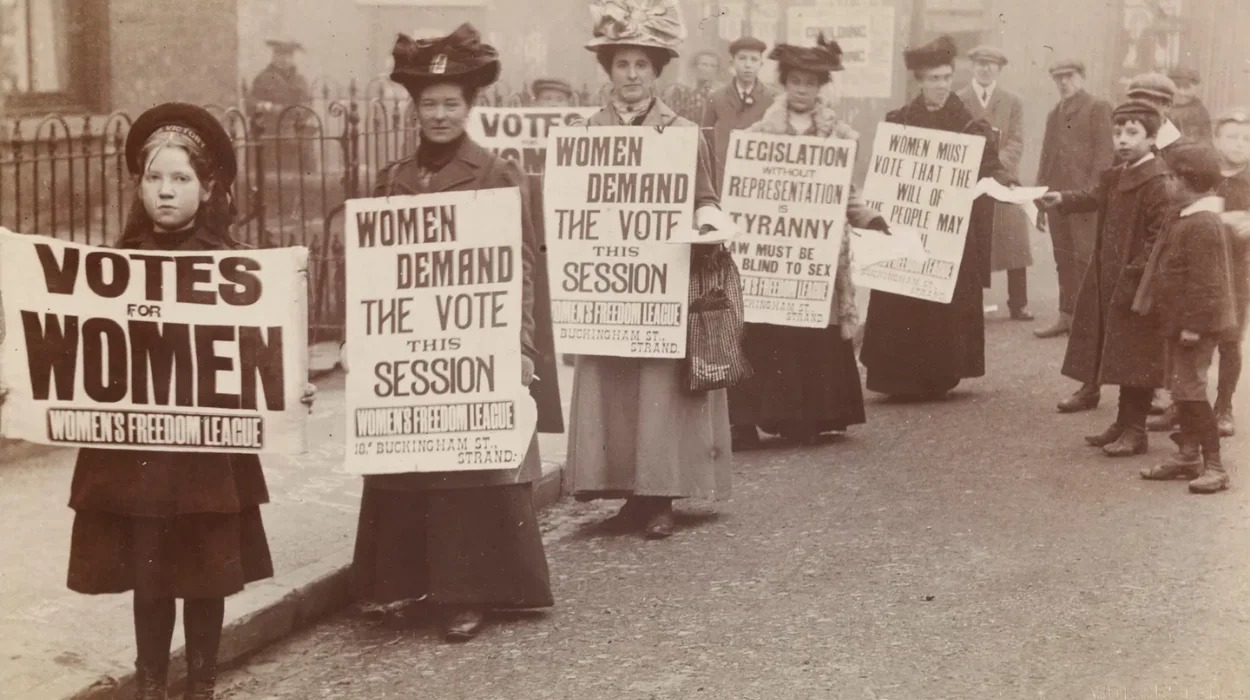
The suffragette movement had always engaged in increasingly grandiose ways of keeping their cause prominent in the public sphere.
Stage 1: Protest and Disruption
This began with heckling politicians, massive marches, and joining themselves to railings outside important buildings. The goal was to be unmissable.
Stage 2: Civil Disobedience and Criminal Damage
With further government inaction, their actions became more severe and included
- Smashed windows of government buildings and department stores.
- Setting fire to empty post boxes and other properties.
- Cutting telephone lines
- Vandalizing golf courses and public parks.
They were targeting property, not people. They were looking to economically harm and disrupt public order.
Stage 3: Hunger Strikes & Brutal Force-Feedings as Protest
When some of the suffragettes were arrested, most would be sentenced to prison. Inside prison, they would refuse food on hunger strikes. They would not eat food in order to demand political prisoner status.
The government responded in a brutal way. The prison authorities would begin to force-feed suffragettes. Along with the body trauma this caused, the process was dangerous. Force-feeding is when a woman is restrained and a food tube is placed down the throat or the nose. The process caused lasting physical and emotional trauma and created a media storm when it was released to the public.
Did the Spanish Suffragette Movement succeed?
The beginning of the First World War in 1914 was a deciding moment. The WSPU decided to stop militant campaigning and support the war effort. Women entered the workforce during a time of war, entering into factory jobs, working on the farm or in hospitals, jobs that had been previously only done by men. Their incredible contribution was irrefutable proof that women were responsible, capable, with a role to perform in society, and, without a doubt, essential citizens. The Representation of the People Act was passed in 1918 by the UK Parliament.
The Lasting Legacy of the Suffragette Movement
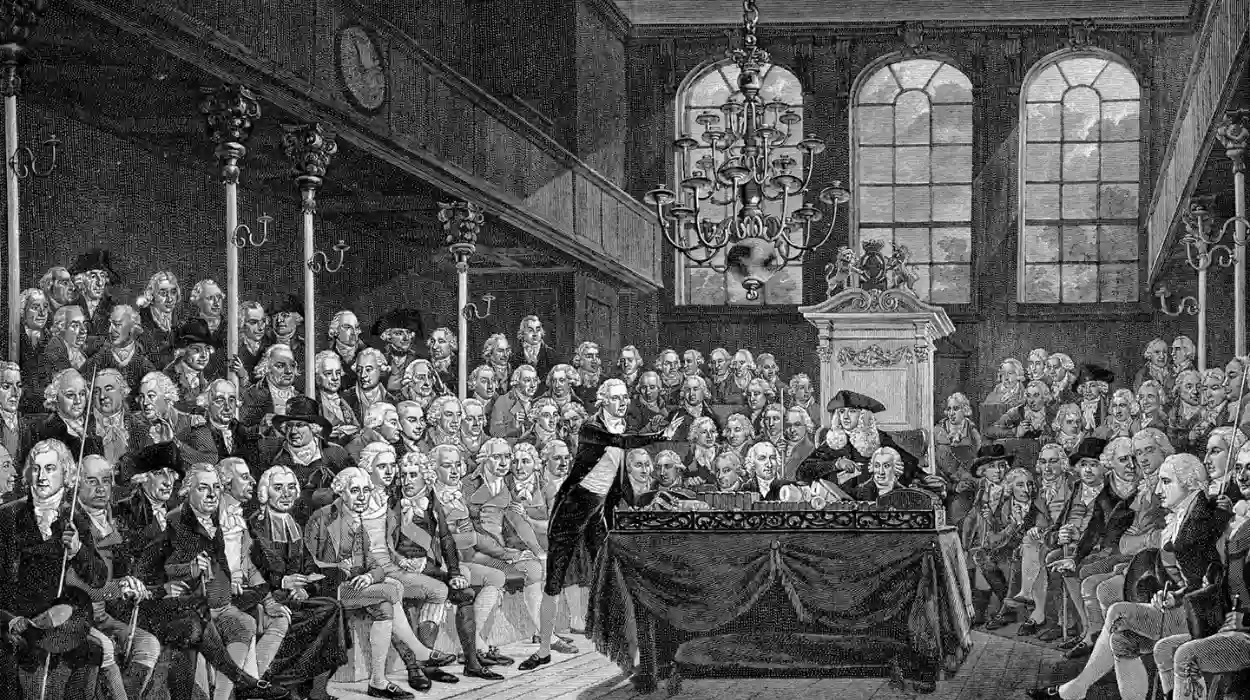
The implications of the suffragette movement were far-reaching, and it had more than just an impact on the vote. It transformed society forever.
- Political Change: The suffragette movement allowed women to vote and to stand for election. The first woman to become a Member of Parliament (MP) was Nancy Astor, who entered Parliament in 1919.
- Social Change: The suffragette movement challenged the Victorian idea of women being confined to the home. The suffragettes demonstrated women could organize, lead, and advocate for themselves.
- A Model for Protest: The suffragettes were the first to develop some of the techniques of modern protests. The use of logos (the famous purple, white, and green color scheme), slogans, and manipulation of the media by the suffragettes continues to be adopted by campaigners today.
Inspiration Worldwide: The suffragette movement inspired women in struggles for suffrage and equal rights all over the world, including in the United States.
