

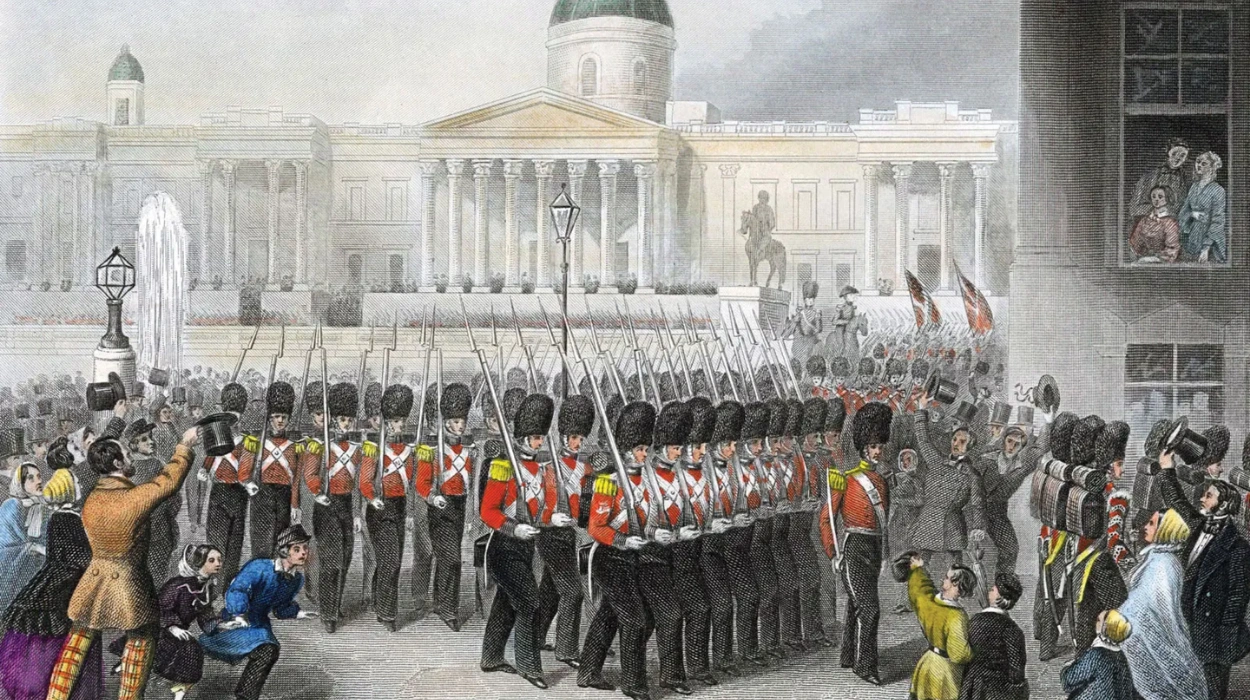
The Crimean War, which took place from 1853 to 1856, seemed like a strange and remote conflict, with a huge alliance fighting Russia in a strange place. Most people remember names like the Charge of the Light Brigade and Florence Nightingale, but most people forget the reasons they were fighting and the reasons for the subsequent slaughter.
Why did Britain join the Crimean War?
Britain was not drawn into the conflict because of one event. It was a combination of fear, pride, and the notion of protecting its vast world empire that collectively tilted the country toward war. Hopefully, after reading this, the reader will appreciate how this war was a pivotal event in world history.
What Was the War Even About?
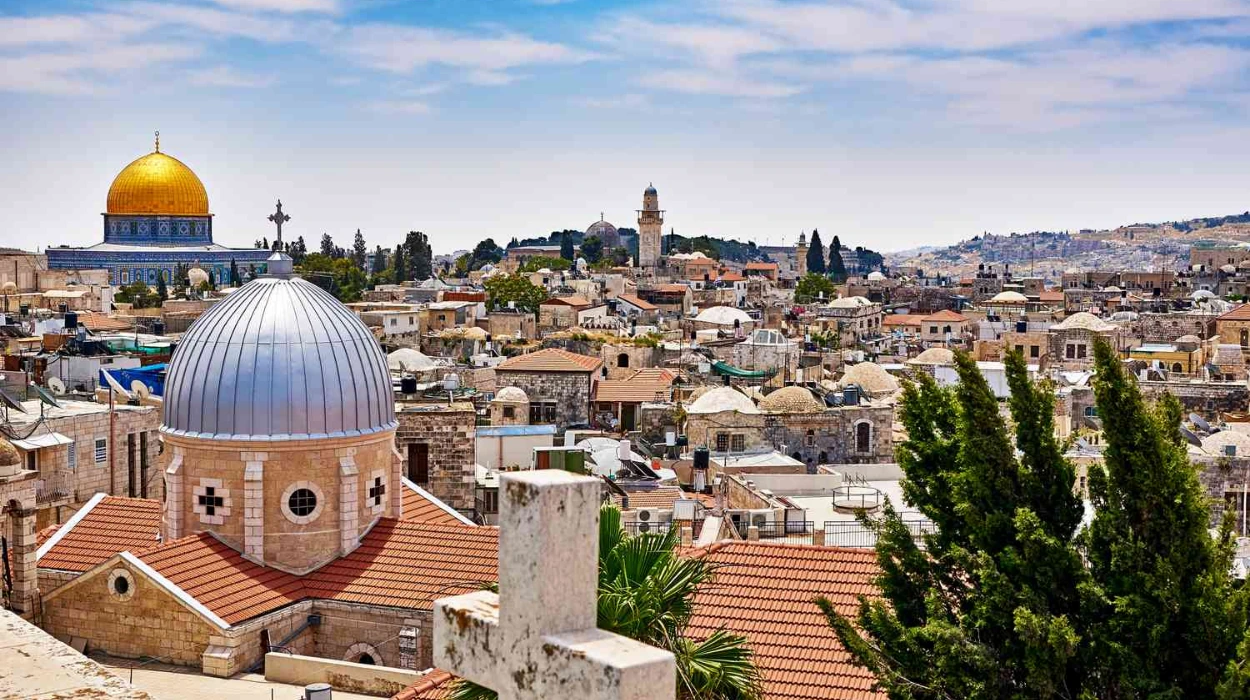
To answer the question of Britain’s involvement, it is also important to understand the spark that started the fire. The Crimean War was a dispute between Russia and the Ottoman Empire (then based in modern Turkey) over holy places in Jerusalem. This was the surface of the issue, but much more lurked underneath, which had to do with the slow decay of the Ottoman Empire, which was nicknamed “The Sick Man of Europe.”
Russia viewed this weakness as a great opportunity. It aimed to expand territory and gain power but primarily control of the Dardanelles and Bosporus straits. These narrow bodies of water were links from the Black Sea to the Mediterranean Sea. For Russia, this meant its navy would have free access to the warm waters of the Mediterranean.
Other European powers, especially Britain, found this prospect horrifying.
The Real Reasons Britain Joined the Fight
Britain’s decision to declare war on Russia in 1854 was motivated by a number of deep fears and aspirations. It was not a question of religion or some minor border dispute. It was about global power.
1. Protecting the Route to India, the Jewel in the Crown
In the 1850s, India was the most valuable asset in the British Empire, the source of both incredible wealth and a great deal of national pride. The quickest way to get to India from Britain was by sea, across the Mediterranean Sea and then the Suez Canal.
The Suez Canal did not exist yet! Before it was built, ships went around the southern tip of Africa, a long and annoying journey. There was an overland route that went through Ottoman territory.
If Russia was in control of the Ottoman Empire, plus its waterways, they could easily block Britain’s vital route to India. The British could be threatened at the heart of their empire. This was the biggest reason the British were in the Crimean War. They cannot allow Russia in the first place.
2. The Stability of Europe: The Balance of Power
For hundreds of years, British foreign policy had one major aim: to prevent a single country from becoming too powerful in Europe. A dominant country could threaten Britain’s security and hold over the empire.
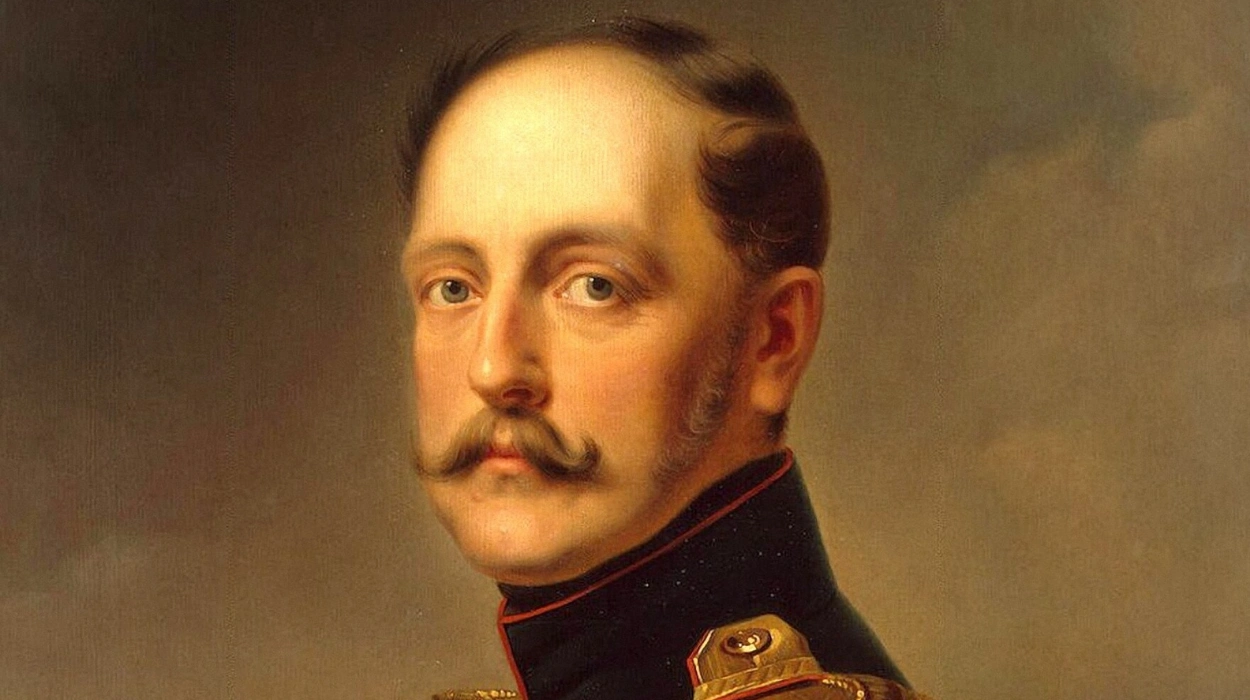
A massive, expanding Russia was seen as precisely the threat. Tsar Nicholas I of Russia was perceived as aggressive and ambitious. If he beat the Ottomans, Russia would be the most powerful nation in Europe and upset the sensitive “balance of power.” Britain felt it had to act to stop this. Britain viewed the need for a war to contain Russia as better now, when it would be against a god-heavy Russian force.
3. Public Opinion and Politics: The Pressure to Act
It was not only the government that made the cold, calculated decisions. The British public and press heavily influenced the situation.
Stories of suffering under the Ottoman Empire and stories of aggression from the Russian Empire were disseminated in the media. Politicians, such as the hawkish Lord Palmerston, gave impassioned speeches about standing up to a bully. The public had a strong sense that Britain, as a great moral power, had a responsibility to protect the weaker nation (the Ottomans) from the aggressive nation (the Russians).
This public opinion created considerable pressure on the government that made it very difficult, though some within the government may have concerns, to resist the call to war.
Britain’s Experience in the Crimean War
Britain’s experience was characterized by incredible courage in the face of shockingly incompetent failure.
The Famous Battles and the Blunders
British troops fought bravely and with distinction in famous battles such as the Battle of Alma, the Battle of Balaclava, and the Siege of Sevastopol. It was at Balaklava that the infamous Charge of the Light Brigade took place. A confused order led to the charge of around 670 cavalrymen up a valley between Russian artillery. The cavalry was fired upon from three sides. It was a heroic mistake that was completely disastrous. Hundreds of lives were lost, and it became an epithet for the incompetence of the army leadership.
The Terrible Conditions and a New Heroine
The biggest killer in the Crimean War was not Russian bullets. It was a disease. Cholera, typhus, and dysentery went wild through the British camps. The medical service was completely disorganized and overwhelmed. Soldiers were dying by the thousands from illness and infected wounds, mostly in neglect.
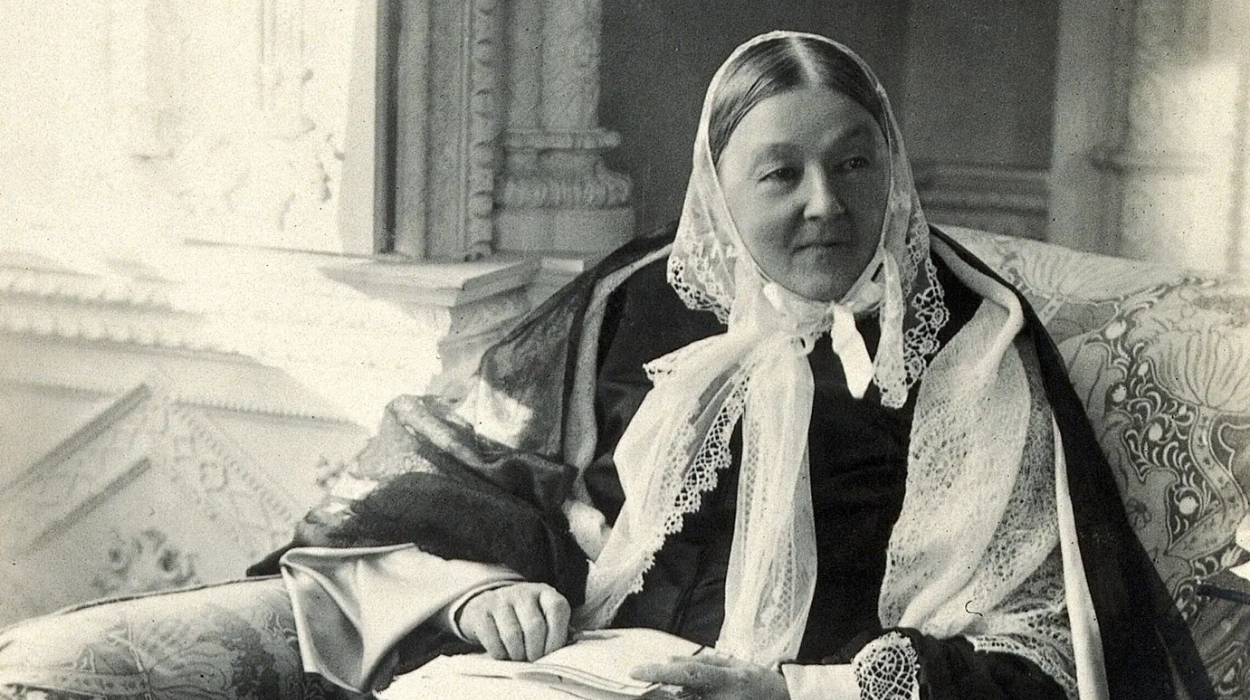
This is where Florence Nightingale came into the story. She arrived in Crimea with her team of nurses and was appalled at what she found. She demanded stringent cleaning, washing, and proper care. Furthermore, she substantially reduced the death rate from disease substantially. She was dubbed the ‘Lady with the Lamp,’ and her work laid the foundations of modern nursing.
The Aftermath: A Changed Nation
In the end the war was a British, French, and Ottoman victory. The Treaty of Paris settled the Crimean conflict in 1856. Russia was pushed back, with some limitations placed on its Black Sea Fleet.
The real outcome for Britain was at home. The telegraph allowed reporters for the first time to send news from the front lines back to newspapers. The public could see for themselves the truth about the incompetency of the army and the suffering of the soldiers.
