

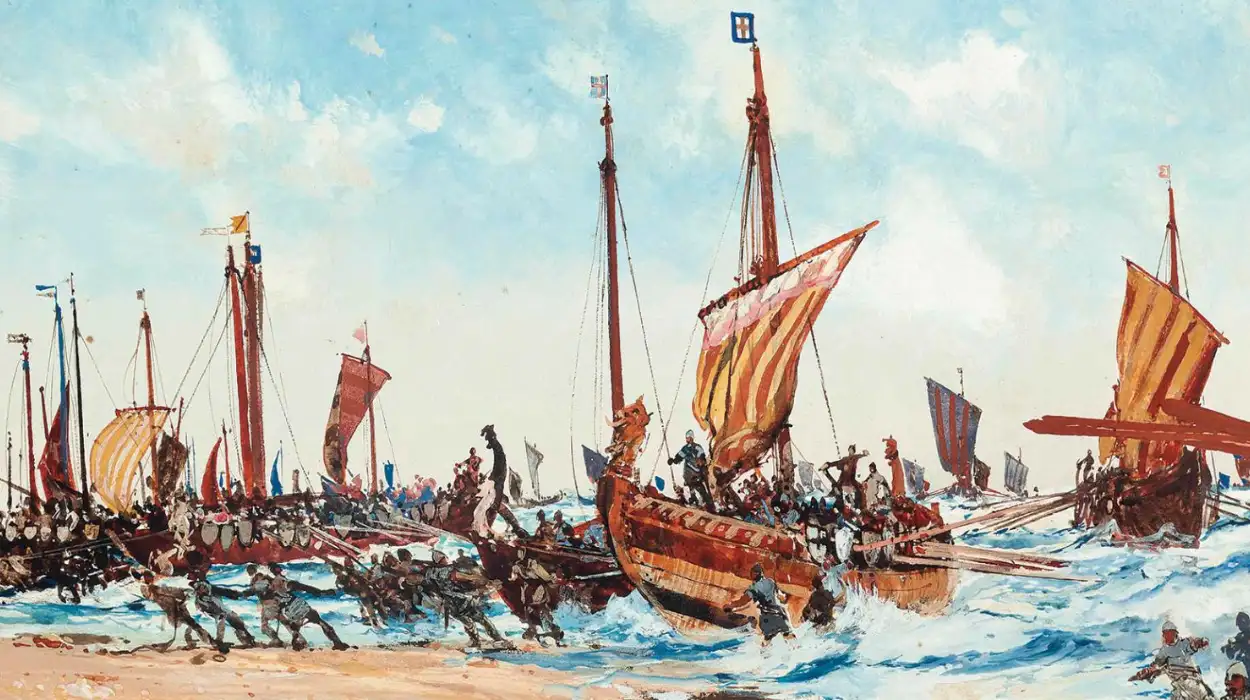
The Normans remain well known for their many remarkable conquests throughout Europe, most notably in England after their success defeating King Harold in the Battle of Hastings in 1066. The Normans did not conquer Scotland in the way they conquered England. There is no doubt the influence of the Normans in Scottish politics, society, and culture was far-reaching.
The Rise of the Normans in Europe
The Normans began as Viking settlers in northern France. The Normans quickly adopted French culture, language, and Christianity, and in a short period became powerful political rulers within Normandy. Due to their military powers and ambiguous ambitions, the Normans quickly began to expand beyond Normandy.
The Norman Conquest of England
In 1066, William the Conqueror defeated King Harold in the decisive Battle of Hastings and established Norman rule in England. This conquest changed English politics, laws, and society forever. It is hardly that the Normans turned their attention north towards Scotland.
Scotland before the Normans
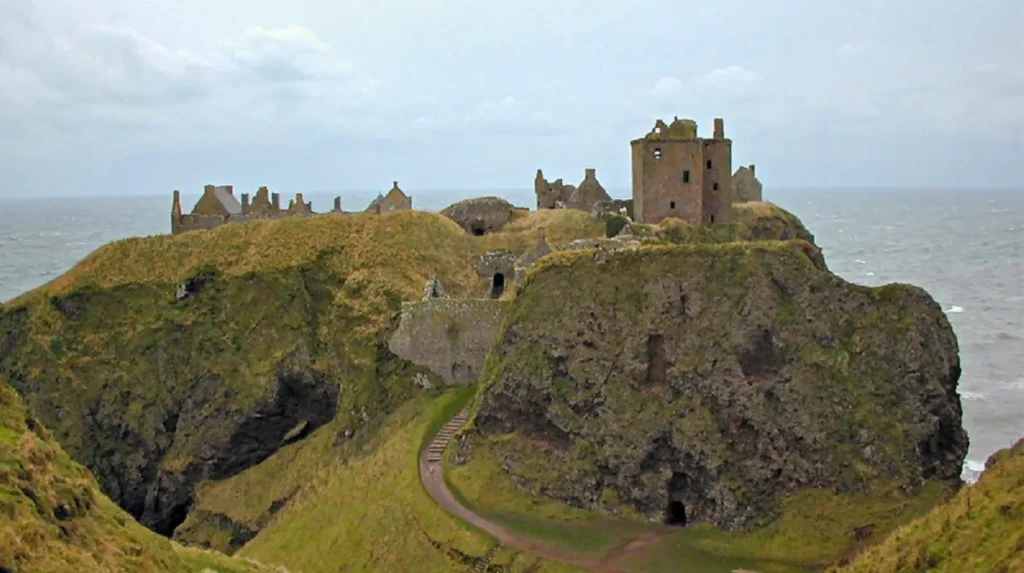
Scotland as an independent kingdom was united under King Malcolm III (Máel Coluim mac Donnchada) in the 11th century. As Scotland was not united in the same way as England, it contained numerous regions where their own regional traditions were intact, with regional Gaelic customs dominating Scotland’s political life.
Scotland frequently interacted with England not only through alliances or wars but also marriages. After the Norman conquests of England, Scotland had to decide whether it would resist the burgeoning power of the Normans.
Did the Normans conquer Scotland?
The answer is no. The Normans never conquered Scotland in the way they did England, with a full military invasion. The Normans influenced Scotland in more ways than warfare, diplomacy, intermarriage, and permanent settlement.
Royal Marriages and Ties
When King Malcolm III married Margaret of Wessex (a woman with important ties to the Anglo-Saxon royal family), their children were raised with English and Norman influences. Scottish kings invited Anglo-Norman knights of Wales to settle in Scotland when they offered them lordships with titles over existing land.
Knights and Nobility
Scottish kings invited Anglo-Norman knights to help fortify the kingdom. Families like Bruce, Stewart, and Comyn were invited to establish a dynasty in Scotland with land and power. These dynasties would take a significant role in Scottish history, especially during the Wars of Independence.
Castles and Architecture
The Normans introduced stone castles and Romanesque architecture to Scotland. The motte-and-bailey castles signified raw power and territorial control, reshaping the Scottish landscape and way of life.
Norman Legacy in Scotland
The descendants of the Norman colonists become some of the most important players in Scottish history. Among the Bruce family was Robert the Bruce, one of Scotland’s most famed heroes, who defeated England at the Battle of Bannockburn in 1314. The Stewart family, who next ruled Scotland and soon after England.
Scottish castles were also designed and built with Norman aspects. The development of burghs (towns) was also possible due to Norman settlement and the expansion of the trade of goods.
The feudal law, towns of charters, and knighthood were based on Normans. As Scotland maintained its cultural distinctness, it accepted administrative and legal reform that provided Scotland with a stronger foundation as a medieval kingdom.
Scotland’s Resistance to Norman Domination
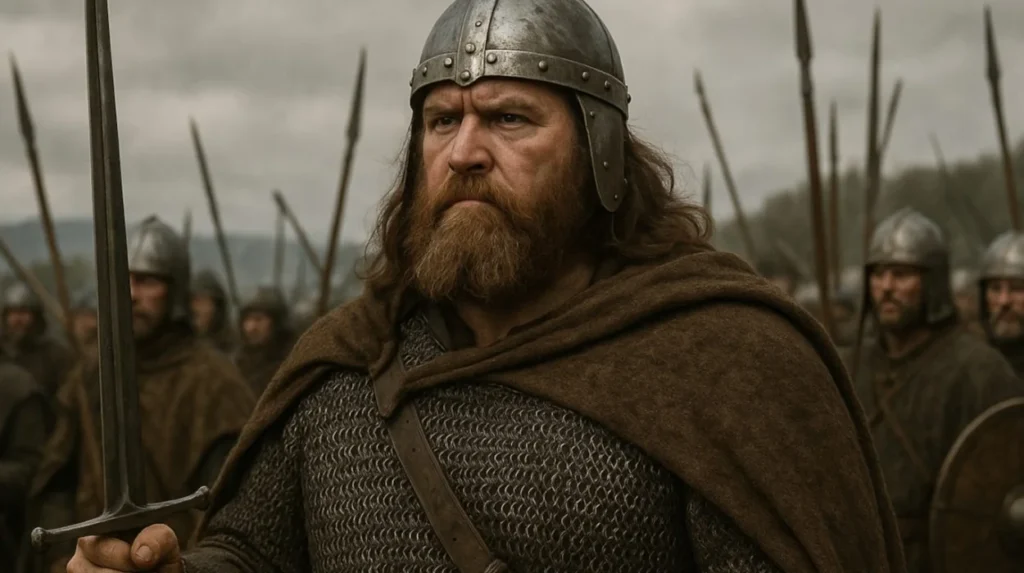
The Normans took over England; they were never able to take over Scotland. The Scottish kings defended their independence. There were many battles along the Anglo-Scottish border, but each side was only partly successful.
When William the Lion reigned in the 12th century, Scotland faced the efforts of the English to control the country, supported by Norman nobles. Scotland was able to preserve independence, but after submitting to English rule for a short period.
Did the Normans Conquer Scotland Militarily?
The historical record is clear; they did not take Scotland by military action. The Normans never achieved total control of Scotland, as they did in England under William the Conqueror. The lack of control was in no part due to the resistance of Scottish kings. Scottish kings accepted part of the Norman culture and assimilated with Scottish culture. Scotland maintained its independence from the Normans.
Making a Comparison
In England, the Normans totally replaced the Anglo-Saxon elite with Norman lords. In Scotland, the Gaelic tradition continued as Norman lords began to flourish. Scotland benefitted from maintaining the type of dualistic control highlighted by other regions of France and England.
Scotland’s identity as a place that had shown the Normans and the English that it would never be totally conquered became a very important part of the identity of Scotland as a country that had maintained independence, along with a strong culture, from both Norman and English control for centuries.
Why the Normans Could Not Conquer Scotland
- Geography: The geography of Scotland naturally limited any form of large-scale invasion into the region.
- Strong Kings: Scottish kings like Malcolm III and David I managed Norman influence relatively well without the perception of losing sovereignty.
- Strategic Alliances: Marriages and treaties related to Normans gave Scots the ability to adopt Norman culture; they did not force the Scots to give up their own sense of independence.
- Military Resistance: Scotland’s warriors defended Scotland’s borders from the Normans, which restricted their ability to expand.
Scotland and the Normans
Did the Normans conquer Scotland? No, but Norman influence and culture changed Scotland forever. Scotland did not experience a form of conquest; Scotland experienced an influence of Norman culture through the methods of settlement, marriage, and other corresponding reforms.
It is important to note Norman families inherited power, castles changed the landscape, and new forms of governance and accountability were introduced. All of this occurred as Scotland remained an independent entity and lost none of their identity, aside from some of the useful ideas they adopted from Norman culture.
Scotland and the Normans illustrate how rich culture can carry strong influence as military conquest. Scotland was never conquered, but Scotland was transformed, and a foundation of medieval and modern Scotland began to take shape.
