

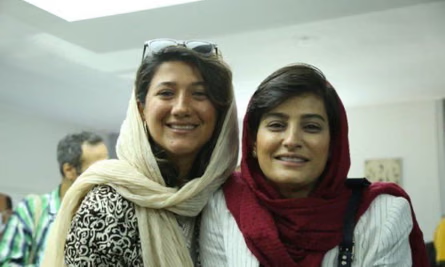
Iran — January 2026 — Parliament News Highlights that Iran has once again become the focus of international and domestic debate over press access, regulation, and digital information control. At the heart of the discussion are Iran media restrictions, a subject that has shaped the country’s press environment for decades but has gained renewed urgency amid rapid technological change and heightened geopolitical tension. What was once primarily a domestic regulatory issue is now increasingly viewed as part of a global conversation about information flow, sovereignty, and the limits of state authority in the digital age.
The renewed scrutiny comes as Iranian media organizations face challenges related to online access, international hosting services, and the ability to reach audiences beyond national borders. These developments have sparked discussion not only among journalists and policymakers but also among ordinary citizens whose media consumption habits continue to evolve.
Historical Foundations of Media Oversight in Iran
Media regulation in Iran has deep historical roots. Following the 1979 Islamic Revolution, the press was reorganized to align with the new political and ideological framework of the state. Laws governing publication, licensing, and editorial responsibility were introduced to ensure that media output reflected national values and security priorities. Over time, these laws became institutionalized, forming the backbone of Iran’s contemporary media system.
Throughout the decades, Iran media restrictions have fluctuated in intensity. Periods of relative openness, often associated with reform-minded political leadership, have alternated with phases of tighter control. Each shift left a lasting impact on journalistic norms, newsroom culture, and public expectations. While some outlets adapted to changing conditions, others struggled to survive under evolving regulatory pressures.
The Digital Transformation of Iran’s Media Landscape
The rise of the internet fundamentally altered how information is produced and consumed in Iran. Online news websites, social media platforms, and messaging applications expanded access to information beyond traditional newspapers and broadcasters. This transformation reduced the state’s ability to manage narratives through conventional means alone.
In response, Iran media restrictions evolved to include digital oversight. Authorities introduced regulations affecting online publishing, data hosting, and platform compliance. These measures were framed as necessary adaptations to new technologies, but critics argued they extended control into previously open digital spaces. The tension between innovation and regulation continues to define Iran’s media environment.
English-Language Media and Global Communication
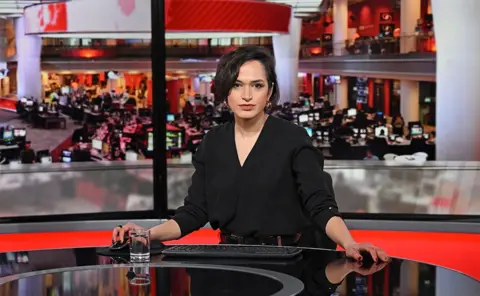
English-language news platforms occupy a unique position within Iran’s media ecosystem. These outlets serve as bridges between Iranian perspectives and international audiences, providing direct access to official viewpoints on regional politics, sanctions, and diplomacy. Their global reach makes them strategically important for public diplomacy.
Debates over Iran media restrictions frequently center on these platforms, particularly when access or distribution is disrupted. Supporters argue that limitations on English-language outlets reduce Iran’s ability to present its narrative abroad, while critics contend that such restrictions reflect broader constraints on media freedom. The issue highlights the complex intersection of national policy and global communication.
Government Rationale Behind Media Regulation
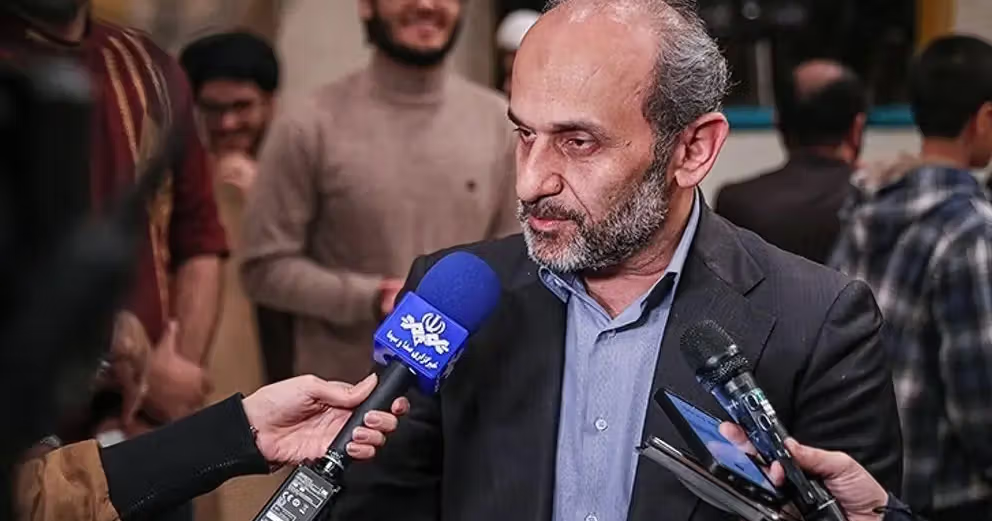
Iranian officials consistently emphasize that media oversight is a sovereign right exercised by governments worldwide. They argue that regulation protects social cohesion, cultural identity, and national security. From this perspective, Iran media restrictions are portrayed as governance mechanisms rather than acts of censorship.
Officials often point to media regulations in other countries as evidence that Iran is not unique in managing press activity. They maintain that international criticism frequently overlooks the security challenges Iran faces, including sanctions, regional conflicts, and information warfare. This framing resonates domestically but remains contested internationally.
International Criticism and Press Freedom Concerns
International press freedom organizations have long expressed concern about media conditions in Iran. Reports frequently cite restrictions on independent reporting, legal risks for journalists, and limited access to information. These critiques are often linked to broader assessments of civil liberties and political participation.
The global focus on Iran media restrictions intensified as digital platforms became central to news distribution. International observers argue that restricting access to online media undermines transparency and reduces the diversity of viewpoints available to audiences both inside and outside Iran.
Journalists Working Within Regulatory Boundaries
Journalists in Iran operate within clearly defined legal frameworks that shape editorial decisions and professional conduct. Many reporters adapt by focusing on approved topics such as culture, economics, or social issues, while avoiding politically sensitive subjects. Others rely heavily on official sources to minimize legal risk.
The ongoing debate over Iran media restrictions has prompted renewed reflection within journalistic circles about professional ethics and resilience. Some journalists view adaptation as a necessary survival strategy, while others see it as a constraint on meaningful reporting. These internal discussions rarely surface publicly but influence newsroom culture.
Public Media Consumption and Changing Habits
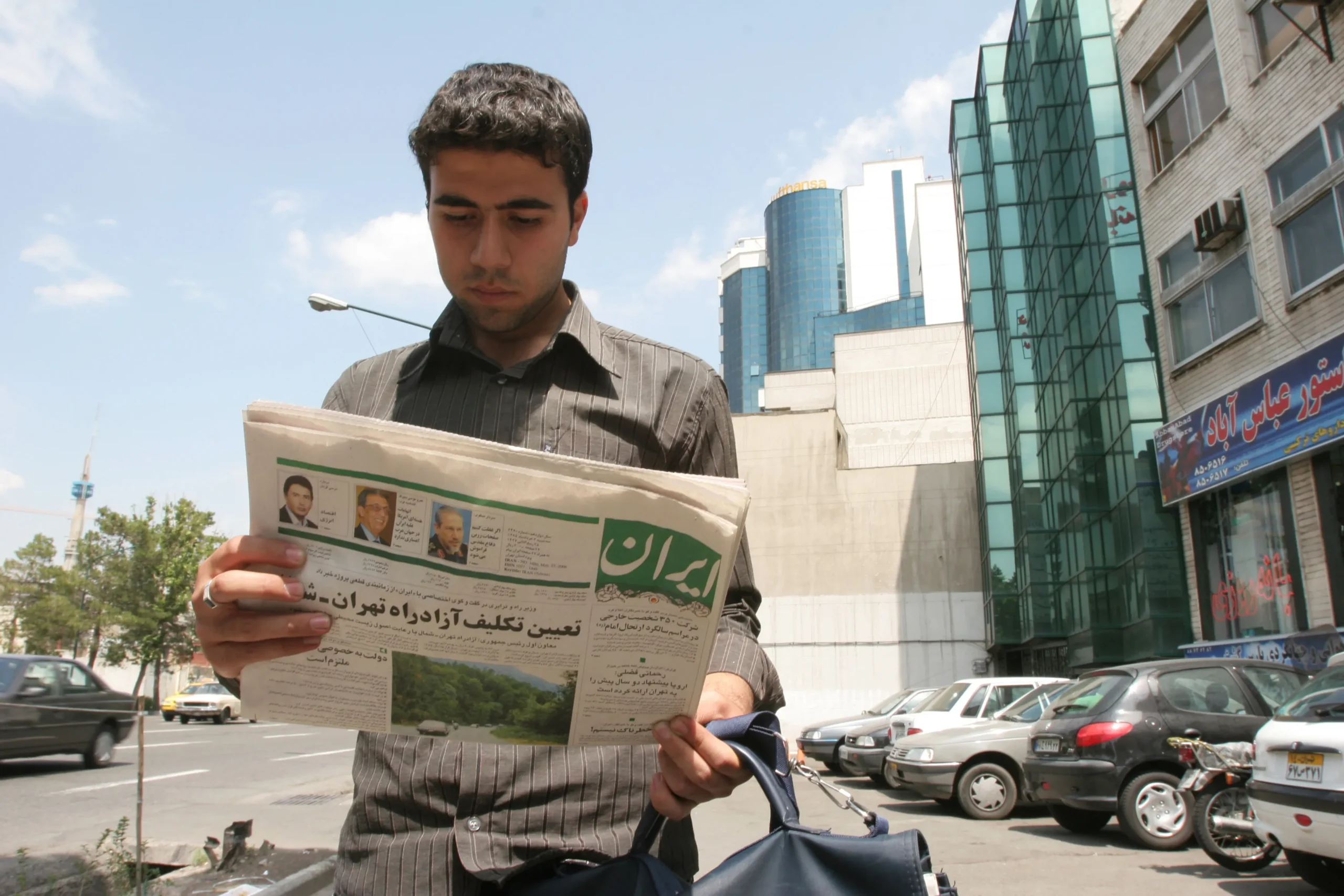
Iranian audiences consume news through a wide range of sources, including state-aligned outlets, satellite television, and online platforms. Younger generations, in particular, demonstrate high digital literacy, often switching between multiple channels to verify information.
This shift challenges traditional regulatory approaches. As information pathways multiply, Iran media restrictions face practical limitations in controlling content. Analysts note that attempts to restrict access often lead audiences to seek alternative sources, highlighting the adaptive nature of media consumption.
Sanctions, Technology, and External Constraints
International sanctions play a significant role in shaping Iran’s media environment. Many global technology companies operate under legal obligations that affect their ability to provide services to Iranian organizations. Hosting, software access, and payment systems can be disrupted due to compliance requirements.
As a result, Iran media restrictions are influenced not only by domestic policy but also by external legal and corporate decisions. This dynamic complicates accountability, as disruptions are sometimes attributed to foreign regulations rather than internal choices.
Regional Comparisons and Media Models
Across the Middle East, media systems vary widely in structure and freedom. Some countries maintain strict state control, while others allow limited pluralism under regulatory oversight. Iran is frequently compared with regional peers, both by officials defending national policy and by critics highlighting restrictions.
These comparisons shape international perceptions of Iran media restrictions, placing them within a broader regional context rather than viewing them in isolation. The diversity of media models across the region underscores the absence of a single standard for press regulation.
Technology Challenges Traditional Control Mechanisms
Digital technology continues to undermine traditional methods of information control. Content can be mirrored, archived, and shared across decentralized networks, often beyond the reach of national authorities. Efforts to restrict access frequently result in workarounds that dilute the effectiveness of regulation.
In this environment, Iran media restrictions face the challenge of maintaining relevance without eroding public trust. Analysts argue that credibility, rather than enforcement alone, has become a critical factor in media governance.
A Single Voice From the Media Community
One Tehran-based media analyst said,
“The real challenge today is not stopping information, but earning trust when audiences have endless choices.”
This observation captures a central tension in the debate over media regulation, reflecting how authority has shifted in the digital age.
Economic Implications for Media Organizations
Media outlets are also economic entities that depend on advertising, subscriptions, and audience engagement. Regulatory uncertainty complicates long-term planning and investment. Smaller outlets, in particular, face financial vulnerability when access or distribution is disrupted.
The discussion around Iran media restrictions therefore extends beyond politics into questions of sustainability and employment within the media sector. Journalists, editors, and technical staff all feel the impact of shifting policies.
Youth, Media, and Generational Change
Young Iranians are not only consumers of news but also active creators of digital content. Social media, podcasts, and independent platforms allow new voices to emerge outside traditional structures. This generational shift challenges established norms and expectations.
As youth participation grows, Iran media restrictions are increasingly tested by social realities that prioritize speed, interaction, and openness. Policymakers face the task of addressing these changes without alienating a significant portion of the population.
Diplomatic and Image Considerations
Media policy plays a role in shaping Iran’s international image. Reports of restricted platforms or limited access often intersect with broader diplomatic narratives. These perceptions influence public diplomacy, cultural exchange, and international cooperation.
For Iran, managing Iran media restrictions is therefore not only a domestic governance issue but also a component of foreign relations strategy. How the country balances regulation with openness affects how it is perceived abroad.
Long-Term Policy Challenges Ahead
Looking forward, analysts suggest that sustainable media governance requires adaptability and dialogue. Balancing national interests with public trust remains a complex task, particularly in an era of rapid technological change.
The continued focus on Iran media restrictions reflects broader questions about sovereignty, technology, and freedom of expression. Decisions made in the coming years are likely to shape Iran’s media landscape well beyond 2026.
A Defining Moment for Iran’s Media Future
As Iran navigates the evolving information environment of the twenty-first century, media policy has emerged as a defining issue. The convergence of digital transformation, public expectation, and international scrutiny has placed Iran media restrictions under unprecedented focus. Whether this moment leads to reform, recalibration, or further consolidation remains uncertain. What is clear is that the debate over media access and regulation will continue to play a central role in Iran’s political, social, and international trajectory.