


Syria — January 2026 According to parliament news. that Syrian military operations are entering a decisive phase across northern Syria, as security authorities recalibrate their strategy toward containment, intelligence coordination, and long-term stability rather than large-scale battlefield confrontation. The shift reflects how the conflict has evolved after years of intense fighting, moving into a quieter but no less consequential stage that will shape governance, civilian life, and regional dynamics for years to come.
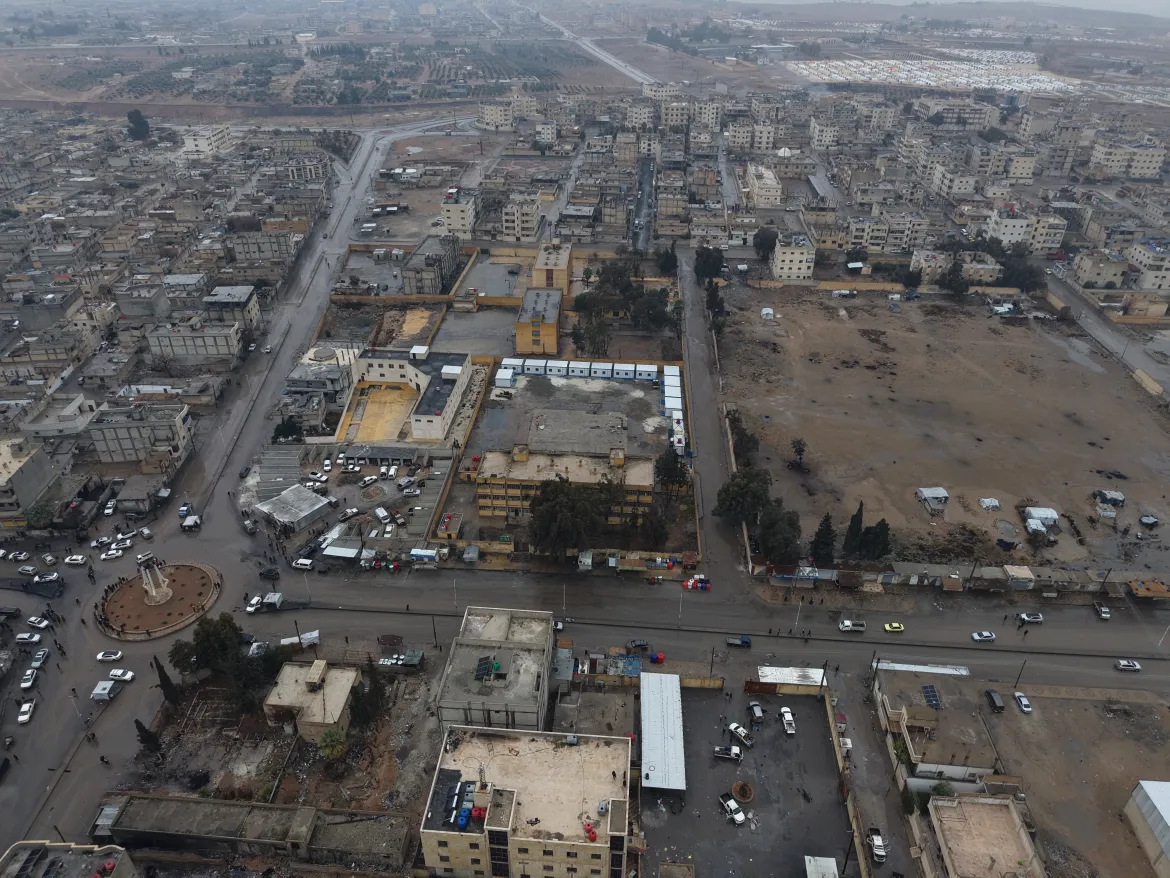
Military patrols, checkpoints, and reinforced positions now form the backbone of security across Raqqa and surrounding areas. While heavy clashes have largely subsided, the visible presence of armed forces signals that stability remains conditional and closely managed.
From Open Warfare to Controlled Stability
The current phase marks a significant departure from earlier stages of the war, when Syrian cities were consumed by sustained combat and rapidly shifting frontlines. Today, Syrian military operations emphasize deterrence and prevention rather than territorial expansion. The focus has shifted from reclaiming land to maintaining control, denying space to hostile actors, and preventing instability from re-emerging.
This transition has been shaped by years of experience and exhaustion. Military planners now operate under the assumption that decisive victories are less relevant than sustained order, particularly in regions that have already endured extensive destruction.
Raqqa’s Strategic Importance After the Battles
Raqqa remains a focal point of national security strategy due to its symbolic weight and geographic position. Once the epicenter of devastating conflict, the city now represents the challenge of post-conflict stabilization in a deeply scarred environment.
Control over Raqqa is not only about security but also about signaling authority. The ability to maintain order without resorting to overwhelming force has become a test of whether Syrian military operations can support normalization rather than perpetuate cycles of tension.
Intelligence Takes Center Stage
A defining characteristic of the current phase is the central role of intelligence. Surveillance networks, local informants, and targeted monitoring have replaced mass troop deployments as the primary tools of security enforcement.
Rather than responding to attacks after they occur, Syrian military operations now prioritize anticipation and disruption. Threats are addressed quietly and selectively, often without public visibility. This approach reduces civilian harm but also makes the conflict harder to observe and assess from the outside.

Persistent Extremist Risks
Despite territorial defeat, extremist networks have not disappeared. Cells linked to Islamic State continue to operate at low intensity, exploiting gaps in governance and geography.
These networks rely on secrecy rather than scale, making them difficult to eliminate entirely. Their continued presence explains why Syrian military operations remain active even in areas that appear outwardly calm.
Civilian Life Under Managed Security
For residents of Raqqa, daily life has entered a phase of cautious normalcy. Markets function, schools remain open, and transportation operates, yet security checks and patrols are constant reminders that peace remains fragile.
Many civilians express relief that widespread fighting has ended, while also acknowledging the strain of prolonged vigilance. The success of Syrian military operations increasingly depends on whether they can provide security without undermining economic recovery or social cohesion.
Economic Recovery and Security Interdependence
Economic revival in northern Syria remains closely tied to stability. Agriculture, small trade, and transport routes require predictability to function effectively. Even minor security disruptions can ripple through fragile supply chains.
Economists note that Syrian military operations are now judged not only by their effectiveness in preventing violence but also by their impact on livelihoods. Stability without economic opportunity risks entrenching frustration rather than resolving it.
Coordination With Local Actors
Local security structures continue to play an important role alongside central forces. These groups often possess deep knowledge of their communities but require careful integration to avoid fragmentation or competing authority.
Effective coordination strengthens Syrian military operations, while poor oversight risks recreating the conditions that fueled instability in earlier years.

Regional and Diplomatic Implications
Developments in Raqqa are closely monitored by neighboring countries and international stakeholders. Stability in northern Syria affects border security, migration patterns, and regional power balances.
Diplomatic engagement with Damascus is often shaped by perceptions of security management. The conduct of Syrian military operations therefore carries implications far beyond the immediate area.
Legal and Humanitarian Scrutiny
Human rights organizations continue to emphasize the importance of proportionality and civilian protection. Authorities maintain that current operations prioritize restraint and legal compliance.
Balancing security needs with humanitarian considerations remains a defining challenge. Any failure risks international criticism and domestic discontent.
Information Control and Public Narrative
Access to conflict-affected areas remains limited, shaping how developments are communicated. Official statements frame security measures as steps toward normalization, while independent verification remains difficult.
Managing perception has become an integral component of Syrian military operations, influencing how stability is understood both inside and outside the country.
Social Adaptation After Prolonged Conflict
Years of instability have reshaped social behavior. Communities have adapted to uncertainty, incorporating security routines into everyday life.
This adaptation has created resilience but also lowered expectations. Civilians often prioritize predictability over rapid change, a factor that shapes how military presence is perceived.
Infrastructure and Reconstruction Challenges
Physical reconstruction remains slow. Damaged roads, unreliable electricity, and strained water systems continue to limit economic momentum.
Security enables reconstruction, but reconstruction also reduces security risks. Syrian military operations therefore exist within a cycle where progress in one area depends on progress in the other.
Youth and Long-Term Stability
Young people face limited opportunities and deep uncertainty. Many have grown up knowing only conflict-affected conditions.
Analysts warn that without meaningful economic prospects, security gains may prove temporary. Long-term stability will depend on whether younger generations can envision a future beyond survival.
Governance Without Resolution
The current phase reflects governance through security rather than political settlement. Authority is maintained, but underlying grievances remain unresolved.
This approach may prevent immediate instability, but it risks entrenching divisions if not paired with broader reconciliation efforts.
Lessons From Earlier Phases
Earlier stages of the conflict demonstrated the costs of force-heavy strategies. Civilian suffering and infrastructure destruction shaped later policy shifts.
The current emphasis on intelligence, restraint, and containment reflects those lessons, suggesting a conscious effort to avoid repeating past mistakes.
A Quiet Phase With High Stakes
Periods of calm can be misleading. Without visible violence, deeper tensions may persist until triggered by economic shocks or political developments.
The decisions made during this quieter phase of Syrian military operations are likely to shape Syria’s trajectory for years to come.
A Single Perspective on the Moment
One regional security analyst summarized the current phase by saying,
“This stage is less about winning territory and more about preventing the return of chaos, which requires patience rather than overwhelming force.”
Long-Term Implications Beyond 2026
As Syria moves through 2026, questions about governance, reconstruction, and reconciliation remain unresolved. Security management alone cannot address structural challenges.
The direction of Syrian military operations will remain a key indicator of whether the country is moving toward sustainable stability or prolonged managed uncertainty.
A Conflict Transformed but Not Ended
Although the nature of the war has changed, its consequences remain deeply embedded in Syrian society. The absence of major battles does not mean the conflict is over.
Syrian military operations today reflect a conflict transformed rather than concluded, shaped by endurance, restraint, and the complex realities of post-war recovery.
Final Assessment
Raqqa stands at a crossroads. Continued restraint and coordination could enable gradual normalization, while miscalculations could reopen old wounds.
In April 2026, northern Syria remains suspended between recovery and risk, with Syrian military operations serving as both a stabilizing force and a reminder that lasting peace has yet to be secured.