Dubai, February 6, 2026, — According to Parliament News, that The entry of Huawei electric vehicles into the Middle East marks a notable shift in how global technology firms are approaching the automotive sector. Backed by strategic partnerships and regional demand for next-generation mobility, the move reflects broader changes underway in the global electric vehicle landscape.
The Middle East has become an increasingly attractive destination for electric vehicle manufacturers as governments pursue sustainability goals, invest in charging infrastructure, and encourage innovation-driven economic diversification. Against this backdrop, Huawei’s automotive ambitions are drawing attention from policymakers, investors, and industry competitors alike.
Strategic Partnership Signals Regional Intent
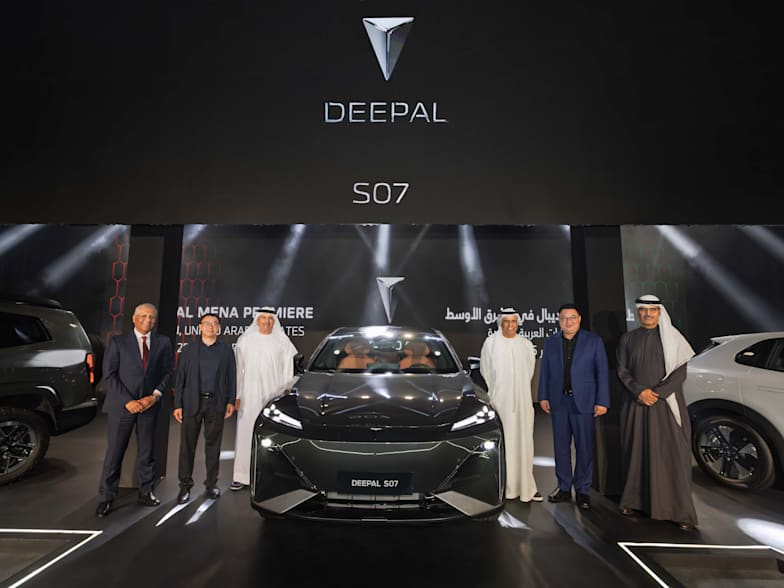
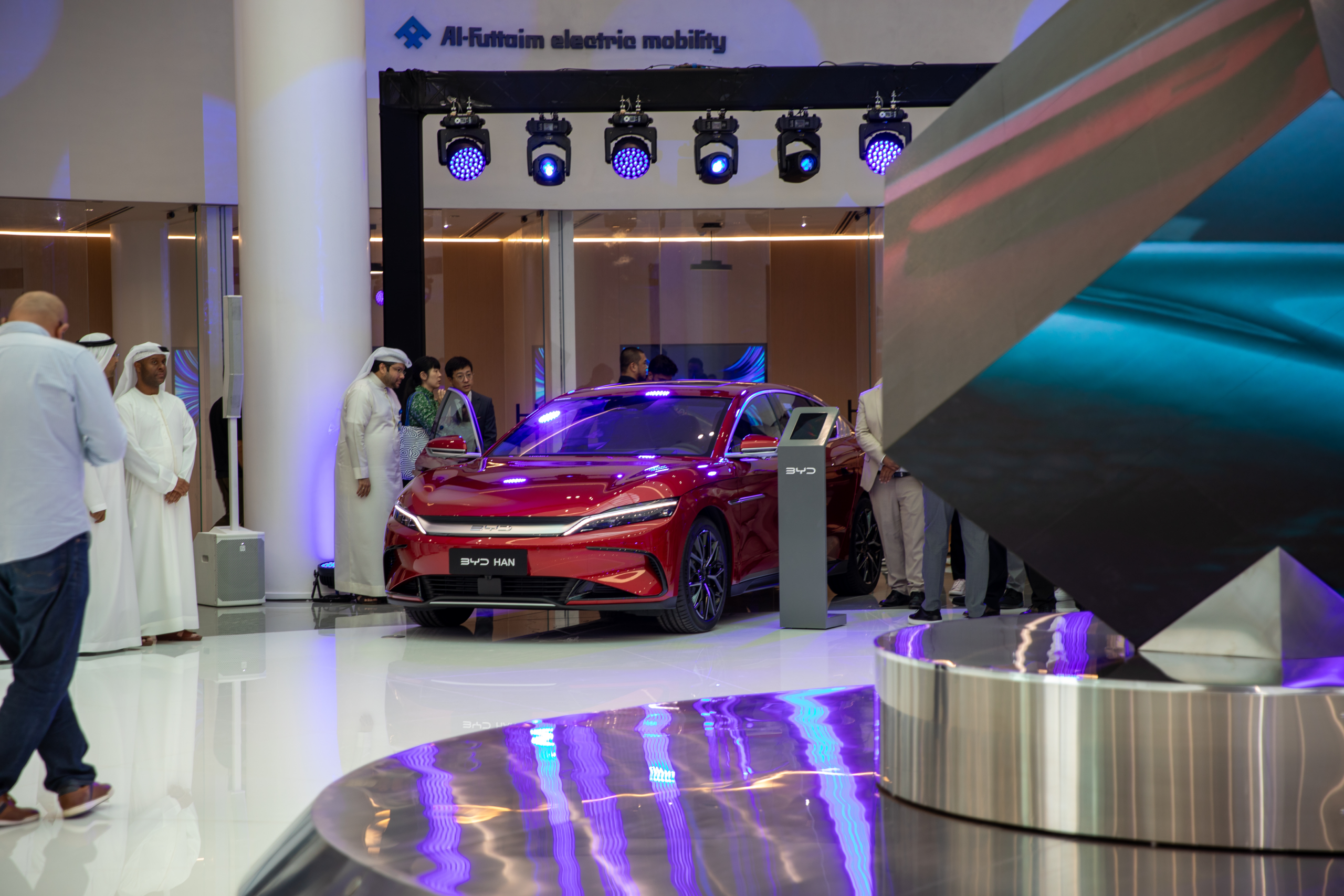
Huawei-backed automotive brand Aito has partnered with a major UAE dealer in a move widely seen as a calculated step rather than a rapid expansion. By working with an established local distributor, the company gains immediate access to regulatory expertise, consumer insights, and after-sales infrastructure that would otherwise take years to build.
For Huawei electric vehicles, the partnership reduces market-entry risk while allowing the brand to adapt its offerings to regional conditions such as climate, road use patterns, and consumer expectations. Analysts describe the approach as conservative but effective, particularly in a market where reputation and service reliability are critical.
Middle East EV Market Gains Global Attention
Electric vehicle adoption across the Middle East has accelerated in recent years. High disposable incomes, fuel diversification strategies, and government-led sustainability initiatives have created favorable conditions for EV manufacturers seeking growth beyond traditional markets.
The arrival of Huawei electric vehicles comes as competition intensifies among global automakers eager to secure early positioning. Industry observers note that while the region’s overall EV penetration remains lower than in Europe or China, growth rates are among the fastest worldwide.
Technology at the Core of the Automotive Strategy
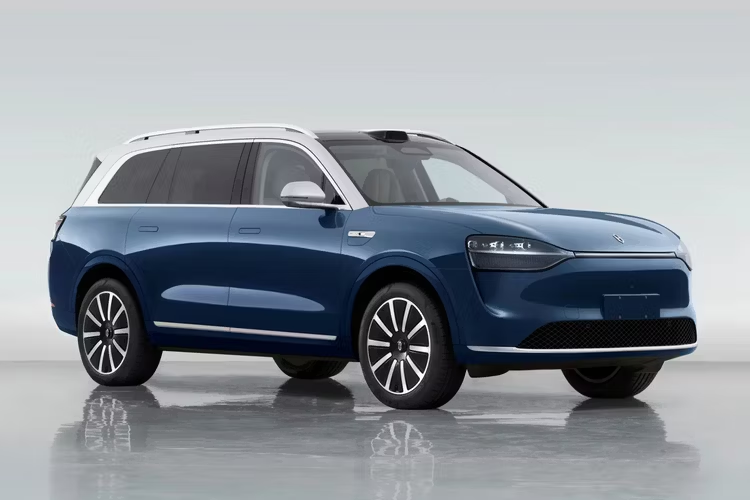
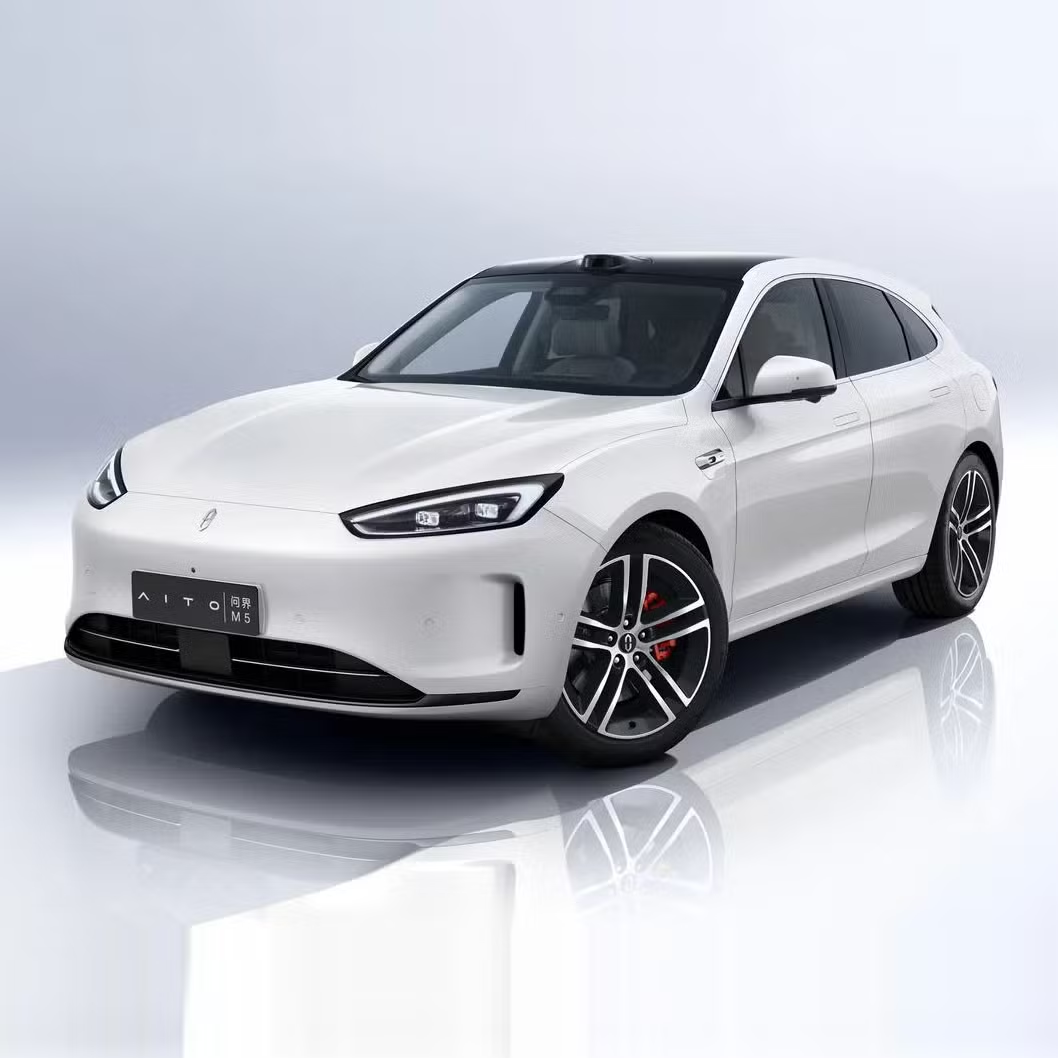
Huawei’s automotive approach emphasizes software integration, intelligent systems, and connectivity. Vehicles developed under the Aito brand incorporate advanced driver assistance, smart cockpit interfaces, and seamless integration with digital ecosystems.
This focus on intelligent mobility distinguishes Huawei electric vehicles from more traditional automakers, particularly among consumers drawn to innovation-led products. Market analysts believe this technological positioning could resonate strongly in Gulf markets that value cutting-edge solutions.
Competitive Pressures Shape Market Dynamics
The Middle East electric vehicle segment is becoming increasingly crowded. Established European brands, American manufacturers, and newer Asian entrants are all competing for visibility and market share.
Within this environment, Huawei electric vehicles face the dual challenge of brand recognition and differentiation. While Huawei’s technology credentials are widely recognized, translating that reputation into automotive trust remains a central hurdle.
Consumer Expectations in a Premium Market
Middle Eastern car buyers typically place strong emphasis on build quality, reliability, and customer service. Expectations for premium brands extend beyond the product itself to include showroom experience, maintenance support, and long-term resale value.
To meet these standards, partners involved in deploying Huawei electric vehicles are investing in service infrastructure and staff training. Building confidence among early adopters is viewed as essential to sustained growth.
Regulatory Environment Encourages EV Adoption
Regional governments have introduced incentives designed to accelerate the transition to electric mobility. These include reduced import duties, preferential parking policies, and expanding public charging networks.
Such measures support the rollout of Huawei electric vehicles, creating an ecosystem conducive to long-term adoption. Policymakers see EV expansion as aligned with broader climate targets and economic modernization strategies.
Industry Reaction Reflects Cautious Optimism
Automotive analysts describe Huawei’s regional entry as strategically sound but execution-dependent. Success will hinge on consistent quality, effective localization, and the ability to respond to evolving consumer preferences.
For Huawei electric vehicles, the Middle East represents both opportunity and test case, offering insights that could shape future international expansions.
A Single Industry Voice on the Shift
One regional auto market analyst summed up the development by saying,
“This move shows how technology companies are no longer testing the automotive space but committing to it, especially in markets where innovation is rewarded.”
The remark reflects growing recognition of Huawei electric vehicles as part of a larger transformation in mobility.
Supply Chain and Operational Considerations
Operating in the Middle East requires careful planning around logistics, parts availability, and technical support. Extreme temperatures and long-distance travel patterns place unique demands on vehicle performance and durability.
Executives involved in the rollout say Huawei electric vehicles are being adapted to regional operating conditions, with localized testing and service planning forming a core part of the strategy.
Brand Building Beyond the Product
Brand trust remains a decisive factor in automotive purchasing decisions. Unlike consumer electronics, vehicles represent long-term investments with safety implications.
For Huawei electric vehicles, establishing credibility will depend on consistent customer experience, transparent communication, and visible commitment to the market beyond initial launches.
Investment Interest and Market Signals
The expansion has drawn interest from investors tracking Huawei’s diversification beyond telecommunications. Automotive ventures are capital-intensive, but they also offer long-term growth potential tied to global electrification trends.
Observers say Huawei electric vehicles represent a strategic bet on the convergence of software, hardware, and transportation.
Regional Expansion Prospects
While the UAE serves as the initial entry point, neighboring Gulf markets are viewed as natural extensions. Similar regulatory frameworks, income levels, and infrastructure investments make regional scaling feasible.
Success in the UAE could accelerate adoption of Huawei electric vehicles across Saudi Arabia, Qatar, and Kuwait, according to industry forecasts.
A History of Digital Expertise Moving Into Mobility
Huawei’s evolution into the automotive sector builds on decades of experience in telecommunications, software, and hardware integration. Early collaborations focused on in-vehicle connectivity and infotainment systems rather than full vehicle development.
As electric and intelligent vehicles gained prominence, the company expanded its role, laying foundations that now underpin Huawei electric vehicles. This progression illustrates how digital expertise has become increasingly central to modern mobility solutions.
Balancing Innovation and Regulation
Automotive innovation often advances faster than regulation. Ensuring compliance with safety, data protection, and consumer standards across multiple jurisdictions remains a complex task.
For Huawei electric vehicles, navigating regulatory alignment while maintaining technological leadership is an ongoing balancing act.
Market Risks and Uncertainties
Despite favorable conditions, risks persist. These include shifts in policy incentives, changes in consumer sentiment, and intensified competition from both legacy automakers and startups.
Analysts caution that Huawei electric vehicles must demonstrate resilience across economic cycles to secure long-term success.
Global Context of Tech-Led Automaking
Huawei’s automotive push mirrors a broader trend of technology companies entering mobility. Software-defined vehicles, over-the-air updates, and AI-driven systems are redefining industry norms.
Within this landscape, Huawei electric vehicles symbolize the merging of digital ecosystems with transportation infrastructure.
Long-Term Impact on Regional Mobility
The arrival of new players is expected to stimulate innovation, enhance consumer choice, and accelerate EV adoption. Policymakers view this as supportive of economic diversification and environmental goals.
If adoption scales as projected, Huawei electric vehicles could contribute meaningfully to reshaping transportation patterns across the Middle East.
Infrastructure as a Deciding Factor
Charging availability, grid capacity, and urban planning will influence adoption rates. Regional governments are expanding infrastructure, but consistency across cities remains uneven.
The success of Huawei electric vehicles will partly depend on how quickly infrastructure development keeps pace with consumer demand.
Consumer Education and Awareness
Electric vehicles still require consumer education regarding range, charging habits, and maintenance differences compared to combustion engines.
Industry partners say outreach and transparency will play a role in supporting Huawei electric vehicles as they reach new buyers.
Looking Beyond Initial Launches
Market entry represents only the first phase. Sustained success depends on product updates, service reliability, and responsiveness to customer feedback.
For Huawei electric vehicles, long-term presence rather than short-term sales is the stated objective.
A New Chapter in the Region’s EV Story
The Middle East’s electric vehicle market is entering a formative period. Decisions made by manufacturers, regulators, and consumers today will shape the region’s mobility future.
As this chapter unfolds, Huawei electric vehicles stand as a case study in how technology-driven firms are redefining global automotive competition.