

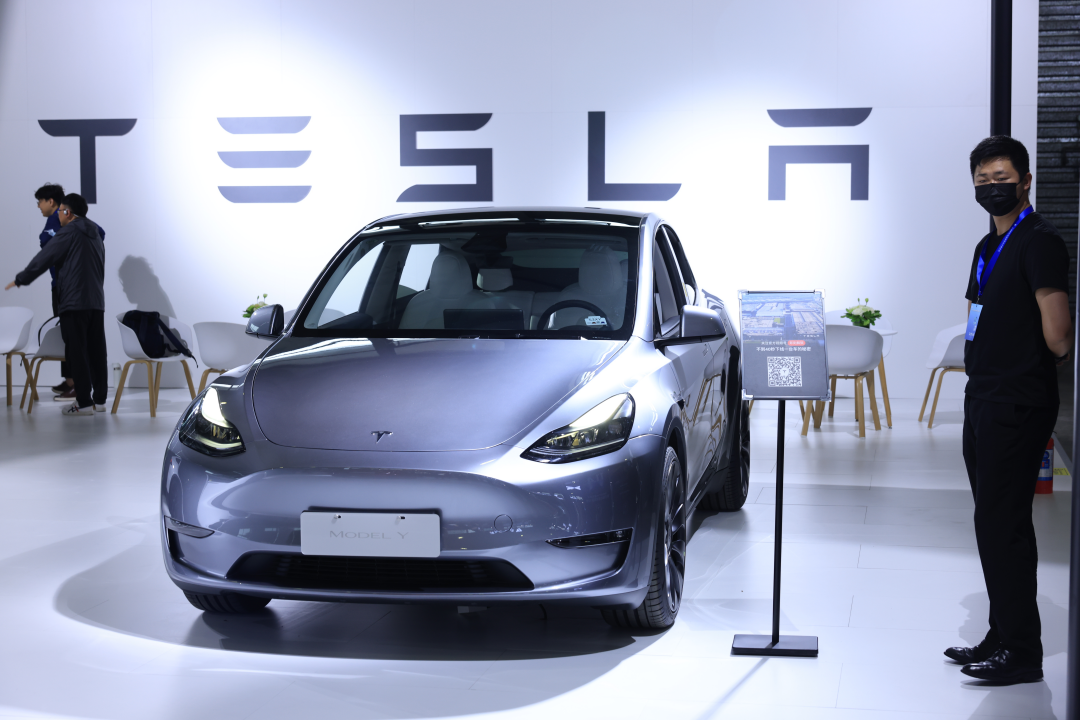
China, February 6, 2026 — According to Parliament News, that Tesla AI training data has become a defining element of the company’s global artificial intelligence strategy as it deepens localized development efforts inside China. The move reflects not only Tesla’s technological ambitions but also a broader transformation in how multinational companies adapt advanced AI systems to national regulations, infrastructure realities, and market competition.
China’s role in Tesla’s future extends far beyond manufacturing. It has become a critical environment for testing, refining, and validating autonomous driving systems at scale, placing data governance and trust at the center of innovation.
A Market That Redefines Scale and Complexity
China represents one of the world’s most challenging environments for autonomous vehicle development. Massive urban populations, dense traffic patterns, diverse road conditions, and a wide range of driving behaviors create scenarios that few other markets can replicate.
For Tesla, operating in such an environment allows its AI systems to encounter rare and complex situations daily. These experiences are essential for improving prediction accuracy, decision-making logic, and safety responses across autonomous driving models.
The sheer scale of driving activity provides a depth of real-world exposure that laboratory simulations alone cannot achieve.
Localization Becomes a Strategic Imperative
As regulatory frameworks tighten globally, localization has moved from an operational preference to a strategic necessity. China’s data governance laws restrict how sensitive information is stored, processed, and transferred across borders.
By keeping Tesla AI training data within China, the company aligns its technological development with regulatory expectations while maintaining operational continuity. This approach reduces compliance risk and allows innovation to proceed without interruption.
Localization also signals long-term commitment to the market, reinforcing Tesla’s position amid increasing regulatory scrutiny of foreign technology firms.
Autonomous Driving Depends on Real World Learning
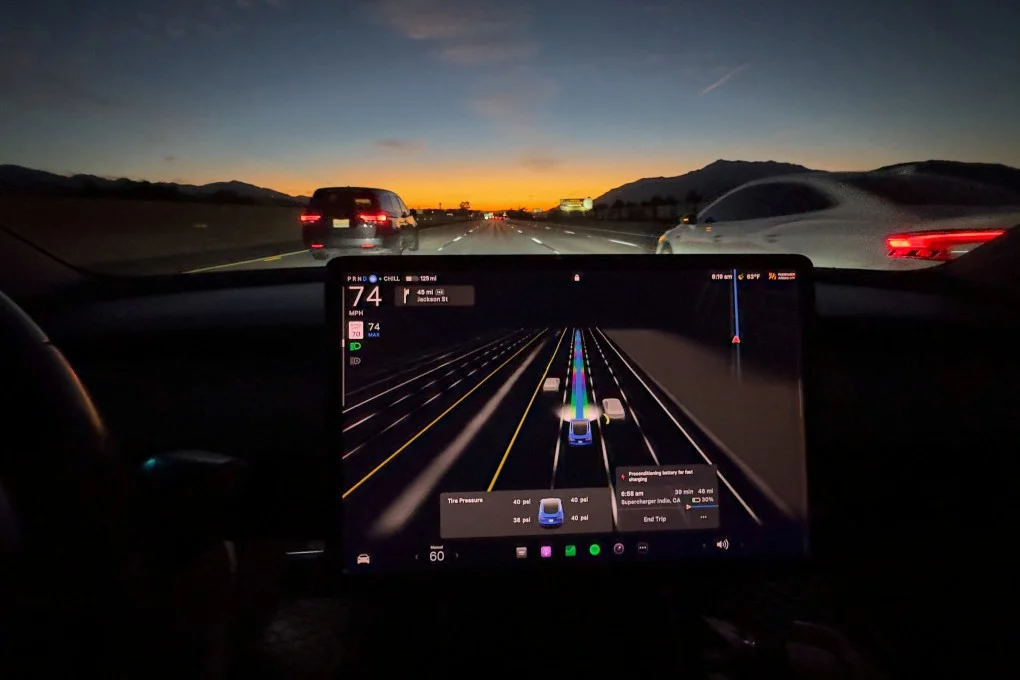
Autonomous driving systems rely on continuous learning from real-world inputs. Every kilometer driven adds nuance to how AI interprets its surroundings, responds to unexpected obstacles, and navigates dynamic environments.
China’s traffic conditions differ significantly from those in North America or Europe. High levels of pedestrian activity, unconventional lane usage, and complex intersections challenge AI systems in ways that accelerate learning.
Exposure to these patterns strengthens system resilience, allowing improvements developed in one region to benefit global deployments.
Competitive Pressure Accelerates Innovation
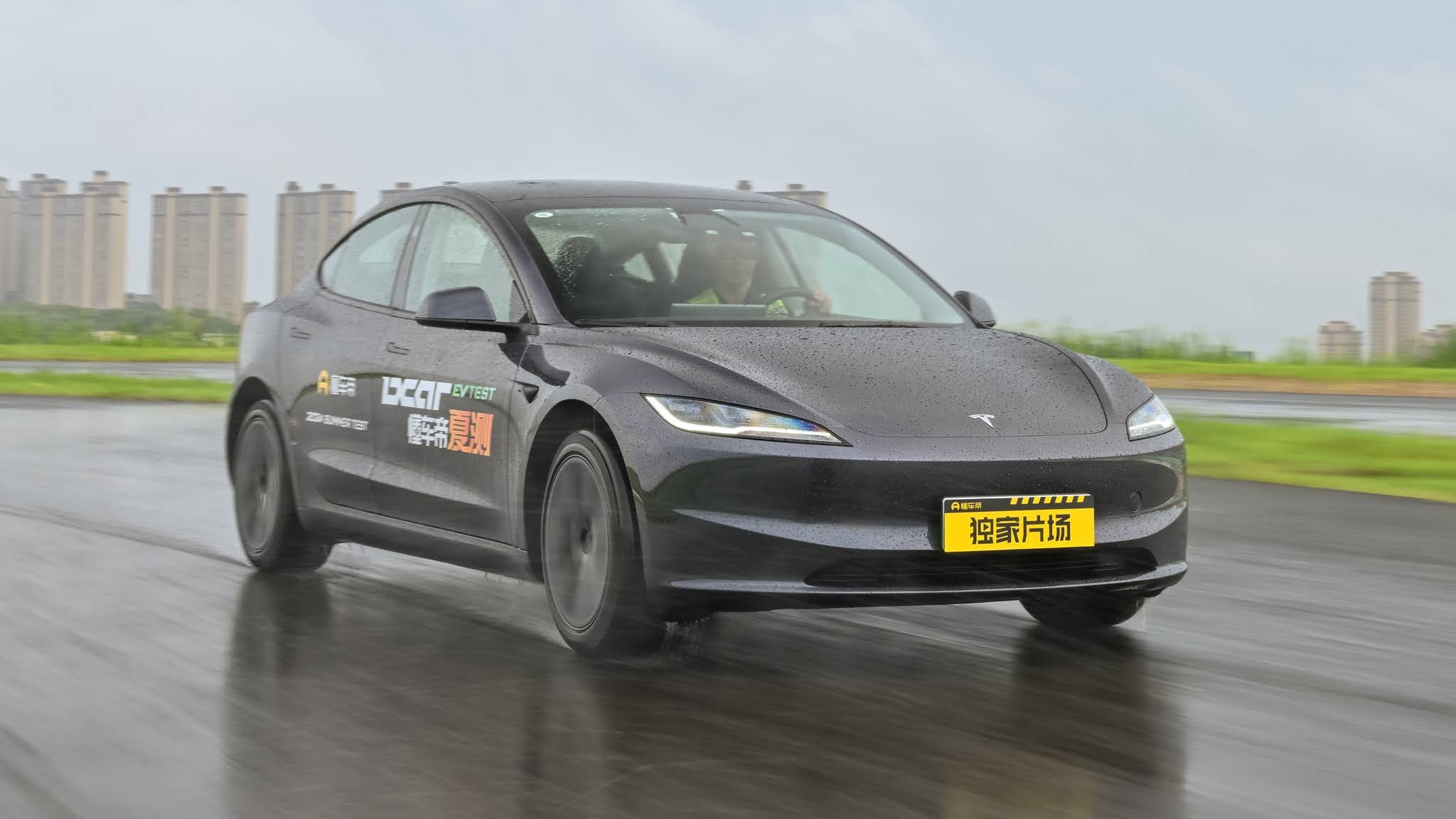
China’s electric vehicle market is among the most competitive in the world. Domestic manufacturers are rapidly advancing intelligent driving features, supported by robust technology ecosystems and aggressive innovation cycles.
To maintain relevance, Tesla must continuously refine its systems. Access to high-quality Tesla AI training data enables faster iteration and feature development, helping the company compete against increasingly capable local rivals.
Competition has transformed AI development from a long-term research effort into a near-term necessity.
Infrastructure Investment Behind the Scenes
AI training at scale requires more than data alone. It depends on advanced computing infrastructure capable of processing massive datasets efficiently.
Tesla has invested heavily in localized computing resources to support AI model training. High-performance processors, optimized software pipelines, and secure data storage systems form the backbone of these operations.
These investments ensure that data processing remains efficient, secure, and compliant with national standards.
Regulatory Oversight Shapes the Pace of Progress
Chinese regulators maintain close oversight of AI systems, particularly those influencing public safety and transportation. Transparency, accountability, and risk mitigation are central regulatory priorities.
As a result, Tesla AI training data development proceeds within a framework that balances innovation with oversight. Compliance requirements influence rollout timelines, testing protocols, and system updates.
This environment encourages disciplined development rather than rapid experimentation without safeguards.
Investor Focus on AI as a Value Driver
For investors, artificial intelligence represents one of Tesla’s most significant long-term growth drivers. Autonomous driving capabilities influence future revenue streams, including software subscriptions and mobility services.
Expansion of localized AI development in China signals confidence in the market’s strategic importance. However, it also introduces regulatory sensitivity that investors closely monitor.
The handling of Tesla AI training data has become a lens through which analysts evaluate Tesla’s balance between opportunity and risk.
Tesla’s Position on Data Governance
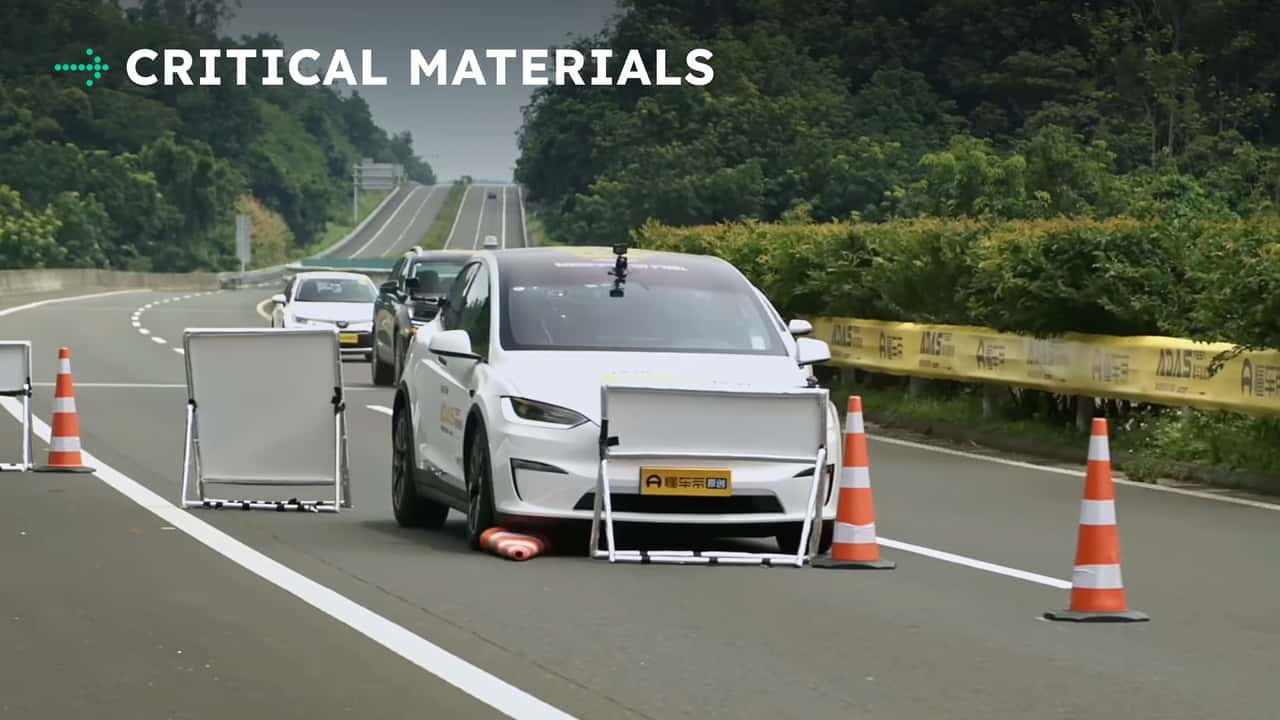
Tesla has consistently emphasized its commitment to data governance compliance in China. The company states that vehicle-generated data remains stored and processed locally, in line with regulatory requirements.
A Tesla representative said,
“Our goal is to build safe and reliable autonomous systems while respecting the legal and cultural frameworks of every market we operate in.”
This position underscores Tesla’s effort to align innovation with trust.
One Expert Perspective Captures Industry Sentiment
A senior automotive technology analyst offered a concise assessment: “The strategic value of Tesla AI training data from China is enormous, but long-term success depends on maintaining regulatory confidence as much as technical excellence.”
This perspective reflects a broader industry understanding that data access and trust are inseparable in modern AI development.
Regional Training St rengthens Global Systems
Training AI systems in diverse regions reduces bias and improves adaptability. Driving behaviors, infrastructure design, and environmental conditions vary widely across markets.
Insights derived from Tesla AI training data collected in China enhance system performance in other high-density regions worldwide, particularly in emerging urban markets.
Regional diversity strengthens overall system intelligence.
Data Quality Matters More Than Volume
While scale provides advantage, quality determines effectiveness. Accurate labeling, contextual understanding, and inclusion of edge cases define the usefulness of training datasets.
Engineers prioritize scenarios that challenge assumptions and test system limits. The real value of Tesla AI training data lies in its ability to capture complexity rather than repetition.
This focus ensures continuous improvement rather than diminishing returns.
Security and Privacy Remain Central
As AI systems expand, data protection becomes increasingly critical. Safeguards such as encryption, controlled access, and internal auditing protect sensitive information.
Maintaining security around Tesla AI training data supports regulatory compliance and preserves public trust, both essential for long-term deployment of autonomous technologies.
Privacy considerations are integral, not optional.
Integration With Global AI Architecture
Although data is processed locally, Tesla’s AI architecture benefits from shared design principles across regions. Improvements validated within regulatory boundaries can inform broader system upgrades.
This structure allows Tesla AI training data insights to contribute to a unified technological roadmap while respecting localization requirements.
The approach balances regional autonomy with global coherence.
Challenges of Scaling Advanced AI
As models grow more sophisticated, resource demands increase. Energy consumption, infrastructure costs, and talent acquisition all influence scalability.
Managing Tesla AI training data efficiently becomes essential to sustaining progress without undermining operational stability.
These challenges require strategic planning beyond engineering alone.
The Role of Talent and Expertise
Behind AI systems are teams of engineers, data scientists, and safety specialists. Recruiting and retaining talent in a competitive global market remains a challenge.
China’s technology ecosystem offers access to skilled professionals who contribute to localized development efforts, strengthening system design and validation.
Human expertise remains as critical as machine learning.
Historical Context of Automotive AI Development
Early automotive automation relied on rule-based systems with limited adaptability. These systems performed well in controlled environments but struggled with unpredictability.
The shift toward data-driven learning marked a turning point. Continuous exposure to real-world conditions allowed systems to evolve dynamically.
In this context, Tesla AI training data represents the latest phase of an ongoing transformation, where real-world complexity directly fuels intelligence.
History shows that data access has consistently separated leaders from followers in technological change.
Broader Implications for Global Technology Firms
Tesla’s localized AI strategy mirrors a broader trend among multinational technology companies. National regulations increasingly shape how innovation unfolds.
The governance of Tesla AI training data offers a case study in balancing compliance with competitiveness, a challenge facing industries beyond automotive technology.
Future AI strategies will likely be built around similar models.
Geopolitical Considerations Influence Strategy
Geopolitical dynamics influence data governance, technology transfer, and corporate strategy. Companies operating across borders must navigate shifting relationships and policy environments.
Tesla’s approach reflects caution and adaptability, ensuring that Tesla AI training data remains insulated from geopolitical friction as much as possible.
Stability is a competitive advantage in uncertain times.
What the Next Phase May Bring
Looking ahead, Tesla is expected to continue refining AI systems while deepening integration across vehicle platforms. Advances in computing efficiency and model architecture may reduce training costs over time.
As autonomous capabilities mature, Tesla AI training data will remain central to validating safety, reliability, and performance at scale.
Progress will likely be incremental rather than dramatic, emphasizing reliability over spectacle.
The Balance Between Innovation and Responsibility
Autonomous driving represents one of the most consequential technological shifts of the modern era. Its success depends not only on innovation but also on accountability.
How Tesla manages Tesla AI training data in China reflects a broader industry lesson: trust, transparency, and compliance are as vital as technical excellence.
The future of mobility will be shaped as much by governance as by code.
A Defining Moment for AI Driven Transportation
As 2026 unfolds, Tesla’s localized AI development strategy illustrates how global technology companies adapt to a fragmented regulatory world.
The expansion and governance of Tesla AI training data may ultimately influence standards for autonomous systems worldwide, setting benchmarks for how innovation and responsibility coexist.
In that sense, China is not just a market, but a proving ground for the future of AI-driven transportation.