

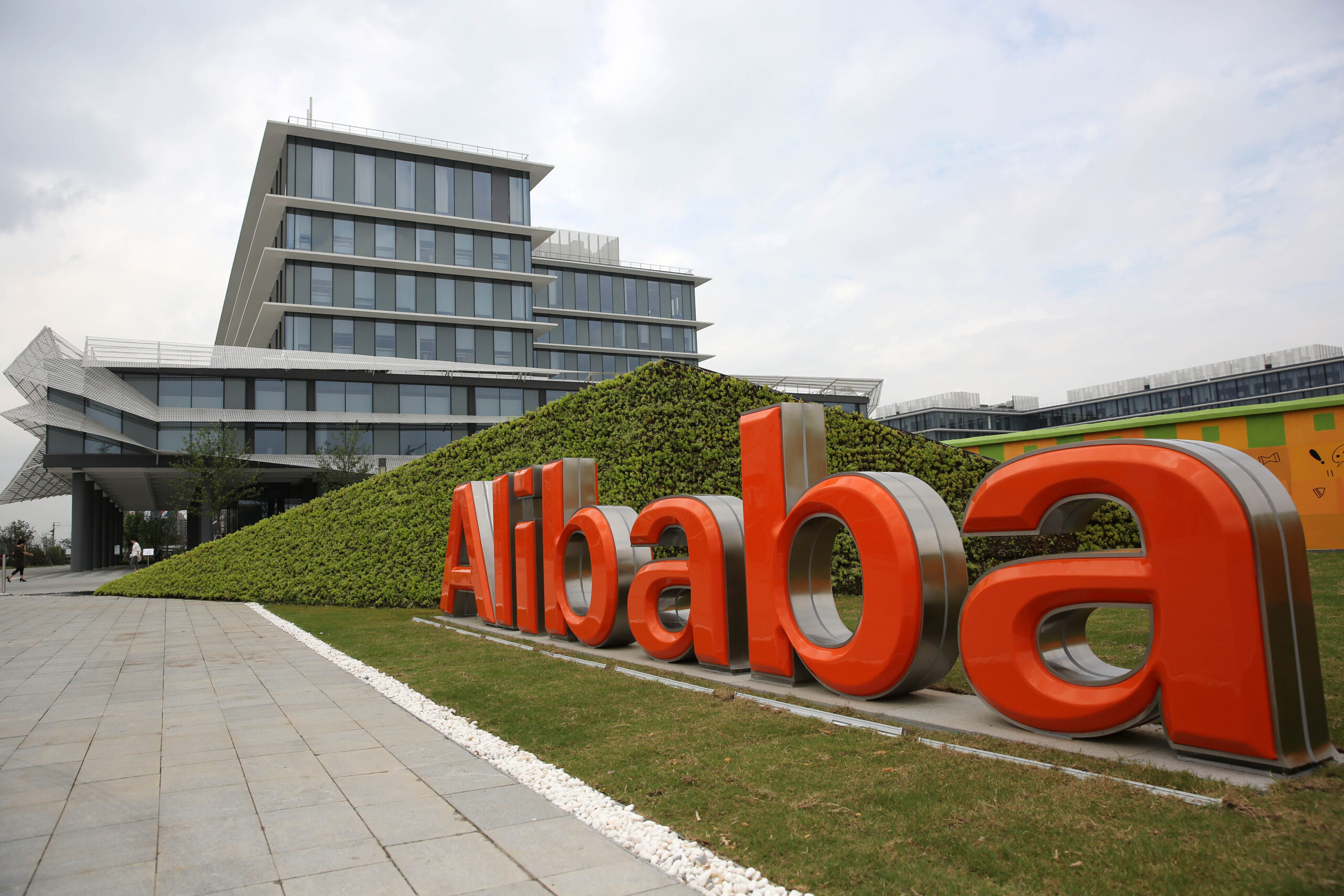
Hangzhou China, February 02, 2026: Parliament News highlights how Alibaba AI chatbot development has emerged as a defining force in China’s rapidly evolving artificial intelligence landscape. The move comes at a moment when Chinese technology companies are accelerating investment in conversational systems that promise to transform digital commerce enterprise productivity and everyday online interaction.
Alibaba’s latest strategic push reflects broader momentum across China’s technology sector as artificial intelligence shifts from experimental deployment to foundational infrastructure supporting platforms used by hundreds of millions of users.
Strategic Vision Driving the Investment Surge
Alibaba’s leadership has framed artificial intelligence as a long term growth engine rather than a short cycle innovation. The company’s approach centers on embedding intelligent conversational tools across its ecosystem including retail platforms logistics networks and cloud services.
At the heart of this strategy is the Alibaba AI chatbot, designed to operate as a multi functional interface capable of assisting consumers merchants and enterprises simultaneously. By integrating conversational intelligence into core services Alibaba aims to improve efficiency engagement and decision making at scale.

Why Conversational AI Matters Now
Conversational artificial intelligence has become one of the most competitive arenas in global technology. In China chatbots are increasingly used for customer service online shopping financial queries education and internal corporate workflows.
The growing reliance on conversational interfaces reflects changing user behavior. Consumers now expect instant contextual responses rather than static menus or search results. This shift has elevated the strategic importance of the Alibaba AI chatbot within the company’s broader digital architecture.
Infrastructure and Cloud Capabilities
Advanced language models require substantial computing resources high quality datasets and continuous optimization. Alibaba’s cloud infrastructure provides a crucial advantage by allowing rapid scaling and real time performance monitoring.
The Alibaba AI chatbot benefits from deep integration with cloud systems that support model training deployment and iteration. This infrastructure driven approach positions Alibaba not only as a consumer platform operator but also as a major provider of enterprise AI capabilities.
Enterprise Adoption Accelerates
Enterprise demand has played a critical role in shaping Alibaba’s AI roadmap. Businesses across retail manufacturing logistics and finance are seeking tools that can automate communication summarize data and support operational decisions.
By embedding conversational intelligence into enterprise solutions the Alibaba AI chatbot enables companies to interact with complex systems through natural language reducing technical barriers and improving productivity.
User Experience and Cultural Context
User trust and familiarity are essential for widespread adoption. Alibaba’s designers have focused on ensuring conversational responses align with cultural norms linguistic nuance and contextual expectations.
The Alibaba AI chatbot incorporates regional language patterns and scenario based understanding allowing it to respond in ways that feel intuitive to Chinese users. This localization strategy strengthens user engagement and long term retention.
Regulatory Framework Shapes Deployment
Artificial intelligence development in China operates under structured regulatory oversight emphasizing data security content governance and algorithm transparency. Alibaba has emphasized compliance as a core principle guiding AI deployment.
Regulatory considerations influence how the Alibaba AI chatbot is trained monitored and updated particularly in consumer facing applications where accuracy and responsibility are paramount.

Market Competition Intensifies
China’s technology sector is witnessing intense competition as major platforms race to establish leadership in generative AI. Conversational systems are now viewed as strategic assets comparable to payment networks or logistics infrastructure.
Within this environment the Alibaba AI chatbot initiative signals the company’s intent to remain at the forefront of innovation while leveraging its extensive ecosystem to differentiate from rivals.
How China’s Tech Giants Are Taking Different AI Paths
Unlike competitors that emphasize standalone AI assistants Alibaba’s approach centers on ecosystem integration. While other platforms focus on single use cases the Alibaba AI chatbot is designed to operate across commerce cloud services and enterprise tools.
This integrated strategy allows Alibaba to capture value across multiple layers of the digital economy creating synergies that are difficult for narrowly focused competitors to replicate.
Data Advantage and Learning Cycles
Access to diverse real world data accelerates learning cycles for conversational models. Alibaba’s platforms generate vast volumes of transactional and behavioral data that can be used to refine AI performance within regulatory limits.
The Alibaba AI chatbot leverages these data streams to improve contextual understanding response relevance and task completion rates over time.
Industry Perspective
One senior technology analyst based in Beijing said
“The scale and integration of Alibaba’s conversational systems show that artificial intelligence is becoming the primary interface between users and digital platforms rather than a supplementary feature.”
Economic Implications for China Tech Sector
Large scale AI investment carries broader economic implications including talent demand infrastructure expansion and increased competition for computing resources. Alibaba’s move underscores how artificial intelligence is reshaping capital allocation across the technology sector.
The growth of the Alibaba AI chatbot initiative contributes to China’s ambition to build globally competitive AI ecosystems capable of supporting both domestic and international markets.
Global Context and Strategic Significance
While the initiative is rooted in China its significance extends globally. International technology firms are closely monitoring how Chinese platforms deploy conversational AI at scale within complex regulatory environments.
The evolution of the Alibaba AI chatbot may influence how multinational companies design region specific AI strategies balancing innovation localization and compliance.
Integration with Commerce and Consumer Services
In consumer applications conversational AI enhances discovery personalization and support. Alibaba’s retail platforms increasingly rely on intelligent assistants to guide users through product selection order tracking and after sales service.
By embedding the Alibaba AI chatbot into everyday shopping experiences Alibaba aims to make interaction more seamless while increasing conversion efficiency during peak demand periods.
Long Term Vision Beyond Immediate Returns
Alibaba’s leadership has emphasized that returns on AI investment should be measured over years rather than quarters. Building adaptive conversational systems requires sustained investment in research infrastructure and talent.
The Alibaba AI chatbot strategy reflects this long horizon view positioning artificial intelligence as a core capability underpinning future innovation rather than a short term revenue driver.
Challenges and Risk Considerations
Despite its advantages the initiative faces challenges including rising infrastructure costs talent competition and evolving regulatory requirements. Ensuring accuracy reliability and ethical deployment remains critical.
Managing these risks will shape the trajectory of the Alibaba AI chatbot as it becomes more deeply embedded across consumer and enterprise platforms.
Innovation Culture and Talent Development
Artificial intelligence development depends heavily on skilled engineers data scientists and product designers. Alibaba has expanded recruitment and training programs to support its AI ambitions.
The growth of the Alibaba AI chatbot initiative highlights the importance of cultivating innovation culture capable of sustaining rapid technological advancement.
Future Outlook for Conversational Interfaces
As conversational systems become more sophisticated they are expected to replace traditional interfaces in many contexts. Voice and text based interaction may become the default gateway to digital services.
Alibaba’s investment suggests that the Alibaba AI chatbot will play a central role in shaping how users interact with technology across commerce enterprise and daily life.
Closing Outlook on China’s AI Chatbot Future
In Hangzhou China February 2026 Brussels Morning Newspaper observes that Alibaba’s expanding artificial intelligence strategy marks a pivotal moment in the evolution of China’s technology sector. By committing resources to deeply integrated conversational systems the company is positioning itself for long term leadership in an increasingly AI driven economy.
The trajectory of the Alibaba AI chatbot initiative will be closely watched as it influences not only Alibaba’s future but also the broader direction of artificial intelligence adoption across China and beyond.