

Washington, February 13, 2026 — Parliament News — The global aviation industry is navigating an unprecedented surge in jet engine repair demand as airlines expand schedules to meet sustained passenger growth in 2026. Maintenance facilities across Washington and major aerospace hubs are increasing capacity, investing in robotics, and restructuring workflows to address mounting backlogs that are affecting fleet availability worldwide.
Industry leaders confirm that the convergence of strong travel demand, supply chain disruption, and increasingly complex engine technology has intensified pressure on overhaul centers. Aviation regulators emphasize that safety standards remain uncompromised even as turnaround times become a critical focus.
Aviation Demand Pushes Maintenance Capacity
Commercial aviation has entered a new growth phase. Passenger volumes in early 2026 have surpassed pre pandemic benchmarks, forcing airlines to operate aircraft at higher utilization rates.
Higher flight cycles accelerate component wear, directly increasing the need for jet engine repair across global fleets. Airlines that once operated reserve aircraft now find spare capacity limited.
Maintenance executives say engine shops are operating at near full capacity. The challenge is not only volume but precision. Each overhaul involves thousands of inspections and replacements that cannot be rushed.
A senior airline maintenance director said,
“We are seeing sustained utilization levels that require strategic coordination between carriers and overhaul facilities.”
Engineering Complexity of Modern Turbofans
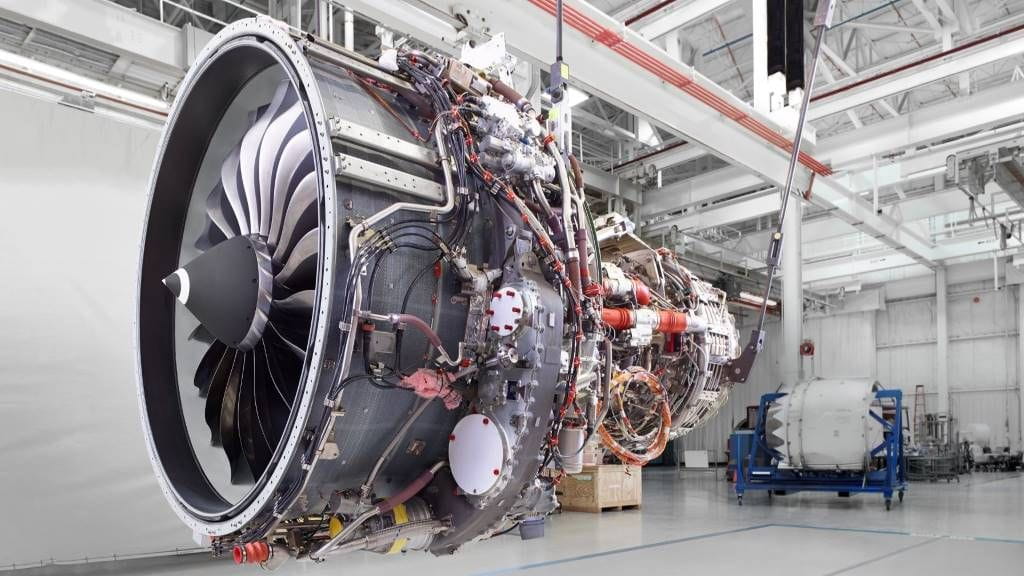
Next generation turbofan engines are designed for fuel efficiency and lower emissions. However, these engineering advances increase servicing intricacy.
Modern overhaul procedures involve advanced composite materials, high temperature alloys, and digital engine monitoring systems. The technical requirements for jet engine repair have evolved significantly compared to earlier decades.
Precision measurement tools and specialized diagnostic equipment are essential to ensure performance compliance. Even minor deviations in blade integrity or thermal resistance can affect engine output.
This complexity contributes to longer maintenance cycles, reinforcing the need for structural improvements in repair infrastructure.
Robotics Transform Maintenance Workflows
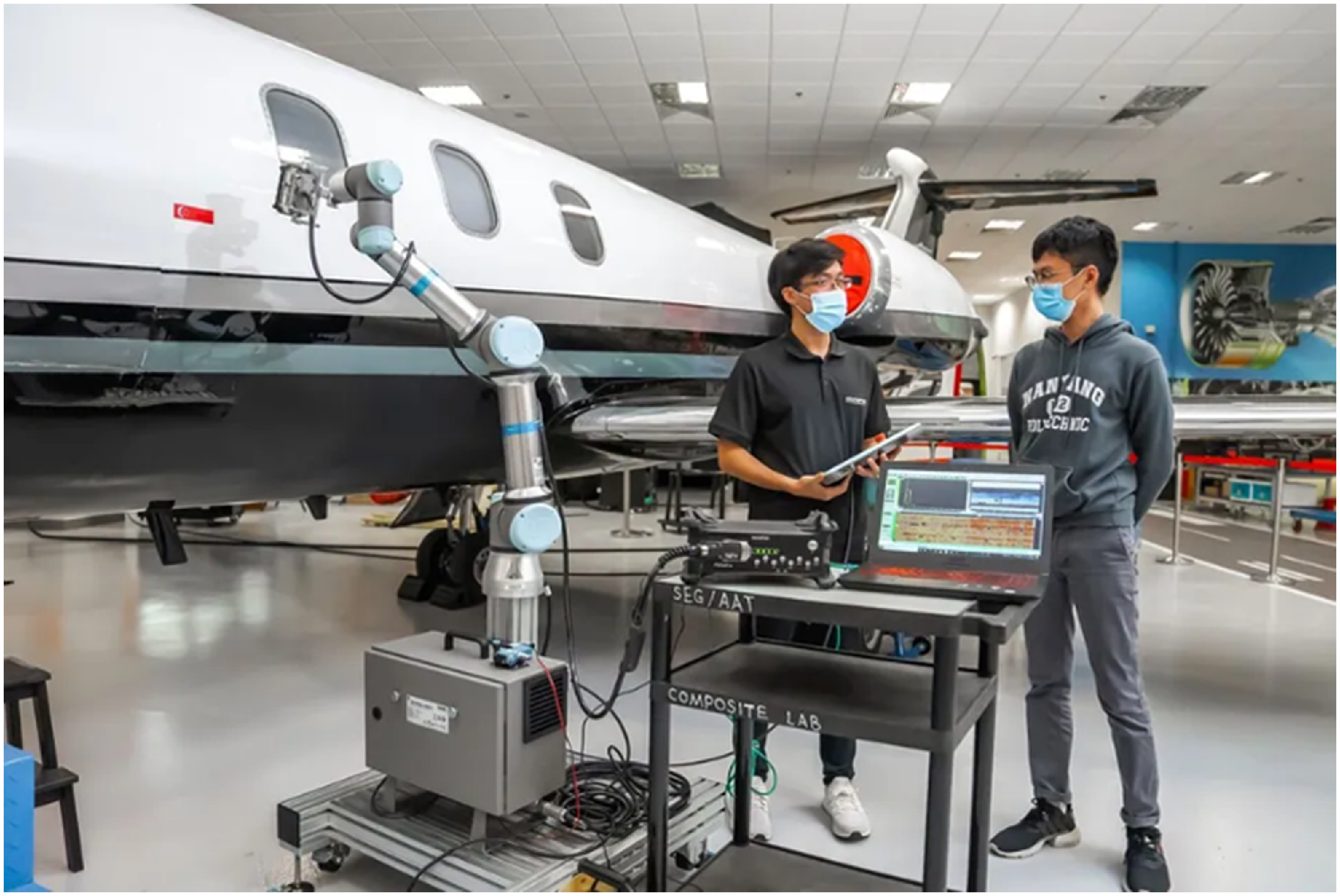
Automation has become central to addressing maintenance strain. Robotics now assist technicians with heavy component handling and repetitive inspection tasks.
By integrating automation into jet engine repair operations, facilities improve accuracy while reducing technician fatigue. High resolution scanning tools detect microfractures that might escape manual detection.
Engineers emphasize that robotics supplement rather than replace human expertise. Technicians oversee all processes, ensuring regulatory compliance.
An aerospace engineering supervisor explained,
“Automation allows us to move faster while maintaining strict safety margins.”
Workforce Development and Training Expansion
One of the industry’s most pressing concerns is the shortage of certified aviation technicians. Workforce pipelines were disrupted earlier in the decade, and rebuilding skilled labor capacity takes time.
Training academies across Washington have expanded enrollment programs to support the rising demand for jet engine repair professionals. Apprenticeship models are gaining traction as companies collaborate with technical institutions.
Digital simulation tools allow trainees to practice complex engine disassembly procedures in virtual environments before working on physical engines.
Industry analysts view workforce investment as a foundational strategy for long term sustainability.
Lean Strategies Enhance Operational Discipline
Lean manufacturing principles, adapted from industrial production models, are reshaping maintenance workflows.
Facilities redesign floor layouts to reduce unnecessary movement and standardize inspection sequences. Real time performance dashboards track engine status throughout overhaul stages.
Through Lean reforms, some centers have shortened jet engine repair cycle times while preserving compliance standards.
Operational efficiency is increasingly treated as a strategic asset rather than a background function.
Supply Chain Stabilization Efforts
Global logistics disruptions continue to affect parts delivery timelines. Turbine components often require specialized fabrication from international suppliers.
To prevent extended downtime, companies are diversifying supplier networks and increasing domestic production of critical parts.
Predictive inventory analytics help forecast demand patterns for jet engine repair, ensuring that essential components are available before engines enter overhaul cycles.
This structural approach reduces bottlenecks and improves planning transparency.
Economic Significance for Airlines
Engine maintenance directly influences airline financial performance. Aircraft grounded for extended servicing generate no revenue while still incurring ownership and storage costs.
Stabilizing jet engine repair capacity supports route expansion, schedule reliability, and ticket price stability.
Financial analysts identify maintenance backlog metrics as leading indicators of broader aviation sector resilience.
Regulatory Oversight and Safety Assurance
Federal aviation authorities maintain strict compliance requirements. Every overhaul stage must be documented, inspected, and verified.
Despite pressure to accelerate turnaround times, safety remains non negotiable. Regulators confirm that no procedural shortcuts are permitted within jet engine repair operations.
A regulatory official stated,
“Operational efficiency must never come at the expense of safety.”
History of Jet Engine Repair Evolution
The history of jet engine repair reflects decades of aerospace innovation. In the 1950s and 1960s, early turbojet engines required frequent servicing due to material limitations.
By the 1980s and 1990s, improved metallurgy extended service intervals and enhanced durability. Digital engine controls introduced in the early 2000s transformed diagnostics.
Today’s engines incorporate sensor networks that continuously transmit performance data, allowing predictive maintenance strategies to emerge.
This historical progression demonstrates how technological advancement reshapes maintenance requirements.
Digital Monitoring and Predictive Analytics
Embedded sensors within modern engines generate real time performance data. Maintenance teams analyze vibration patterns, thermal metrics, and fuel efficiency indicators.
Predictive analytics allow engineers to anticipate wear trends and schedule jet engine repair interventions before major deterioration occurs.
This proactive model reduces unexpected failures and distributes overhaul workloads more evenly across facilities.
Digital monitoring is expected to play an even larger role as data integration platforms mature.
Global Collaboration Strengthens Standards
Aviation maintenance providers are strengthening international cooperation. Shared technical documentation and cross border certification standards improve consistency.
Global partnerships ensure that jet engine repair procedures meet uniform safety thresholds regardless of geographic location.
Collaborative research initiatives are exploring new inspection technologies and material innovations to further enhance durability.
Investment in Infrastructure Expansion
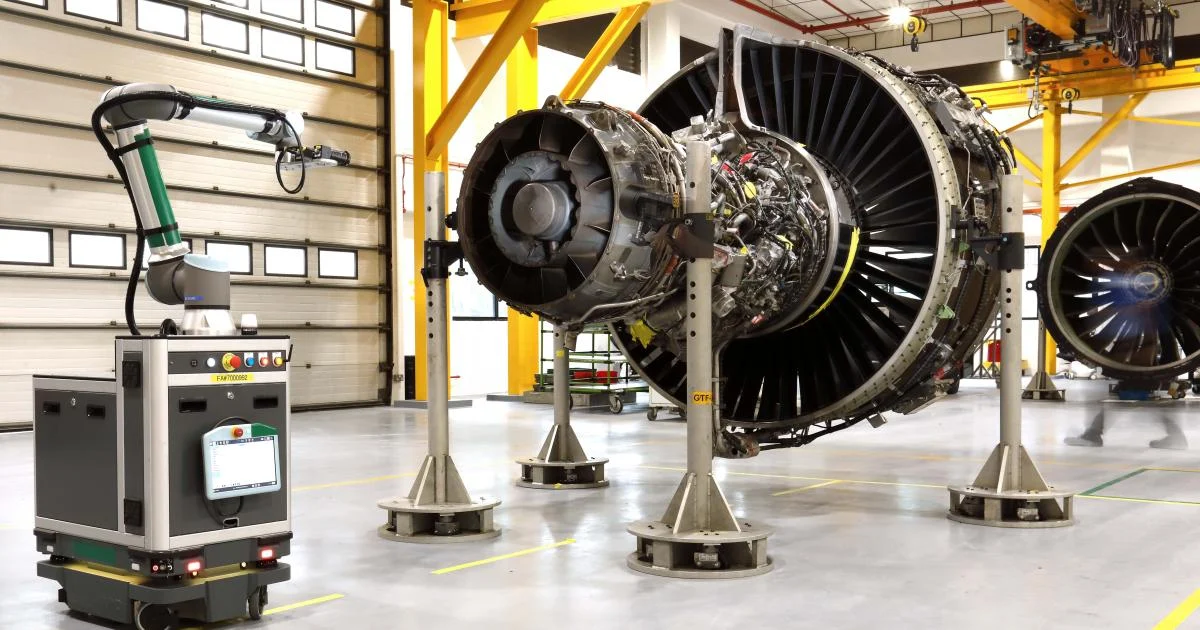
Major overhaul centers in Washington and other aviation hubs are expanding hangar capacity.
New service bays, upgraded diagnostic laboratories, and advanced robotic platforms are being installed to support rising jet engine repair demand.
Infrastructure investment signals long term confidence in aviation growth.
Human Impact Inside the Hangar
Behind the machinery are highly trained professionals working extended shifts to maintain operational continuity.
Technicians describe the current surge as both challenging and motivating. Continuous improvement initiatives foster collaboration across engineering teams.
One veteran technician commented,
“The pressure is intense, but innovation is accelerating because of it.”
Human expertise remains the backbone of the maintenance ecosystem.
Market Outlook Through 2027
Forecast models indicate sustained air travel growth through 2027. Fleet modernization efforts will introduce even more technologically advanced engines.
Industry planners anticipate steady demand for jet engine repair, balanced by expanded capacity and improved workforce readiness.
Investors and policymakers continue monitoring maintenance indicators as benchmarks of transportation stability.
Strategic Implications for Aviation Growth
The maintenance surge has elevated overhaul operations to strategic prominence.
Airlines now coordinate closely with manufacturers to align scheduling forecasts and optimize capacity utilization.
Stabilizing jet engine repair workflows ensures reliable global connectivity and supports economic expansion.
Redefining Maintenance for the Future
The events of 2026 may mark a structural turning point in aerospace operations.
Automation, data analytics, workforce investment, and infrastructure modernization collectively reshape the maintenance landscape.
As aviation demand stabilizes, the industry’s response demonstrates resilience and adaptability.
The transformation underway extends beyond immediate backlog reduction. It reflects a broader commitment to sustainable operational excellence across global aviation networks.