


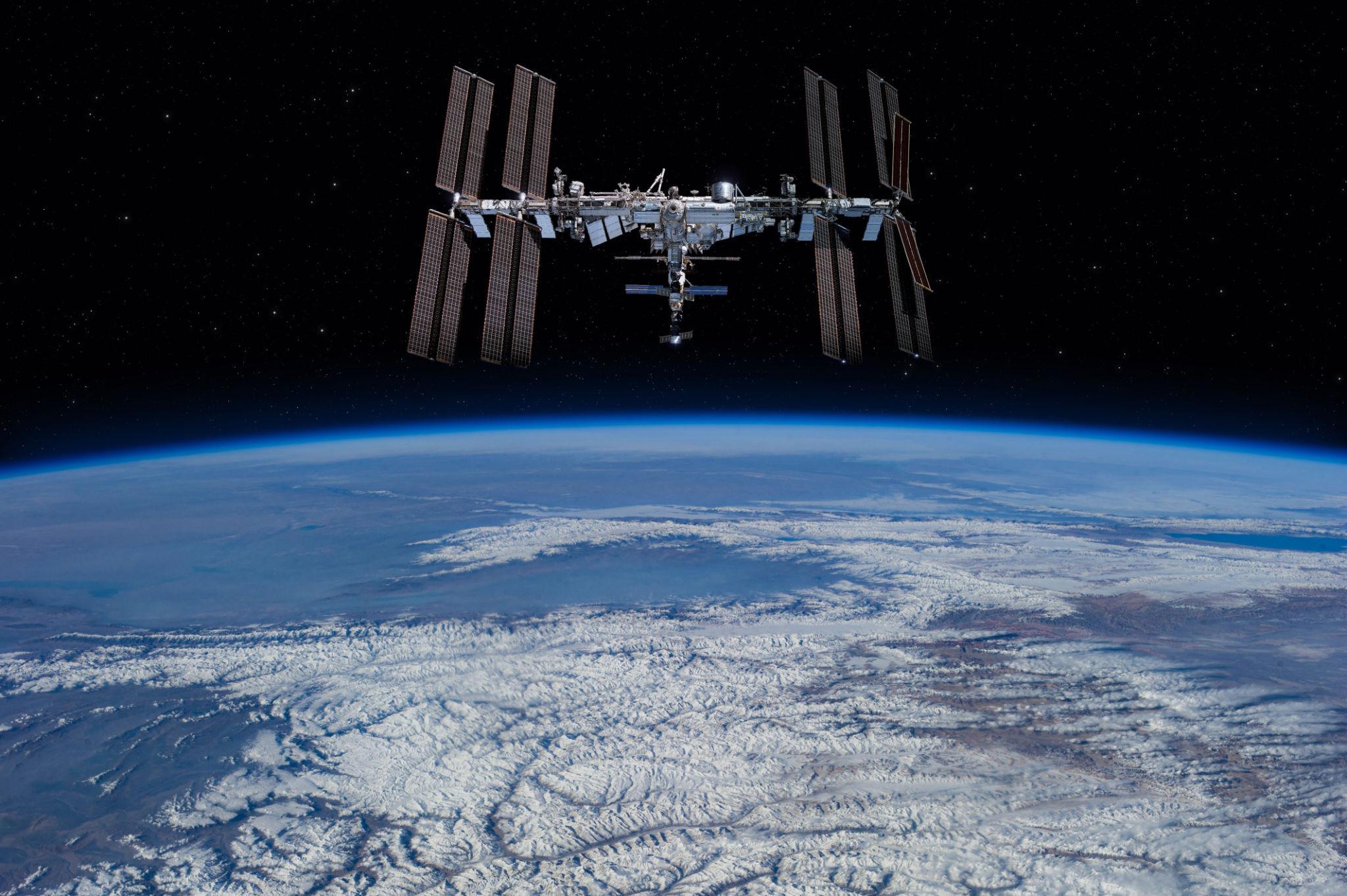
Florida, United States — February 13, 2026 — According to Parliament News, that The International Space Station mission lifted off from Kennedy Space Center in Florida this year, reinforcing long term scientific research and multinational cooperation in low Earth orbit. The 2026 launch marks another chapter in sustained human presence beyond Earth, with astronauts preparing for months of research, system upgrades, and operational continuity aboard the orbiting laboratory.
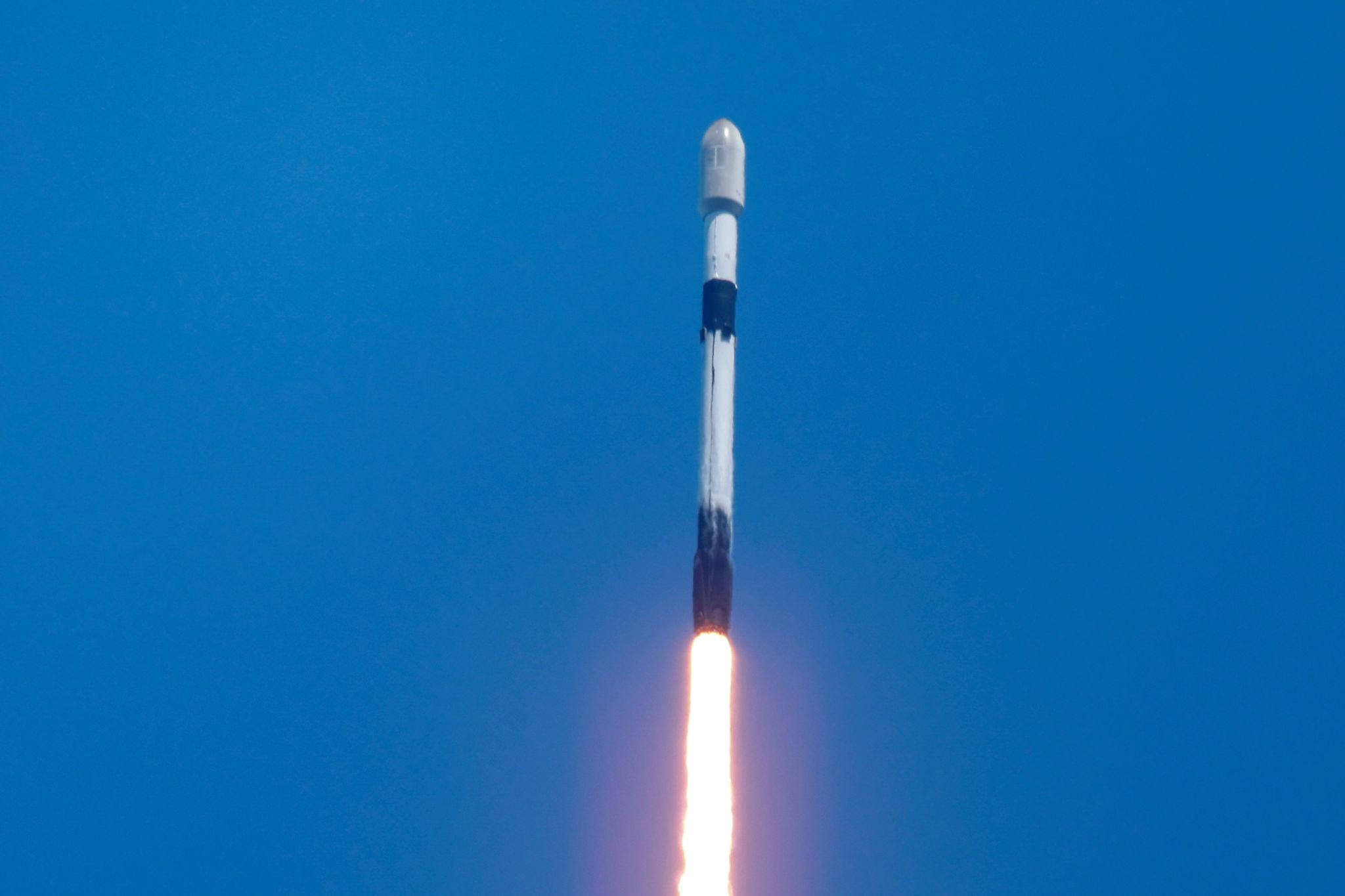
The spacecraft ascended smoothly, completing stage separation before entering orbit. Following a carefully timed rendezvous sequence, the crew capsule aligned with the station for docking. Officials confirmed nominal performance across all major systems.
The International Space Station mission continues a tradition of crew rotations that ensure uninterrupted scientific productivity in orbit.
Launch and Orbital Insertion
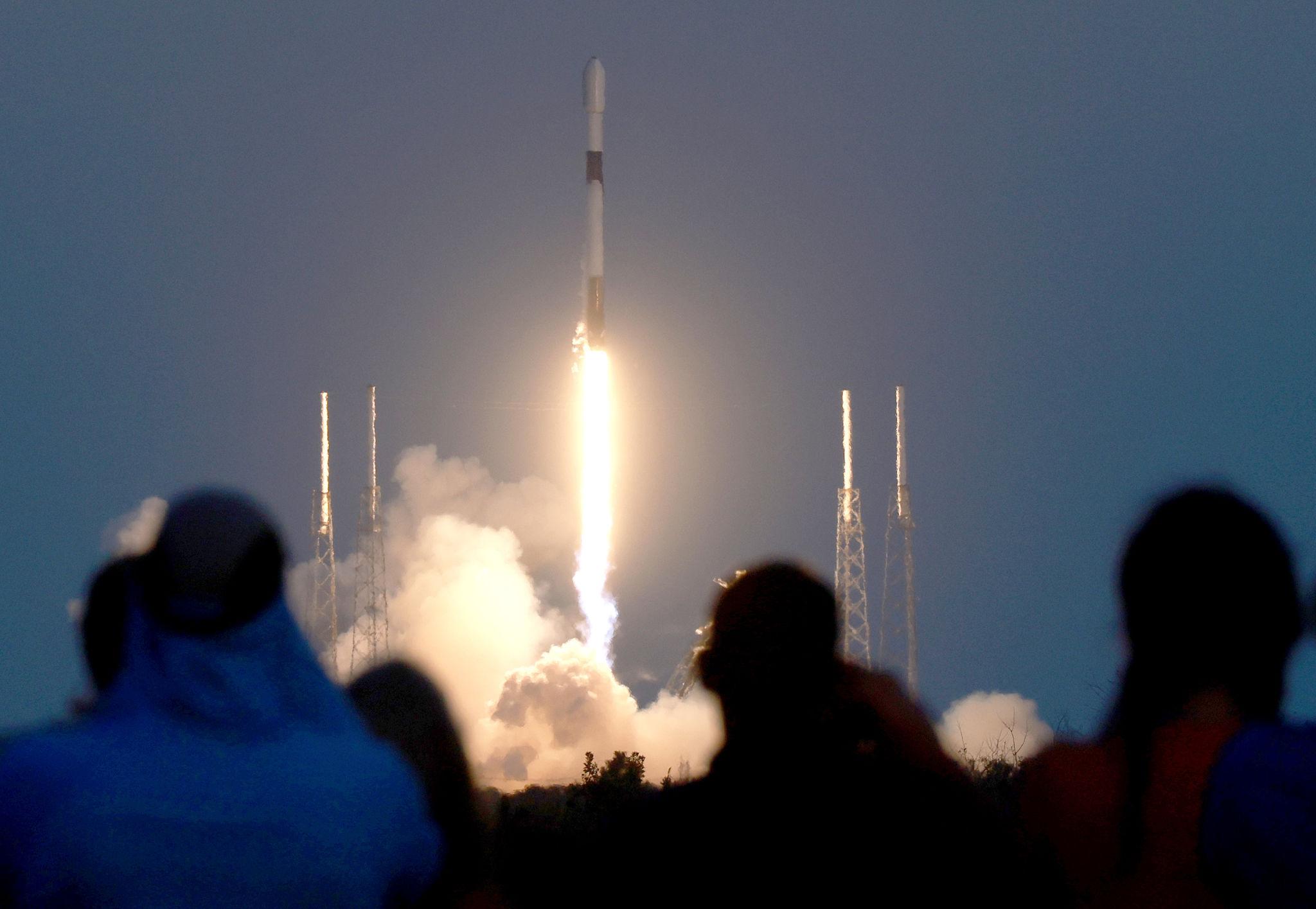
The launch sequence began with synchronized coordination between ground engineers and flight controllers. Weather conditions were favorable, allowing the rocket to depart within its designated window.
After liftoff, propulsion systems operated as expected, delivering the spacecraft into low Earth orbit. Automated navigation software calculated trajectory corrections to ensure safe approach to the station.
The International Space Station mission required precision timing, as orbital alignment demands exact calculations measured down to seconds. Mission control teams monitored telemetry data continuously throughout ascent and insertion phases.
Docking and Crew Transition
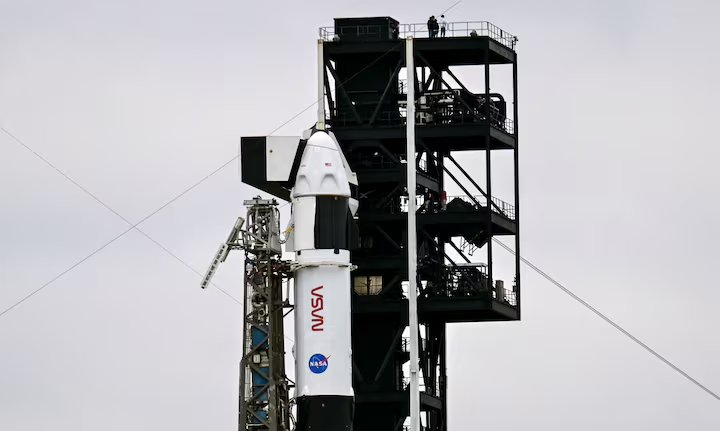
Upon arrival, docking procedures were conducted through autonomous systems supported by manual override capability. Alignment mechanisms engaged successfully, securing the spacecraft to the station’s docking port.
Crew members performed pressure equalization checks before transferring into the orbital complex. The International Space Station mission now transitions into its operational phase, during which new astronauts integrate into established workflows.
A formal handover ceremony marked the shift in responsibilities between outgoing and incoming crew members.
Scientific Priorities for 2026
The International Space Station mission carries a research agenda spanning biomedical studies, materials engineering, agricultural experiments, and Earth observation.
Microgravity enables unique insights into cellular development and protein crystallization. Scientists anticipate new data that could inform pharmaceutical advancements and disease treatment strategies.
Technological experiments include robotics demonstrations and testing of autonomous maintenance tools. The mission supports preparation for future lunar and deep space initiatives.
Human Health and Adaptation in Space
Extended exposure to microgravity affects bone density, muscle mass, and fluid distribution within the human body. Astronauts follow rigorous exercise protocols to counteract these effects.
The International Space Station mission contributes to long term studies examining cardiovascular adaptation and immune response in space environments.
Data gathered during this rotation will enhance readiness for missions beyond low Earth orbit, including sustained lunar habitation concepts.
International Collaboration Framework
The station represents cooperation among the United States, Europe, Japan, Canada, and additional partners. Shared research objectives strengthen diplomatic relationships and scientific exchange.
The International Space Station mission embodies multinational coordination in scheduling, cargo resupply, and technology development.
Such collaboration ensures resource efficiency while promoting peaceful exploration.
Commercial Integration in Crew Transport
Private aerospace providers now handle transportation logistics under agency oversight. This model increases operational cadence and reduces reliance on legacy systems.
The International Space Station mission reflects maturation in public private partnerships, allowing agencies to focus on research strategy and exploration roadmaps.
Commercial integration has lowered costs and improved launch frequency.
Economic and Industrial Impact
Launch operations stimulate aerospace manufacturing, engineering services, and technology supply chains. Regional economies surrounding space centers benefit from high skilled employment.
The International Space Station mission reinforces the role of space infrastructure as an economic catalyst.
Investment in orbital research continues to generate innovation that influences sectors ranging from telecommunications to environmental monitoring.
The Evolution of Human Space Exploration
In earlier decades, human spaceflight missions were rare and often experimental, characterized by high uncertainty and limited duration. The space race era focused primarily on symbolic achievements such as lunar landings and short term orbital flights.
The International Space Station mission differs fundamentally from those early programs. Instead of isolated demonstrations, modern missions emphasize sustained presence, operational stability, and cumulative research. While past milestones showcased national competition, current operations highlight collaboration and routine functionality.
This contrast underscores how spaceflight has evolved from exploratory spectacle to structured scientific enterprise.
Infrastructure Upgrades and Maintenance
Engineers continuously upgrade station modules to enhance efficiency and extend operational life. Solar arrays, communication systems, and docking adapters undergo modernization to support evolving mission requirements.
The International Space Station mission benefits from these upgrades, ensuring compatibility with new spacecraft designs and experimental hardware.
Routine inspections maintain structural integrity in the harsh conditions of space.
Environmental Monitoring and Earth Science
Orbiting Earth every 90 minutes provides an unparalleled perspective for climate research and environmental analysis. Instruments aboard the station collect high resolution imagery and atmospheric data.
The International Space Station mission supports monitoring of hurricanes, wildfires, and polar ice patterns.
Earth observation research informs policy decisions related to environmental protection and disaster response.
One Statement from Leadership
A senior mission director stated during the post launch briefing,
“Each rotation builds on decades of research and strengthens humanity’s pathway toward deeper exploration.”
The comment reflects confidence in sustained orbital operations and long term scientific progress.
Preparing for Lunar and Mars Exploration
Lessons learned from the International Space Station mission inform spacecraft design, habitat systems, and life support technology for future exploration.
Astronauts test radiation shielding methods and autonomous robotics that may operate on the Moon or Mars.
Operational procedures refined in low Earth orbit provide critical experience for extended missions beyond Earth’s immediate environment.
Logistics and Resupply Operations
Cargo missions deliver essential supplies including food, water, research equipment, and spare components. Coordinated scheduling ensures uninterrupted functionality.
The International Space Station mission aligns with resupply flights to maintain adequate inventory and support research timelines.
Efficient logistics remain central to long duration habitation.
Safety Protocols and Redundancy Systems
Safety remains paramount in orbital operations. Redundant power systems, communication networks, and life support mechanisms protect crew members.
The International Space Station mission adheres to rigorous inspection standards before launch and throughout operational phases.
Continuous monitoring by ground control ensures rapid response to anomalies.
Public Engagement and Educational Outreach
Live broadcasts and digital content allow global audiences to follow mission milestones. Educational institutions integrate mission updates into classroom curricula.
The International Space Station mission inspires students to pursue careers in science and engineering.
Public interest reinforces support for continued exploration initiatives.
Technological Innovation and Research Continuity
Research conducted during the International Space Station mission builds upon previous findings, enabling incremental progress across disciplines.
Breakthroughs in materials science, medical research, and automation technology often originate from orbital experiments.
Continuity ensures that each mission contributes meaningfully to expanding knowledge.
Economic Outlook for Orbital Infrastructure
Low Earth orbit is evolving into a commercial ecosystem. Private companies explore opportunities in manufacturing, tourism, and satellite servicing.
The International Space Station mission anchors this ecosystem, providing a stable platform for experimentation and partnership.
Analysts project steady investment in orbital infrastructure over the coming decade.
A Laboratory Circling the Future
The International Space Station mission represents more than transportation and experimentation. It symbolizes sustained human presence beyond Earth and a shared commitment to discovery.
As the crew settles into daily routines, the station continues its orbit, bridging nations and advancing research that benefits life on Earth.
From Florida’s launch pads to the vacuum of space, this mission reinforces the transition from extraordinary exploration to structured, reliable operations. The orbiting laboratory remains a testament to innovation, resilience, and cooperation, shaping the next era of human progress beyond our planet.