

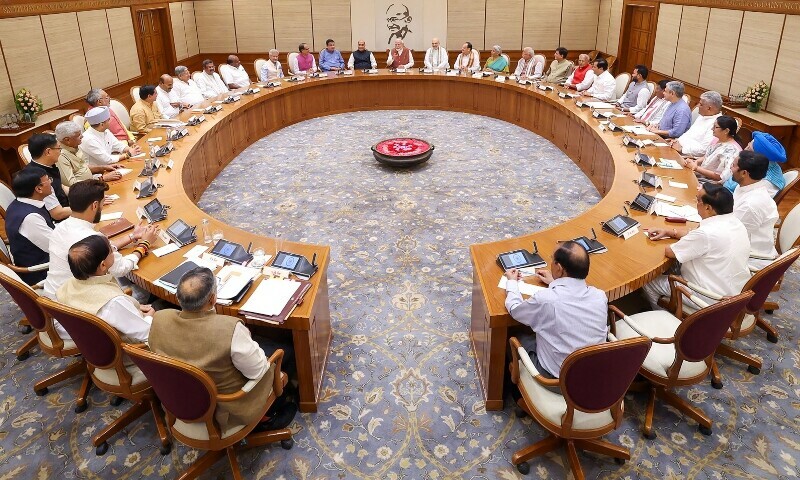
New Delhi, February 14, 2026 — According to Parliament News, that The Indian economic growth plan entered a new phase this week as the Union Cabinet approved major infrastructure, urban development, and startup support initiatives aimed at strengthening the nation’s long term economic trajectory. Officials described the measures as a coordinated strategy designed to accelerate capital investment, improve productivity, and expand employment opportunities across key sectors.
The announcement positions the Indian economic growth plan as a central pillar of national policy in 2026, reinforcing India’s ambition to remain one of the fastest growing major economies in the world.
Infrastructure Investment at the Core
A substantial share of the approved allocation targets transport corridors, highways, freight rail expansion, and port modernization. Policymakers believe infrastructure modernization is essential for sustaining the Indian economic growth plan over the next decade.
Improved highways and logistics networks are expected to reduce supply chain bottlenecks and cut transportation costs for manufacturers. Freight rail upgrades will strengthen export competitiveness by ensuring faster delivery times to ports.
Economists note that capital expenditure in infrastructure typically generates multiplier effects. Steel, cement, engineering, and construction industries stand to benefit immediately, while long term productivity gains strengthen overall GDP growth.
Government officials emphasized that infrastructure investment is not only about physical assets but also about enabling economic resilience in an increasingly competitive global environment.
Urban Development and Smart Expansion
Urban modernization remains another critical pillar of the Indian economic growth plan. Rapid urbanization continues across India, placing pressure on housing, sanitation, public transportation, and digital infrastructure.
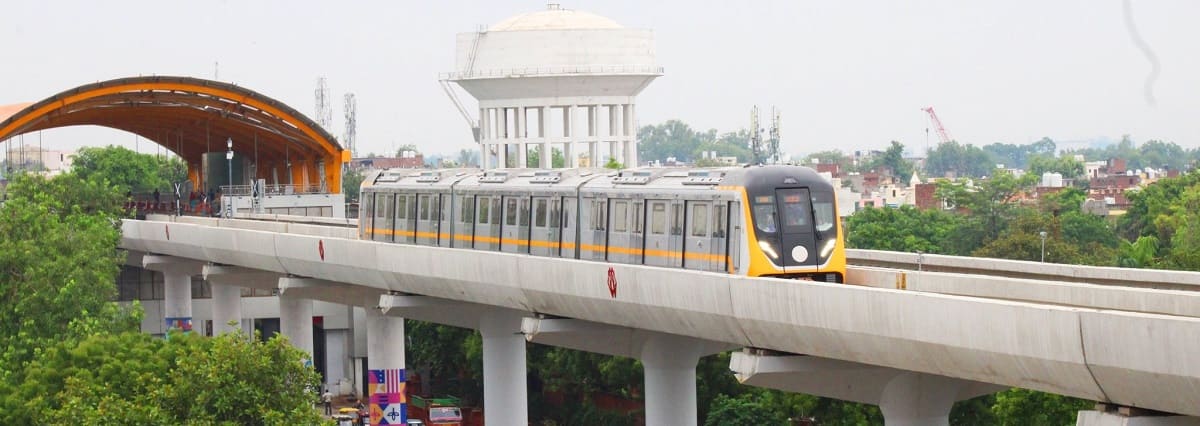
Cabinet approvals include metro rail expansions, affordable housing initiatives, upgraded water supply systems, and smart city technologies. These projects are designed to create sustainable urban ecosystems capable of supporting growing populations.
Urban economists argue that well planned city development improves labor mobility, reduces congestion costs, and attracts foreign direct investment. Investors often consider urban stability and infrastructure quality when determining long term commitments.
The government’s approach links urban transformation directly to economic performance, ensuring that cities function as growth engines rather than bottlenecks.
Startup Ecosystem and Innovation Support
Innovation and entrepreneurship have become defining features of the Indian economic growth plan in recent years. India now hosts one of the largest startup ecosystems globally, with companies spanning fintech, artificial intelligence, biotechnology, renewable energy, and e commerce.
The newly approved measures expand credit guarantees, simplify regulatory procedures, and increase access to venture funding. By lowering entry barriers, policymakers aim to foster innovation driven employment growth.
A senior cabinet member stated,
“Our strategy is to combine infrastructure expansion with entrepreneurial energy to secure sustainable development for the coming decade.”
Startup acceleration is viewed as a catalyst for high value job creation, particularly among younger demographics. The technology sector continues to contribute significantly to export earnings and global investment interest.
Fiscal Discipline and Budget Alignment
Despite the scale of investment, officials stressed adherence to fiscal responsibility. The Indian economic growth plan operates within defined budget frameworks designed to balance development spending with debt sustainability.
Finance ministry representatives confirmed that capital expenditure would be phased to avoid macroeconomic instability. Controlled borrowing and revenue growth projections underpin the funding structure.
Financial analysts observe that disciplined public spending improves investor confidence. When markets perceive stability and transparent planning, capital inflows often increase.
The balance between expansionary development and fiscal caution remains central to long term economic credibility.
Employment and Labor Market Impact
Large scale infrastructure and urban initiatives are expected to generate direct and indirect employment opportunities. Construction and engineering sectors typically experience immediate hiring surges during project implementation phases.
Small and medium enterprises also benefit through subcontracting and supply chain participation. As projects progress, increased commercial activity stimulates demand across retail, logistics, and service industries.
Labor economists emphasize that skill development programs aligned with infrastructure expansion are critical to maximizing workforce participation. Training initiatives are likely to accompany project rollouts to ensure sustainable job integration.
The Indian economic growth plan places significant emphasis on inclusive employment, targeting both urban and semi urban populations.
Global Economic Positioning
India’s role in global supply chains continues to expand, particularly as multinational corporations diversify manufacturing bases. Infrastructure upgrades strengthen India’s competitiveness in electronics, pharmaceuticals, automotive production, and renewable energy components.
Trade analysts suggest that improved ports and logistics corridors enhance export efficiency. Combined with stable macroeconomic indicators, these developments increase India’s appeal as a long term investment destination.
The Indian economic growth plan also aligns with broader regional partnerships and cross border trade agreements, supporting integration with global markets.
Strategic economic positioning has become increasingly important amid global economic uncertainty.
Regional Connectivity and Balanced Development
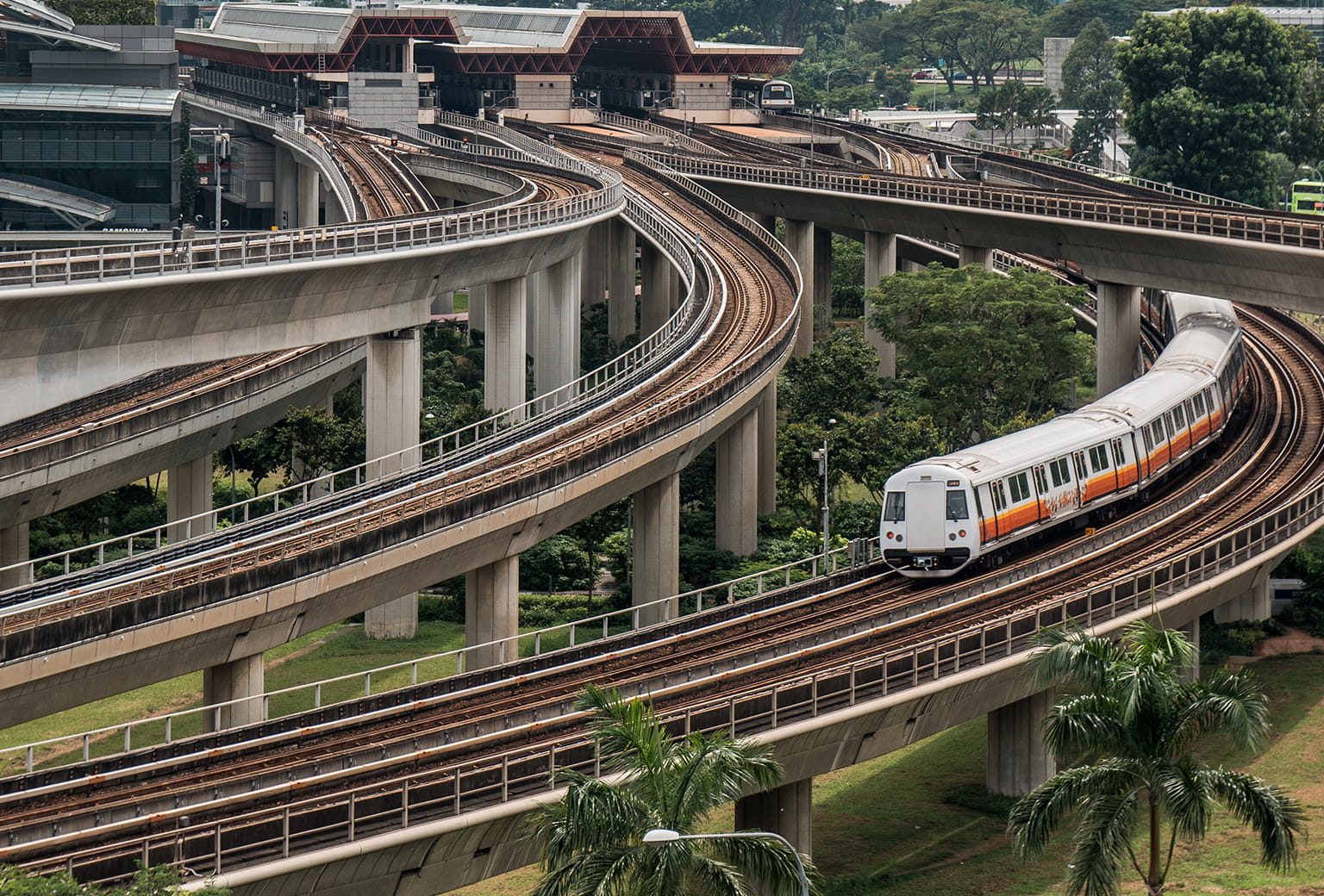
Beyond metropolitan areas, policymakers aim to extend benefits into smaller cities and emerging industrial corridors. Improved connectivity reduces regional disparities and supports balanced economic participation.
Enhanced transportation and digital infrastructure can attract manufacturing units and technology hubs outside major cities. This decentralization reduces migration pressure while promoting regional prosperity.
Balanced growth strengthens social cohesion and expands consumer markets across the country. Rural connectivity initiatives further integrate agricultural producers into national supply chains.
The broader goal is to ensure that economic momentum extends beyond traditional urban centers.
Market Response and Investor Sentiment
Initial market reactions reflected optimism in infrastructure and capital goods sectors. Publicly listed construction and engineering companies saw increased trading activity following the announcement.
Investment strategists highlight that sustained capital spending supports long term earnings growth for industrial firms. Global portfolio managers often consider infrastructure expansion a signal of economic stability and policy continuity.
The Indian economic growth plan reinforces expectations that India will maintain a steady expansion trajectory relative to other major economies.
Market observers caution, however, that effective implementation will determine the scale of long term benefits.
Policy Continuity and Strategic Vision
Policy analysts note that sustained development initiatives demonstrate long term strategic planning. Consistency in economic direction reduces uncertainty for domestic and foreign investors.
The integration of infrastructure, urban reform, and startup support indicates a multi dimensional growth strategy rather than isolated spending measures.
The Indian economic growth plan is increasingly framed as a structured national transformation blueprint rather than a single budget cycle initiative.
Such coordinated policy direction often enhances global credibility.

Implementation Challenges Ahead
While the strategy has been broadly welcomed, experts acknowledge potential challenges. Timely land acquisition, environmental clearances, and project management efficiency remain critical variables.
Delays in execution can reduce projected economic multipliers. Transparent monitoring mechanisms and digital oversight systems are expected to support accountability.
Infrastructure economists emphasize that successful delivery will determine whether the projected productivity gains materialize fully.
Nonetheless, the comprehensive design of the Indian economic growth plan suggests preparation for long term structural progress.
Outlook for 2026 and Beyond
Looking ahead, sustained monitoring of project timelines, budget allocation efficiency, and private sector participation will shape overall outcomes.
If executed effectively, the current investment cycle may significantly strengthen India’s industrial capacity, urban livability, and innovation leadership.
The Indian economic growth plan represents a coordinated effort to align fiscal discipline, infrastructure modernization, and entrepreneurial expansion under a unified economic framework.
From Blueprint to Transformation
The broader ambition extends beyond short term stimulus. By combining physical infrastructure, urban modernization, startup empowerment, and regional inclusion, policymakers aim to convert strategic planning into measurable national transformation.
As 2026 unfolds, the success of the Indian economic growth plan will depend on disciplined implementation, sustained investor confidence, and continued integration with global markets.
The coming years may determine whether this framework evolves into one of the defining economic milestones of modern India.