

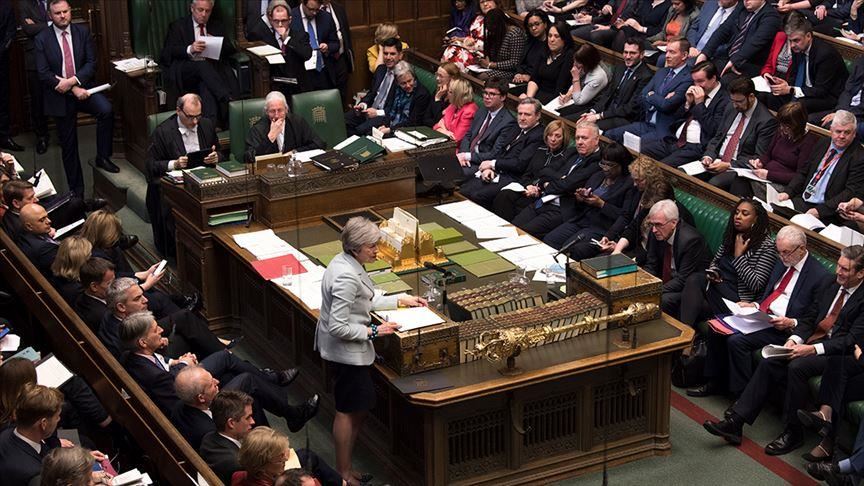
London, United Kingdom – February 16, 2026 – Parliament News — Lawmakers convened in Westminster today as the Parliament Debate 2026 entered a decisive stage, placing energy affordability, infrastructure modernization, and fiscal responsibility at the forefront of national discussion. The session reflects mounting public attention on household utility costs and long term energy resilience. Political leaders across party lines acknowledged that the Parliament Debate 2026 represents one of the most consequential legislative moments of the year.
Economic pressures and shifting global market dynamics have shaped the tone of the Parliament Debate 2026. Members of Parliament are weighing a combination of short term consumer protections and structural reforms designed to stabilize pricing and encourage domestic energy development. The debate unfolds at a time when households and businesses alike are seeking predictability in an uncertain economic climate.
Economic Realities Shape the Legislative Conversation
The Parliament Debate 2026 is unfolding against a backdrop of moderated inflation but continued fiscal caution. Wholesale energy prices have shown relative stabilization compared to earlier volatility, yet domestic cost structures remain sensitive to global supply shifts. Lawmakers emphasize that reform must address both immediate affordability concerns and long term system resilience.
Government representatives argue that infrastructure investment and regulatory refinement are essential for future stability. Opposition members counter that consumer safeguards must take precedence, particularly for vulnerable households. The Parliament Debate 2026 highlights the difficulty of aligning fiscal prudence with urgent economic relief.
Financial analysts observing Westminster suggest that decisions emerging from the Parliament Debate 2026 could influence growth projections and investor sentiment. The interaction between regulatory policy and market confidence remains central to deliberations.
Household Affordability at the Center of Public Attention
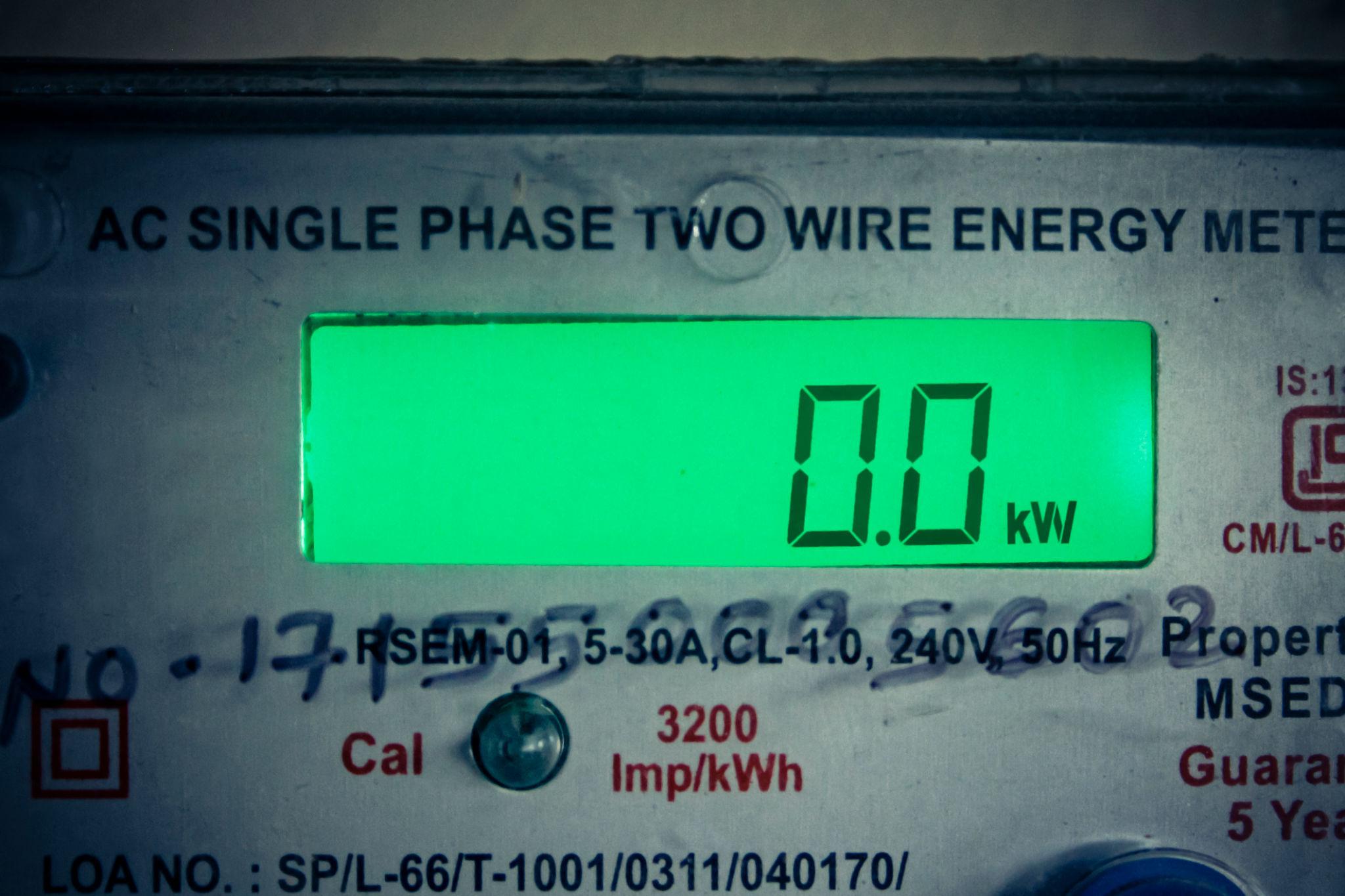
For citizens across London and the broader United Kingdom, the Parliament Debate 2026 carries tangible implications. Energy costs continue to represent a meaningful share of household budgets, influencing spending patterns and financial planning.
Advocacy groups have urged lawmakers to implement measures that deliver clarity and predictability. Among proposals discussed during the Parliament Debate 2026 are adjustments to price cap mechanisms and expanded eligibility for targeted support programs. Policymakers stress that transparency in billing practices may help restore public trust.
One senior Member of Parliament stated,
“Our responsibility is to deliver stability for families while building a sustainable framework for the future.”
The remark encapsulates the dual priorities expressed throughout the Parliament Debate 2026.
Infrastructure Modernization and Renewable Expansion
Energy infrastructure modernization forms a cornerstone of the Parliament Debate 2026. Advocates of accelerated renewable investment argue that increased domestic generation capacity can mitigate exposure to international market fluctuations.
Wind and solar expansion projects are under review, along with energy storage technologies intended to stabilize supply during peak demand periods. The Parliament Debate 2026 includes detailed discussion of funding structures that balance public investment with private sector engagement.
Critics emphasize the importance of realistic implementation timelines and rigorous oversight. Policymakers acknowledge that effective infrastructure expansion requires careful coordination among regulatory bodies and industry stakeholders.
Regulatory Oversight and Market Transparency
Another central theme in the Parliament Debate 2026 is regulatory accountability. Lawmakers are evaluating expanded oversight powers for regulatory authorities during periods of volatility.
Enhanced disclosure requirements may offer consumers clearer explanations of how rates are calculated. Supporters contend that improved transparency will strengthen public confidence. The Parliament Debate 2026 therefore addresses not only pricing but also communication standards between providers and consumers.
Digital reporting tools capable of real time analysis are also under consideration. These systems may enable earlier detection of supply constraints and provide policymakers with actionable data.
Business Community Perspectives and Economic Balance
The business sector has closely followed the Parliament Debate 2026, recognizing the implications for operational planning and investment decisions. Manufacturing firms, hospitality operators, and small enterprises rely on stable cost environments to forecast expenses accurately.
Industry leaders advocate for balanced reforms that protect consumers without discouraging private investment. The Parliament Debate 2026 reflects the need to reconcile public interest with competitive market conditions.
Economic commentators note that durable reform requires predictable regulatory frameworks. A stable environment encourages innovation and supports long term economic growth.
International Comparisons and Global Policy Context
Energy governance in London does not occur in isolation. The Parliament Debate 2026 draws on comparative analysis of policy frameworks adopted in other European nations. Lawmakers frequently reference international examples when assessing renewable integration and regulatory reform.
Some countries have prioritized rapid transition strategies, while others maintain hybrid models combining traditional and renewable sources. The Parliament Debate 2026 benefits from these global insights, adapting lessons to the domestic context.
International cooperation in research and technology development further informs national strategy. Policymakers emphasize that resilience depends on both domestic initiative and global collaboration.
Historical Evolution of Energy Legislation in Britain
The roots of the Parliament Debate 2026 extend into earlier waves of legislative reform. Market liberalization in previous decades reshaped supplier competition and pricing frameworks. Environmental commitments introduced renewable targets and emissions standards.
Historical experience demonstrates that significant reform often follows periods of economic stress or technological innovation. The Parliament Debate 2026 continues this pattern, blending fiscal recalibration with structural modernization.
Experts observing Westminster suggest that lessons from past regulatory adjustments inform current deliberations. Policymakers appear determined to build upon successful frameworks while avoiding prior shortcomings.
Fiscal Strategy and Budgetary Responsibility
Fiscal planning plays an integral role in shaping outcomes from the Parliament Debate 2026. Treasury officials emphasize that investment initiatives must align with broader economic objectives.
Phased spending approaches are under review to distribute infrastructure costs over extended timelines. Transparent cost assessments aim to preserve market confidence and ensure accountability.
The Parliament Debate 2026 thus integrates financial discipline with reform ambition, underscoring the interconnected nature of governance and economic management.
Civic Engagement and Democratic Participation
Public engagement surrounding the Parliament Debate 2026 has expanded considerably. Community discussions, policy forums, and digital outreach initiatives enable citizens to express perspectives directly to lawmakers.
Surveys indicate strong interest in measures that enhance affordability and sustainability. The Parliament Debate 2026 serves as a focal point for democratic dialogue, reinforcing the importance of transparency in legislative processes.
Observers note that public trust hinges not only on policy substance but also on the openness of deliberation. Clear communication remains essential for maintaining confidence.
Implementation Beyond Legislative Approval
If approved, reforms emerging from the Parliament Debate 2026 will require coordinated implementation across regulatory agencies and industry partners. Administrative oversight and performance monitoring will shape practical outcomes.
Evaluation frameworks are expected to track effectiveness and provide feedback for adjustments. Policymakers acknowledge that reform is an evolving process requiring continued oversight beyond the initial vote.
The Parliament Debate 2026 therefore represents the beginning of a broader transformation rather than its conclusion.

A Defining Chapter in Modern Energy Governance
As proceedings continue in Westminster, the Parliament Debate 2026 stands as a defining chapter in contemporary British policy. Decisions reached in London during 2026 carry implications for households, businesses, and the nation’s economic trajectory.
Balancing affordability, sustainability, and fiscal responsibility remains a complex undertaking. The Parliament Debate 2026 illustrates how democratic institutions respond to economic realities while seeking consensus on forward looking strategies.
The outcomes of this legislative session may shape national energy governance for years to come, influencing both domestic resilience and international perception of policy leadership.