
US economy trade balance widens sharply in Washington 2026 as imports outpace export growth at year end.
Federal data shows the goods gap reaching new highs, drawing attention from policymakers and investors.
Economists say global demand shifts and currency strength continue shaping trade performance.
Washington, United States – February 19, 2026 — According to Parliament News, that The US economy trade balance widened significantly at the end of 2026, drawing renewed attention from policymakers, investors, and global trading partners. According to federal data released in Washington, the US economy trade balance showed a sharp rise in imports during the final quarter, while export growth moderated amid uneven global demand. Economists say the US economy trade balance remains one of the most closely watched indicators of national competitiveness and global economic integration.
December Data Signals Expanding Trade Gap
The final trade report of 2026 revealed a notable shift in goods and services flows. Imports increased at a faster pace than exports, resulting in a wider monthly deficit. Retail inventory restocking and resilient consumer demand were major contributors to the trend.
Analysts observed that the US economy trade balance often fluctuates in December due to seasonal purchasing cycles. However, the scale of this year’s expansion exceeded expectations. Businesses accelerated overseas purchases to stabilize supply chains and secure components before year end adjustments, further influencing the US economy trade balance.
Financial markets reacted cautiously. Currency traders monitored exchange rate movements, while equity investors assessed how the evolving US economy trade balance might affect corporate earnings and manufacturing output.
Drivers Behind the Import Surge
Consumer demand remained firm throughout late 2026. Households continued steady spending on technology, vehicles, and household goods, fueling strong import growth. This sustained demand directly contributed to changes in the US economy trade balance.
The strength of the US dollar also played a measurable role. A stronger currency made foreign goods more affordable for American buyers while placing pricing pressure on exporters. As a result, the US economy trade balance reflected both robust domestic purchasing and external competitiveness challenges.
Economists emphasize that a rising deficit within the US economy trade balance does not necessarily indicate economic weakness. In many instances, higher imports reflect strong domestic investment and consumer activity.
Export Performance in a Slower Global Climate
Exports expanded modestly during the same period. Agricultural shipments remained stable, supported by global food demand, while manufacturing exports experienced uneven performance due to slower growth in parts of Europe and Asia.
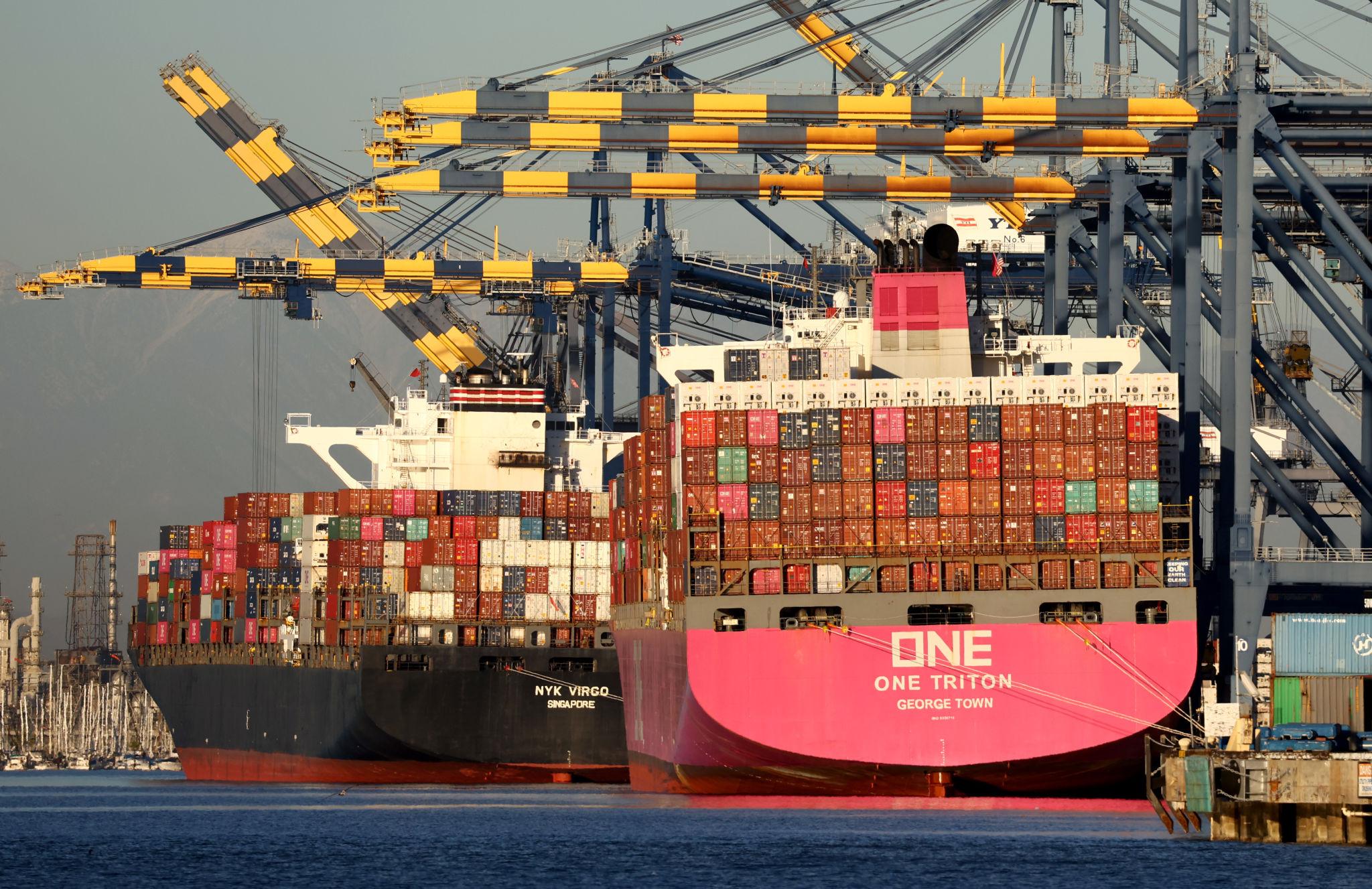
Shipping data showed that freight congestion eased compared with earlier years, yet regional economic uncertainty continued to weigh on foreign demand. Trade experts noted that fluctuations in global growth directly influence the US economy trade balance, especially when international markets soften.
The overall movement of the US economy trade balance therefore reflects both domestic strength and shifting global economic conditions.
Economic Impact and GDP Calculations
Trade plays a central role in gross domestic product calculations. When imports exceed exports, net exports subtract from overall GDP growth. Preliminary estimates suggest the widening gap may moderately affect early 2027 projections, adding fresh scrutiny to the US economy trade balance.
However, broader economic indicators remained relatively stable. Employment levels held steady, and industrial production posted incremental gains. Policymakers caution against drawing sweeping conclusions from a single reporting period, even as the US economy trade balance commands attention.
Investors continue evaluating how developments in the US economy trade balance interact with inflation trends, interest rate policy, and business investment decisions.
Manufacturing and Industrial Capacity
Domestic manufacturers continue facing competition from global producers. A sustained goods deficit highlights ongoing reliance on imported components and finished products, influencing the trajectory of the US economy trade balance.
Federal initiatives targeting semiconductor production, clean energy manufacturing, and advanced technology sectors are designed to strengthen domestic capacity. While such investments may gradually improve the US economy trade balance, structural adjustments require sustained effort.
Industry leaders argue that improving workforce training, supply chain resilience, and innovation ecosystems will be essential in reshaping the US economy trade balance over time.
Policy Debate in Washington
Lawmakers from both parties responded to the latest data with renewed discussion about national trade strategy. Some advocate stricter enforcement of trade agreements, while others emphasize expanding export promotion programs.
Administration officials maintain that balanced growth, rather than abrupt intervention, offers the most sustainable path forward. The US economy trade balance, they argue, must be considered within the broader context of domestic demand, capital flows, and global competitiveness.
One senior economic adviser stated,
“Trade data is a mirror of how deeply interconnected our economy is with the world, and careful strategy is more effective than reaction.”
Currency Movements and Market Reaction
Exchange rate movements significantly shape trade dynamics. The strong dollar throughout 2026 influenced pricing for exporters and importers alike. Analysts expect currency trends to remain a key factor in shaping the US economy trade balance in the months ahead.
Bond markets displayed moderate volatility following the report, reflecting mixed expectations about growth and inflation. Equity markets showed resilience, focusing on sector specific impacts rather than aggregate trade figures.
Global Trade Relationships and Supply Chains
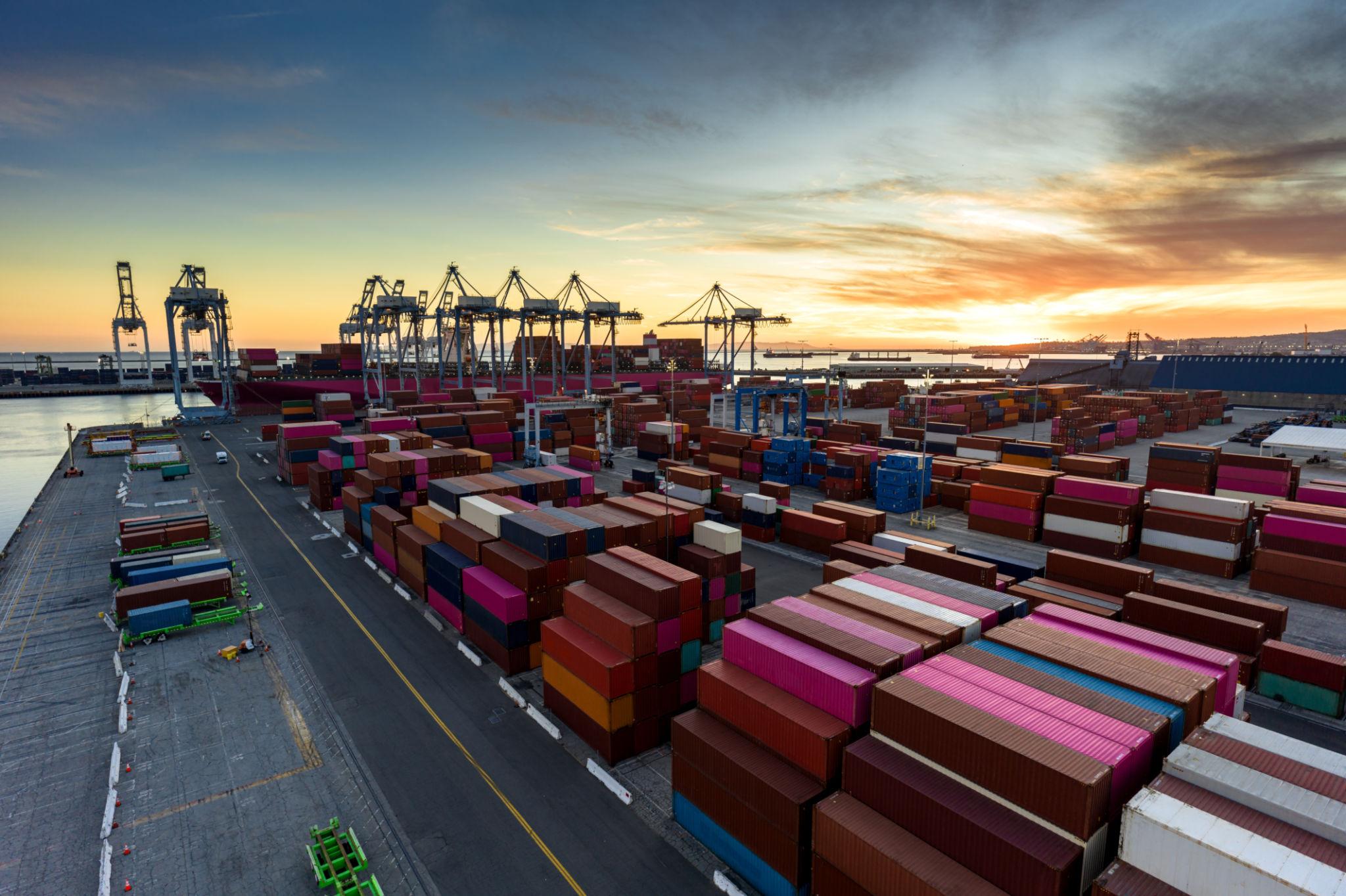
The United States maintains extensive trade relationships with Canada, Mexico, the European Union, and China. Changes in these bilateral flows directly affect the US economy trade balance.
Recent supply chain diversification efforts aim to reduce overreliance on specific regions while preserving open trade channels. Experts note that global production systems remain deeply interconnected, limiting rapid adjustments to the US economy trade balance.
Emerging markets are also playing a larger role in shaping export growth, particularly in technology and agriculture.
Historic Comparison
Historical trade cycles provide valuable context. During previous economic expansions in the late 1990s and mid 2000s, deficits widened alongside strong consumer confidence and rising investment.
Those earlier periods demonstrate that deficits can coexist with economic growth, provided productivity and innovation remain competitive. Analysts caution, however, that structural changes in digital trade, advanced manufacturing, and supply chain integration differentiate today’s environment.
By reviewing historical patterns, policymakers gain insight into whether current movements in the US economy trade balance represent short term fluctuations or deeper structural shifts.
Long Term Structural Considerations
Trade figures extend beyond monthly reports. They are shaped by capital flows, foreign investment, demographic changes, and technological transformation. Economists note that persistent deficits often align with strong capital inflows, offsetting imbalances through financial channels.
The interaction between capital accounts and the US economy trade balance reflects global confidence in American assets. This relationship complicates simplistic interpretations of trade data.
Technological change and reshoring initiatives may gradually influence domestic production capacity. However, adjustments to global supply networks tend to unfold over extended periods.
Looking Ahead to 2027
Forecasts suggest moderate normalization in early 2027 as seasonal import surges ease. Analysts will monitor consumer demand, currency shifts, and international growth patterns as indicators of future direction.
Trade negotiations and continued industrial investment may influence the path of the US economy trade balance. While monthly volatility is common, sustained trends provide clearer signals about competitiveness and resilience.
Businesses and investors are expected to examine upcoming data releases closely for signs of stabilization or renewed expansion.

Economic Resilience in a Globalized Era
As 2026 concludes in Washington, the data underscores the complexity of modern economic interdependence. The US economy trade balance reflects domestic consumption patterns, global demand conditions, and industrial competitiveness.
Although the recent widening has generated debate, it also highlights the scale of American participation in global commerce. Policymakers emphasize careful evaluation rather than reactive measures.
The coming year will determine whether current movements represent a transitional adjustment or a sustained structural evolution. Regardless of short term shifts, the US economy trade balance remains central to discussions about economic opportunity and long term strategic planning in an interconnected world.