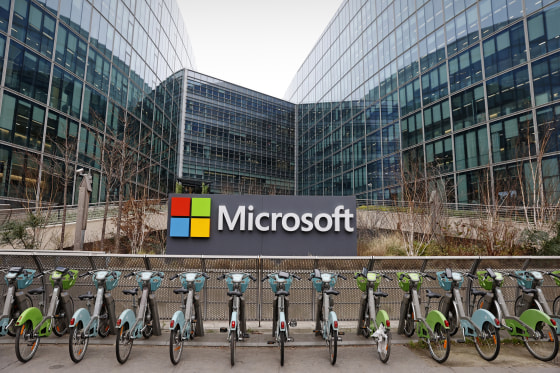
Microsoft unveils its Microsoft Gaming strategy in 2026 from Seattle, outlining major changes to Xbox and cloud gaming.
Executives highlight AI innovation, subscription growth, and global expansion plans.
Industry analysts say the roadmap could redefine digital entertainment competition worldwide.
Seattle, United States – February 21, 2026 — Parliament News confirms that Microsoft executives formally introduced the updated Microsoft Gaming strategy during a high profile technology briefing at the company’s headquarters in Seattle. The 2026 roadmap outlines structural changes across Xbox hardware, subscription services, artificial intelligence integration, and cloud gaming infrastructure.
The announcement positions Seattle as the operational center of Microsoft’s global gaming ambitions. Industry analysts describe the Microsoft Gaming strategy as a carefully calibrated plan that blends continuity with forward looking innovation. The strategy reflects evolving market dynamics, increased regulatory scrutiny, and intensifying global competition in digital entertainment.
Executives emphasized stability while outlining transformative goals that extend beyond traditional console competition. The Microsoft Gaming strategy seeks to integrate hardware, services, and cloud capabilities into a cohesive ecosystem designed for long term scalability.
A Redefined Competitive Blueprint for 2026
The global gaming industry continues to expand across multiple platforms. Revenue now flows through subscriptions, live service models, digital storefronts, and mobile ecosystems. The Microsoft Gaming strategy acknowledges this diversification and aims to strengthen ecosystem integration.
Rather than competing exclusively through hardware cycles, Microsoft’s leadership emphasized platform accessibility. Xbox consoles remain central, yet the Microsoft Gaming strategy extends across PC gaming, mobile devices, and streaming environments. By prioritizing cross platform connectivity, Microsoft aims to maintain consistent engagement regardless of device preference.
Technology analyst Jordan Meyers stated,
“Microsoft’s approach demonstrates a long term vision that moves beyond isolated product launches and toward ecosystem dominance.”
This strategic recalibration reflects broader industry shifts where software and services increasingly outweigh standalone hardware performance metrics.
Subscription Services Drive Sustainable Growth
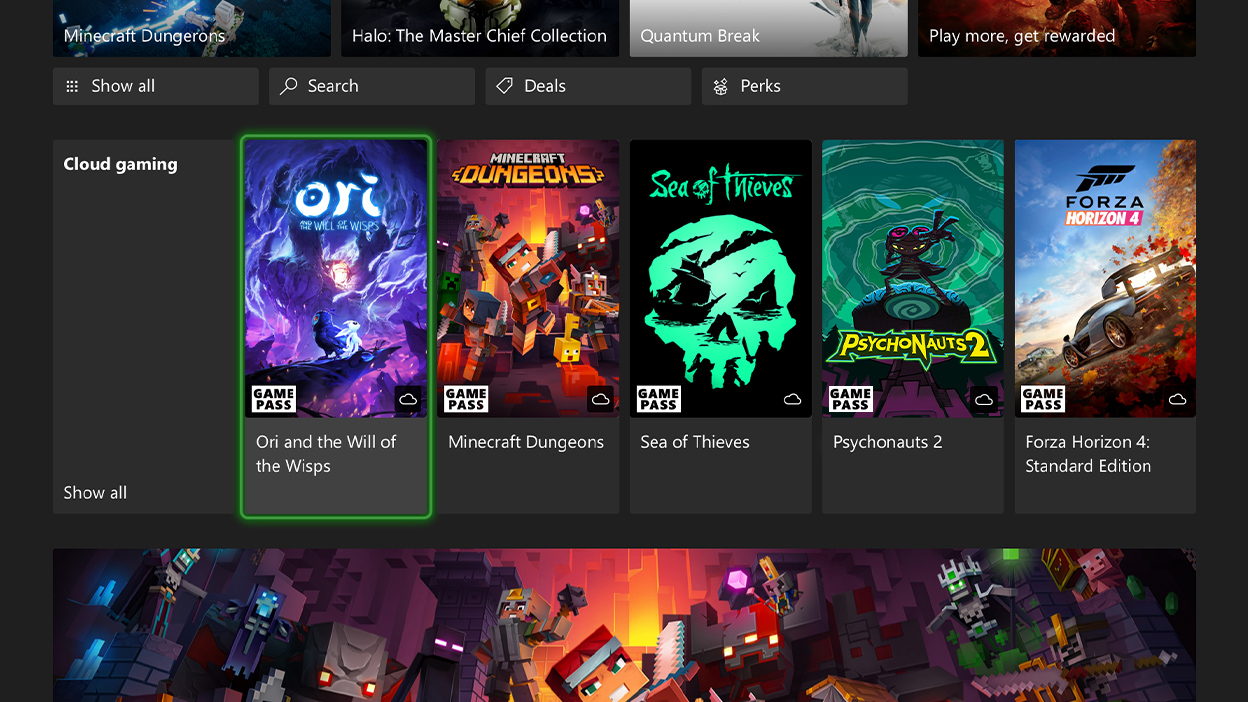
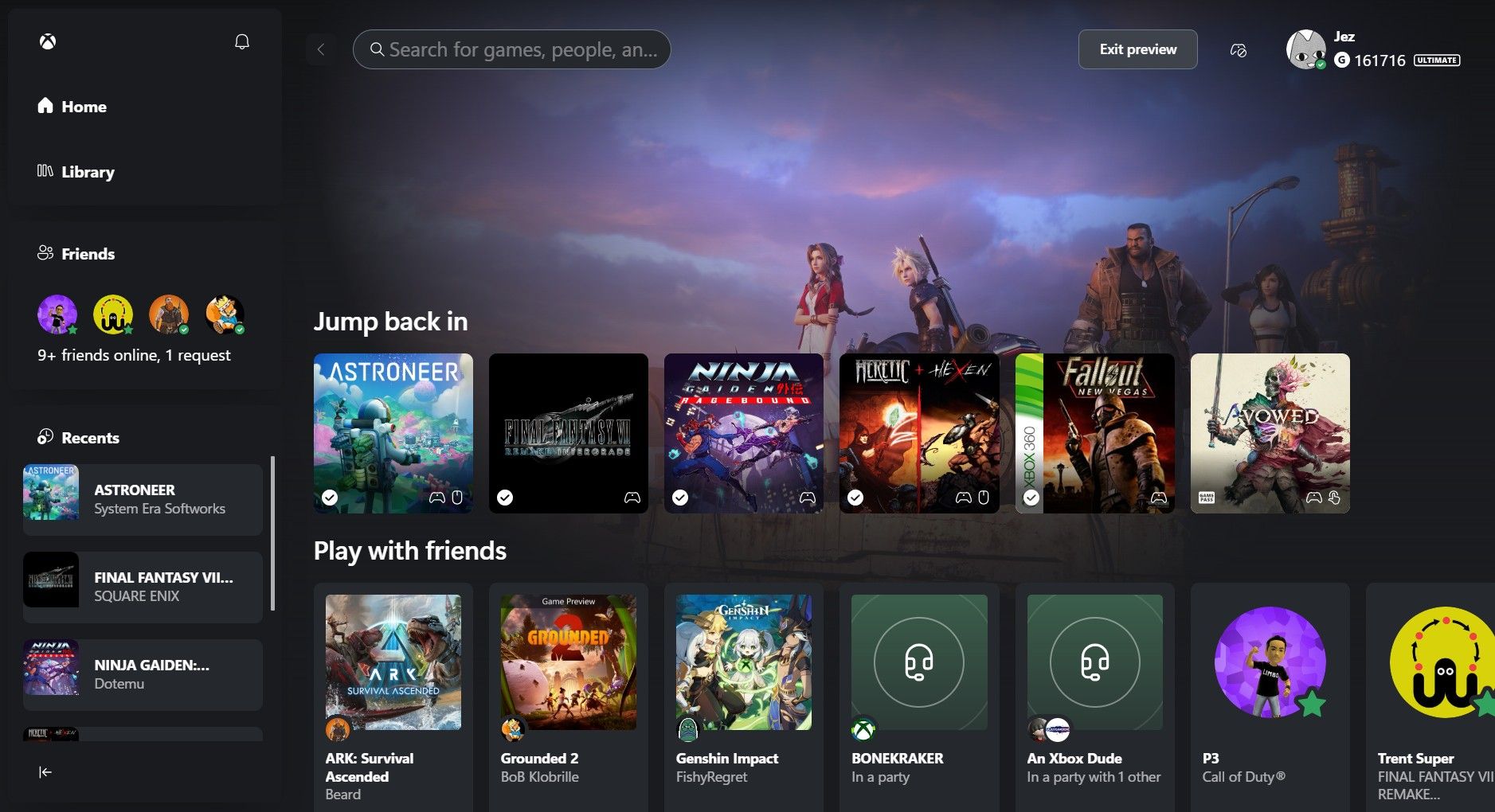
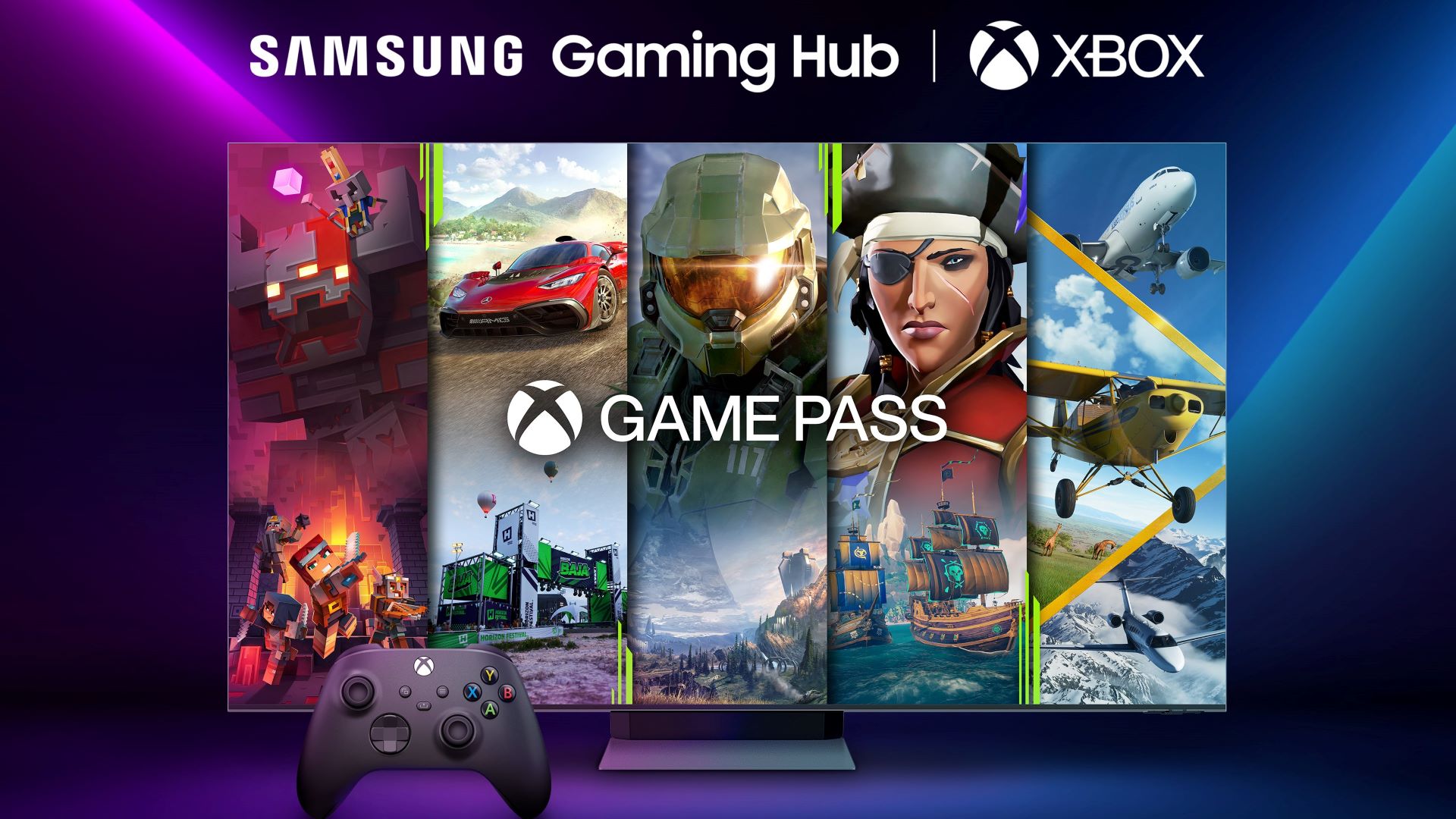
Subscription models remain the economic engine of the Microsoft Gaming strategy. Xbox Game Pass continues to anchor recurring revenue streams while expanding content libraries globally.
Executives reiterated that predictable subscription income enhances financial stability. Instead of relying on one time game purchases, Microsoft fosters ongoing player engagement through curated catalogs and day one releases.
The Microsoft Gaming strategy envisions tiered subscription options tailored to regional markets. Emerging territories may receive flexible pricing structures designed to encourage adoption without sacrificing profitability.
Cloud integration strengthens this subscription framework. By leveraging Azure infrastructure, Microsoft enhances accessibility across multiple regions, reducing hardware dependency. Subscription scalability remains a defining pillar of the Microsoft Gaming strategy in 2026.
Artificial Intelligence Integration Across Platforms
Artificial intelligence plays an increasingly prominent role within the Microsoft Gaming strategy. From adaptive gameplay mechanics to enhanced moderation systems, AI tools support both development efficiency and player experience.
Microsoft’s broader AI investments provide technological synergy. Developers may leverage generative AI for environment creation, dialogue scripting, and real time personalization. These innovations streamline workflows while preserving creative flexibility.
At the Seattle briefing, one executive stated,
“Innovation must empower both creators and communities.”
This philosophy aligns with the Microsoft Gaming strategy’s emphasis on responsible technology deployment. AI integration supports faster production cycles and deeper player immersion without compromising safety standards.
Regulators worldwide continue evaluating AI governance frameworks, reinforcing the importance of ethical compliance in digital entertainment.
Cloud Gaming as a Structural Advantage
Cloud streaming remains central to Microsoft’s competitive positioning. The Microsoft Gaming strategy emphasizes infrastructure expansion to support low latency performance and high availability.
Azure data centers across North America and globally provide scale. This infrastructure allows players to access high quality titles without expensive hardware investments.
Industry consultant Maria Alvarez noted,
“Cloud accessibility reduces entry barriers and expands the total addressable market.”
By embedding Azure services within its gaming ecosystem, Microsoft strengthens synergy between enterprise and consumer divisions. The Microsoft Gaming strategy prioritizes geographic distribution of servers to ensure reliability across diverse markets.
Global Expansion and Market Diversification
Beyond North America and Europe, emerging markets present significant growth opportunities. Smartphone adoption and broadband expansion create fertile conditions for digital entertainment.
The Microsoft Gaming strategy includes localization initiatives, region specific partnerships, and culturally adapted content. Diversifying geographic revenue sources reduces reliance on mature markets.
Currency fluctuations and economic volatility require adaptive pricing models. Microsoft leadership emphasized disciplined expansion rather than aggressive acquisition cycles.
Seattle executives highlighted Latin America, Southeast Asia, and parts of Africa as priority regions for subscription growth. By expanding mobile and cloud capabilities, the Microsoft Gaming strategy positions itself for broader demographic reach.
Financial Stability and Investor Confidence
Financial analysts generally view Microsoft’s gaming division as structurally resilient. Diversified income streams across subscriptions, digital sales, and licensing agreements support consistent growth.
The Microsoft Gaming strategy prioritizes measured capital allocation. Rather than pursuing rapid expansion through large scale acquisitions, executives emphasized integration efficiency and organic growth.
Investor response to the Seattle announcement remained stable. Market observers cite predictable subscription revenue as a stabilizing factor amid broader technology sector volatility.
Sustained investment in research and development ensures that innovation remains aligned with consumer demand and competitive dynamics.
Regulatory Landscape and Policy Engagement
Large technology firms face increasing scrutiny from policymakers worldwide. Antitrust reviews, digital marketplace regulations, and data protection frameworks influence operational decisions.
The Microsoft Gaming strategy incorporates proactive engagement with regulators. Transparent licensing practices and compliance initiatives aim to minimize friction across jurisdictions.
Seattle executives underscored the importance of collaboration with authorities to maintain fair competition standards.
Legal analyst Thomas Reilly observed,
“Strategic compliance planning strengthens long term operational resilience.”
Balancing innovation with regulatory alignment remains critical for sustained expansion.
Competitive Pressures from Global Rivals
Sony, Nintendo, and emerging streaming platforms continue shaping industry competition. Exclusive content, pricing structures, and hardware advancements influence consumer behavior.
The Microsoft Gaming strategy differentiates itself through ecosystem integration rather than isolated exclusives. Cross compatibility across Windows PCs and mobile devices broadens accessibility.
Hardware innovation remains relevant, yet service oriented expansion defines long term objectives. Executives reiterated that sustainable growth outweighs short term market share fluctuations.
Competitive intensity is expected to rise throughout 2026, particularly as next generation titles approach release cycles.
Community Engagement and Brand Integrity
Player trust remains foundational within subscription ecosystems. Transparent communication and inclusive policies reinforce brand credibility.
The Microsoft Gaming strategy emphasizes ongoing dialogue between developers and users. Feedback mechanisms influence updates, content curation, and feature development.
Ethical monetization practices continue shaping consumer expectations. Maintaining affordability while delivering premium experiences represents a delicate balance.
Seattle leadership reaffirmed commitment to community centric engagement, recognizing that loyalty drives subscription retention.
History of Microsoft’s Gaming Transformation
The history of Microsoft’s gaming division reflects a journey from hardware competition to ecosystem integration. Early console generations prioritized technical specifications and exclusive titles.
Over time, strategic recalibration shifted focus toward services and accessibility. Subscription platforms redefined revenue models and expanded global reach.
This evolution informs the Microsoft Gaming strategy in 2026. Lessons from past cycles guide disciplined innovation and risk management.
Seattle has long served as the operational nerve center of this transformation, influencing both product direction and global partnerships.
Workforce Development and Talent Innovation
The gaming sector depends on creative and technical talent. Microsoft continues investing in workforce development to support the Microsoft Gaming strategy.
Cross functional collaboration between engineers, designers, and AI specialists enhances innovation pipelines. Remote work models expand access to global expertise.
Seattle based hiring initiatives aim to strengthen research capabilities and maintain competitive advantage.
Executives emphasized diversity and inclusion as drivers of creative excellence and market adaptability.
Digital Infrastructure and Sustainability Goals
Sustainability considerations increasingly influence corporate strategies. Microsoft integrates environmental responsibility within its broader operations.
Data center efficiency and renewable energy adoption support the Microsoft Gaming strategy by aligning growth with environmental commitments.
Cloud gaming’s energy footprint remains under examination. By optimizing server efficiency and adopting green technologies, Microsoft aims to balance expansion with sustainability.
Industry observers view responsible infrastructure management as essential for long term credibility.
Cultural Influence and Entertainment Impact
Gaming represents more than a commercial sector; it shapes global culture. Microsoft’s franchises influence storytelling, social interaction, and digital communities.
The Microsoft Gaming strategy acknowledges this cultural dimension. Cross media collaborations and transmedia storytelling expand intellectual property beyond gaming platforms.
Seattle’s vibrant technology ecosystem supports creative experimentation and cultural innovation.
As entertainment consumption patterns evolve, gaming continues integrating with broader media landscapes.
The Digital Horizon Ahead
The 2026 roadmap introduced in Seattle outlines a cohesive vision that merges infrastructure, creativity, and compliance. The Microsoft Gaming strategy balances continuity with calculated innovation.
Artificial intelligence, cloud accessibility, and subscription scalability define the trajectory forward. Execution discipline will determine long term impact.
Technology analyst Jordan Meyers summarized,
“The next phase of gaming leadership will be defined by ecosystem integration rather than isolated hardware victories.”
With global markets watching, Microsoft’s strategy represents a pivotal moment in digital entertainment history.
Seattle stands at the forefront of this transformation, shaping how interactive media evolves in the coming decade.