
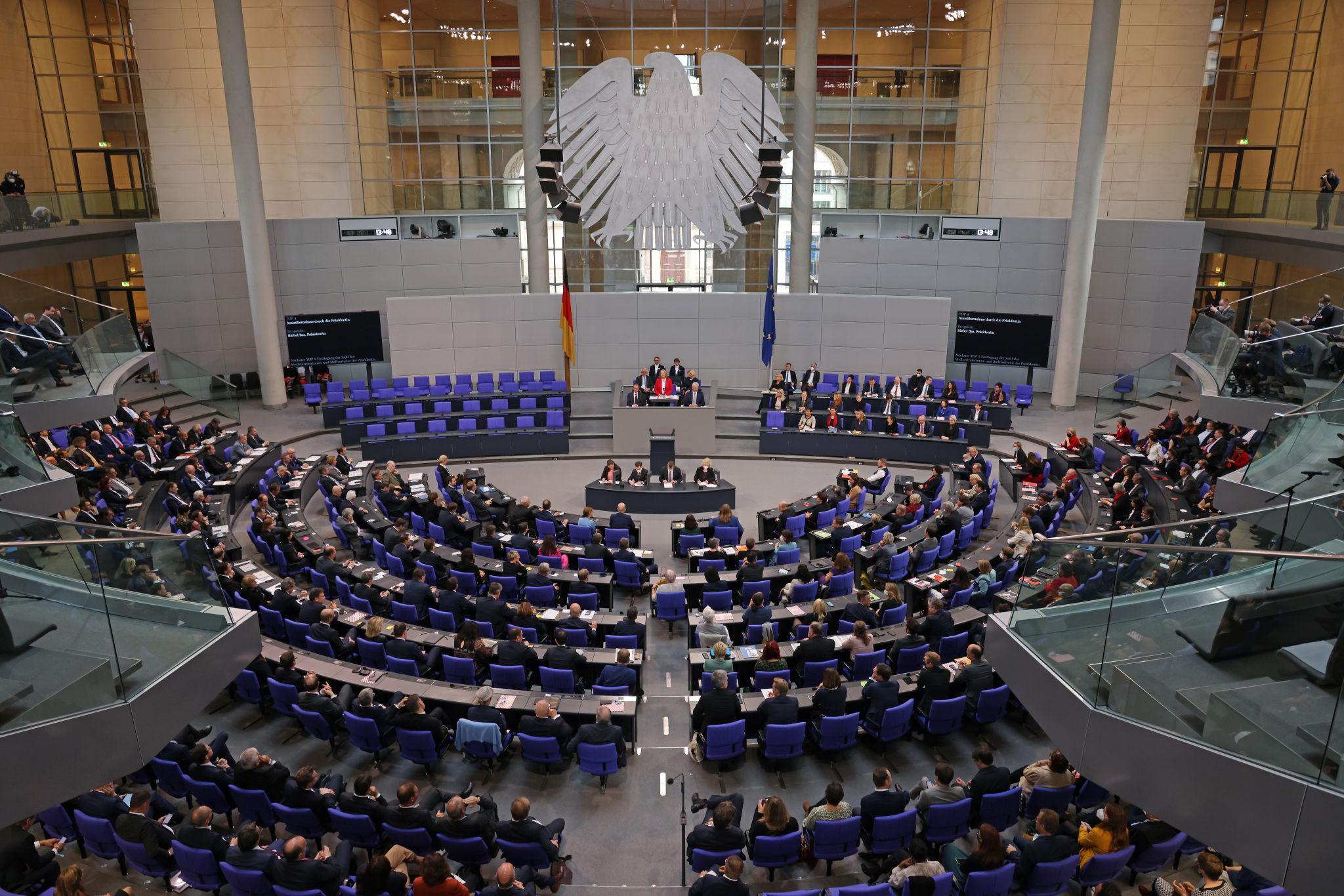
Berlin, Germany – February 21, 2026 – According to Parliament News, that Germany digital regulation has entered a decisive new phase as lawmakers in Berlin debate one of the most comprehensive online governance reforms in the country’s modern history. The proposed legislative package seeks to expand child protection safeguards, strengthen oversight of social media platforms, and reinforce transparency standards for digital companies operating within the German market.
The initiative reflects mounting public pressure to address concerns about youth mental health, data protection, algorithmic influence, and the broader societal impact of technology platforms. While Germany has long maintained strict privacy standards, policymakers now argue that the digital environment demands broader accountability frameworks that move beyond data protection alone.
A Turning Point in National Digital Policy
Germany digital regulation has gradually evolved over the past decade, but 2026 may represent a structural turning point. The current proposal builds on earlier legislation that targeted hate speech and misinformation while aligning national laws with broader European Union digital frameworks.
Coalition leaders describe the reform as necessary modernization. They argue that rapid technological advancement has outpaced legal safeguards, leaving regulatory gaps in areas such as age verification, content moderation transparency, and algorithmic accountability.
Parliamentary committees have conducted extensive consultations with legal scholars, cybersecurity experts, child development specialists, educators, and representatives from the technology sector. These hearings have shaped draft provisions that aim to balance innovation with public protection.
Protecting Children in an Algorithm Driven Era
At the center of Germany digital regulation reform lies a renewed focus on protecting minors from harmful online exposure. Lawmakers cite studies linking excessive social media engagement to anxiety, sleep disruption, and behavioral stress among adolescents.
Proposed measures include stronger age verification requirements for platforms hosting user generated content. Companies may be obligated to deploy advanced verification systems for services likely to attract underage users. Regulators emphasize that such mechanisms must respect privacy while ensuring compliance.
In addition, lawmakers are considering restrictions on algorithmic recommendation systems that amplify addictive engagement patterns. Critics argue that automated content ranking often prioritizes sensational or emotionally charged material, increasing exposure risks for young users.
Educational outreach programs are also expected to expand. Policymakers believe that digital literacy must complement regulation, equipping families and schools with practical tools to navigate online spaces responsibly.
Transparency and Accountability Requirements
Germany digital regulation reform goes beyond child safety. It introduces broader transparency obligations for major technology platforms. Companies may be required to publish detailed reports outlining content moderation practices, response times for illegal content removal, and risk mitigation strategies.
Regulators are exploring mandatory disclosure of algorithmic decision making processes that shape news feeds and recommendations. Lawmakers argue that greater transparency could build public trust while allowing oversight authorities to evaluate systemic risks.
Enforcement mechanisms are likely to include expanded audit powers for federal agencies. Proposed penalties for non compliance may involve significant fines calibrated to company revenue.
Technology firms caution that compliance costs could be substantial. However, policymakers maintain that clear rules create predictable operating environments that ultimately benefit both businesses and consumers.

Industry Reaction and Market Implications
Germany digital regulation has drawn close attention from global technology companies with operations in Berlin and across Germany. Industry associations emphasize the need for harmonization with European Union digital frameworks to avoid regulatory fragmentation.
Corporate representatives have expressed willingness to cooperate but warn against overly rigid mandates. They argue that flexible guidelines encourage innovation while safeguarding user rights.
Economic analysts suggest that the reform could reshape advertising models, particularly regarding targeted marketing to minors. Compliance investments in identity verification and content moderation infrastructure may increase operational costs in the short term.
Nevertheless, supporters contend that improved digital trust may enhance long term economic stability. Consumers may feel more secure engaging with platforms operating under transparent regulatory standards.
Coordination with European Governance Frameworks
Germany digital regulation aligns closely with broader European initiatives focused on digital market fairness and online safety. The European Union has advanced comprehensive digital policy frameworks addressing platform responsibility, data usage, and competition.
German lawmakers emphasize the importance of coordinated enforcement. Cross border collaboration among European regulators could ensure consistent application of rules and prevent companies from exploiting jurisdictional gaps.
Observers note that Germany’s influence within the European Union often shapes regional policy directions. As one of the bloc’s largest economies, Germany’s regulatory stance carries significant weight in continental discussions.
Public Debate and Civil Society Perspectives
Germany digital regulation has sparked a wide ranging public debate. Parent associations largely support stronger safeguards for minors, citing increasing concerns about cyberbullying and harmful online trends. Educators report challenges managing digital distractions in classrooms.
Civil liberties organizations, however, urge caution to ensure reforms do not infringe on free expression or privacy rights. They emphasize the importance of clear legal definitions and proportional enforcement mechanisms.
During parliamentary hearings, one coalition member stated, “Our objective is not to limit opportunity but to establish responsible guardrails that protect children and uphold democratic values in digital spaces.”
That statement reflects the broader tone of the debate, which seeks equilibrium between innovation and accountability.
Enforcement Infrastructure and Legal Clarity
Effective implementation of Germany digital regulation depends on clear enforcement frameworks. Draft proposals grant expanded authority to regulatory bodies to conduct compliance audits and require corrective action plans from non compliant platforms.
Lawmakers are also evaluating whether companies should appoint local compliance officers responsible for liaising with German authorities. Such measures could streamline oversight and enhance responsiveness.
Legal experts stress that clarity in statutory language will be critical. Precise definitions of harmful content and transparent appeals processes may reduce litigation risks and ensure predictable outcomes.
The federal government has indicated that implementation guidelines will accompany final legislation to assist both regulators and companies in navigating new obligations.

Historic Comparison
Germany digital regulation reform invites comparison with earlier landmark regulatory moments in the country’s history. In the early 2000s, Germany strengthened data privacy protections, establishing one of the strictest frameworks in Europe. That shift influenced continental standards and positioned Germany as a leader in privacy governance.
Similarly, the Network Enforcement Act introduced in 2017 set important precedents for addressing online hate speech. Critics initially questioned its enforceability, yet it became a reference model in global discussions about platform accountability.
Today’s reform effort echoes those earlier transitions. Each phase reflected societal adaptation to emerging technological realities. Just as industrialization prompted labor protections and environmental safeguards, digital transformation is prompting new governance models.
While historical context differs, the underlying principle remains consistent: regulatory evolution often follows technological disruption.
Political Landscape and Strategic Considerations
Germany digital regulation has become a focal issue within coalition politics. Leaders present the reform as evidence of proactive governance in an era of rapid digital change. Opposition parties have expressed cautious support while proposing amendments to refine enforcement details.
Regional governments are monitoring developments closely, as digital oversight responsibilities often intersect with state level authorities. Coordination between federal and regional bodies will be necessary to ensure uniform application.
International observers view the reform as part of a broader global shift toward stronger platform accountability. Countries in Europe, North America, and Asia are evaluating similar frameworks aimed at balancing innovation with public safety.
Long Term Implications for the Digital Ecosystem
Germany digital regulation may reshape the relationship between users, platforms, and the state. By codifying transparency standards and youth protection safeguards, lawmakers aim to recalibrate digital responsibility.
Experts anticipate that compliance driven innovation may emerge as companies develop advanced moderation technologies and privacy preserving verification tools. These solutions could become exportable services within global markets.
At the same time, policymakers acknowledge that regulation must remain adaptable. Digital ecosystems evolve rapidly, and static legal frameworks risk obsolescence. Periodic legislative reviews may become standard practice.
Public trust stands at the center of the reform’s objectives. Lawmakers believe that clear accountability standards can strengthen democratic resilience and social cohesion in digital spaces.