
Court filings in New York reveal internal warnings about the Facebook Messenger encryption plan.
Meta executives reportedly debated privacy risks and compliance implications.
The disclosure fuels global scrutiny over encrypted messaging policies in 2026.
New York, United States – February 24, 2026 — Parliament News confirms that newly disclosed court filings in 2026 have intensified scrutiny surrounding the Facebook Messenger encryption plan, revealing internal executive concerns prior to its expanded implementation. The documents, entered into ongoing legal proceedings, highlight leadership debate within Meta Platforms and reignite international discussion over digital privacy safeguards, public safety considerations, and corporate governance accountability.
Court Filings Expose Executive Concerns
Newly surfaced legal documents filed in New York reveal that a senior executive raised concerns during internal discussions about the Facebook Messenger encryption plan. According to the court materials, the executive warned that aspects of the initiative could create operational and regulatory complications if not carefully implemented.
The filings describe exchanges in which company leadership evaluated the benefits of expanding encryption alongside potential safety tradeoffs. While encryption strengthens user privacy protections, internal communications reportedly questioned how expanded safeguards might affect detection of harmful behavior.
Meta has publicly maintained that encryption enhancements reflect user expectations and industry best practices. A company spokesperson stated,
“Our goal is to deliver private, secure communication while continuing to invest in advanced safety technologies to protect our community.”
The legal disclosure has placed the company’s decision making process under closer examination, particularly as digital regulation continues to evolve in the United States and abroad.
What the Encryption Expansion Means
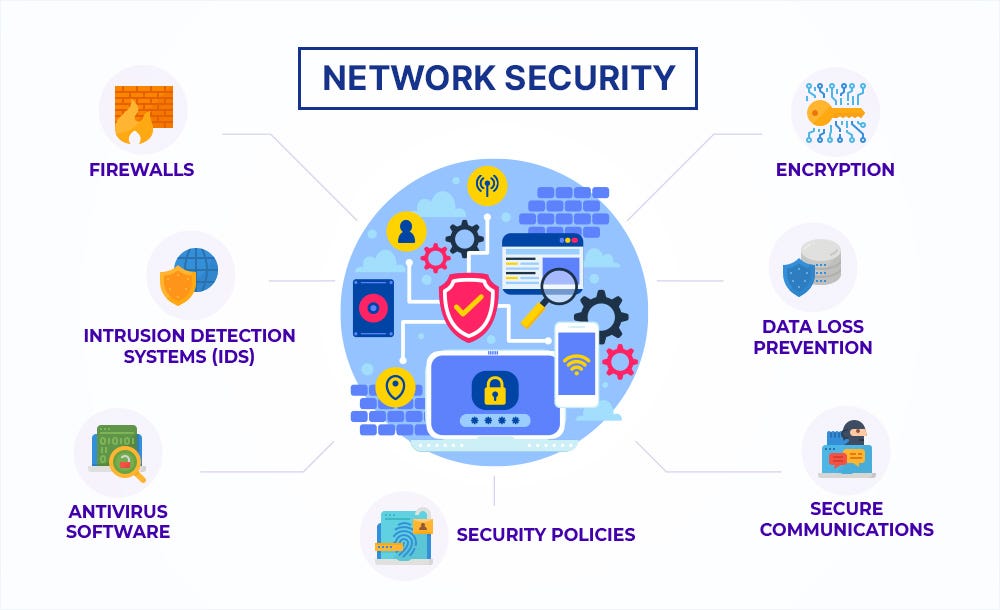
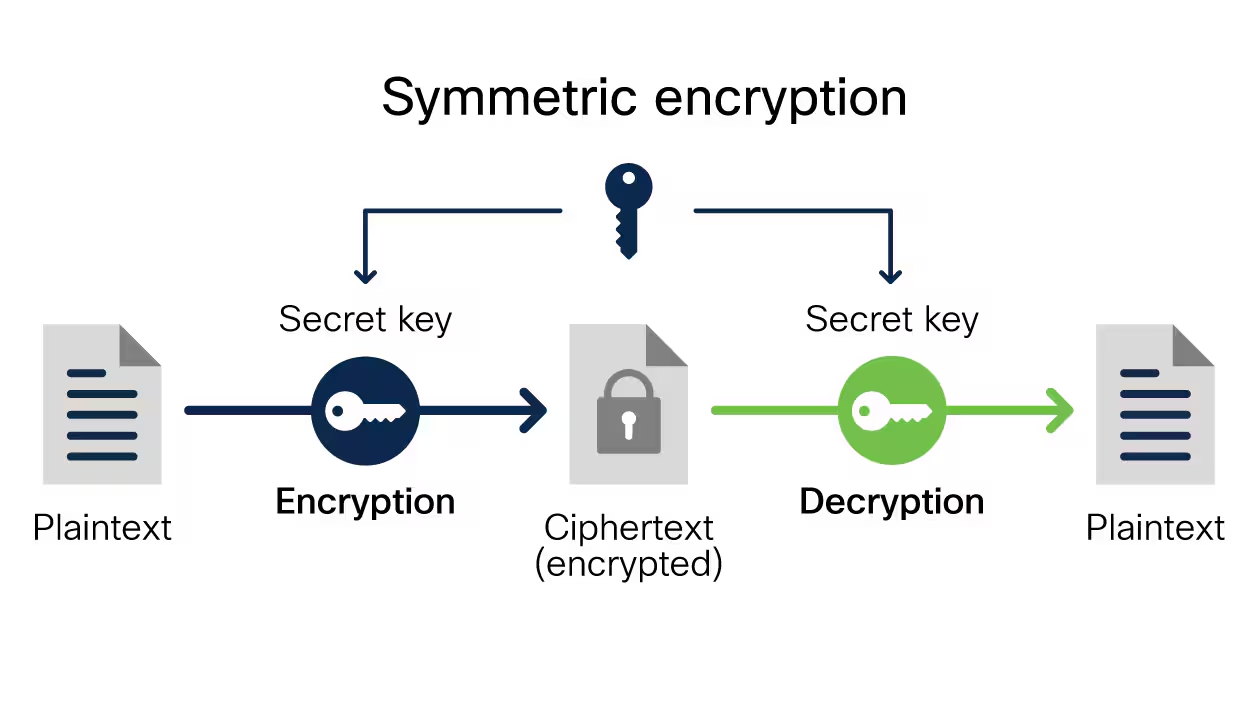
The Facebook Messenger encryption plan centers on broadening end to end encryption across private messages. Under this structure, only the sender and recipient can access message content, preventing third parties including the platform itself from reading conversations once encryption is active.
End to end encryption has become a standard security expectation in modern digital communication. Users increasingly demand that their personal conversations remain shielded from hackers, data breaches, and unauthorized surveillance.
However, implementing encryption at global scale requires extensive infrastructure redesign and compliance assessment. Internal discussions referenced in the court filings suggest leadership weighed both technological benefits and regulatory complexities before advancing the Facebook Messenger encryption plan.
Encryption, while protective, introduces new challenges in monitoring abuse patterns and responding to emerging digital threats.
Privacy Versus Public Safety Debate Intensifies
The controversy surrounding the Facebook Messenger encryption plan reflects a longstanding tension between privacy rights and public safety responsibilities. Advocates argue that encryption is essential for safeguarding civil liberties, protecting journalists, and defending individuals from cyber exploitation.
Critics contend that fully encrypted messaging platforms may complicate investigative efforts by limiting visibility into criminal activity. Law enforcement agencies have repeatedly expressed concern that encrypted systems can create investigative blind spots.
A cybersecurity policy expert in New York commented,
“Encryption is not the problem. The challenge lies in designing systems that preserve privacy while proactively addressing abuse risks.”
The renewed scrutiny in 2026 underscores the difficulty of balancing competing priorities in digital governance.
Regulatory Context in the United States
New York has become a focal point for technology related legal proceedings, particularly as federal and state authorities refine digital oversight frameworks. The disclosure related to the Facebook Messenger encryption plan arrives amid broader conversations about data protection standards and platform accountability.
Regulatory agencies continue evaluating how large technology firms assess risk before implementing structural platform changes. Internal communications revealed through litigation often play a role in shaping regulatory interpretation.
Legal analysts note that executive debate does not inherently signal wrongdoing. Instead, it may reflect comprehensive internal evaluation processes. However, once such discussions enter the public record, they can influence how regulators assess corporate transparency and risk mitigation practices.
Corporate Governance and Transparency
When leadership disagreements become part of formal court filings, they frequently reshape public perception. The Facebook Messenger encryption plan now stands as a case study in how governance decisions within major technology firms unfold under scrutiny.
Corporate governance specialists suggest that internal critique strengthens strategic outcomes. Healthy debate can identify vulnerabilities and refine implementation strategies.
However, stakeholders including investors, policymakers, and users often examine whether concerns were sufficiently addressed before rollout. Transparency in decision making processes increasingly influences public trust.
Meta has reiterated that encryption expansion aligns with global privacy standards and evolving user expectations.
Industry Wide Implications
Encrypted messaging has become a competitive necessity across the technology sector. The scrutiny surrounding the Facebook Messenger encryption plan may influence industry best practices and regulatory alignment.
Other messaging platforms have implemented similar encryption systems. If regulators respond with new compliance standards, those measures could extend across the broader industry.
Technology policy observers suggest the next phase of digital governance may emphasize layered safety tools that detect harmful behavior patterns without compromising message content.
The developments in New York may therefore resonate far beyond a single platform.
Market Reaction and Investor Perspective
Financial markets have responded cautiously to the court disclosure. Analysts note that encryption infrastructure is a long term strategic investment rather than a short term revenue driver.
Nevertheless, reputational considerations can influence investor sentiment. Public trust in privacy protections remains a critical component of platform sustainability.
Meta’s diversified operations provide resilience against isolated controversies. However, continued regulatory pressure could influence long term compliance costs and strategic planning.
Investors will likely monitor how the company navigates regulatory engagement in 2026.
Historical Evolution of Messaging Encryption
Encrypted messaging services have evolved significantly over the past two decades. Early digital platforms offered limited privacy safeguards, leaving conversations susceptible to interception.
As cybersecurity threats intensified in the early 2010s, demand for stronger encryption accelerated. Public awareness campaigns and high profile data breaches reinforced the importance of secure communication channels.
The Facebook Messenger encryption plan represents part of this broader historical progression. Encryption transitioned from a niche feature to an industry standard expectation.
However, the internal warning disclosed in 2026 highlights how scaling encryption across billions of users introduces governance complexity. History demonstrates that privacy innovation often triggers regulatory reassessment.
Each technological shift brings renewed debate about balancing rights and responsibilities.
Legal Proceedings and What Comes Next
The legal proceedings unfolding in New York remain active. Additional document releases may further clarify internal deliberations related to the Facebook Messenger encryption plan.
Legal scholars suggest that court disclosures frequently influence policy debates beyond the immediate case. Transparency gained through litigation can shape regulatory priorities and legislative proposals.
Meta continues to affirm its commitment to secure communication infrastructure. Company representatives emphasize ongoing investment in artificial intelligence driven detection systems designed to identify harmful patterns without accessing private content.
Observers anticipate sustained dialogue between regulators and technology firms throughout 2026.
Global Digital Policy Crossroads
The Facebook Messenger encryption plan controversy reflects a broader global crossroads in digital governance. Governments worldwide grapple with harmonizing privacy rights and public safety mandates.
International regulatory frameworks often diverge in philosophy and enforcement approach. Multinational companies must therefore navigate complex compliance landscapes.
New York’s role in the current proceedings underscores the interconnected nature of global technology oversight. Decisions reached in one jurisdiction frequently influence policy debates elsewhere.
Encryption remains one of the most consequential issues in modern digital policy.

A Turning Point for Digital Accountability
As 2026 progresses, the Facebook Messenger encryption plan stands at the center of discussions about accountability within major technology platforms. Encryption decisions now carry legal, ethical, and geopolitical implications.
The internal executive concern revealed in court filings illustrates the complexity of implementing privacy enhancements at scale. Corporate leadership must weigh innovation against compliance realities.
Whether this episode results in regulatory refinement or reinforces current encryption strategies remains uncertain. What is evident is that digital communication systems shape the daily lives of billions.
Decisions surrounding encryption infrastructure will influence trust, governance, and public safety standards for years to come.