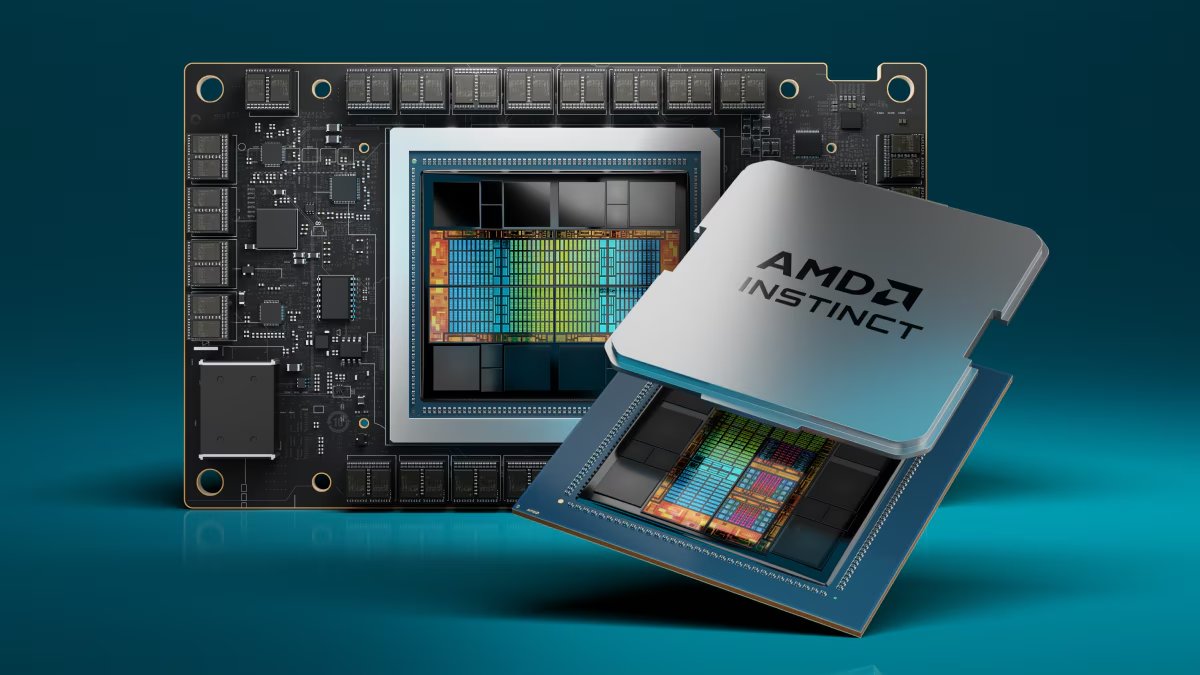
The AMD Meta partnership in 2026 marks a powerful expansion of AI chip supply in San Francisco.
The agreement strengthens data center infrastructure and accelerates competition in the semiconductor market.
Industry analysts say the move positions both companies at the forefront of global AI innovation.
San Francisco, United States – February 24, 2026 — According to Parliament News, that The AMD Meta partnership announced in San Francisco in 2026 represents one of the most significant semiconductor developments of the year. As artificial intelligence systems expand in scale and complexity, demand for advanced computing hardware continues to surge. This collaboration signals a strategic acceleration in high performance data center deployment and AI processing capacity.
The agreement strengthens supply commitments for AMD’s advanced accelerator chips, designed to power Meta’s rapidly expanding AI infrastructure. Industry analysts describe the development as a powerful shift in competitive positioning within the global semiconductor market.
Artificial intelligence has evolved from a research driven discipline into a commercial engine powering advertising systems, immersive digital platforms, enterprise automation tools, and generative technologies. Behind every innovation lies a foundation of high performance silicon engineered for speed, efficiency, and scalability.
The timing of this breakthrough is critical. Global AI investment has reached record levels, with hyperscale technology companies racing to secure the most advanced computing platforms. In this environment, supply certainty and architectural efficiency have become strategic priorities.
The Expanding Scope of the Collaboration
The expanded AMD Meta partnership deepens a relationship centered on next generation AI accelerators. These processors are designed to handle large scale model training, inference optimization, and advanced neural network operations across massive server clusters.
Meta operates some of the largest data center networks in the world. Its infrastructure supports billions of users across social platforms, messaging services, and immersive digital ecosystems. Artificial intelligence is embedded throughout these systems, from recommendation algorithms to virtual environment simulations.
AMD’s data center portfolio, including its Instinct accelerator line, is engineered for high throughput parallel computing. These chips enable AI workloads to process vast datasets efficiently while maintaining energy performance standards.
The renewed supply agreement reflects confidence in AMD’s engineering roadmap and manufacturing capacity. For Meta, diversified chip procurement strengthens supply chain resilience and operational continuity.
Technology Driving the AI Surge
The semiconductor architecture underpinning this development focuses on advanced GPU accelerators optimized for machine learning. These chips feature high bandwidth memory, fast interconnect technology, and scalable compute frameworks designed to handle matrix operations at exceptional speeds.
The AMD Meta partnership underscores how specialized AI silicon differs from traditional processors. Modern AI training requires distributed systems capable of handling billions of parameters simultaneously. Efficiency at scale becomes essential.
AMD has invested heavily in chip design innovation, balancing raw performance with power efficiency. In hyperscale environments, even marginal improvements in energy consumption can translate into substantial cost savings over time.
Meta’s engineering teams are expected to integrate these accelerators into training clusters that support both experimental research models and production scale deployments. The coordination between hardware and software optimization is likely to play a key role in achieving maximum performance gains.
Market Response and Investor Sentiment
Financial markets reacted positively to confirmation of the strengthened AMD Meta partnership. Semiconductor stocks have become central indicators of AI sector momentum, and supply agreements of this magnitude often provide revenue visibility across multiple quarters.
Investors view large scale procurement commitments as validation of product competitiveness. Hyperscale contracts are typically secured after rigorous benchmarking and performance analysis, reinforcing market confidence in architectural capabilities.
The AI semiconductor segment continues to expand at a pace exceeding traditional computing markets. As enterprises deploy machine learning systems across industries, demand for accelerators shows sustained upward momentum.
This agreement not only supports AMD’s revenue projections but also enhances its strategic narrative within the AI hardware ecosystem.
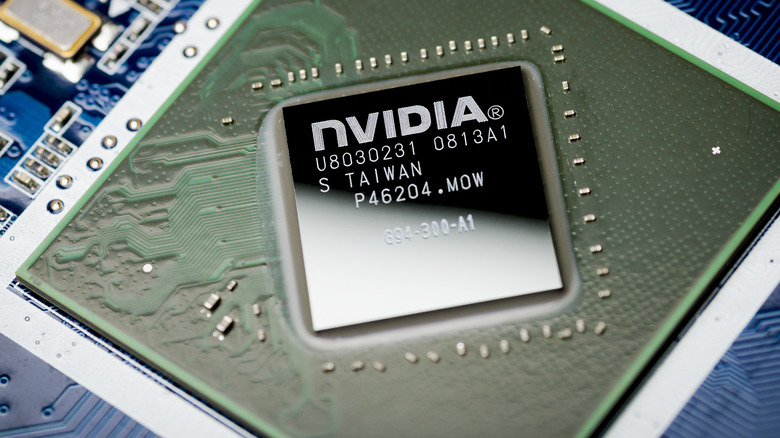
The Competitive AI Chip Landscape
The global AI chip sector has transformed into one of the most dynamic arenas in technology. Companies are competing to deliver accelerators that maximize throughput while minimizing energy consumption.
Within this landscape, the AMD Meta partnership illustrates a broader trend toward supplier diversification. Hyperscale platforms increasingly seek to balance performance benchmarks with supply chain security.
Competition encourages rapid architectural evolution. Advances in packaging, memory bandwidth, and interconnect technologies are accelerating as manufacturers refine designs for large scale deployment.
AMD’s progress in AI acceleration reflects years of research and targeted development aimed at positioning the company as a viable alternative within enterprise and hyperscale computing environments.
Meta’s Strategic AI Investment Framework
Meta has consistently emphasized artificial intelligence as a core pillar of its long term strategy. From generative AI models to advanced content personalization systems, AI infrastructure underpins its digital ecosystem.
The reinforced AMD Meta partnership aligns with Meta’s objective to scale computational capacity while maintaining hardware flexibility. By integrating AMD accelerators, Meta enhances redundancy and performance diversity across its global data centers.
Capital expenditure allocated to AI hardware has grown substantially in recent fiscal cycles. These investments support both immediate deployment and experimental research aimed at advancing next generation models.
Increased computing power enables improved language models, visual processing systems, and immersive digital simulations. As AI capabilities expand, infrastructure requirements continue to escalate.
Historic Comparison in Semiconductor Alliances
The current AMD Meta partnership invites comparison with previous landmark semiconductor alliances that reshaped computing eras. In earlier decades, strategic collaborations between hardware manufacturers and enterprise software firms defined transitions from mainframe systems to personal computing and later to cloud infrastructure.
During the early cloud computing expansion of the 2000s, hyperscale data center agreements marked turning points for chipmakers competing in server markets. Those contracts established long term revenue streams and positioned manufacturers as foundational partners in digital transformation.
Similarly, the present AI driven era represents another inflection point. Just as earlier alliances catalyzed technological shifts, modern AI hardware partnerships are shaping the trajectory of global computing innovation.
Economic and National Implications
The semiconductor industry holds strategic importance beyond commercial performance. Advanced chip production influences national competitiveness, research leadership, and economic resilience.
The AMD Meta partnership reinforces the United States’ position within high performance computing development. Semiconductor manufacturing and design remain central to economic policy discussions, with governments prioritizing domestic capacity and innovation.
Data center expansion generates employment opportunities in engineering, construction, and infrastructure management. Indirectly, AI driven services stimulate broader digital economy growth.
As artificial intelligence becomes embedded in financial systems, healthcare technologies, logistics networks, and defense research, access to cutting edge silicon assumes heightened significance.

Supply Chain Resilience and Manufacturing Capacity
Recent global disruptions highlighted vulnerabilities in semiconductor supply chains. Chip shortages affected industries from automotive manufacturing to consumer electronics.
The AMD Meta partnership reflects proactive efforts to secure reliable supply pathways. Long term commitments often involve coordinated production scheduling with fabrication partners to ensure availability.
Manufacturing scale is critical. Advanced AI accelerators require sophisticated fabrication processes, high yield rates, and efficient logistics coordination.
Stability in chip production supports predictable deployment timelines for data center expansion. Such reliability strengthens corporate planning and financial forecasting.
Environmental Efficiency and Sustainability Goals
AI data centers consume substantial energy resources. As computing density increases, sustainability considerations become integral to infrastructure planning.
Within the AMD Meta partnership, performance per watt improvements are likely a key focus area. Energy efficiency reduces operational costs while aligning with environmental responsibility goals.
Hyperscale operators increasingly evaluate hardware based on long term sustainability metrics alongside performance capabilities. Reduced cooling demands and optimized power distribution architectures contribute to greener data center ecosystems.
Advancements in chip design continue to prioritize efficiency without compromising computational output.
Financial Projections and Growth Outlook
Analysts anticipate sustained growth in AI semiconductor demand through the remainder of the decade. Enterprise adoption, research development, and generative model deployment continue to expand.
The AMD Meta partnership strengthens AMD’s position within this high growth segment. Multi quarter procurement commitments enhance revenue visibility and investor confidence.
Market researchers forecast double digit annual growth rates for AI accelerators, driven by cloud providers and enterprise adoption. As more industries integrate machine learning systems, demand for high performance silicon is expected to accelerate further.
Long term success will depend on consistent product innovation, manufacturing reliability, and customer trust.
Software Optimization and System Integration

A Single Industry Perspective
One technology analyst observing the announcement stated,
“This partnership signals that large scale AI infrastructure is no longer experimental but foundational to digital platforms.”
The observation reflects how hardware investments now define competitive positioning in the technology sector.
Broader Global Implications
The expanding collaboration between AMD and Meta extends far beyond domestic markets. International technology firms are closely tracking this development as they reassess procurement strategies and long term supplier diversification.
As artificial intelligence continues transforming digital services worldwide, large scale chip alliances increasingly influence the speed of innovation and competitive positioning. Strategic hardware commitments now shape which companies can scale AI platforms efficiently.
The ripple effects move across cloud providers, enterprise software developers, and research institutions. Reliable access to advanced semiconductor technology determines how quickly AI ecosystems mature across global markets.
Long Term Vision for AI Expansion
The strengthened AMD Meta partnership places both companies at the center of the next wave of AI growth. Expanding language models, immersive simulations, and enterprise automation systems demand exponentially higher levels of computing performance.
Ongoing cooperation may include refined accelerator designs, architecture specific optimizations, and deeper coordination between engineering teams. Continued investment in data center modernization and silicon research appears central to the long term roadmap.
As AI systems increase in scale and complexity, scalable and energy efficient hardware becomes not just advantageous but essential for sustainable expansion.
A Turning Point in the Silicon Era
The 2026 announcement in San Francisco represents a defining milestone in semiconductor strategy. By deepening their alignment, AMD and Meta signal a shared commitment to innovation, infrastructure resilience, and sustained AI advancement.
Artificial intelligence infrastructure now functions as the backbone of modern digital transformation. Strategic chip alliances influence market leadership, economic competitiveness, and the pace of technological evolution.
With steady demand, disciplined execution, and continuous architectural refinement, this collaboration marks an important chapter in the evolving era of high performance computing.