

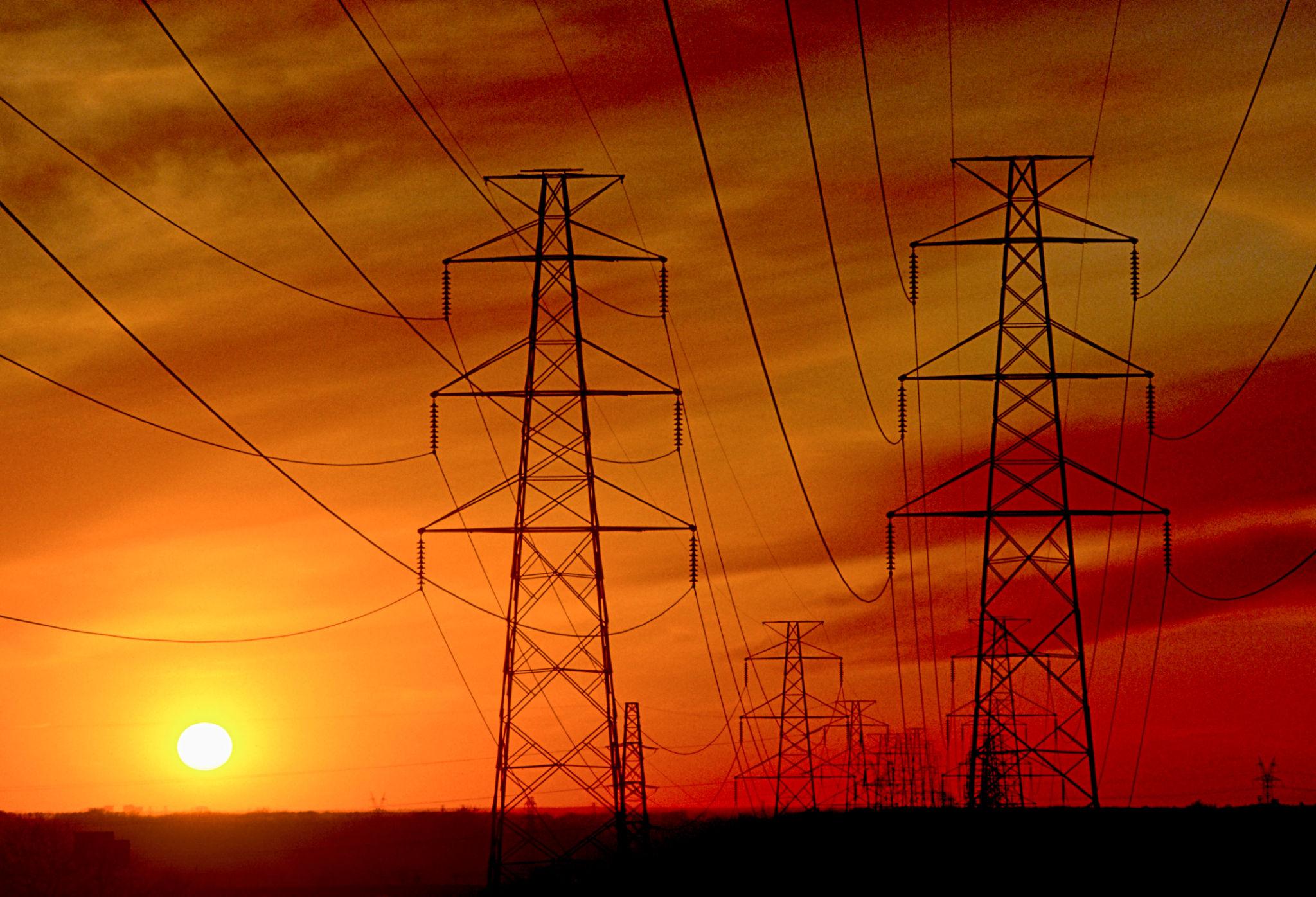
Data center electricity demand is rising sharply in 2026 as artificial intelligence expansion places unprecedented pressure on the US power grid.
Washington officials and energy regulators are evaluating infrastructure upgrades to prevent capacity shortages and protect reliability.
Industry leaders warn that long term planning will determine whether digital growth outpaces national energy supply.
Washington, February 25, 2026 — According to Parliament News, that Data center electricity demand has become one of the most significant infrastructure issues confronting the United States this year. The rapid expansion of artificial intelligence platforms, cloud computing services, and enterprise digital systems is driving energy consumption to levels few policymakers anticipated a decade ago. Federal regulators, state utility commissions, and private sector executives now face mounting pressure to ensure that the nation’s power grid can sustain accelerating growth without compromising reliability.
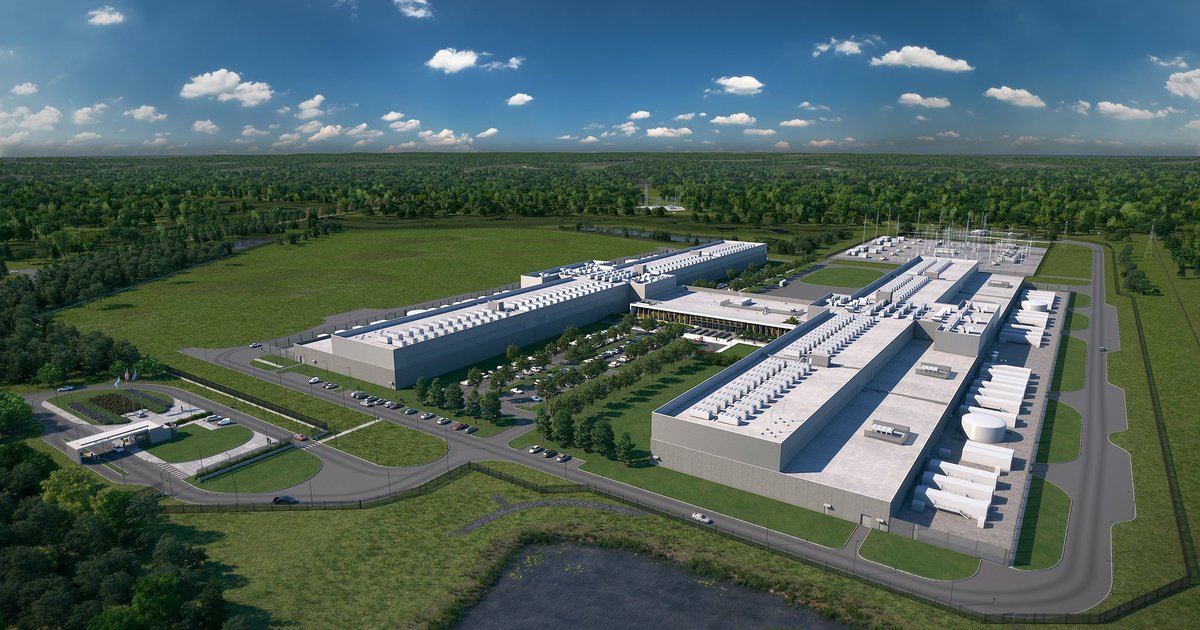
Across multiple regions, utilities report that large scale computing campuses are requesting hundreds of megawatts of new capacity. These facilities operate continuously, requiring stable baseload generation and advanced cooling technologies. As a result, data center electricity demand is no longer viewed as a niche industry metric but as a structural force reshaping national energy policy.
Artificial Intelligence and Power Intensity
Artificial intelligence development has transformed computing from a background service into an energy intensive industrial activity. Training advanced models involves thousands of high performance processors operating around the clock. Storage systems, networking hardware, and security redundancies further amplify consumption levels.
Industry researchers estimate that data center electricity demand tied specifically to AI workloads has doubled within just a few years. Even as semiconductor efficiency improves, the sheer scale of deployment offsets per unit energy reductions. Companies competing for leadership in machine learning and automation are constructing hyperscale campuses at a pace that outstrips earlier projections.
This surge reflects not only domestic innovation but also global competition. Nations investing heavily in digital transformation are vying for technological advantage, intensifying pressure on domestic infrastructure.
Strain on the National Grid
The American electric grid was developed over generations to support households, manufacturing facilities, and commercial centers. Concentrated computing campuses drawing city level power were not part of its original design assumptions. Today, data center electricity demand is testing those assumptions.
Transmission bottlenecks in fast growing regions have become increasingly visible. Interconnection queues stretch years into the future as utilities process new load requests alongside renewable generation proposals. Grid planners must evaluate not only capacity but also resilience under extreme weather conditions.
Heat waves increase cooling requirements inside computing facilities while simultaneously elevating residential consumption. Winter storms threaten transmission lines and substations. The combined effect underscores the urgency of modernization efforts.
Economic Stakes and Investment Flows
Digital services now underpin finance, healthcare, manufacturing, and education. Reliable computing infrastructure supports everything from telemedicine to supply chain analytics. Rising data center electricity demand therefore carries macroeconomic implications.
States competing to attract hyperscale projects often provide tax incentives and expedited permitting. While such measures stimulate local economies, they also necessitate infrastructure upgrades. Policymakers must determine how costs are distributed among corporate clients and general ratepayers.
Capital markets have responded by channeling billions of dollars into energy infrastructure. Investors recognize that generation capacity, storage systems, and transmission upgrades are integral to sustaining digital growth.
Federal Policy and Strategic Planning
In Washington, lawmakers are debating legislative measures designed to accelerate grid expansion. Proposals include support for advanced nuclear technology, streamlined approval processes for interstate transmission lines, and funding for next generation storage research.
Energy agencies emphasize that safeguarding reliability amid rising data center electricity demand is both an economic and national security priority. Computing facilities host sensitive government data and support financial markets, making uninterrupted power supply essential.
A senior energy advisor stated,
“The growth of digital infrastructure requires that we invest ahead of demand rather than respond after capacity is constrained.”
Renewable Integration and Environmental Goals
Technology firms frequently announce sustainability targets, investing in solar arrays, wind farms, and battery systems to offset operational emissions. Renewable portfolios have expanded in tandem with facility construction.
Yet renewable resources are variable by nature. Continuous operations necessitate backup generation or storage to ensure stability. As data center electricity demand grows, balancing environmental objectives with reliability becomes more complex.
Energy economists caution that achieving net zero ambitions will require innovation in grid management, advanced storage, and flexible generation strategies.
Water, Land, and Community Impact
Hyperscale campuses influence more than electricity metrics. Cooling systems in certain climates depend on water resources, prompting environmental assessments. Land acquisition reshapes local development patterns, sometimes generating community debate.
Local leaders often highlight job creation and economic diversification. Community groups, however, may raise questions about environmental sustainability and infrastructure strain. Transparent communication has become central to project approval processes.
The broader discussion surrounding data center electricity demand therefore encompasses ecological stewardship and social responsibility.
Technological Innovation and Efficiency
Advancements in processor design, liquid cooling, and modular server architecture aim to reduce energy intensity per computation. Research institutions collaborate with industry to develop systems capable of delivering greater performance with lower thermal output.
Edge computing strategies distribute certain workloads closer to end users, reducing latency and potentially easing transmission congestion. Despite these gains, aggregate expansion in digital services continues to elevate baseline consumption levels.
Experts emphasize that while efficiency breakthroughs are promising, they are unlikely to reverse the upward trajectory of data center electricity demand in the near term.
Corporate Strategy and Energy Procurement
Energy procurement has become a strategic consideration at the highest corporate levels. Firms negotiate long term power purchase agreements to stabilize costs and mitigate exposure to price volatility. Some companies explore on site generation or direct investment in renewable projects.
These initiatives reflect recognition that reliable electricity underpins financial performance. Data center electricity demand now features prominently in executive planning discussions, shaping capital allocation and risk management strategies.
Predictable pricing supports investor confidence and long term budgeting accuracy.
Consumer Protection and Ratepayer Balance
Public utility commissions face the challenge of balancing industrial growth with residential affordability. When infrastructure upgrades are required to support data center electricity demand, regulators must determine equitable cost recovery structures.
Utilities argue that modernization strengthens overall grid resilience. Consumer advocates stress that large industrial users should bear proportional responsibility for capacity expansions. Transparent proceedings are expected to shape rate design decisions nationwide.
Historic Comparison
Major economic transformations have historically required parallel infrastructure revolutions. The industrial era demanded centralized power generation and rail networks. The twentieth century introduced highway systems and telecommunications grids that reshaped commerce.
Today’s digital expansion mirrors those earlier inflection points. The scale of data center electricity demand evokes comparisons to the electrification surge that once powered factories and urban growth. Just as earlier generations invested heavily in physical infrastructure to unlock economic potential, contemporary policymakers confront similar imperatives.
The lesson from history is clear: innovation flourishes when infrastructure evolves in tandem with technological ambition.
National Security Considerations
Reliable energy supply underpins defense systems, financial transactions, and emergency response capabilities. As computing campuses host critical information, resilience planning assumes strategic importance.
Officials emphasize the need for redundancy, cybersecurity protections, and diversified generation portfolios. Rising data center electricity demand intersects with broader concerns about grid vulnerability to natural disasters and cyber threats.
Ensuring operational continuity for critical infrastructure has become a national objective.
Regional Variation and Resource Allocation
Not all states experience growth uniformly. Regions with abundant renewable resources and favorable climates often attract new facilities. Others must invest in transmission corridors before accommodating additional load.
Planning bodies analyze demographic trends and industrial forecasts to anticipate long term requirements. Interstate coordination facilitates large scale transmission projects crossing jurisdictional boundaries.
Understanding geographic variation is essential to managing expanding data center electricity demand effectively.
Long Term Outlook
Forecasts indicate sustained digital expansion throughout the remainder of the decade. Artificial intelligence applications are expected to permeate healthcare, manufacturing, finance, and education. Each additional layer of deployment reinforces the importance of infrastructure readiness.
Energy planners stress that proactive investment remains more efficient than reactive emergency measures. Anticipating growth enables coordinated development of generation, storage, and transmission assets.
The relationship between technological advancement and energy planning will continue to shape public policy.
Infrastructure, Innovation, and the Digital Horizon
As 2026 progresses, the convergence of computing expansion and energy policy remains central to national debate. Data center electricity demand stands as a defining metric of the digital economy’s physical footprint.
Coordinated federal leadership, state level oversight, and private sector investment will determine whether the United States maintains technological leadership while preserving grid stability. The digital era ultimately relies on tangible assets: transformers, substations, transmission lines, and generation plants.
Managing this transition requires foresight, regulatory clarity, and collaboration among stakeholders. Decisions made in response to data center electricity demand will influence economic competitiveness, environmental outcomes, and national resilience for decades to come.