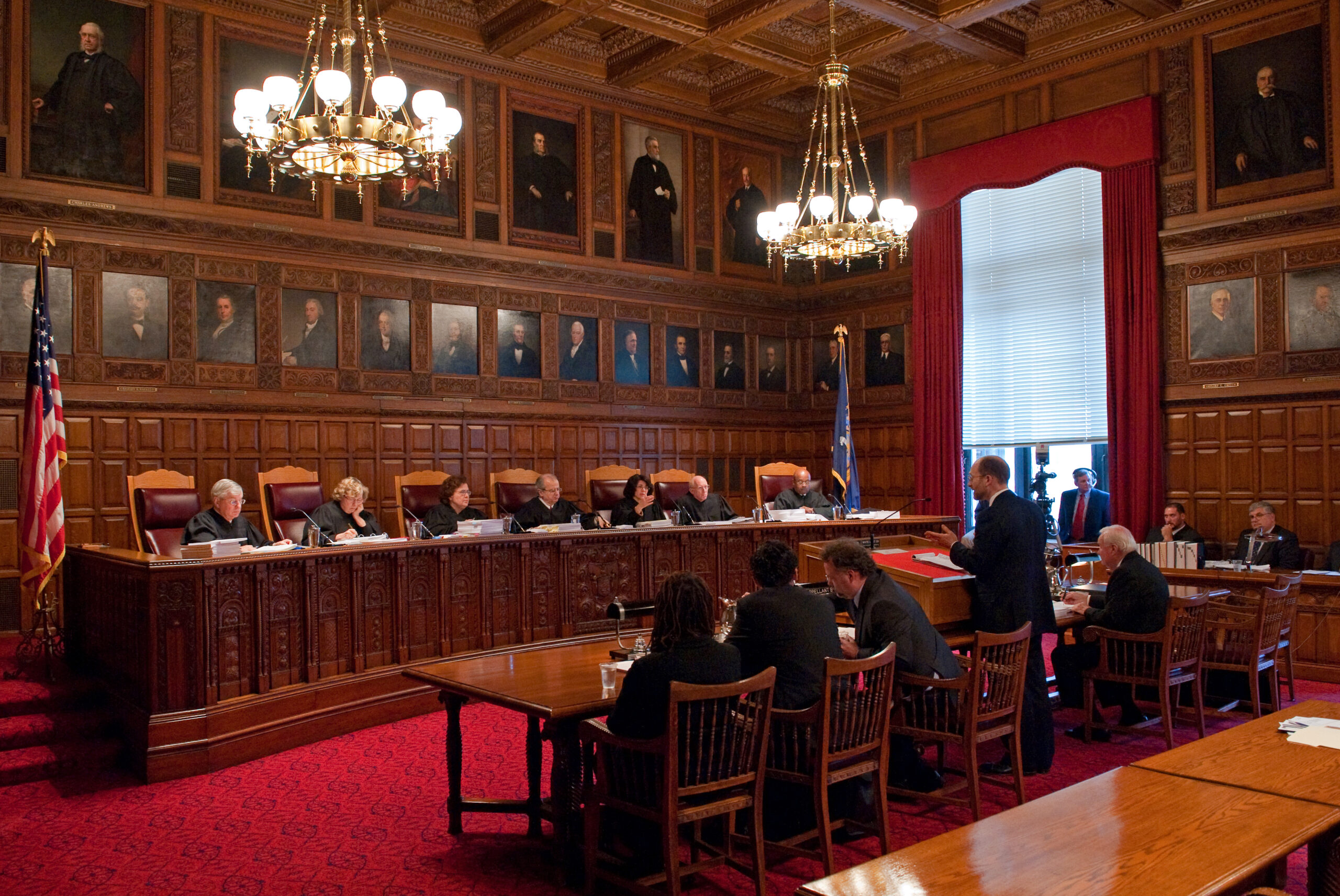
The social media addiction trial in New York 2026 is drawing national attention as testimony unfolds in federal court.
Attorneys argue that algorithm driven platform design contributed to compulsive behavior and mental health harm.
The outcome could reshape legal standards for digital accountability across the United States.
New York, February 26, 2026 — According to Parliament News, that The social media addiction trial began this week in federal court, drawing national media coverage and widespread public interest. The case centers on allegations that major digital platforms intentionally designed engagement systems that contributed to compulsive usage patterns and measurable mental health consequences.
The lawsuit was filed in New York in early 2026 and has progressed through months of procedural motions before reaching trial. Legal observers say the outcome could influence future digital liability standards in the United States. The courtroom has been filled with attorneys, behavioral scientists, industry analysts, and members of the public eager to witness a case that touches on one of the most pressing issues of the digital era.
At stake is not only individual compensation but also the broader question of whether platform architecture itself can be considered harmful when it encourages excessive engagement.
Core Allegations Against Digital Platforms
At the heart of the social media addiction trial are claims that algorithmic systems were engineered to maximize time spent on platforms, often without adequate safeguards for vulnerable users. Attorneys representing the plaintiff argue that features such as autoplay videos, infinite scroll, and persistent notifications were developed to stimulate continuous interaction.
The complaint alleges that internal research conducted by technology companies acknowledged potential psychological risks tied to heavy usage. According to the legal filings, engagement metrics were prioritized over mitigation strategies.
Lawyers contend that the social media addiction trial highlights a systemic pattern in which corporate growth strategies overshadowed long term mental health considerations. They maintain that the design itself functions as a product feature and therefore carries potential liability.
Defense Arguments and Industry Position
Defense attorneys have rejected the claims, asserting that platforms provide tools for communication and expression but do not force users to remain online. They argue that individuals maintain personal responsibility for how much time they spend on digital services.
In the social media addiction trial, the defense is expected to emphasize available user controls, including screen time reminders and content filters. Company representatives maintain that they have invested significantly in safety research and parental oversight features.
Legal experts note that federal protections regarding online platforms may play a role in shaping the outcome. The defense position suggests that innovation should not be constrained by claims rooted in behavioral outcomes that vary widely among individuals.
Expert Testimony and Behavioral Science
Psychologists and neuroscientists have taken the stand to explain how intermittent reward systems can reinforce habitual behavior. Experts describe how unpredictable feedback loops can stimulate dopamine responses associated with anticipation and reward.
During the social media addiction trial, testimony has focused on how recommendation algorithms tailor content based on prior interactions, creating a cycle of personalization that may increase time spent on the platform.
Some experts argue that when digital systems are intentionally calibrated to capture attention, companies should anticipate foreseeable psychological consequences. Others caution that the science of digital dependency remains complex and evolving.
Personal Impact and Emotional Testimony
Jurors are expected to hear firsthand accounts detailing how extended engagement influenced daily routines, sleep patterns, and emotional stability. Legal observers say personal narratives often resonate strongly in cases involving behavioral harm.
One witness summarized the stakes of the proceedings by stating,
“The question before this court is whether technology designed to connect us has crossed the line into shaping us in ways we cannot fully control.”
The social media addiction trial has therefore become a focal point not only for legal scholars but also for families concerned about youth exposure to constant digital stimuli.

Public Health Concerns and Youth Vulnerability
Mental health advocates have followed the social media addiction trial closely, viewing it as part of a broader discussion about adolescent well being. Over the past decade, increased smartphone adoption has coincided with rising reports of anxiety, depression, and sleep disruption among teenagers.
Researchers emphasize that correlation does not equal causation, yet patterns have prompted calls for greater transparency in how platforms operate. Advocacy groups argue that young users may be particularly susceptible to algorithmic amplification of emotionally charged content.
The trial has revived debate over whether age specific restrictions or enhanced disclosure requirements should become standard practice within the technology sector.
Economic Ramifications for the Technology Sector
Financial markets are closely monitoring the social media addiction trial due to its potential implications for corporate valuations. A ruling that expands liability could prompt new compliance obligations and reshape investor expectations.
Analysts say technology firms may face increased regulatory scrutiny regardless of the verdict. Shareholders have expressed interest in understanding how legal risks are factored into long term strategic planning.
Industry representatives maintain that innovation drives economic growth and that platforms generate employment, advertising revenue, and entrepreneurial opportunity. However, critics argue that profitability should not overshadow accountability.
Regulatory Landscape and Legislative Response
Lawmakers at both federal and state levels are observing the social media addiction trial as they consider updates to digital governance frameworks. Some policymakers have proposed legislation aimed at clarifying a duty of care for online services.
Discussions include potential mandates for algorithm transparency, stricter youth protections, and clearer reporting of internal research findings. While legislative efforts remain in progress, the trial may influence the direction and urgency of reform initiatives.
Internationally, regulators in Europe and other regions have introduced more comprehensive digital oversight measures. Observers note that global standards could indirectly affect domestic corporate policies.
Media Coverage and Public Perception
National and international media outlets have provided extensive reporting on the social media addiction trial, reflecting widespread interest in how technology intersects with mental health. Public opinion appears divided.
Some view the case as a necessary step toward corporate accountability. Others caution that expansive liability theories could limit free expression and technological advancement.
Surveys suggest that many parents support stronger safeguards for children online, while younger adults express mixed views about regulation. The trial has therefore become a symbolic battleground for competing values of innovation and protection.
Historic Comparison
Throughout history, industries that introduced transformative technologies have eventually encountered legal scrutiny. The social media addiction trial invites comparison to earlier cases involving tobacco companies and automobile manufacturers, where product design and safety warnings became central issues.
In those instances, courts weighed scientific evidence against corporate responsibility. Observers note that technological evolution often precedes regulatory adaptation.
While digital platforms differ from physical products, the underlying principle of foreseeable risk remains a recurring theme in legal analysis. The comparison underscores how societal expectations shift as understanding of harm develops.

Broader Ethical Questions
Beyond legal liability, the social media addiction trial raises ethical questions about corporate governance. Should companies proactively limit engagement if evidence suggests potential harm. How transparent should internal research be when public health is implicated.
Executives have argued that balancing user freedom with protective measures is complex. Critics counter that transparency builds trust and that proactive safeguards demonstrate responsible leadership.
The case has therefore evolved into a broader conversation about how technology companies define success and measure impact beyond financial metrics.
International Influence and Future Litigation
Legal analysts believe the social media addiction trial may influence future lawsuits domestically and abroad. If courts recognize algorithmic amplification as a product feature subject to scrutiny, similar claims could emerge in other jurisdictions.
Conversely, a defense victory may reinforce existing liability protections. Either outcome will shape how plaintiffs frame arguments and how companies assess legal exposure.
International regulators are likely to review the verdict closely, particularly in countries considering new digital safety laws.
Jury Deliberations and Anticipated Outcome
As testimony concludes, jurors will be tasked with evaluating complex evidence that blends behavioral science, corporate documentation, and personal narratives. Legal commentators emphasize that the verdict will hinge on whether the jury perceives design features as inherently harmful or neutral tools.
The social media addiction trial presents a challenging balance between technological progress and individual autonomy. Jurors must consider whether foreseeability of harm translates into actionable negligence.
Observers expect deliberations to attract sustained media attention, given the potential ramifications for the broader technology sector.
When Digital Architecture Meets Legal Accountability
The final stage of the social media addiction trial may mark a defining moment in how courts interpret digital architecture. Algorithms are invisible yet influential, shaping what users encounter each time they open an application.
In 2026, society stands at a crossroads between innovation and oversight. The verdict could clarify whether platform design choices carry responsibilities comparable to other consumer products.
Regardless of the outcome, the social media addiction trial underscores a fundamental reality of the digital age: technology does not exist in isolation. It interacts with human behavior, public health, and democratic institutions. As digital ecosystems continue to evolve, so too will the frameworks that govern them.
The case unfolding in New York may ultimately shape not only corporate practices but also public expectations for transparency and accountability in a world increasingly defined by screens.

Written by
Parliament Politics MagazineWe are a UK based nonpartisan, not-for-profit politics and policy platform, launched in 2021. Our aim is to provide parliamentarians from across the UK, think tanks and those involved in developing and implementing policies a space to discuss legislation, campaigns and more generally political ideas through our website and magazine.