


Global investment trends in 2026 are triggering a historic shift in capital allocation across markets.
Investors are redirecting funds toward technology infrastructure and emerging economies.
New York remains a central hub as global capital strategies rapidly evolve.
New York, United States – February 26, 2026 – According to Parliament News, that The financial landscape entering mid-2026 reflects accelerating structural change as global investment trends reshape how capital is deployed across regions, sectors, and asset classes. From Wall Street to emerging financial hubs in Asia and the Middle East, institutional investors are recalibrating portfolios in response to shifting monetary policy, technological transformation, and evolving geopolitical alignments.
The current environment is defined less by short term volatility and more by strategic repositioning. Asset managers, sovereign wealth funds, pension systems, and private equity firms are adjusting long term allocations to align with demographic expansion, digital infrastructure growth, and energy transition priorities. Analysts describe this year as a pivotal inflection point where global investment trends signal durable structural transformation rather than cyclical rotation.
Capital Reallocation Across Asset Classes
A defining feature of 2026 is the steady migration of funds from traditional public equities and government bonds toward alternative assets. This shift reflects both return expectations and risk management strategies. With inflation stabilizing but interest rate uncertainty lingering, institutional investors are diversifying into private credit, infrastructure, and real assets.
Portfolio construction models that once favored a 60 40 equity bond mix are evolving. Multi asset strategies now incorporate private equity, real estate, renewable energy projects, and venture capital allocations. These adjustments illustrate how global investment trends are moving beyond legacy frameworks.
Public markets remain critical liquidity engines, yet volatility episodes over recent years prompted a reevaluation of risk exposure. By contrast, long duration private investments offer predictable cash flow profiles. Pension funds in North America and Europe are among the most active participants in this transition.
Private Capital Expansion and Institutional Confidence
Private markets have emerged as central pillars of capital deployment. Fundraising for private equity and private credit vehicles continues despite tighter financial conditions. The appeal lies in tailored financing structures and negotiated risk parameters.
Institutional investors increasingly treat private allocations as permanent holdings. The growth in secondaries markets and co investment platforms demonstrates the maturation of the ecosystem. As transparency standards improve, confidence in private vehicles strengthens.
Observers note that global investment trends increasingly emphasize control, governance alignment, and operational engagement rather than passive exposure. Investors seek influence in strategic decisions, particularly in infrastructure and technology platforms.
Emerging Markets and Strategic Diversification
Capital flows toward emerging economies regained momentum in 2026. Several Asian and Latin American nations report rising foreign direct investment inflows driven by supply chain diversification and demographic growth.
Investors are drawn to manufacturing capacity expansion, digital payment ecosystems, and renewable energy corridors. Structural reforms aimed at enhancing transparency and legal clarity have contributed to renewed confidence.
Diversification across regions mitigates exposure to localized economic shocks. For many asset managers, global investment trends now require balanced geographic exposure that includes frontier markets with high growth potential.
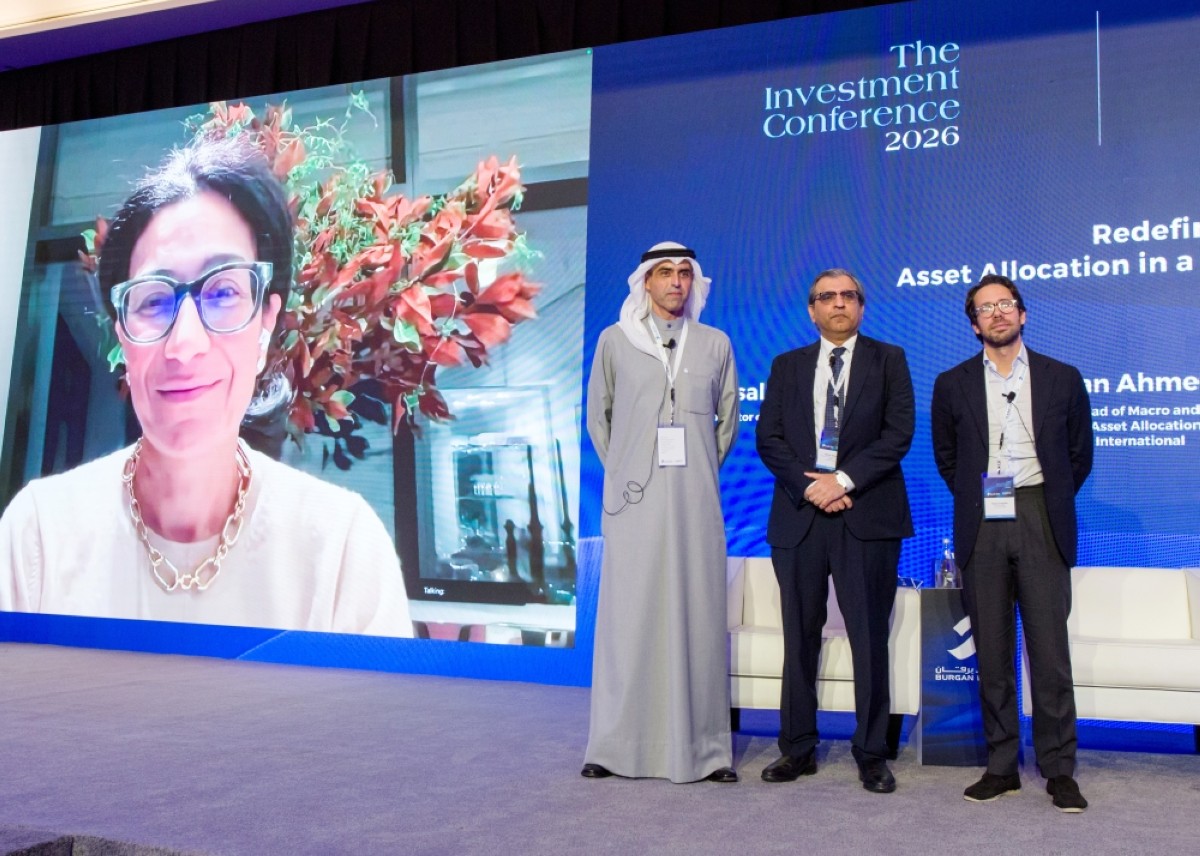
Technology and Artificial Intelligence Investment Surge
Artificial intelligence, automation, and data infrastructure dominate capital allocation strategies. Data centers, semiconductor manufacturing, and cloud platforms receive multibillion dollar commitments.
Technology is no longer confined to venture capital circles. Established corporations are integrating AI capabilities to improve efficiency, logistics optimization, and financial modeling. This integration expands capital expenditures across multiple sectors.
Investment committees frequently cite digital transformation as a defining driver of global investment trends. The ability to scale productivity gains through automation enhances long term profitability assumptions.
Energy Transition and Infrastructure Priorities
Energy security and sustainability concerns have accelerated capital commitments toward renewable projects. Solar farms, offshore wind installations, and battery storage facilities attract both institutional and private funding.
Governments are supporting these initiatives through tax incentives and public private partnerships. Infrastructure modernization extends beyond energy into transportation networks, ports, and broadband systems.
The scale of infrastructure funding required globally underscores why global investment trends emphasize long horizon strategies. Investors seek stable income streams linked to essential services and regulated assets.
Monetary Policy Divergence and Currency Dynamics
Central bank policies remain influential in shaping cross border capital flows. While inflation pressures have eased in some developed economies, policy divergence persists among major monetary authorities.
Currency stability influences acquisition decisions and foreign portfolio investments. A strong reserve currency environment can attract inbound capital, while currency volatility may deter risk exposure.
Market strategists emphasize that global investment trends are closely tied to rate guidance and macroeconomic signaling. Transparent communication from central banks contributes to predictable capital allocation planning.
Supply Chain Realignment and Geopolitical Factors
Geopolitical considerations continue to reshape production strategies. Companies are diversifying supply chains to reduce concentration risk. Nearshoring initiatives in the Americas and expanded manufacturing footprints in Southeast Asia reflect adaptive investment approaches.
Strategic autonomy policies encourage domestic production capacity in technology and defense sectors. Capital expenditure incentives support industrial development in targeted industries.
These adjustments reveal how global investment trends integrate geopolitical risk management into long term strategy rather than treating it as temporary disruption.
Sustainable Finance and ESG Integration
Environmental, social, and governance frameworks remain embedded in institutional mandates. Asset managers increasingly require measurable impact metrics before deploying capital.
Green bonds, sustainability linked loans, and climate transition funds represent expanding segments of global capital markets. Regulatory disclosure requirements in several jurisdictions are standardizing reporting practices.
Sustainability considerations shape global investment trends by aligning financial returns with environmental objectives. Investors view long term resilience as inseparable from responsible governance.

Corporate Earnings and Market Signals
Corporate earnings performance in early 2026 reflects moderate global growth. Technology firms report strong margins driven by automation efficiencies, while industrial companies benefit from infrastructure spending.
Equity valuations remain sensitive to forward guidance and interest rate projections. Fixed income markets have stabilized following previous volatility cycles.
Financial analysts argue that global investment trends increasingly prioritize earnings durability over speculative momentum. Companies with consistent cash flow generation attract premium valuations.
One Quote on Structural Transformation
A senior portfolio strategist at a leading asset management firm summarized the shift in one statement, saying,
“The defining feature of 2026 is not volatility but intentional repositioning as global investment trends align capital with structural growth sectors.”
Historic Comparison
Comparing current dynamics to previous financial eras highlights the magnitude of transformation underway. During the post global financial crisis period, quantitative easing dominated capital flows and compressed yields across asset classes. Investors relied heavily on central bank stimulus to support valuations.
In contrast, 2026 reflects normalization rather than emergency intervention. Unlike the rapid stimulus cycles of the past, present conditions demonstrate measured policy adjustments and diversified funding channels.
The difference lies in structural depth. Earlier cycles emphasized liquidity expansion, whereas today’s environment underscores strategic diversification, infrastructure buildout, and technological integration. The maturation of private markets and globalized capital mobility illustrates how far financial systems have evolved.
Historical parallels exist with industrial expansion periods in the late twentieth century, yet digital acceleration distinguishes the current era. The scale and speed at which data driven enterprises attract capital exceed previous technological revolutions.
Regional Perspectives and Financial Hubs
Major financial centers remain critical coordination points for capital allocation. New York continues to anchor North American capital markets, while London, Singapore, and Dubai play expanding roles in cross border finance.
Middle Eastern sovereign funds deploy oil revenue surpluses into diversified global portfolios. Asian pension systems are scaling outbound investment programs. Latin American markets are benefiting from infrastructure modernization funding.
These regional perspectives reinforce how interconnected global investment trends have become. Capital flows transcend national boundaries with increasing efficiency.
Risk Assessment and Portfolio Strategy
Risk management frameworks have grown more sophisticated. Scenario analysis incorporates geopolitical events, climate disruptions, and digital infrastructure vulnerabilities.
Diversification across asset classes, currencies, and geographies reduces concentration risk. Hedging strategies mitigate currency fluctuations and interest rate exposure.
Institutional committees recognize that global investment trends demand adaptive portfolio oversight rather than static allocation models. Continuous monitoring and recalibration are central to preserving long term returns.
Looking Ahead Through 2027
Forward indicators suggest moderate global economic expansion with regional variation. Manufacturing indices point toward stabilization, while service sector growth remains steady in several developed economies.
Infrastructure pipelines and renewable energy commitments extend well into future fiscal cycles. Venture capital funding, though selective, continues to support innovation ecosystems.
Market participants expect global investment trends to maintain momentum provided policy stability persists. Long term capital formation remains anchored in demographic growth, digital transformation, and sustainable development priorities.

Beyond Cycles Toward Structural Realignment
The overarching narrative of 2026 is intentional recalibration. Financial institutions are positioning portfolios not merely for quarterly performance but for decade long strategic alignment.
Technological integration, infrastructure expansion, and energy transformation form the foundation of capital allocation strategies. Cross border collaboration enhances resilience against localized disruptions.
As the year progresses, global investment trends continue to influence boardroom decisions, policy frameworks, and corporate strategy. The convergence of innovation, governance, and diversified capital deployment underscores a financial system evolving toward long horizon stability.