Kia driver safety concern prompts recall of 85000 US vehicles in 2026.
Seat back frame issue raises structural safety questions nationwide.
Owners urged to verify VIN and schedule free inspection immediately.
Washington, February 27, 2026, According to Parliament News, that A growing Kia driver safety concern has led to the recall of approximately 85000 vehicles across the United States following the discovery of a potential seat back frame issue. The announcement has drawn attention from transportation regulators, dealerships, and vehicle owners nationwide. Federal safety authorities confirmed that the recall affects vehicles manufactured during a defined production period and emphasizes precautionary action to ensure occupant protection standards remain intact.
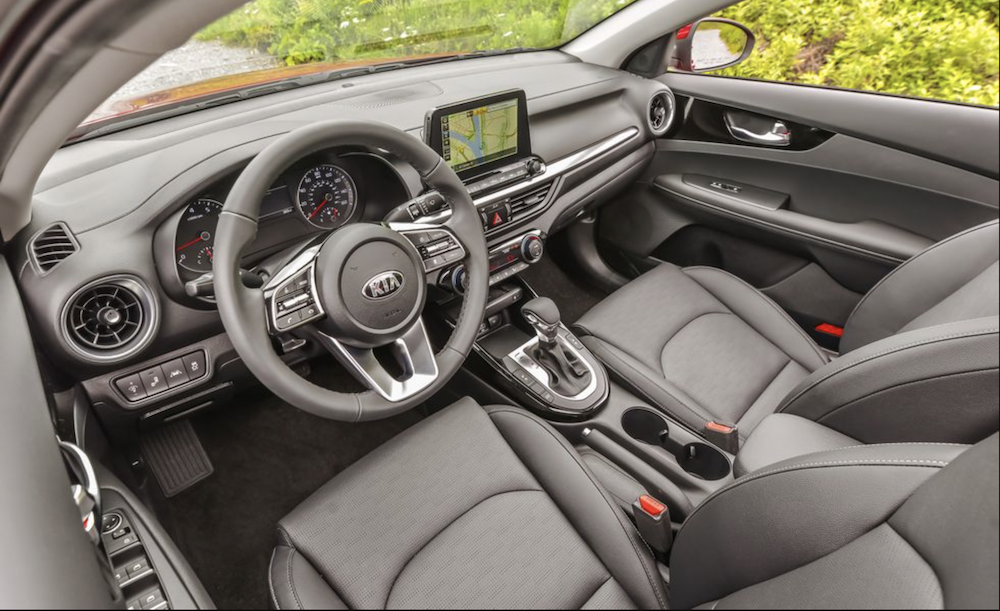
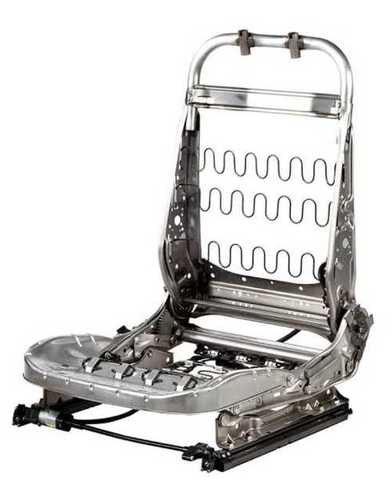
The Kia driver safety concern centers on the structural integrity of the driver seat back frame. While no widespread injuries have been officially confirmed at this stage, engineers determined that under certain crash conditions the seat structure may not perform as originally intended. As a result, the manufacturer initiated a recall campaign in coordination with national safety regulators to address the matter proactively.
Recall Details and Scope
According to official statements released in Washington in 2026, approximately 85000 vehicles fall within the affected production range. These vehicles were distributed nationwide through authorized dealerships, making this a multi state recall operation.
The Kia driver safety concern involves a specific seat back frame component that plays a critical role in maintaining proper driver posture during collisions. The structure is designed to absorb and distribute crash forces in a controlled manner. If structural reinforcement does not meet expected engineering tolerances, the driver could face increased injury risk in rear impact situations.
Dealerships have been instructed to inspect the seat back frame and reinforce or replace components where necessary. Repairs are being provided free of charge to owners.
How the Issue Was Identified
Manufacturers routinely conduct durability and stress testing even after vehicles enter the market. In this case, additional quality reviews and internal engineering assessments led to the discovery of inconsistencies in certain seat frame assemblies.
The Kia driver safety concern emerged during this evaluation process. Engineers analyzed welding points, material thickness, and impact simulation data before determining that corrective action was necessary. Rather than waiting for widespread complaints, the recall was launched as a preventive safety measure.
Automotive safety oversight relies heavily on such proactive manufacturer reporting. Federal regulators require detailed technical documentation outlining the nature of the defect, the affected models, and the corrective procedure.
Understanding the Seat Back Frame Function
Vehicle seating systems are far more complex than they appear. Beneath upholstery and cushioning lies a reinforced steel structure that anchors directly to the vehicle floor and integrates with overall crash protection systems.
The Kia driver safety concern focuses on whether the seat back frame can consistently withstand rear impact stress loads. In high energy collisions, the seat must prevent excessive rearward movement and maintain occupant alignment with airbags and restraint systems.
Even small deviations in weld penetration or metal composition can alter crash performance metrics. Modern crash testing standards demand precision in both materials and assembly processes.

Regulatory Oversight and Federal Response
The National Highway Traffic Safety Administration monitors recall filings and ensures manufacturers comply with safety regulations. Once notified, regulators review the manufacturer’s findings and evaluate the adequacy of proposed remedies.
In response to the Kia driver safety concern, federal officials confirmed that notification letters would be mailed to registered owners. Public recall databases have been updated to allow VIN verification online.
A transportation safety spokesperson noted,
“Recalls represent preventive action that protects drivers before isolated defects can escalate into broader safety risks.”
This single quote reflects the broader regulatory philosophy underpinning recall oversight in the United States.
Owner Guidance and Next Steps
Owners are advised to check their vehicle identification number through official channels to confirm eligibility. Those affected should contact authorized dealerships to schedule inspection appointments.
The Kia driver safety concern repair procedure involves structural inspection and reinforcement where required. Service technicians have received detailed instructions outlining repair protocols. Most repairs are expected to be completed within several hours depending on parts availability.
Drivers are encouraged not to delay recall compliance. Although the issue may not present immediate driving symptoms, ensuring structural integrity provides long term safety assurance.
Industry Impact and Market Reaction
Automotive recalls often influence market perception. Analysts evaluate recall scope, projected repair costs, and potential legal exposure when assessing financial impact.
The Kia driver safety concern involves a defined production segment rather than an entire product line, which may limit financial implications. However, structural components naturally draw greater public attention compared to minor software adjustments or cosmetic issues.
Consumer confidence tends to depend on how effectively a manufacturer manages recall communication and repair logistics. Transparent updates and prompt service availability can mitigate reputational effects.
Consumer Awareness in the Digital Age
Modern recall campaigns benefit from digital communication tools. Email alerts, SMS notifications, and online VIN lookup systems improve response rates compared to traditional mail only notices.
Public discussion surrounding the Kia driver safety concern has expanded across online forums and automotive news outlets. While speculation can amplify anxiety, verified information from official sources remains the most reliable reference for affected owners.
Automakers increasingly rely on clear digital messaging strategies to maintain accuracy and prevent misinformation from spreading.

Engineering Analysis and Crash Simulation
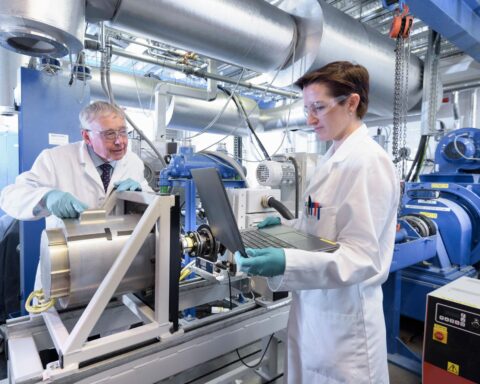
Crash simulation software allows engineers to recreate impact conditions using virtual models. These digital simulations complement physical crash tests conducted in controlled environments.
In evaluating the Kia driver safety concern, engineers examined rear impact scenarios with varying speed and occupant weight distributions. Structural modeling suggested that certain seat back frames might not distribute stress optimally under defined conditions.
Such findings typically lead to expanded laboratory testing to validate conclusions. Once confirmed, recall measures are initiated.
Manufacturing Quality Controls
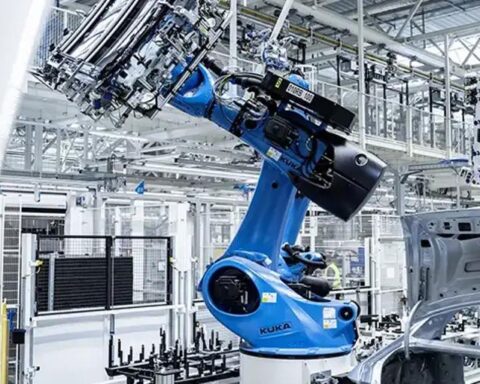
Large scale automotive manufacturing involves thousands of individual welds, fasteners, and structural joints. Even with advanced robotics and inspection systems, minor inconsistencies can occasionally pass through production lines.
The Kia driver safety concern highlights how quality assurance systems continue functioning after vehicles reach consumers. Continuous monitoring of supplier performance and material integrity forms part of modern production oversight.
Manufacturers often refine processes following recall campaigns to reduce the likelihood of similar occurrences in future production cycles.
Insurance and Liability Considerations
While recall repairs are provided at no cost, manufacturers typically allocate substantial resources to parts production, technician training, and communication efforts.
Insurance carriers monitor recall developments but generally view proactive manufacturer intervention as positive risk management. Addressing potential structural weaknesses before accidents occur reduces the likelihood of large scale liability claims.
The Kia driver safety concern therefore represents both a safety measure and a financial risk mitigation strategy.
Public Perception and Brand Reputation
Brand reputation can be influenced by recall frequency and severity. However, transparency often strengthens long term credibility.
Automotive history shows that companies which acknowledge and correct issues promptly often recover consumer trust more effectively than those that delay action.
The Kia driver safety concern may ultimately reinforce the brand’s commitment to compliance if managed efficiently and openly.
Historic Comparison
Automotive recalls have evolved significantly over the past several decades. In earlier eras, communication delays sometimes slowed owner notification. Today, digital systems enable rapid nationwide outreach.
Compared to large scale recalls in the 1990s and early 2000s that affected millions of vehicles, the current Kia driver safety concern involves a more targeted production group. Advances in diagnostic technology and quality tracking allow manufacturers to isolate defects with greater precision.
Historical data demonstrates that recall volume across the industry has increased not necessarily because vehicles are less safe, but because oversight and reporting systems have become more rigorous. This comparison illustrates how preventive action has become standard practice within modern automotive governance.
Dealership Preparedness
Dealership service departments play a central role in recall implementation. Technicians must understand both the mechanical details and customer communication protocols.
In response to the Kia driver safety concern, service managers across multiple states have begun allocating appointment slots specifically for recall inspections. Parts distribution centers are coordinating shipments to ensure adequate inventory.
Clear scheduling systems help minimize inconvenience for customers while maintaining service efficiency.
Safety Culture in Automotive Manufacturing
Vehicle safety remains one of the most scrutinized aspects of modern transportation. Manufacturers invest heavily in crash research, materials science, and advanced restraint systems.
The Kia driver safety concern reinforces the principle that safety culture extends beyond design into continuous monitoring. From assembly line audits to post production testing, safety oversight operates throughout the vehicle lifecycle.
Proactive recalls demonstrate a willingness to address potential weaknesses before they translate into measurable harm.
Broader Road Safety Implications
Every recall contributes to overall road safety improvement. Structural reinforcements reduce potential injury severity and support national safety objectives.
The Kia driver safety concern serves as a reminder that drivers share responsibility in maintaining vehicle integrity by responding promptly to recall notices.
National road safety frameworks depend on cooperation between regulators, manufacturers, and consumers. Compliance ensures that safety standards remain meaningful and effective.
The Path Forward
As recall repairs begin nationwide, attention shifts toward resolution timelines and completion rates. Manufacturers track recall response percentages to measure campaign effectiveness.
The Kia driver safety concern underscores the importance of vigilance in engineering and production systems. While vehicles today feature advanced driver assistance technologies and reinforced cabin structures, constant oversight remains essential.
Owners who verify their vehicle status and complete required repairs contribute to a broader culture of accountability.
A Final Reflection on Preventive Responsibility
The recall of 85000 vehicles in 2026 illustrates how modern transportation systems prioritize prevention over reaction. By addressing structural concerns early, manufacturers aim to reduce risk before accidents occur.
The Kia driver safety concern reflects a system in which testing, monitoring, and transparency intersect. Preventive action, though sometimes disruptive, ultimately strengthens public trust and reinforces long term safety standards across the automotive industry.