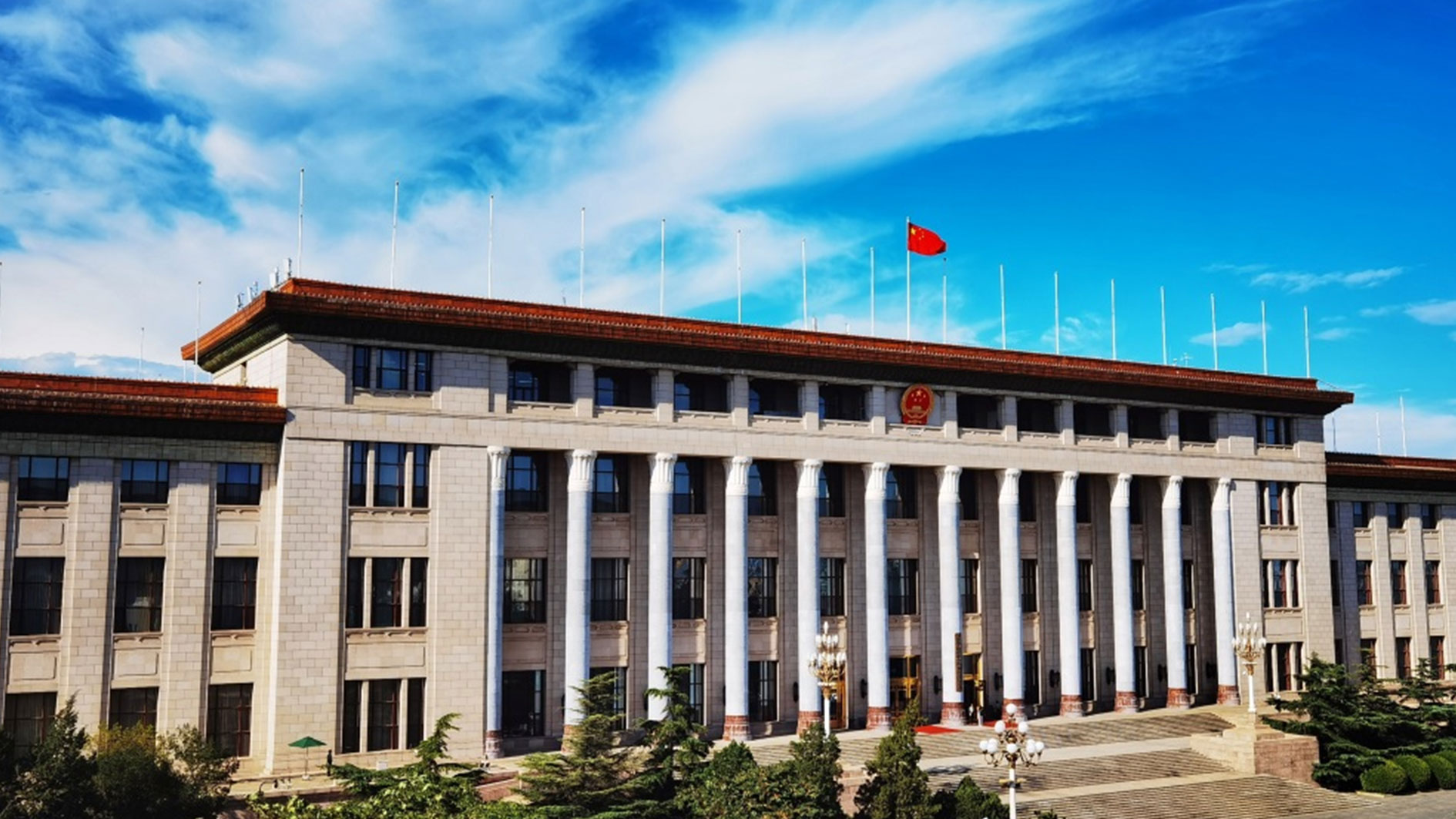
China AI development plan unveiled in Beijing outlines a sweeping 2026 strategy to expand artificial intelligence research and semiconductor capacity.
Officials emphasized innovation funding, workforce development and industrial modernization to strengthen global competitiveness.
The roadmap positions AI at the center of China’s long term economic and technology leadership ambitions.
Beijing, March 2, 2026 — According to Parliament News, that The China AI development plan was formally introduced this week during national policy meetings in the capital, outlining a comprehensive roadmap to accelerate artificial intelligence research, strengthen semiconductor capacity and reinforce long term technological competitiveness. Officials described the initiative as central to economic modernization and strategic stability amid intensifying global technology competition.
The unveiling of the China AI development plan comes as governments worldwide increase investment in advanced computing, robotics and data driven systems. Policymakers in Beijing emphasized that artificial intelligence will play a defining role in shaping productivity, industrial efficiency and national resilience in the coming decade.
National Direction for Artificial Intelligence Leadership
The China AI development plan establishes artificial intelligence as a core pillar of national strategy. Leaders highlighted AI as a transformative force capable of reshaping industries ranging from healthcare and finance to manufacturing and transportation.
Government officials indicated that expanded funding will be directed toward machine learning systems, intelligent automation and advanced computing research. Universities and national laboratories are expected to play a larger role in foundational AI breakthroughs, while private enterprises are encouraged to accelerate commercialization.
The framework emphasizes coordination between public and private sectors, ensuring that technological advancements translate into measurable economic impact.
Semiconductor Resilience and Strategic Supply Chains
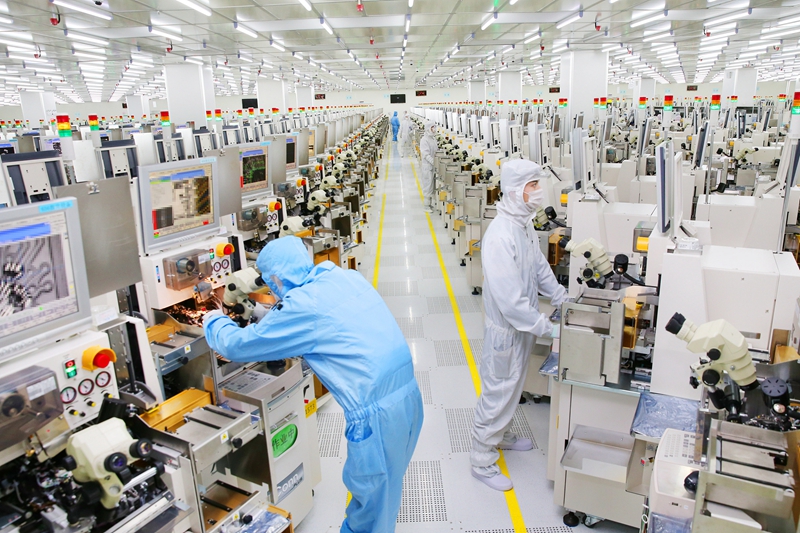
A central component of the China AI development plan focuses on strengthening domestic semiconductor production. Advanced artificial intelligence systems depend heavily on high performance chips capable of processing large volumes of data in real time.
Recent international trade restrictions and supply chain volatility have reinforced the urgency of domestic fabrication capacity. Policy announcements include investment incentives for chip manufacturing facilities and research grants for next generation processor design.
Industry analysts suggest that semiconductor resilience will determine the long term success of artificial intelligence ambitions. Without stable chip supply, broader digital expansion could face constraints.
Research Funding and Innovation Infrastructure
Significant investment commitments accompany the China AI development plan. National research institutions are expected to receive expanded funding to pursue breakthroughs in neural networks, natural language processing and robotics.
Innovation clusters in Beijing, Shanghai and Shenzhen will serve as primary implementation hubs. Technology incubators and venture capital networks are encouraged to collaborate with academic researchers to accelerate product development.
This coordinated ecosystem approach aims to shorten the timeline between laboratory discovery and industrial application.
Talent Development and Workforce Modernization
Human capital development represents a cornerstone of the China AI development plan. Policymakers stressed that innovation requires not only infrastructure investment but also skilled professionals capable of designing and managing advanced systems.
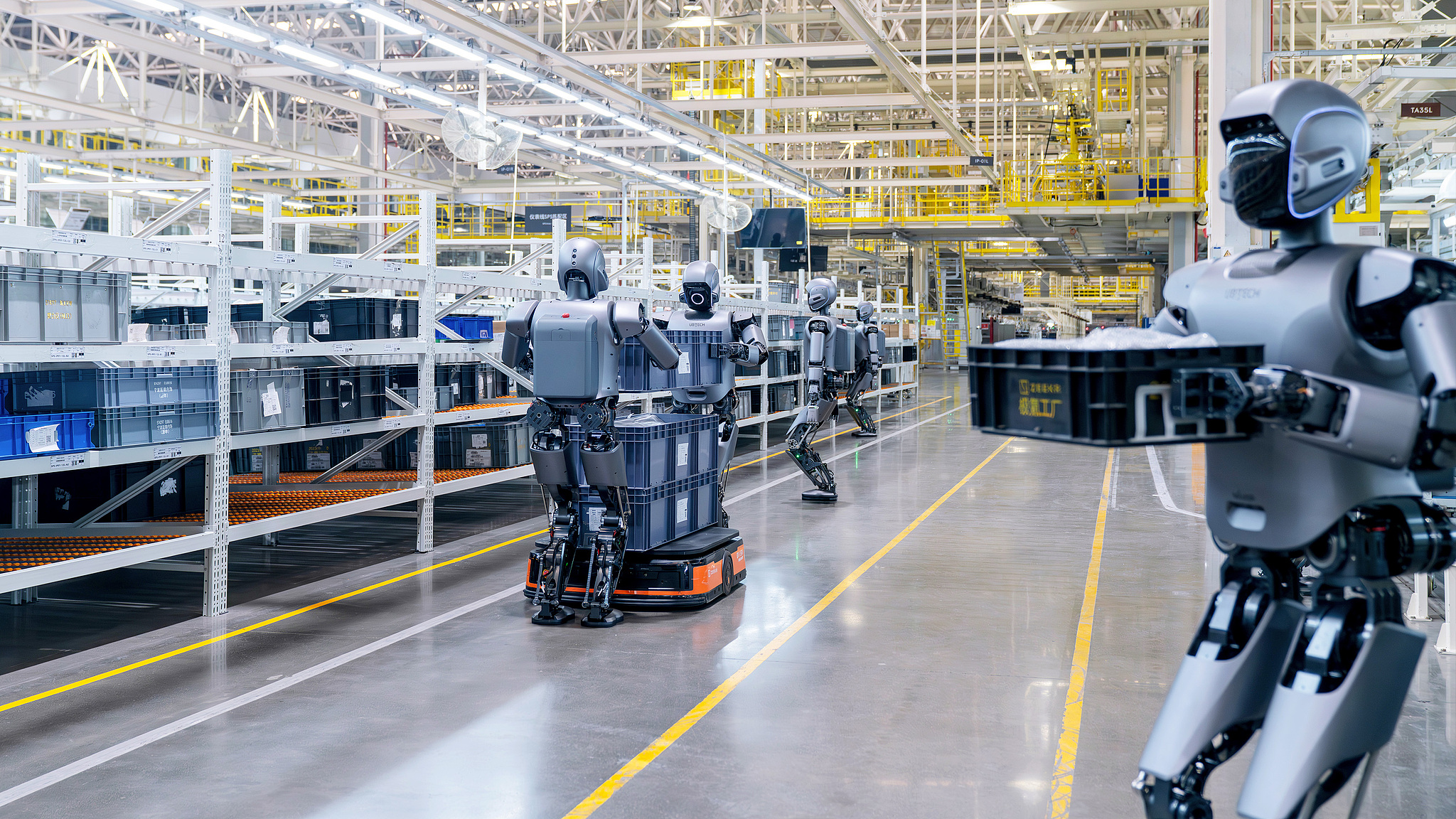
Universities are expanding engineering and computer science programs, while vocational training initiatives are being strengthened to prepare technicians for automation driven manufacturing environments. Scholarships and research exchange programs are also under review to foster global collaboration.
Leaders emphasized that workforce modernization ensures sustainable technological progress.
Regulatory Oversight and Ethical Standards
While expansion remains central, regulatory balance is equally emphasized. The China AI development plan outlines measures to strengthen data governance, cybersecurity protection and algorithm transparency.
Officials aim to foster innovation within a structured regulatory environment that protects consumer privacy and national security interests. Clear compliance frameworks are expected to provide stability for domestic firms and foreign investors.
By aligning innovation with oversight, policymakers seek long term credibility in the global technology landscape.
Industrial Integration and Smart Manufacturing
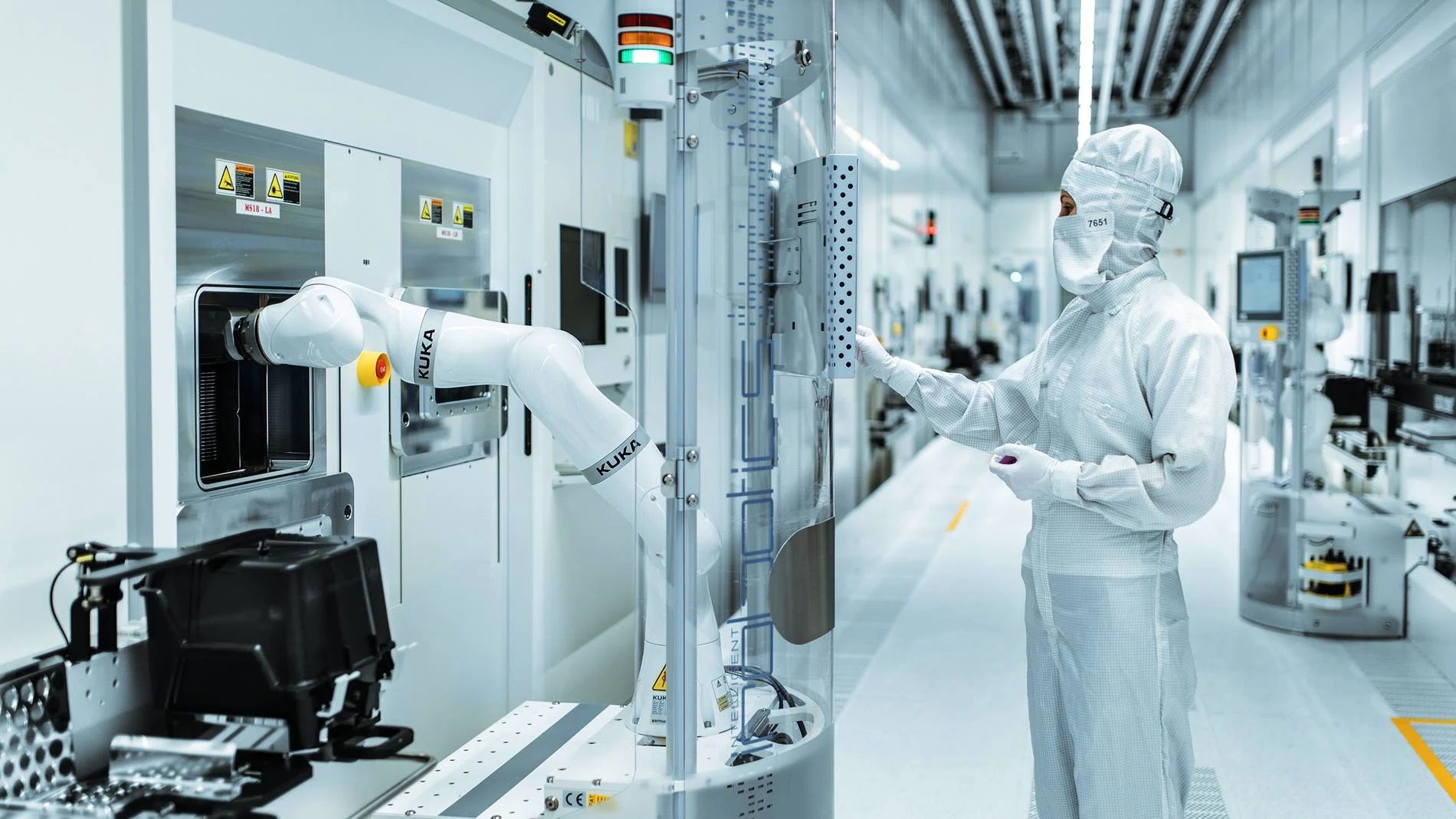
Industrial transformation plays a prominent role in the China AI development plan. Manufacturing sectors are integrating robotics, predictive analytics and automated quality control systems to increase efficiency and reduce costs.
Smart factories equipped with intelligent monitoring systems are expected to enhance productivity while maintaining global export competitiveness. Leaders described digital industrialization as essential for sustaining economic growth amid evolving trade dynamics.
Artificial intelligence applications in logistics and supply chain optimization are also expected to strengthen domestic production networks.
International Context and Competitive Dynamics
The China AI development plan unfolds within a broader global technology rivalry. Western economies continue investing heavily in artificial intelligence, advanced computing and semiconductor research.
Export controls and regulatory shifts have influenced policy direction in Beijing. Rather than retreating from global markets, officials signaled that domestic capability building remains a top priority.
International scientific cooperation may continue in select areas, yet self reliance in strategic technologies is clearly emphasized.
Financial Markets and Investment Implications
Investors responded attentively to the announcement of the China AI development plan. Technology firms specializing in cloud infrastructure, chip manufacturing and AI software are expected to benefit from sustained government support.
Market analysts believe consistent funding can provide stability during periods of geopolitical uncertainty. However, long term performance will depend on successful implementation and global economic conditions.
Capital allocation strategies in 2026 are likely to reflect renewed confidence in artificial intelligence growth sectors.
Public Expectations and Social Impact
Beyond economic strategy, the China AI development plan carries broad social implications. Citizens anticipate improvements in healthcare diagnostics, urban traffic management and environmental monitoring systems powered by intelligent technologies.
Artificial intelligence applications are expected to enhance public service efficiency and create new employment opportunities in emerging sectors.
Public discussion reflects cautious optimism, with attention focused on balancing innovation with ethical safeguards.
Cybersecurity and Digital Infrastructure Protection
Security integration forms a vital layer of the China AI development plan. Advanced artificial intelligence systems require secure cloud environments and resilient data centers capable of managing extensive computational workloads.
Investment in encryption technology and digital defense frameworks supports both economic development and national security priorities.
Technology resilience remains essential to sustaining trust in digital transformation initiatives.
Historical Perspective on Technological Evolution
The China AI development plan represents the next stage in a decades long modernization journey. During the late twentieth century, large scale industrial reforms propelled manufacturing expansion and export growth. In the early internet era, telecommunications infrastructure investment transformed connectivity and digital commerce.
Today, artificial intelligence stands at a similar inflection point. Just as electrification reshaped industrial production and the internet redefined communication, AI has the potential to restructure productivity models and economic systems. The current roadmap builds upon prior reforms, signaling a strategic shift toward intelligent transformation as the foundation of national advancement.
Official Statement on Strategic Direction
During policy discussions in Beijing, a senior government official stated,
“Artificial intelligence will define the next phase of economic leadership, and our strategy ensures sustained progress through research excellence and responsible development.”
The remark underscored long term commitment embedded within the China AI development plan and reinforced confidence in coordinated implementation.
Regional Innovation Clusters Driving Execution
Regional technology hubs are expected to serve as implementation engines for the China AI development plan. Beijing’s research districts, Shanghai’s financial technology centers and Shenzhen’s startup corridors will coordinate efforts across academia and industry.
These clusters combine capital investment, academic research and entrepreneurial experimentation. Policymakers believe geographic specialization enhances targeted innovation while maintaining national cohesion.
Collaboration between local governments and private enterprises is considered essential for translating strategic objectives into operational results.
Long Term Objectives and Performance Monitoring
The China AI development plan outlines phased objectives extending beyond 2026. Targets include expanding domestic chip production capacity, increasing global patent filings and strengthening advanced computing infrastructure.
Performance metrics will be reviewed annually to ensure accountability and policy adaptability. Transparent evaluation mechanisms are intended to maintain strategic momentum.
Observers note that consistent policy alignment across ministries will be necessary to achieve measurable breakthroughs.
A Defining Moment for Intelligent Transformation
The China AI development plan marks a defining chapter in technological evolution. By integrating semiconductor resilience, workforce development, regulatory oversight and industrial modernization, policymakers have constructed a comprehensive framework for sustained innovation.
As implementation moves forward in 2026, global stakeholders will monitor how effectively strategic commitments translate into tangible advancements. Artificial intelligence now occupies a central role in shaping economic stability and global competitiveness.
The direction set in Beijing signals long term ambition grounded in structured policy planning. The outcome will depend on execution, adaptation and sustained collaboration across research, industry and government sectors.