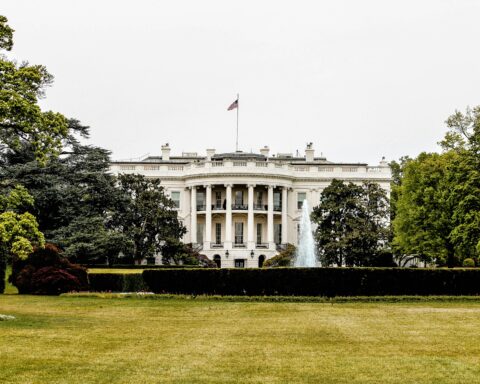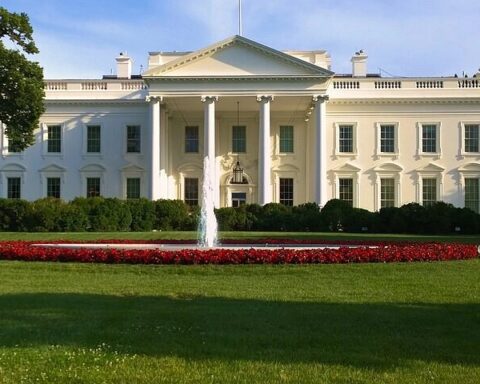

US security alert issued in Washington 2026 amid rising geopolitical tensions.
Officials urge Americans abroad to review safety plans and remain vigilant.
Global partners coordinate security measures as diplomatic efforts intensify.
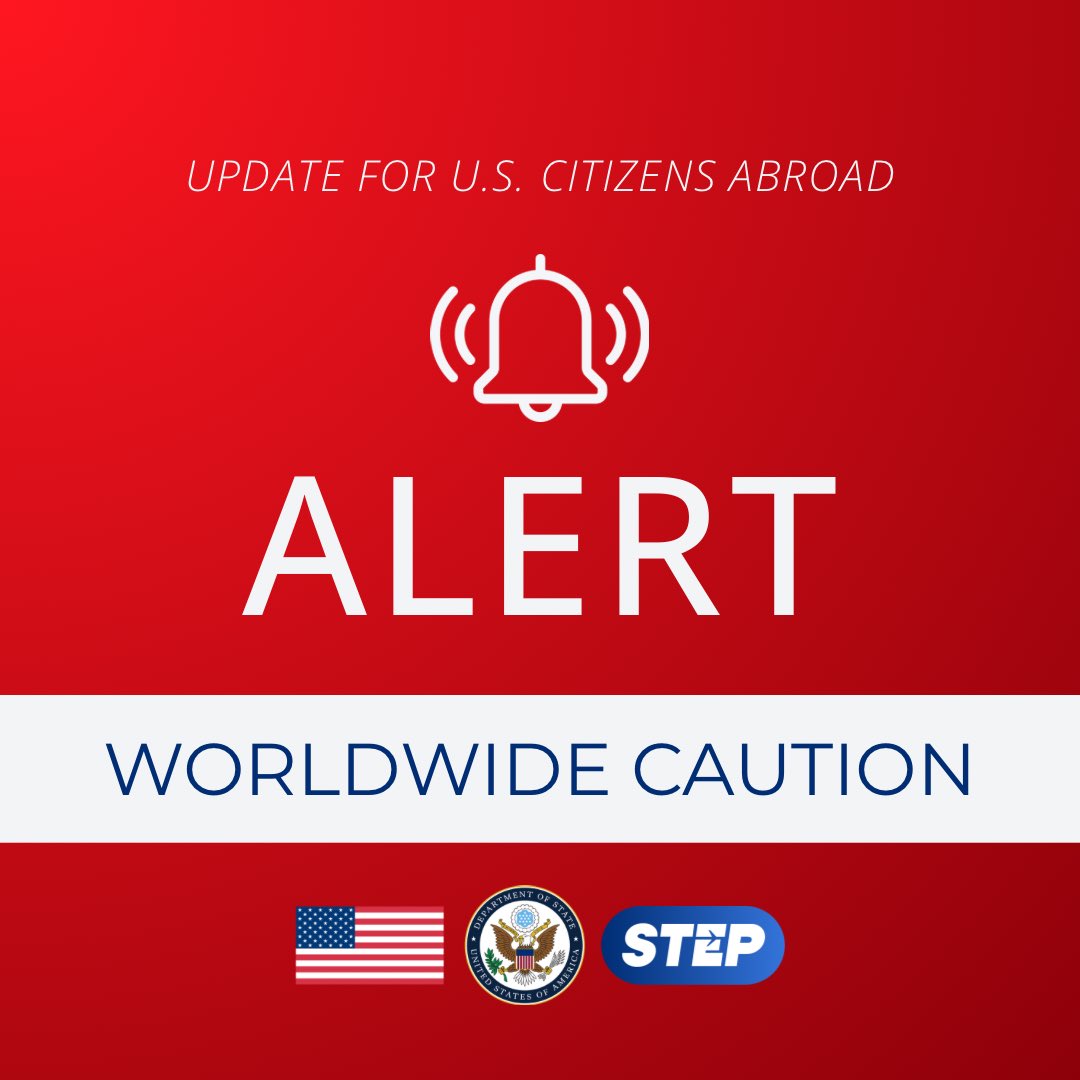
WASHINGTON, United States – March 3, 2026 — Parliament News confirms that a US security alert was issued Tuesday following escalating geopolitical tensions and updated intelligence assessments regarding potential risks to Americans overseas. The US security alert, announced by senior State Department officials, urges heightened vigilance for citizens residing or traveling abroad while reinforcing diplomatic security measures worldwide.
Authorities emphasized that the advisory is precautionary and not indicative of an immediate domestic threat. However, officials underscored that evolving global conditions require increased awareness and preparedness.
Embassies, consulates, and allied security agencies began coordinating response protocols shortly after the announcement.
Immediate Scope of the Advisory
The US security alert applies to multiple regions experiencing political and military instability. While not a mandatory evacuation order, it encourages Americans to review travel documentation, maintain communication with local authorities, and monitor official updates.
Government officials clarified that the US security alert reflects continuous intelligence evaluation. It is designed to protect citizens without causing unnecessary alarm.
Diplomatic missions have updated contingency procedures, including secure transportation routes and emergency communication systems.
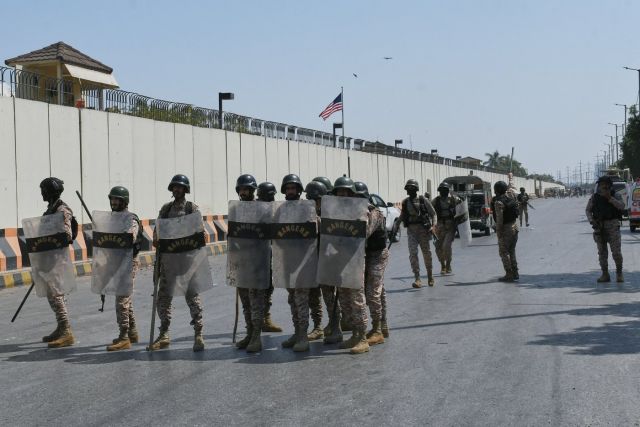
Intelligence Assessment and Risk Evaluation
According to senior officials, the US security alert followed interagency intelligence coordination involving defense, diplomatic, and homeland security authorities. Analysts reviewed regional military movements, cyber activity indicators, and intelligence reports before determining that heightened vigilance was warranted.
A State Department official stated during a briefing,
“We issued this advisory out of an abundance of caution to ensure Americans overseas remain informed and prepared.”
The US security alert represents what officials call a dynamic response to fluid international conditions.
Security Adjustments at Diplomatic Facilities
Following issuance of the US security alert, diplomatic facilities implemented reinforced security measures. Access protocols were reviewed, perimeter monitoring enhanced, and staff briefed on updated procedures.
Embassy officials contacted American citizens registered in travel programs, encouraging them to verify contact information and review emergency preparedness guidelines.
Local security forces in several host nations increased visible patrols near diplomatic zones.
Impact on International Travel and Transportation
Airports and transit hubs across affected regions adjusted screening processes after the US security alert announcement. While operations continue normally, additional security checks were introduced in certain areas.
Travel industry analysts note that advisories can influence booking trends and insurance considerations. However, no widespread travel bans have been announced.
Officials stressed that preparedness should not be confused with panic, urging travelers to rely on verified government updates.
International Diplomatic Engagement
Global partners acknowledged the US security alert and initiated parallel consultations. Several allied governments released similar advisories for their citizens.
A European diplomatic source commented,
“Close coordination between allies is essential during periods of heightened alert.”
Diplomatic channels remain active as governments seek to reduce tensions and prevent misinformation from amplifying instability.
Domestic Preparedness and Interagency Coordination
Within the United States, federal agencies conducted briefings following the US security alert. Homeland security entities reviewed infrastructure readiness, though authorities emphasized there is no direct evidence of domestic threat escalation.
Interagency coordination ensures consistent communication across departments. Law enforcement agencies remain vigilant but have not announced new domestic restrictions.
Officials highlighted the importance of balanced messaging to maintain public confidence.

Global Diplomatic Response
Allied governments acknowledged the US security alert and initiated consultations through established diplomatic channels. Several nations issued parallel advisories to their citizens.
International organizations encouraged dialogue and restraint amid rising tensions. Diplomatic observers suggest that coordinated messaging helps prevent misinformation and market instability.
Engagement between senior diplomats continues as efforts focus on stabilizing conditions.
Economic and Financial Market Reactions
Financial markets reacted cautiously following the US security alert announcement. Equity indices remained relatively stable, though energy and defense sectors experienced modest fluctuations.
Economists note that geopolitical uncertainty can temporarily influence investor sentiment. However, sustained impact depends on the duration and severity of underlying tensions.
Central banks and financial regulators continue monitoring developments.
Communication Strategy and Public Awareness
Transparent communication has been central to managing the US security alert. Officials utilized press briefings, digital platforms, and embassy networks to disseminate guidance efficiently.
Community organizations shared preparedness resources, emphasizing practical steps such as emergency kits and updated travel plans.
Security experts advise measured awareness rather than heightened anxiety.
Historical Context of National Security Advisories
The United States has periodically issued security advisories during periods of geopolitical volatility. Past advisories have addressed terrorism risks, regional conflicts, and global health emergencies.
The US security alert issued in 2026 reflects continuity in precautionary strategy. Historical precedent demonstrates that advisories often coincide with diplomatic engagement aimed at reducing risk exposure.
Reviewing prior alerts underscores the importance of preparedness and measured response.
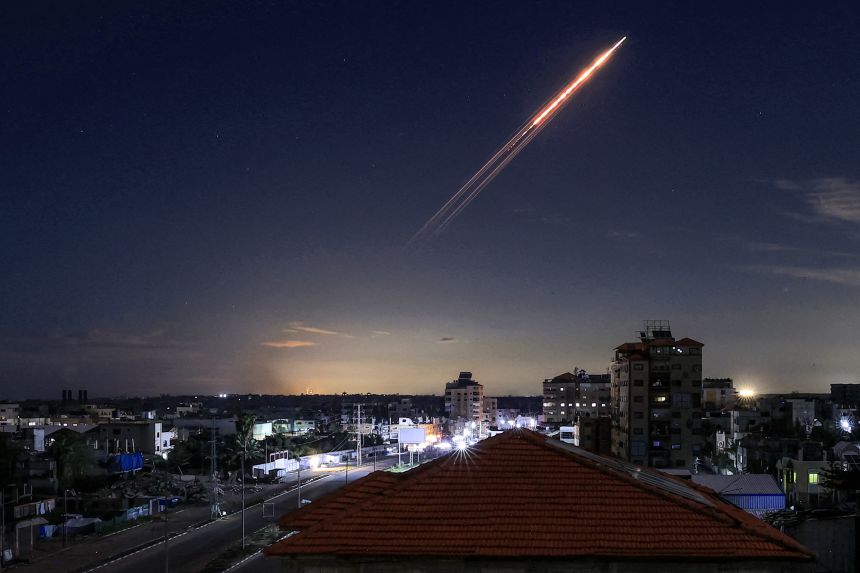
Technological Monitoring and Intelligence Capabilities
Modern threat assessment relies on integrated data platforms combining satellite surveillance, cyber monitoring, and international intelligence sharing. The US security alert reflects advancements in real time risk evaluation.
Officials emphasized that proactive alerts are possible because of continuous monitoring systems capable of detecting early indicators.
Technology plays a crucial role in preventing escalation by enabling timely advisory issuance.
Implications for Americans Abroad
For Americans living overseas, the US security alert encourages proactive planning. Guidance includes identifying nearby safe locations, maintaining emergency contacts, and staying informed through official channels.
Embassies remain operational and accessible for assistance. Officials clarified that routine consular services continue uninterrupted.
Preparedness measures are designed to enhance resilience during uncertain periods.
Strategic Outlook for 2026
The US security alert in March 2026 highlights the interconnected nature of modern geopolitics. While the advisory signals elevated vigilance, diplomatic engagement remains active across multiple levels.
Security analysts emphasize that balanced response and open communication are key to preventing escalation.
The coming days will determine whether tensions stabilize or require further precautionary action.
The Broader Security Landscape
Global security dynamics in 2026 reflect shifting alliances and evolving technological capabilities. The US security alert underscores the importance of adaptive preparedness in an unpredictable environment.
Policymakers continue evaluating developments while prioritizing citizen safety and international stability.
Officials reiterated commitment to transparent updates as conditions evolve.
A Defining Advisory in a Complex Era
The US security alert issued in Washington on March 3, 2026, represents a measured response to evolving global risks. While precautionary in nature, the advisory highlights the seriousness of current geopolitical conditions.
Diplomatic channels remain open, markets remain stable, and public institutions are focused on resilience.
As Brussels Morning Newspaper continues monitoring developments, the emphasis remains on informed awareness, coordinated response, and the pursuit of stability in a rapidly changing world.