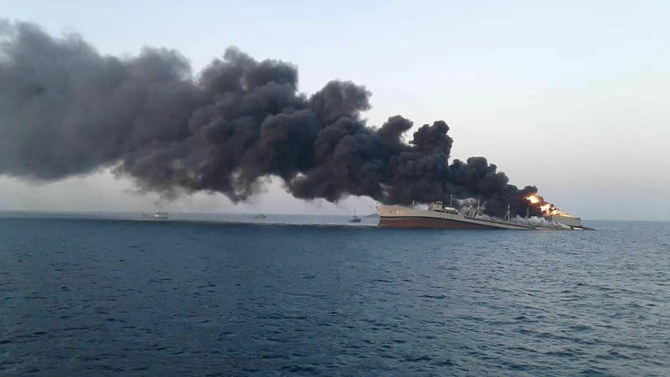
A dramatic naval confrontation has unfolded in the Persian Gulf after a powerful underwater torpedo detonated beneath an Iranian warship.
Military analysts say the incident represents one of the most intense naval developments in the region this year.
The event is drawing global attention as security experts assess the geopolitical and economic implications.
Persian, Gulf, March 5, 2026 — According to Parliament News, a powerful underwater detonation has intensified tensions across the Middle East after a US torpedo strike destroyed an Iranian warship operating in one of the world’s most strategically sensitive waterways. The incident occurred in the Persian Gulf, a region that carries enormous global significance due to its role in international energy transportation and maritime security.
Military specialists explain that torpedoes are designed to detonate beneath the hull of a ship rather than directly striking the vessel’s exterior. When the explosive charge detonates underwater, it produces a massive pressure bubble that lifts the ship before collapsing beneath it. The result can be catastrophic structural failure.
The incident involving the US torpedo strike immediately triggered global attention among defense analysts and political leaders. In a region already marked by heightened tensions, any direct naval confrontation has the potential to reshape the security landscape.
Authorities monitoring the situation say the explosion produced significant damage to the vessel, illustrating the destructive power of modern underwater weapons.
Strategic importance of the Persian Gulf
The Persian Gulf has long been one of the most strategically important maritime regions in the world. A significant portion of the global oil supply travels through the nearby Strait of Hormuz, a narrow waterway that connects the Gulf to international shipping lanes.
Because of this geographic reality, naval activity in the region is constantly monitored by governments, shipping companies, and energy markets. Even small incidents can produce global consequences.
The US torpedo strike therefore carries significance far beyond the immediate military engagement. Any confrontation involving naval forces in this region raises concerns about potential disruptions to energy shipments and international trade.
Security experts frequently describe the Gulf as a maritime corridor where military strategy and economic stability intersect. This reality explains why naval incidents here often draw rapid international attention.
How modern torpedoes destroy large vessels
Modern torpedoes represent one of the most advanced weapons used in naval warfare. Unlike missiles that strike a ship’s exterior surface, torpedoes are engineered to detonate beneath the vessel’s keel.
This technique is highly effective because ships depend on the structural integrity of their keel to remain stable. When a torpedo explodes beneath the hull, it creates a powerful shockwave followed by a collapsing pressure bubble.
This sequence can break the ship’s structure in half or cause massive flooding that disables the vessel. Defense specialists say this destructive capability is why a US torpedo strike can disable even heavily armored warships.
Torpedoes also rely on sophisticated sonar guidance systems that track the acoustic signature of enemy ships. These sensors allow the weapon to pursue its target underwater while adjusting its path automatically.
Such technology makes modern torpedoes one of the most feared weapons in naval combat.
Iranian naval presence in the region
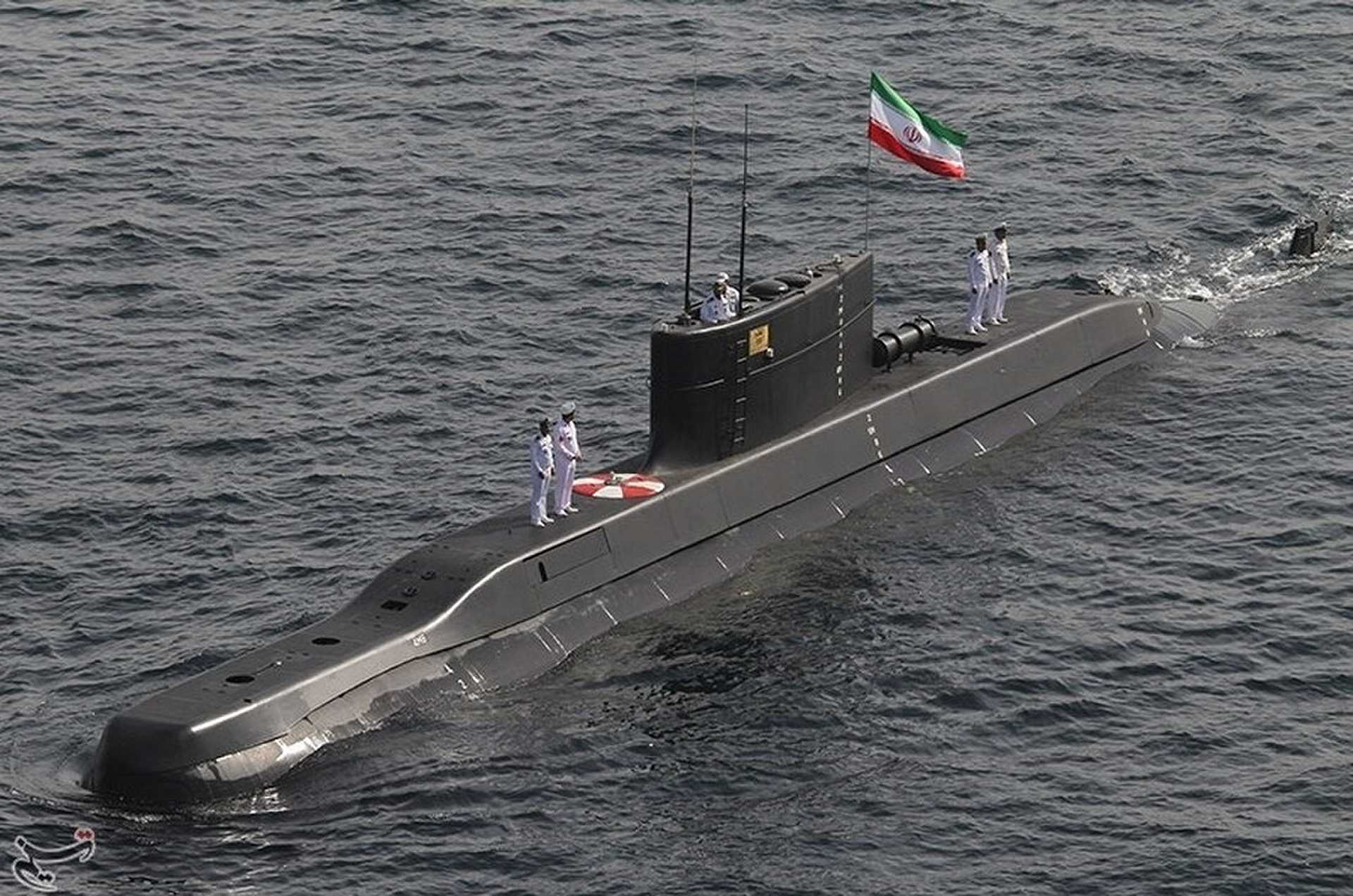
Iran maintains an active naval presence throughout the Persian Gulf and surrounding waters. Its maritime forces include patrol boats, missile vessels, submarines, and fast attack craft designed for operations in shallow coastal environments.
These forces often conduct patrols and exercises to demonstrate maritime capability. Iran’s naval strategy has historically focused on mobility and asymmetric tactics, relying on smaller vessels that can operate effectively in narrow waterways.
The incident involving the US torpedo strike highlights the complex interaction between naval powers operating in close proximity within the Gulf.
Military analysts say the region’s geography makes it particularly vulnerable to naval confrontations because shipping routes and military patrol zones frequently overlap.
International reaction and diplomatic implications
Global reaction to the naval incident has been immediate. Governments and international organizations are closely watching developments in the region as they assess potential diplomatic consequences.
Security experts warn that incidents involving major naval forces carry the risk of escalation if communication channels break down.
The US torpedo strike has therefore sparked renewed calls for restraint and diplomatic engagement aimed at preventing further military incidents.
Several international observers have emphasized the importance of maintaining open maritime routes and protecting commercial shipping vessels traveling through the Gulf.
Diplomatic negotiations may play a key role in determining whether the confrontation remains isolated or develops into a broader security challenge.
Impact on global energy markets
One of the immediate concerns following the naval incident involves energy markets. The Persian Gulf is responsible for transporting a significant share of the world’s oil supply.
Because global energy markets are highly sensitive to geopolitical developments, even limited military confrontations in the Gulf can influence oil prices.
After news of the US torpedo strike began circulating, market analysts started evaluating potential risks to shipping routes and energy supply chains.
Shipping companies may also increase insurance coverage for vessels operating in the region if tensions remain elevated.
These economic considerations highlight the interconnected relationship between maritime security and global trade.
Military technology shaping modern naval warfare
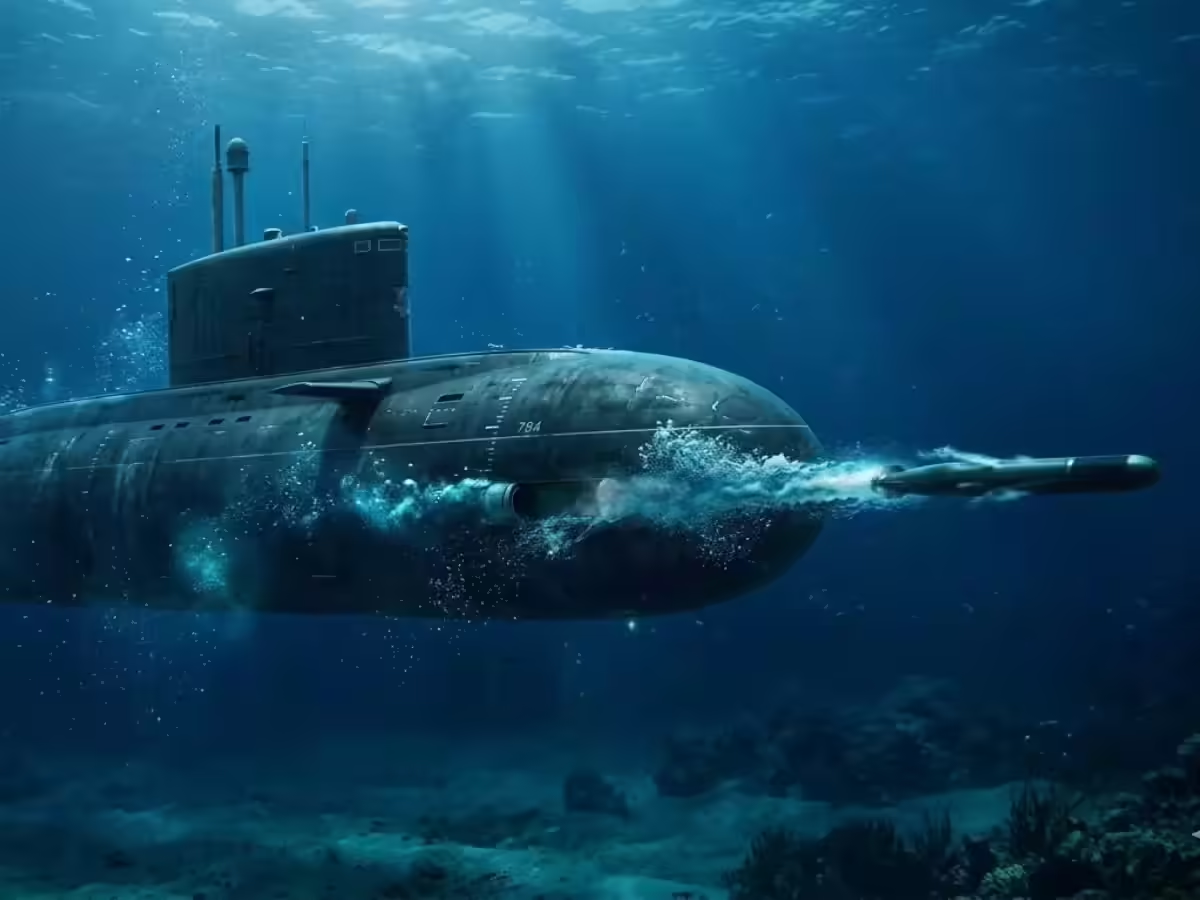
The evolution of naval warfare has been driven largely by advances in military technology. Submarines equipped with precision torpedoes represent one of the most powerful tools available to modern naval forces.
Submarines possess the unique ability to operate quietly beneath the ocean surface while tracking enemy ships using sonar systems.
When a US torpedo strike occurs, it often reflects a combination of advanced technology, intelligence gathering, and highly trained personnel capable of executing complex underwater operations.
Naval strategists emphasize that submarine warfare remains one of the most unpredictable aspects of modern military strategy.
Because submarines are difficult to detect, they provide a powerful deterrent against potential adversaries.
Admiral Jonathan Mercer, Naval Strategy Analyst
A naval defense specialist explained why underwater detonations are particularly devastating.
“Torpedoes that explode beneath a ship attack its weakest structural point, which is why this tactic has remained central to naval warfare for generations.”
Military historians note that despite the development of missiles and drones, torpedoes remain one of the most effective weapons for disabling large vessels at sea.
Evolution of torpedoes in naval combat
The history of torpedo warfare dates back more than a century. During World War I and World War II, submarines equipped with torpedoes played a decisive role in naval battles across the Atlantic and Pacific Oceans.
These early torpedoes were relatively simple compared to modern designs, but they proved highly effective in disrupting enemy shipping fleets.
Over time, technological improvements transformed torpedoes into precision guided weapons capable of tracking targets underwater.
The modern US torpedo strike illustrates how this historic naval weapon continues to shape maritime warfare today.
Advanced torpedoes now feature improved propulsion systems, sonar guidance technology, and explosive power that far exceed earlier generations of the weapon.
Human dimension behind naval confrontations
While military strategy often dominates headlines, naval incidents also carry human consequences for sailors and crews operating aboard vessels.
Warships typically carry dozens or even hundreds of personnel responsible for navigation, engineering, and combat operations.
When events such as a US torpedo strike occur, emergency response procedures immediately begin as crews attempt to contain damage and ensure safety.
Naval forces train extensively for such scenarios, including firefighting, flooding control, and evacuation procedures.
These preparations highlight the risks faced by sailors serving aboard military vessels during periods of heightened tension.
Maritime security in a volatile region
The Persian Gulf will likely remain a central focus of global maritime security for years to come. The region’s strategic importance ensures that naval patrols and security operations will continue.
International coalitions frequently coordinate efforts to protect shipping routes and monitor potential threats.
The US torpedo strike serves as a reminder that even highly monitored maritime environments can experience sudden military incidents.
Security analysts say maintaining stability in the region will require both diplomatic engagement and continued vigilance from naval forces.
The future of underwater warfare
Technological innovation continues to reshape underwater combat capabilities. Modern torpedoes are becoming faster, quieter, and more precise.
Some next generation designs incorporate artificial intelligence systems capable of analyzing sonar signals in real time.
The US torpedo strike illustrates the continuing importance of submarines and underwater weapons in global military strategy.
Naval powers around the world are investing heavily in submarine fleets and advanced torpedo systems as they prepare for future security challenges.
A defining moment for maritime tensions
As investigations and diplomatic discussions continue, the incident has become a defining moment in the ongoing tensions affecting the Middle East.
Military confrontations in strategic waterways rarely remain isolated events. They often influence political negotiations, defense strategies, and international alliances.
The US torpedo strike therefore represents more than a single naval engagement. It highlights the fragile balance that exists in regions where geopolitical interests, military forces, and economic priorities intersect.
For global leaders, the challenge now lies in ensuring that maritime security remains stable while preventing further escalation.