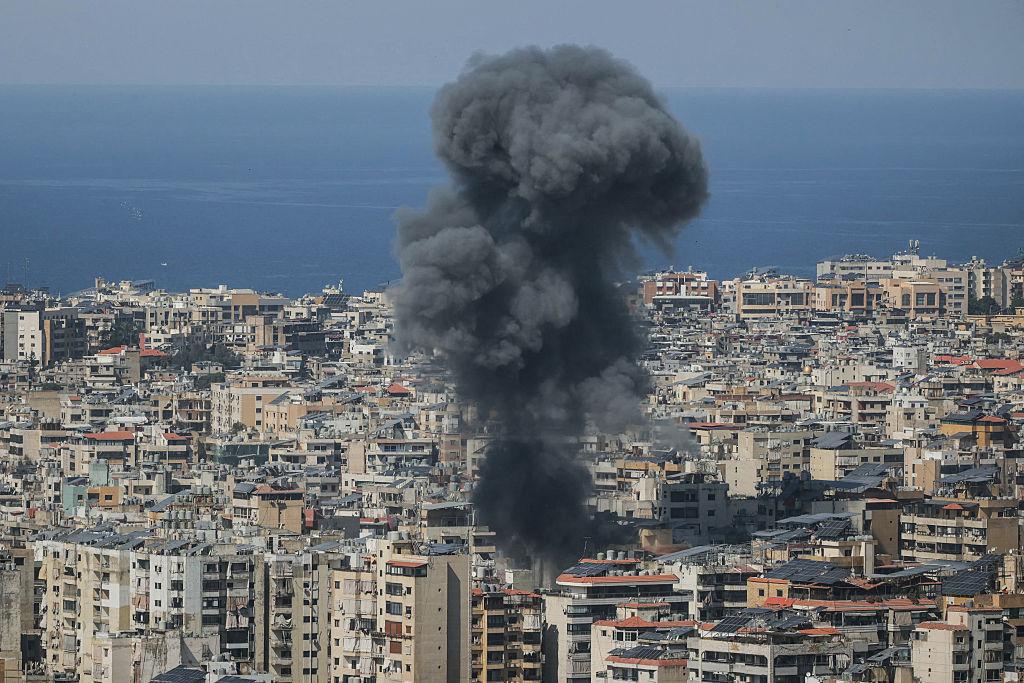
Dublin, Ireland, April 10, 2026 (Parliament Politics Magazine) Lebanon airstrikes global reaction is intensifying as an Irish government minister publicly condemned recent Israeli strikes and urged an immediate extension of the ceasefire. Speaking from Dublin, the official emphasized the urgent need to protect civilians and prevent further escalation across the region.
The remarks come amid continued violence in southern Lebanon, where tensions involving Israel have raised alarms among international leaders. The Irish government’s stance reflects a growing consensus that diplomatic intervention is needed to stabilize the situation.
Strong European Response Signals Shift in Tone
The expanding Lebanon airstrikes global reaction highlights a shift in how European leaders are addressing the conflict. Ireland’s condemnation adds to increasing diplomatic pressure on all sides to exercise restraint and prioritize negotiations.
During the address, the minister stated:
“The continued escalation places innocent lives in danger. Extending the ceasefire is essential to avoid a deeper humanitarian crisis.”
This statement underscores mounting frustration among policymakers who fear that ongoing military actions could derail fragile peace efforts.
Ceasefire Extension Gains Urgency
Calls to extend the ceasefire are gaining traction as part of the broader Lebanon airstrikes global reaction. The United Nations and other global bodies have emphasized the importance of maintaining a pause in hostilities to allow humanitarian aid and diplomatic negotiations to proceed.
Experts warn that without a renewed agreement, the region could face rapid escalation. Ceasefires, while often temporary, serve as critical tools for reducing immediate violence and creating space for longer-term solutions.
A foreign policy analyst noted:
“Without sustained international pressure, ceasefires can collapse quickly, leading to renewed cycles of violence.”
Civilian Safety at the Center of Debate
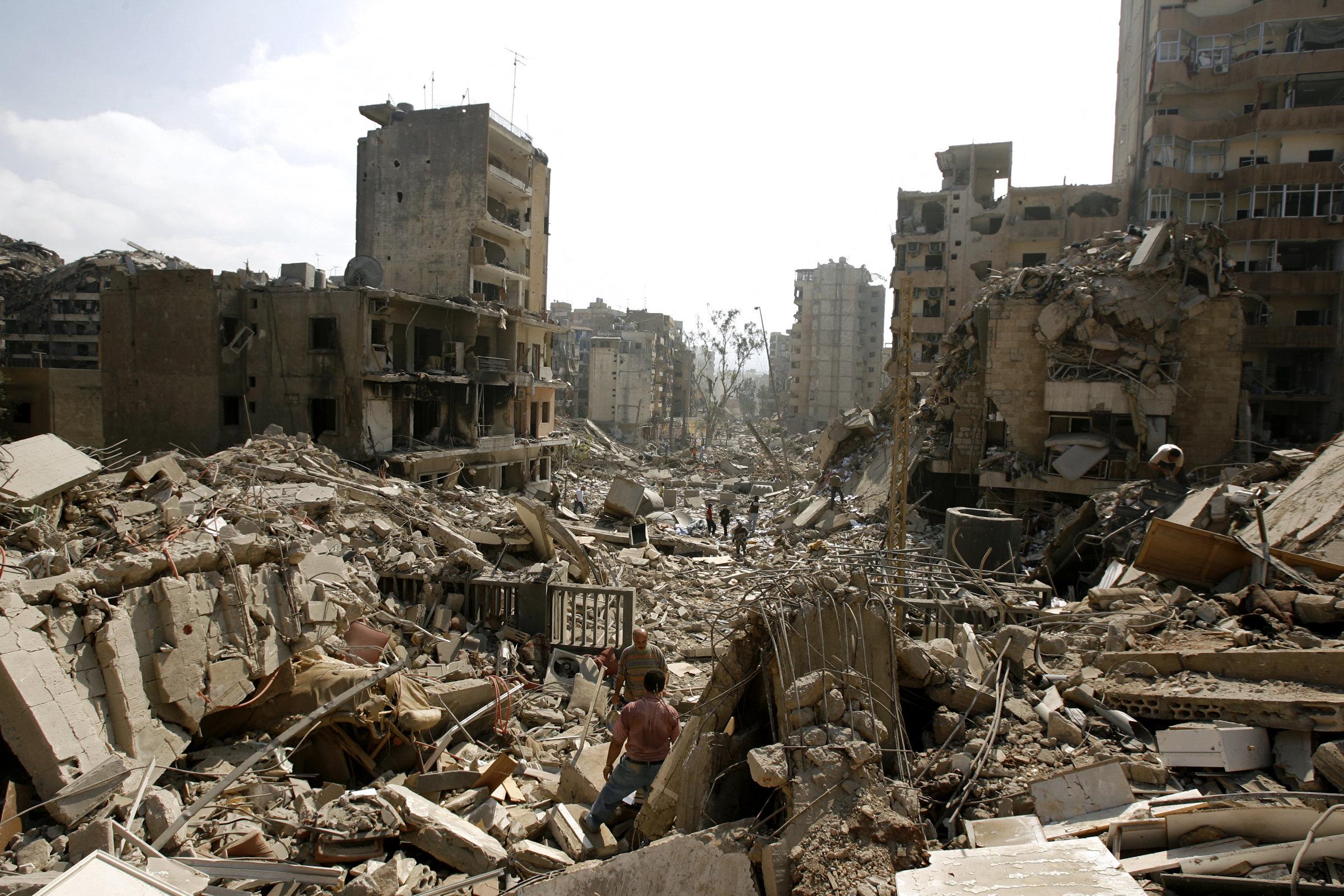
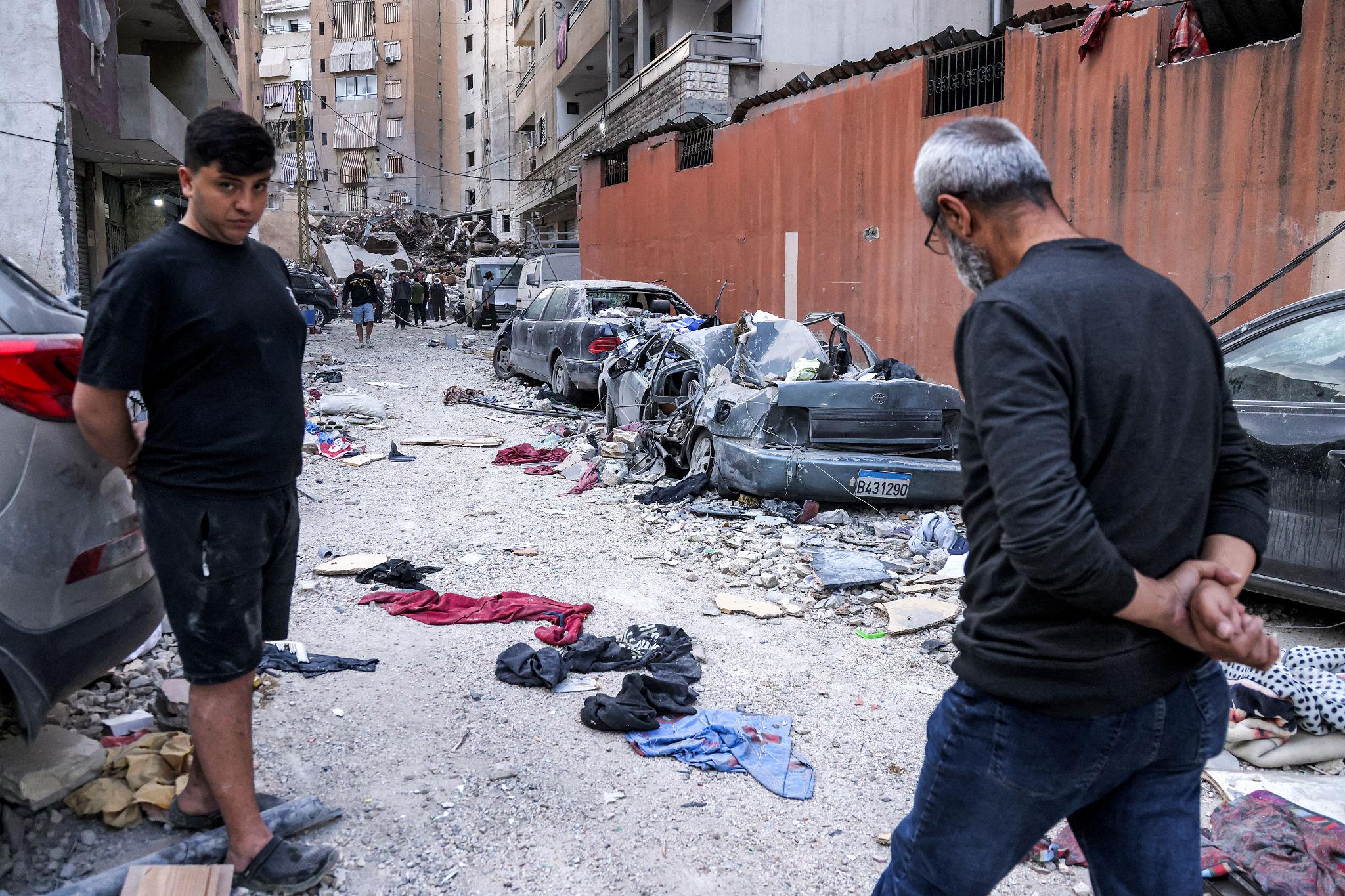
A key element of the Lebanon airstrikes global reaction is the concern for civilian safety. Reports from affected areas indicate damage to homes, infrastructure, and emergency services, raising fears of a worsening humanitarian crisis.
Aid organizations stress that civilians bear the brunt of such conflicts, with limited access to healthcare, shelter, and essential resources. The proximity of armed groups like Hezbollah to civilian populations further complicates the situation.
Regional Tensions Add Complexity
The Lebanon airstrikes global reaction is also shaped by broader geopolitical tensions, particularly those involving Iran and its regional allies. Analysts warn that continued escalation in Lebanon could trigger wider instability across the Middle East.
The interconnected nature of regional conflicts means that developments in one area can quickly influence others, making diplomatic coordination increasingly important.
Growing Diplomatic Pressure Worldwide
Ireland’s position contributes to a broader international effort to de-escalate tensions. Governments across Europe and beyond are urging restraint while calling for adherence to international humanitarian law.
The Lebanon airstrikes global reaction reflects a unified concern that continued violence could undermine long-term peace efforts and increase civilian suffering. Diplomatic channels remain active, with ongoing discussions aimed at securing a ceasefire extension.
Strategic Implications for the Region
From a strategic standpoint, the situation presents significant challenges. Military actions are often justified on security grounds, but they also carry political and humanitarian consequences that can affect international relations.
For Lebanon, the ongoing conflict places additional strain on its already fragile infrastructure and governance. For Israel, balancing security concerns with global expectations remains a complex task.
What Comes Next?
As the Lebanon airstrikes global reaction continues to grow, attention will turn to the effectiveness of diplomatic efforts and the likelihood of a ceasefire extension. International observers are expected to monitor developments closely, while policymakers work to prevent further escalation.
The coming days will be critical in shaping the direction of the conflict and determining whether tensions can be reduced.
What We Know So Far
The Lebanon airstrikes global reaction has intensified following Ireland’s condemnation of Israeli strikes and its call for a ceasefire extension. The situation highlights growing international concern over civilian safety and regional stability. Diplomatic efforts are underway, but uncertainty remains high.