Riyadh, April 12, 2026 (Parliament Politics Magazine) Red Sea oil exports have become a central focus for Saudi Arabia in 2026, as officials highlight the urgent need to secure alternative energy routes amid rising geopolitical tensions. With key maritime chokepoints facing increasing risks, the kingdom is accelerating efforts to strengthen its westward export capabilities.
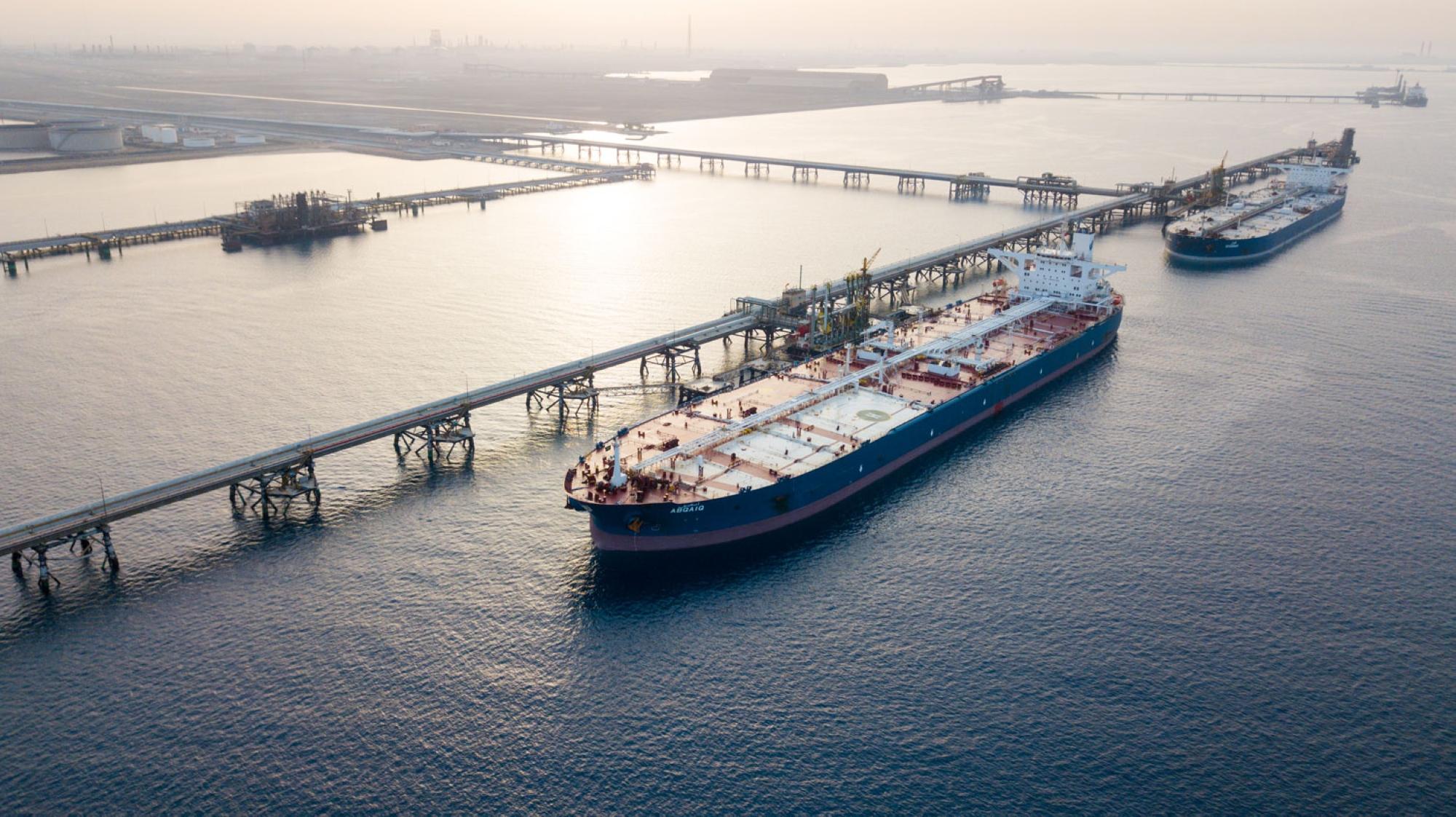
The East-West pipeline plays a critical role in enabling Red Sea oil exports by transporting crude from eastern oil fields to terminals on the Red Sea coast. This route allows Saudi Arabia to bypass vulnerable shipping lanes and maintain uninterrupted supply to global markets.
A senior energy official stated,
“Securing Red Sea oil exports is extremely important to ensure stability in global energy supply during uncertain times.”
Strategic Value of Red Sea Oil Exports in Global Energy
The growing emphasis on Red Sea oil exports reflects their importance in maintaining global oil stability. As one of the world’s largest exporters, Saudi Arabia relies on secure and flexible routes to deliver energy to international markets.
By expanding Red Sea oil exports, the kingdom reduces dependence on high-risk waterways, ensuring that shipments can continue even during periods of conflict. This flexibility is essential for stabilizing prices and meeting global demand.
Energy analysts view this strategy as a key component of long-term resilience in the oil sector.
Regional Tensions Increase Pressure on Supply Routes
The urgency around Red Sea oil exports is closely tied to escalating tensions across the Middle East. Ongoing conflicts and geopolitical disputes have raised concerns about the safety of traditional shipping lanes.
Experts warn that disruptions in critical waterways could have immediate consequences for global energy markets. In response, Saudi Arabia is prioritizing alternative routes that offer greater security and reliability.
A regional analyst noted,
“Diversifying export channels, especially through Red Sea oil exports, is essential in today’s volatile environment.”
Economic Impact on Global Oil Markets
The expansion of Red Sea oil exports has significant implications for global markets. Stable supply from Saudi Arabia helps prevent sudden price spikes and ensures consistent availability of energy resources.
Market participants closely monitor developments in export infrastructure, as any changes can influence trading patterns and investment decisions. Strengthening Red Sea oil exports is expected to reduce uncertainty and enhance confidence in supply chains.
This stability is particularly important during periods of heightened geopolitical risk.
Infrastructure Investments Support Export Growth
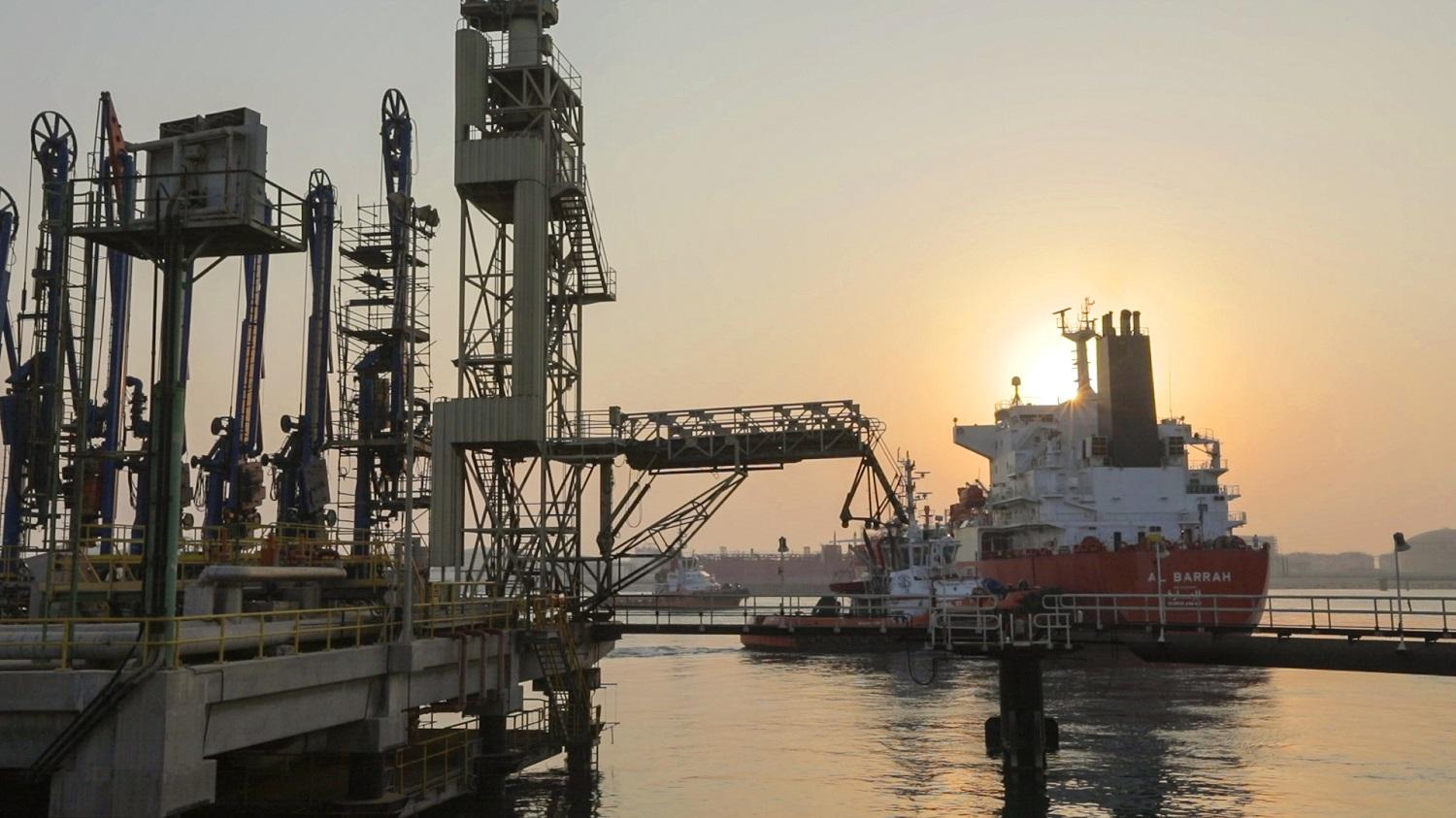
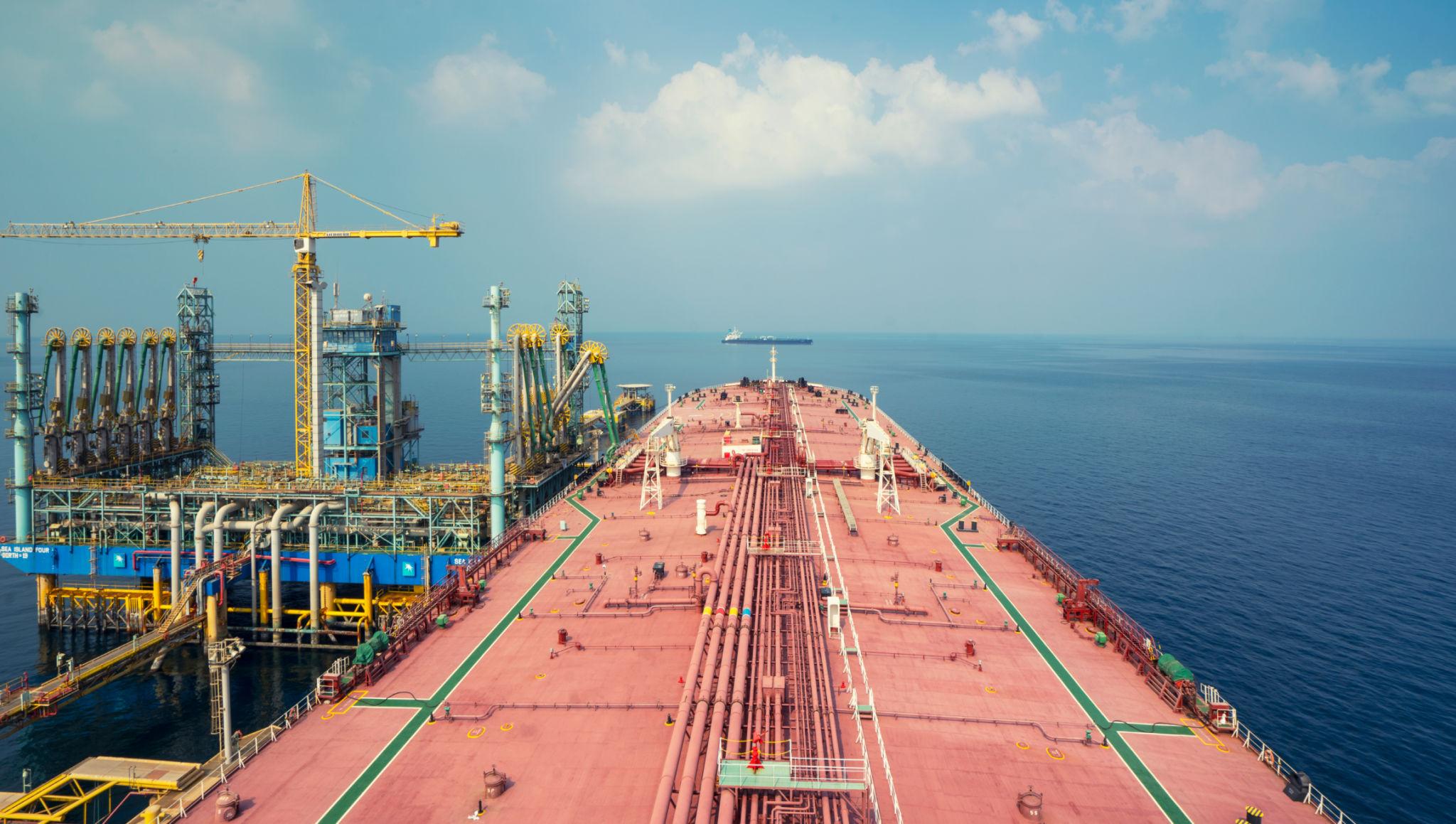
Efforts to enhance Red Sea oil exports are supported by ongoing investments in infrastructure, including pipeline upgrades and port expansions. These projects aim to increase capacity and improve efficiency, ensuring that the system can handle future demand.
Modern technologies are being integrated to monitor operations and prevent disruptions. This proactive approach reflects the importance of maintaining reliable export routes in a rapidly changing energy landscape.
Officials have emphasized that continued investment will be necessary to sustain growth.
Energy Security Through Route Diversification
The focus on Red Sea oil exports highlights Saudi Arabia’s broader strategy of diversifying energy transport routes. By reducing reliance on a single pathway, the kingdom can better manage risks and adapt to evolving challenges.
This diversification not only enhances national security but also contributes to global energy stability. Multiple routes provide flexibility, allowing for adjustments based on changing conditions.
Such strategies are increasingly important in a world where geopolitical uncertainties can quickly impact supply chains.
Environmental and Operational Considerations
As Red Sea oil exports expand, environmental and safety considerations remain a priority. Modern infrastructure is designed to minimize risks associated with transportation, including leaks and operational failures.
Saudi Arabia is expected to implement advanced safety protocols to ensure compliance with international standards. These measures are essential for maintaining both efficiency and environmental responsibility.
Balancing growth with sustainability continues to be a key focus for the energy sector.
International Reactions and Strategic Implications
The increased emphasis on Red Sea oil exports has drawn attention from global stakeholders. Energy-importing nations view the development as a positive step toward ensuring stable supply, while analysts assess its broader implications.
Changes in export routes can influence global trade patterns and geopolitical relationships. As Saudi Arabia strengthens its Red Sea oil exports, the impact will be felt across multiple regions.
The move is seen as both a defensive measure and a strategic opportunity.
Future Outlook for Red Sea Oil Exports
Looking ahead, Red Sea oil exports are expected to play an even greater role in Saudi Arabia’s energy strategy. Continued investment and innovation will be essential to meet growing global demand.
Experts anticipate that advancements in technology and infrastructure will further enhance efficiency and reliability. The focus on Red Sea oil exports underscores the importance of adaptability in the energy sector.
As conditions evolve, maintaining strong export capabilities will remain a top priority.
A Critical Shift in Energy Strategy
The growing importance of Red Sea oil exports reflects Saudi Arabia’s proactive approach to securing its energy future. By strengthening alternative routes, the kingdom aims to protect supply chains and support global market stability.
While challenges remain, including geopolitical risks and environmental considerations, the strategy demonstrates a commitment to resilience and long-term planning.
In summary, Red Sea oil exports are becoming a cornerstone of Saudi Arabia’s energy policy, ensuring stability in an increasingly uncertain global environment.