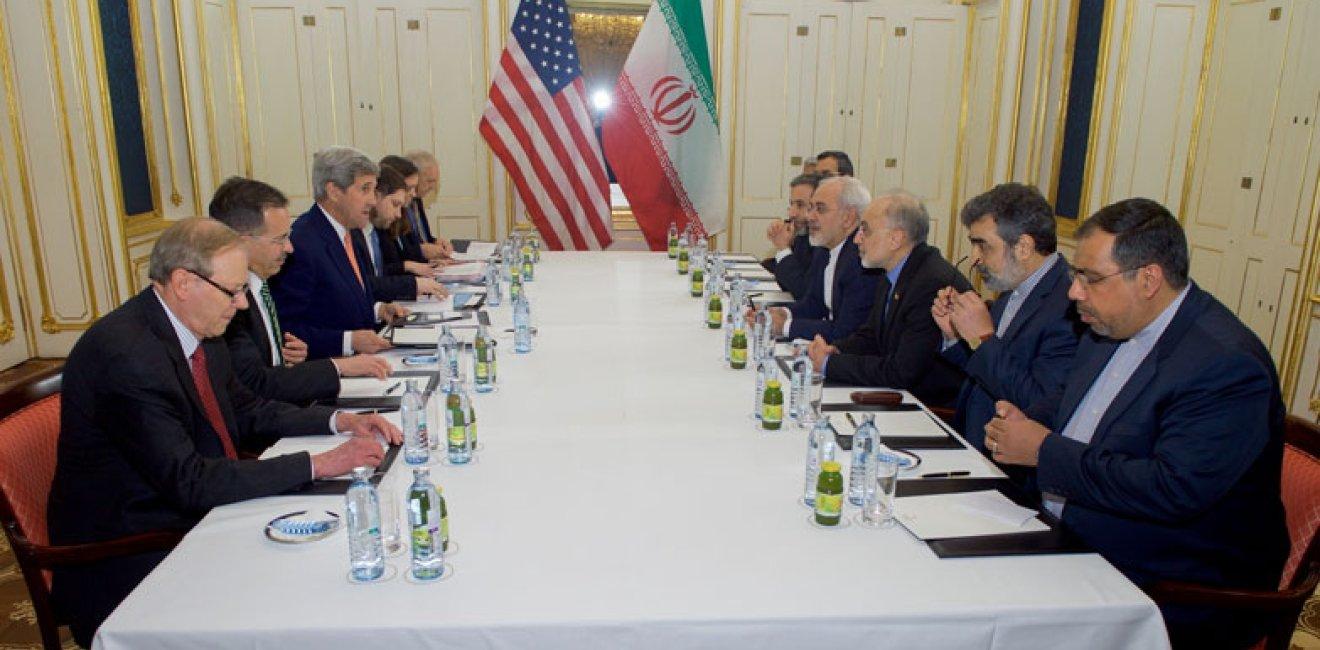
Islamabad, April 12, 2026 (Parliament Politics Magazine) Iran deal breakdown has become the defining outcome of high-stakes negotiations between the United States and Iran in 2026, as talks held in Islamabad ended without an agreement after more than 20 hours of discussions.
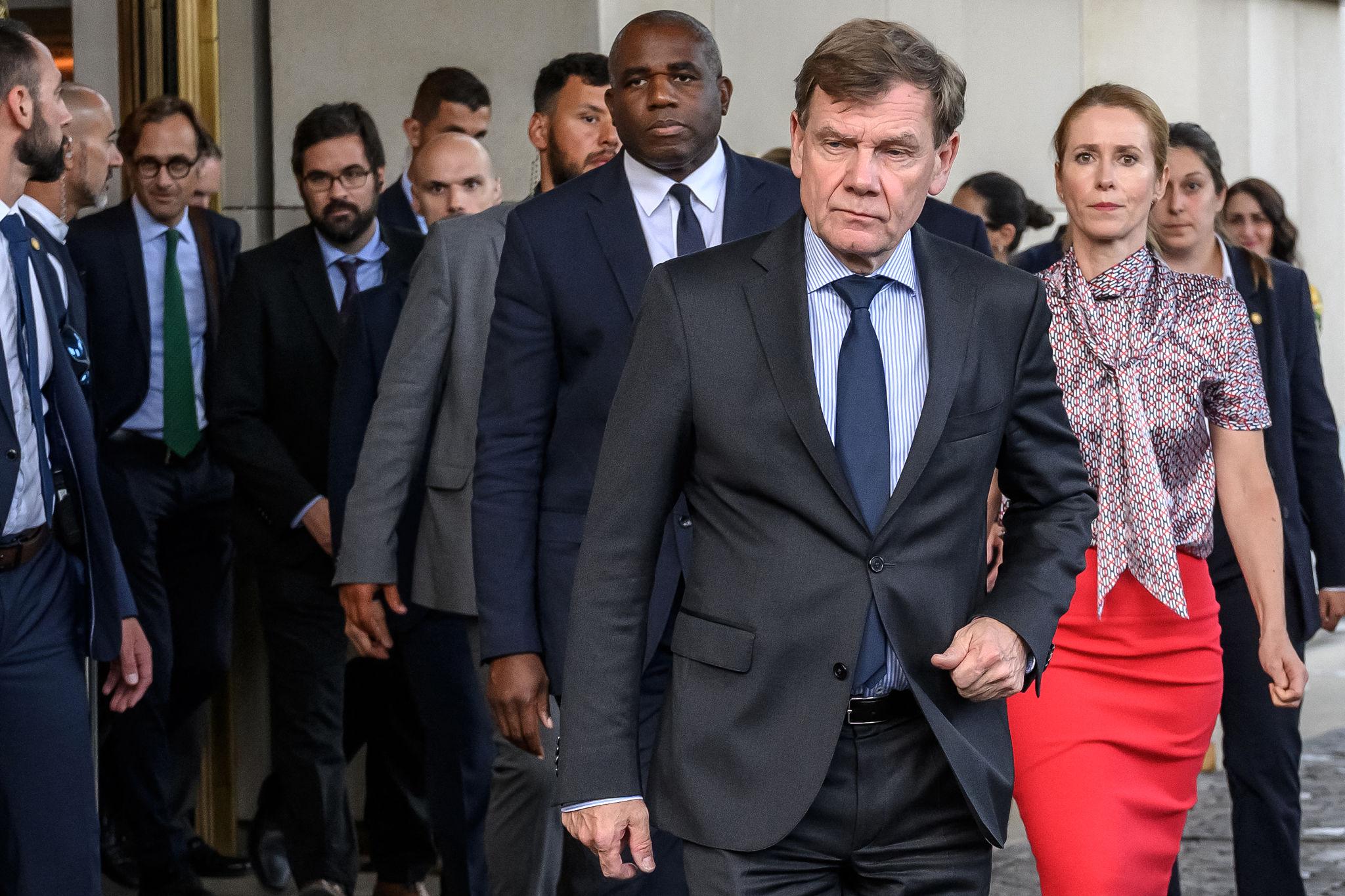
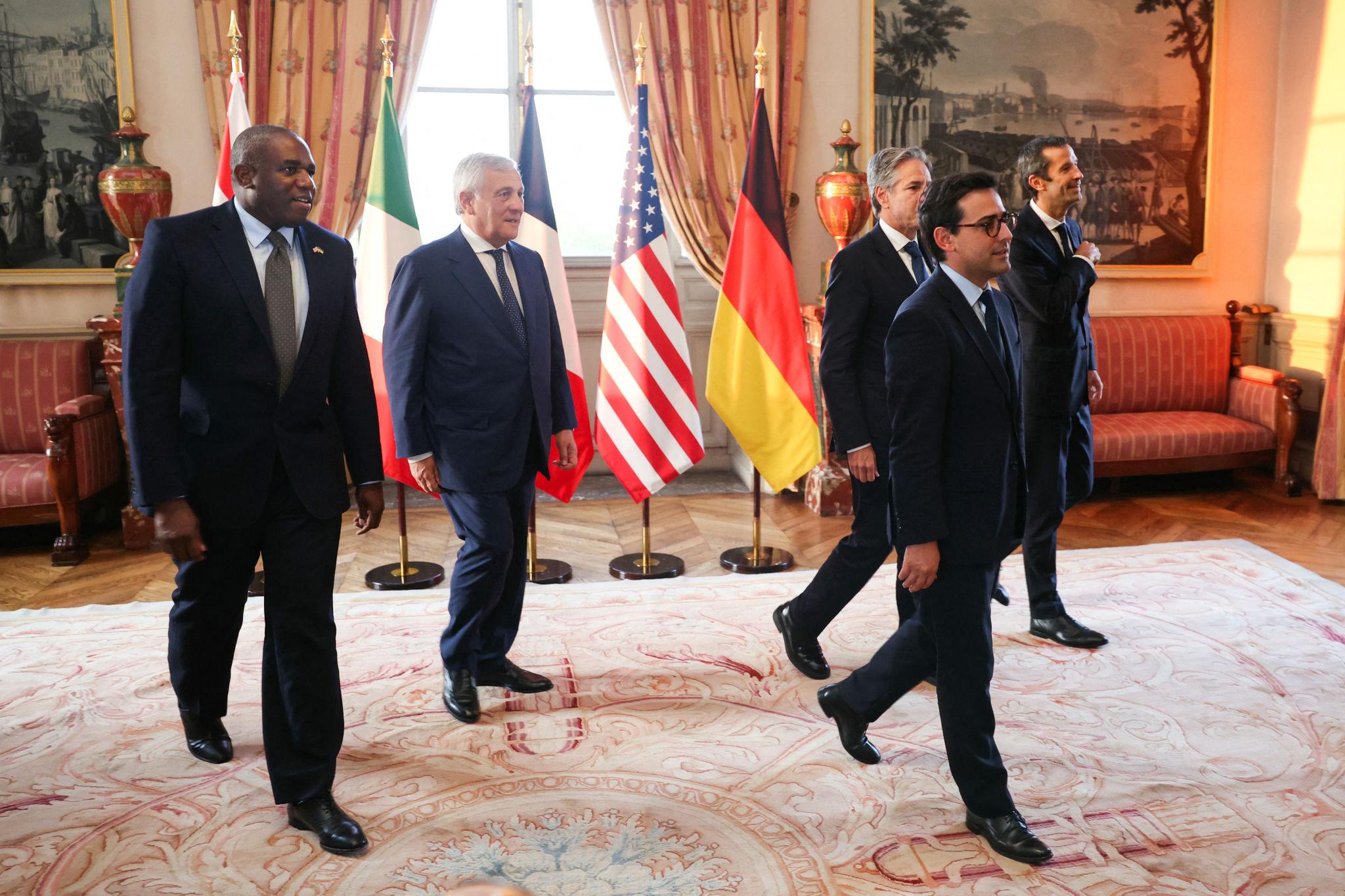
The collapse of negotiations has triggered immediate reactions from key allies, including the United Kingdom and Australia, both of which expressed disappointment and concern over the lack of progress. Officials warned that the failure to secure a deal could have far-reaching consequences for regional stability and global security.
A Western diplomat stated,
“This Iran deal breakdown reflects deep divisions that cannot be ignored. Without compromise, progress will remain out of reach.”
UK and Australia Voice Disappointment Over Failed Talks
The Iran deal breakdown prompted unusually direct responses from both London and Canberra. Leaders emphasized that the outcome of the talks was not only disappointing but also concerning given the fragile geopolitical environment.
Australia’s foreign minister publicly described the failed negotiations as disappointing and urged both sides to resume discussions to avoid further escalation.
Similarly, officials in the United Kingdom highlighted the risks associated with stalled diplomacy, stressing that continued dialogue is essential to prevent further deterioration of relations.
These reactions underline the growing frustration among allies who see diplomacy as the only viable path forward.
Key Issues Behind the Iran Deal Breakdown
At the core of the Iran deal breakdown are several unresolved issues that have consistently hindered progress. Chief among them are disagreements over Iran’s nuclear program, sanctions relief, and regional influence.
Negotiators reportedly struggled to bridge gaps on critical demands, including limits on nuclear development and assurances regarding future compliance.
Iran, for its part, has accused the United States of making excessive and unrealistic demands, while U.S. officials argue that Iran has not provided sufficient guarantees.
This clash of priorities has made compromise increasingly difficult.
Diplomatic Deadlock Reflects Deep Mistrust
The ongoing Iran deal breakdown highlights a deeper issue: mutual distrust between the negotiating parties. Decades of conflict and failed agreements have created an environment where both sides approach talks with skepticism.
Analysts note that this lack of trust often leads to rigid positions, making it harder to find common ground. Even extended negotiations, such as the recent 21-hour session, have failed to produce meaningful results.
A geopolitical expert observed,
“The longer mistrust persists, the more difficult it becomes to achieve a breakthrough.”
Regional Tensions Amplify the Crisis
The Iran deal breakdown is occurring against a backdrop of rising tensions across the Middle East. Ongoing conflicts and strategic rivalries have heightened the stakes of the negotiations.
Experts warn that without a diplomatic solution, the risk of escalation remains high. The collapse of talks threatens a fragile ceasefire, increasing uncertainty in an already volatile region.
This environment makes it even more urgent for parties to return to the negotiating table.
Global Implications of the Iran Deal Breakdown
The impact of the Iran deal breakdown extends far beyond the immediate region. Global markets, particularly energy sectors, are sensitive to developments in the Middle East.
Uncertainty surrounding negotiations can lead to price volatility and economic instability. Governments and investors alike are closely monitoring the situation, aware of its potential to influence global trends.
The broader implications highlight the importance of resolving the crisis through diplomacy.
Calls for Renewed Negotiations Grow Louder
In response to the Iran deal breakdown, international voices are increasingly calling for renewed efforts to restart talks. Both the UK and Australia have emphasized the importance of maintaining dialogue and avoiding further escalation.
Diplomatic experts suggest that incremental progress may be necessary, rather than expecting immediate breakthroughs. Building trust and addressing key concerns step by step could create a path forward.
These calls reflect a shared recognition of the risks associated with continued deadlock.
Challenges Facing Future Diplomacy
The Iran deal breakdown underscores the challenges that negotiators face in high-stakes discussions. Political pressures, strategic priorities, and domestic considerations all influence decision-making.
Leaders must balance internal expectations with international obligations, often making compromise politically difficult. This complexity adds another layer of difficulty to an already challenging process.
Despite these obstacles, diplomacy remains the primary tool for resolving such conflicts.
Future Outlook Remains Uncertain
Looking ahead, the Iran deal breakdown leaves the future of negotiations uncertain. While both sides have indicated a willingness to continue discussions, significant differences remain unresolved.
Experts believe that meaningful progress will require a shift in approach, with greater emphasis on flexibility and mutual understanding.
Without such changes, the risk of prolonged stalemate remains high.
Iran Deal Breakdown Signals Critical Turning Point
The Iran deal breakdown following failed US-Iran talks has triggered global concern and disappointment among key allies. The inability to reach an agreement highlights deep divisions and the challenges facing diplomatic efforts.
As tensions continue to rise, the need for renewed dialogue becomes increasingly urgent.
In summary, the Iran deal breakdown represents a critical turning point in international diplomacy, where the path forward will depend on compromise, cooperation, and sustained engagement to prevent further escalation.