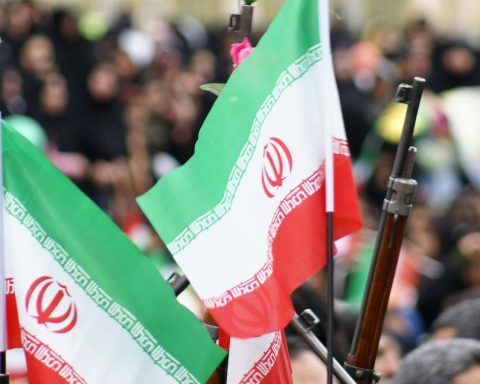
Brussels, April 13, 2026 (Parliament Politics Magazine) Europe diplomacy crisis is rapidly unfolding as a top counterterrorism official resigns in protest of the United States’ military actions against Iran. The resignation has amplified concerns among European leaders who have consistently pushed for diplomatic engagement rather than conflict escalation.
Officials across the European Union are increasingly alarmed by the trajectory of the situation, warning that continued military actions could destabilize not just the Middle East, but also global security systems.
“This is heading in the wrong direction for the Europeans,”
a senior diplomat stated, reflecting growing frustration within European political circles.
Resignation Signals Deep Strategic Divide
The Europe diplomacy crisis has been further highlighted by the resignation, which many analysts interpret as a direct response to internal disagreements over the current approach to Iran. The departure of such a high-ranking official suggests that divisions within security leadership are becoming more pronounced.
Experts believe that the resignation underscores a broader conflict between military-driven strategies and intelligence-led, diplomatic approaches. Counterterrorism professionals often emphasize long-term stability, which can be undermined by rapid escalation.
“This decision sends a clear message that not everyone agrees with the current direction,”
said a geopolitical analyst.
Europe Calls for Immediate Negotiations
At the heart of the Europe diplomacy crisis is a strong push from European nations to return to negotiations. Leaders from several countries have reiterated that diplomacy remains the only viable path to resolving tensions with Iran.
European policymakers argue that military escalation risks triggering wider regional conflict, drawing in additional actors and complicating efforts to maintain stability.
A senior European official emphasized,
“Diplomacy is not optional—it is essential for preventing a larger crisis.”
Impact on Global Counterterrorism Strategy
The resignation during this Europe diplomacy crisis could have serious implications for international counterterrorism operations. Cooperation between allied nations may become strained if strategic priorities continue to diverge.
Counterterrorism efforts rely heavily on intelligence sharing and coordination. Any disruption to these processes could weaken the global response to extremist threats.
Analysts warn that instability in the Middle East often creates opportunities for extremist groups to regroup, making unified strategies more critical than ever.
Economic and Market Uncertainty Grows
The Europe diplomacy crisis is not limited to political and security concerns—it is also affecting global markets. Rising tensions have led to increased volatility in energy prices, with fears of supply disruptions in key regions.
Investors are closely monitoring developments, as prolonged instability could impact global economic growth. Businesses are also bracing for potential disruptions to supply chains and rising operational costs.
Energy markets, in particular, remain sensitive to geopolitical risks, with oil prices reacting quickly to any signs of escalation.
Public Reaction and Political Debate Intensify
As the Europe diplomacy crisis deepens, public and political reactions are becoming more pronounced. The resignation has sparked debate about the effectiveness of current policies and the need for a clearer strategy.
Critics argue that the situation reflects a lack of cohesive planning, while others defend the need for strong action in the face of security threats.
Public discourse has increasingly focused on the balance between military intervention and diplomatic engagement, with many calling for transparency and accountability.
Risks of Continued Escalation
The ongoing Europe diplomacy crisis highlights the risks associated with continued escalation. Military actions in a volatile region can lead to unintended consequences, including broader conflict and humanitarian crises.
European leaders have repeatedly warned that escalation undermines international stability and increases the likelihood of miscalculations.
“The cost of escalation is always higher than the cost of negotiation,”
a European foreign minister stated, reinforcing the urgency of diplomatic efforts.
Renewed Diplomatic Efforts Underway
Despite the challenges, efforts to address the Europe diplomacy crisis through negotiations are ongoing. European nations are working to reopen communication channels and facilitate dialogue between key stakeholders.
These initiatives include diplomatic meetings, backchannel discussions, and coordination with international organizations. While progress remains uncertain, there is a shared recognition of the need to avoid further escalation.
Many leaders remain cautiously optimistic that diplomacy can still play a decisive role in resolving the crisis.
Strategic Implications for Global Security
The Europe diplomacy crisis represents a critical moment for global security. The resignation of a senior counterterrorism official serves as a warning sign of deeper issues within the current approach.
Experts believe that aligning strategies among allies will be essential for maintaining stability and addressing emerging threats. Failure to do so could result in fragmented efforts and increased risks.
The coming weeks are likely to be pivotal in determining whether the situation moves toward resolution or further conflict.
A Critical Turning Point
The Europe diplomacy crisis has reached a significant turning point with the resignation of a top counterterrorism official over the US war against Iran. European leaders continue to advocate for diplomacy, warning that escalation could have far-reaching consequences.
This development underscores the urgent need for renewed negotiations and a unified approach to global security challenges. As tensions rise, the decisions made now will shape the future of international stability.