Humanoid robots stunned spectators in Beijing by outperforming human runners in a half-marathon.
The event highlights rapid advancements in AI, automation, and robotics engineering.
Experts say this could reshape industries, labor markets, and daily life worldwide.
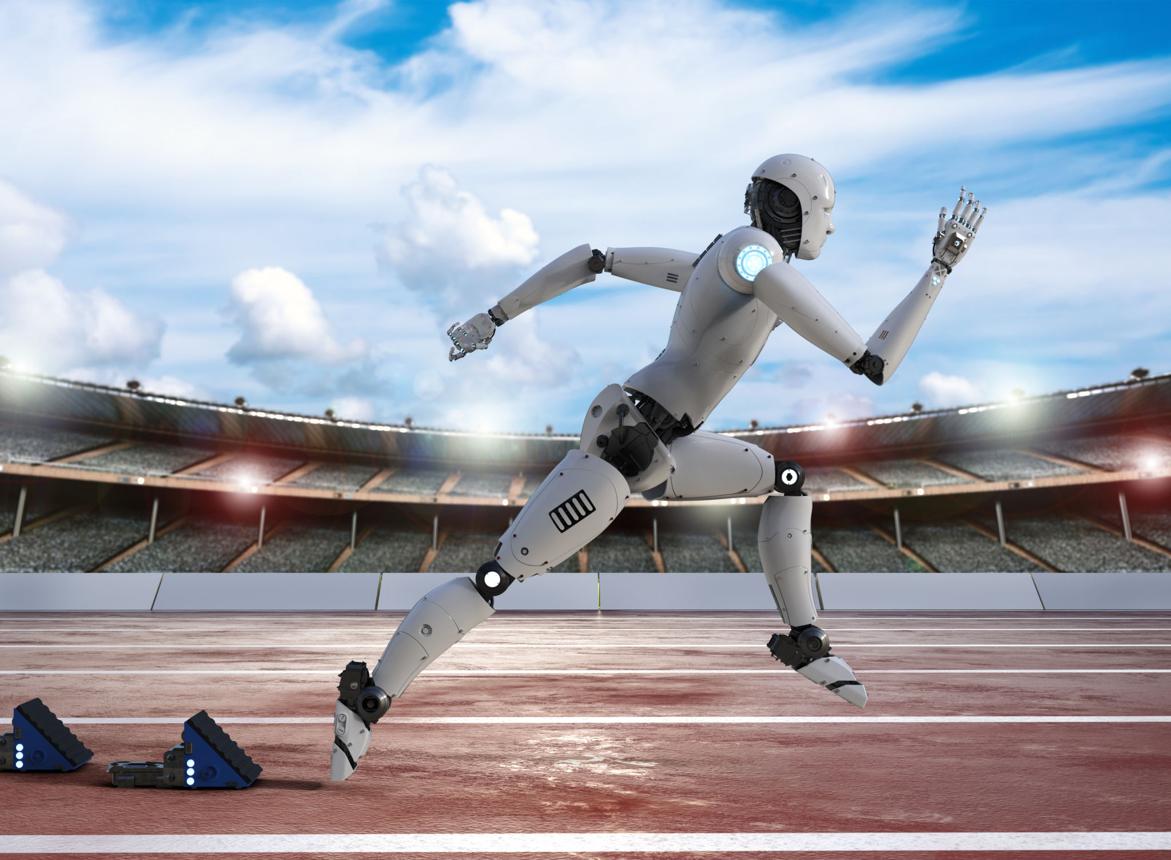
Beijing, China, April 19, 2026 (Parliament Politics Magazine) Future of robotics technology is no longer a distant concept. It is unfolding in real time. In Beijing, China, 2026, a groundbreaking half-marathon event has captured global attention after humanoid robots not only participated but surpassed human runners in performance and endurance.
The event, originally intended as a demonstration of emerging robotics capabilities, quickly turned into a defining milestone for artificial intelligence, machine learning, and human-like automation. Observers described the race as a glimpse into a future where robots are not only assistants but competitors in physical and cognitive domains.
One spectator summed up the moment, saying:
“We didn’t just watch a race. We witnessed the future accelerating right in front of us.”
Humanoid Robots Demonstrate Speed, Precision, and Endurance
The race featured several advanced humanoid robots designed with cutting-edge mobility systems, real-time adaptive learning, and energy-efficient movement algorithms. Unlike earlier prototypes, these machines demonstrated fluid motion, balance, and decision-making capabilities that closely mimic human biomechanics.
Engineers highlighted that these robots were able to:
- Maintain consistent pace over long distances
- Adjust stride based on terrain conditions
- Optimize energy consumption dynamically
- React to obstacles in real time
These capabilities reflect the rapid evolution of robotic engineering and artificial intelligence systems. The performance gap between humans and machines in endurance-based tasks appears to be narrowing—and in some cases, reversing.
This event underscores how robotics innovation is moving beyond controlled lab environments into real-world applications with measurable outcomes.
The Role of AI and Machine Learning in Robotics Evolution
A major driver behind this leap is the integration of advanced AI models and machine learning algorithms. These systems enable robots to process vast amounts of data instantly, allowing them to make decisions faster than human reflexes.
Key technological advancements include:
- Neural network-based motion control
- Predictive analytics for performance optimization
- Real-time environmental mapping
- Autonomous decision-making frameworks
The future of robotics technology is deeply tied to these developments, as machines become more capable of learning from experience rather than relying solely on pre-programmed instructions.
Experts note that this level of autonomy represents a shift from traditional robotics toward intelligent systems that can adapt, evolve, and improve over time.
Implications for Global Industries and Workforce
The implications of this event extend far beyond sports or demonstration showcases. The rapid progress in humanoid robotics is expected to impact multiple industries, including:
Manufacturing and Logistics
Robots with enhanced mobility and intelligence could replace repetitive human labor, increasing efficiency while reducing operational costs.
Healthcare and Elder Care
Humanoid robots may assist with patient care, rehabilitation, and elderly support, especially in aging populations.
Defense and Security
Advanced robotics could play a larger role in surveillance, reconnaissance, and counterterrorism operations.
Service and Hospitality
Customer-facing robots could become more common in retail, restaurants, and travel sectors.
While these advancements offer significant benefits, they also raise concerns about job displacement and the need for workforce reskilling.
Ethical Questions and Public Concerns
As robotics continues to advance at a rapid pace, ethical considerations are becoming increasingly important. The Beijing marathon has sparked conversations about the role of machines in society and the boundaries between human and artificial capabilities.
Key concerns include:
- Job displacement and economic inequality
- Data privacy and AI decision transparency
- Dependence on automated systems
- Regulation of autonomous machines
The future of robotics technology must address these challenges to ensure that innovation aligns with societal values and long-term sustainability.
Policymakers and industry leaders are now being urged to establish clear guidelines and ethical frameworks to govern the use of advanced robotics.
A Symbol of Technological Acceleration
The Beijing half-marathon is being viewed as more than just a competition—it is a symbol of how quickly technology is advancing. Just a decade ago, the idea of humanoid robots outperforming humans in endurance sports seemed unrealistic.
Today, it is a reality.
This rapid acceleration is being fueled by:
- Increased investment in AI research
- Collaboration between tech companies and governments
- Breakthroughs in hardware design and materials
- Global competition to lead in innovation
The pace of development suggests that even more dramatic advancements could be on the horizon.
Global Reaction and Expert Analysis
The global response to the event has been a mix of excitement and caution. Technology leaders have praised the achievement as a major milestone, while others have warned about the potential consequences of unchecked innovation.
One robotics analyst stated:
“This is a turning point. The question is no longer what robots can do, but how far we are willing to let them go.”
Markets have also reacted, with increased interest in robotics companies, AI startups, and automation technologies. Investors are closely watching how these developments translate into commercial opportunities.
What This Means for the Future
The future of robotics technology is clearly entering a new phase. One defined by real-world performance, scalability, and integration into everyday life.
Key trends to watch include:
- Expansion of humanoid robotics into consumer markets
- Increased collaboration between humans and machines
- Development of smarter, more energy-efficient systems
- Growth of robotics-driven economies
As these trends continue, the line between human capability and machine performance may become increasingly blurred.
A Glimpse Into Tomorrow
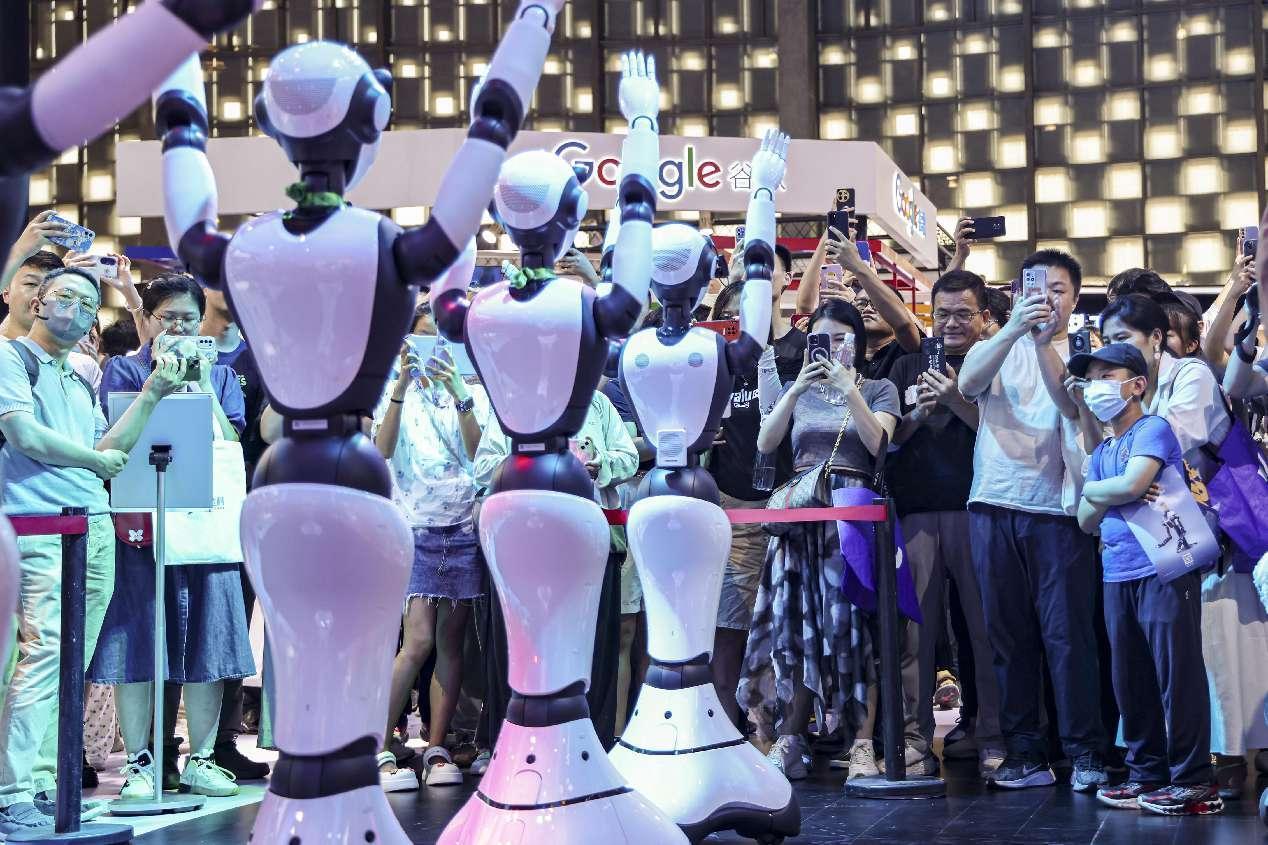
The Beijing half-marathon has provided a powerful preview of what lies ahead. Humanoid robots surpassing human runners is not just a technological achievement. It signals a broader transformation in how society functions.
- Robots are becoming faster, smarter, and more adaptable
- AI-driven systems are redefining performance limits
- Industries are preparing for widespread automation
- Ethical and regulatory challenges are emerging
The world is now witnessing the early stages of a transformation that could reshape economies, redefine work, and alter daily life.
As one observer noted:
“The race may be over, but the future is just getting started.”