
Russia infrastructure damage news highlights drone strike impact in Vologda region.
Industrial facilities increasingly targeted beyond front-line zones.
Security risks and economic consequences continue to grow in 2026.
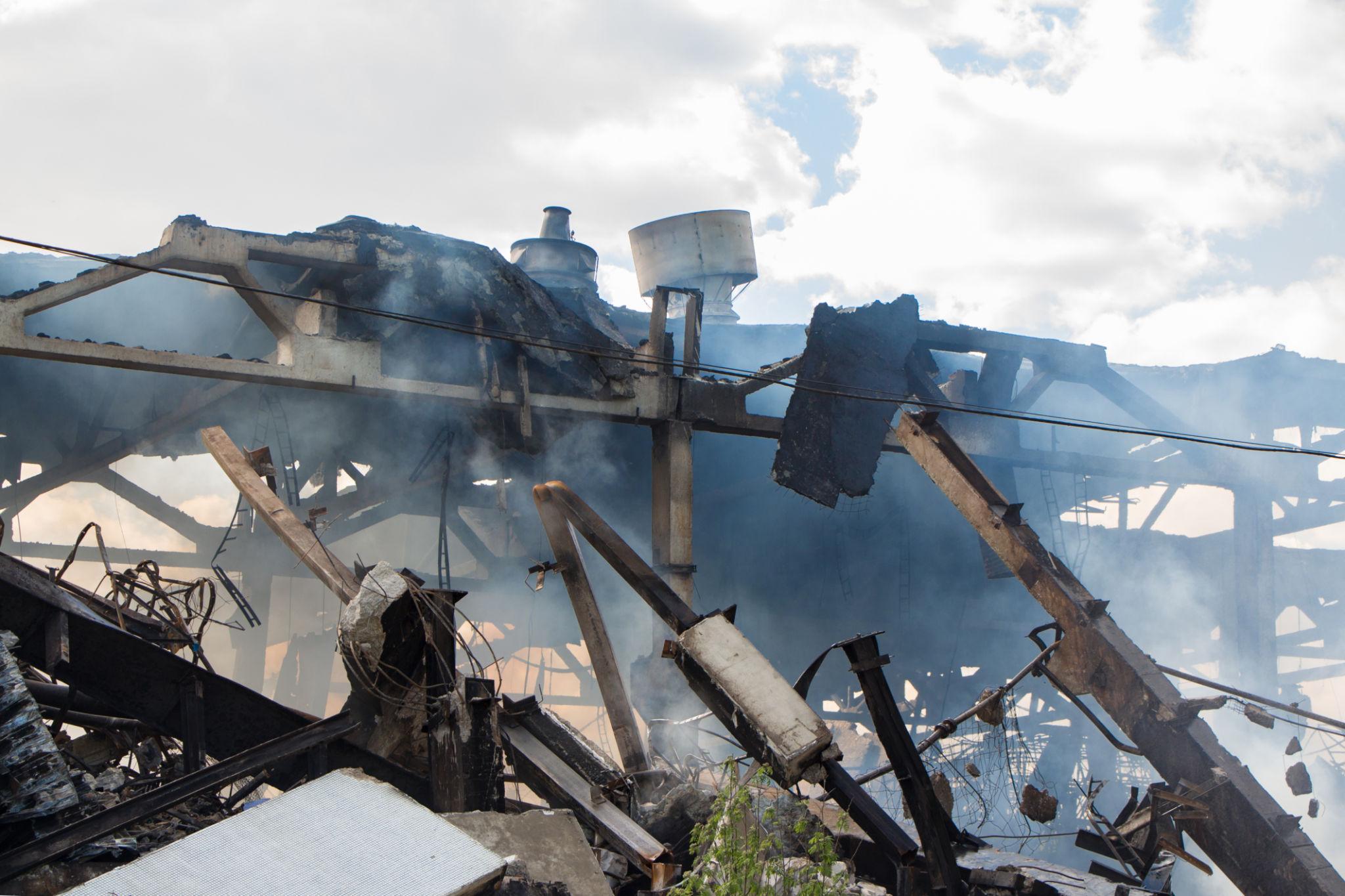
VOLOGDA REGION, RUSSIA, April 26, 2026 (Parliament Politics Magazine) Russia infrastructure damage news is gaining global attention following a reported drone strike that damaged a fertiliser facility in the Vologda region. The incident underscores how the ongoing conflict is increasingly targeting economic and industrial assets far beyond traditional front lines.
Authorities confirmed that emergency services responded swiftly, containing immediate risks while launching a detailed assessment of the structural and operational damage.
Vologda Infrastructure Incident 2026
- Location: Vologda Region, Russia
- Target: Fertiliser production plant
- Cause: Reported drone strike
- Damage: Structural and operational disruption
- Casualties: No confirmed reports
- Emergency Response: Rapid containment measures
- Strategic Impact: Industrial vulnerability concerns
Drone Warfare Expands to Critical Industrial Infrastructure
Russia infrastructure damage news reflects a broader shift in modern warfare strategies. The use of drones has enabled strikes on targets located deep within national territories, far from active battle zones.
The Vologda incident demonstrates how industrial facilities, including fertiliser plants, are becoming increasingly vulnerable. These targets are critical not only for domestic production but also for global supply chains.
“This marks a clear evolution in how infrastructure is being targeted in modern conflicts,”
said a regional security analyst.
Regional Authorities Confirm Damage and Safety Measures
Local officials reported that the Russia infrastructure damage news incident caused partial damage to the fertiliser facility. Emergency teams were deployed immediately to secure the area and prevent further risks.
Authorities emphasized that safety protocols were activated quickly, reducing the likelihood of environmental hazards or widespread disruption.
“Our priority was to ensure safety and contain any potential risks,”
a regional official stated.
Economic Impact on Fertiliser Production and Supply Chains
Russia infrastructure damage news carries potential economic implications, particularly in the agricultural sector. Fertiliser production is essential for crop yields, and disruptions can affect both domestic and international markets.
Industry experts note that even temporary production delays can influence supply levels and pricing. As Russia is a significant player in global fertiliser exports, any disruption may have ripple effects.
Strategic Importance of Industrial Facilities in Conflict
Industrial assets are increasingly viewed as strategic targets in modern warfare. Russia infrastructure damage news highlights the importance of protecting facilities that support key economic sectors.
Fertiliser plants, energy facilities, and transportation networks all play vital roles in national stability. Their vulnerability raises concerns about long-term security planning.
“Targeting infrastructure can have broader economic consequences beyond immediate damage,”
an industry analyst explained.
Security Enhancements Expected Across Key Regions
In response to Russia infrastructure damage news, authorities are likely to strengthen security measures around critical infrastructure. This may include enhanced surveillance, air defense systems, and emergency preparedness protocols.
The incident serves as a reminder that even regions far from conflict zones are not immune to emerging threats.
Broader Context of Drone Technology in Warfare
Russia infrastructure damage news is part of a larger trend involving the use of unmanned systems in conflict. Drones provide a cost-effective and flexible means of conducting operations over long distances.
Their increasing use has changed the nature of warfare, allowing for precision targeting without direct engagement. However, it also introduces new challenges in defense and detection.
Market Reactions and Investor Sentiment
While immediate financial market reactions to Russia infrastructure damage news have been limited, analysts warn that repeated incidents could influence investor confidence.
Industries reliant on stable infrastructure, including agriculture and manufacturing, are particularly sensitive to disruptions. Monitoring developments will be crucial for market stability.
Government Investigation and Ongoing Assessment
Authorities have launched an investigation into the Russia infrastructure damage news incident to determine the full extent of the damage and identify contributing factors.
Initial findings are expected to guide future policy decisions and infrastructure protection strategies.
Historical Perspective on Infrastructure Targeting
Russia infrastructure damage news must be viewed within a historical context of conflict strategies. Over time, targeting infrastructure has evolved as a method of applying economic and strategic pressure.
From traditional warfare to modern drone operations, the focus on critical assets reflects changing priorities in conflict dynamics.
Understanding this history provides insight into current developments and future risks.
Regional Security Landscape Continues to Shift
The Russia infrastructure damage news narrative is closely tied to broader regional security dynamics. Ongoing tensions influence both military strategies and economic stability.
Countries across the region are adapting to these changes, focusing on resilience and preparedness.
Challenges in Protecting Critical Infrastructure
Protecting industrial facilities remains a significant challenge. Russia infrastructure damage news highlights the difficulty of securing large and dispersed assets against emerging threats.
Balancing cost, efficiency, and security is a key consideration for policymakers and industry leaders.

Infrastructure Damage Signals Evolving Conflict Risks
Russia infrastructure damage news in 2026 underscores the expanding scope of modern conflict, where industrial and economic targets are increasingly at risk. The Vologda incident highlights vulnerabilities that extend beyond traditional battle zones.
While immediate damage appears contained, the broader implications for security, supply chains, and economic stability remain significant. Continued monitoring and strategic response will be essential in addressing these challenges.