US Iran naval tensions update shows rising military activity in the Strait of Hormuz in 2026.
Global shipping and energy markets face growing uncertainty amid escalating risks.
Experts warn miscalculation could trigger wider regional conflict.
STRAIT OF HORMUZ, Middle East, April 26, 2026 (Parliament Politics Magazine) US Iran naval tensions update developments are escalating rapidly as military activity increases in one of the world’s most strategically important waterways. The growing presence of naval forces, combined with recent vessel encounters, is raising concerns about global trade disruptions and regional security.
The latest US Iran naval tensions update highlights a fragile balance between deterrence and escalation, with both sides asserting control while attempting to avoid direct conflict.
Naval Tensions 2026
- Location: Strait of Hormuz
- Oil Transit: ~20% of global supply
- Recent Incidents: Increased naval encounters and vessel interceptions
- Military Presence: Expanded US and Iranian deployments
- Primary Risk: Disruption to global shipping lanes
- Global Impact: Energy market volatility and trade uncertainty
Naval Activity Intensifies Across Strategic Waters
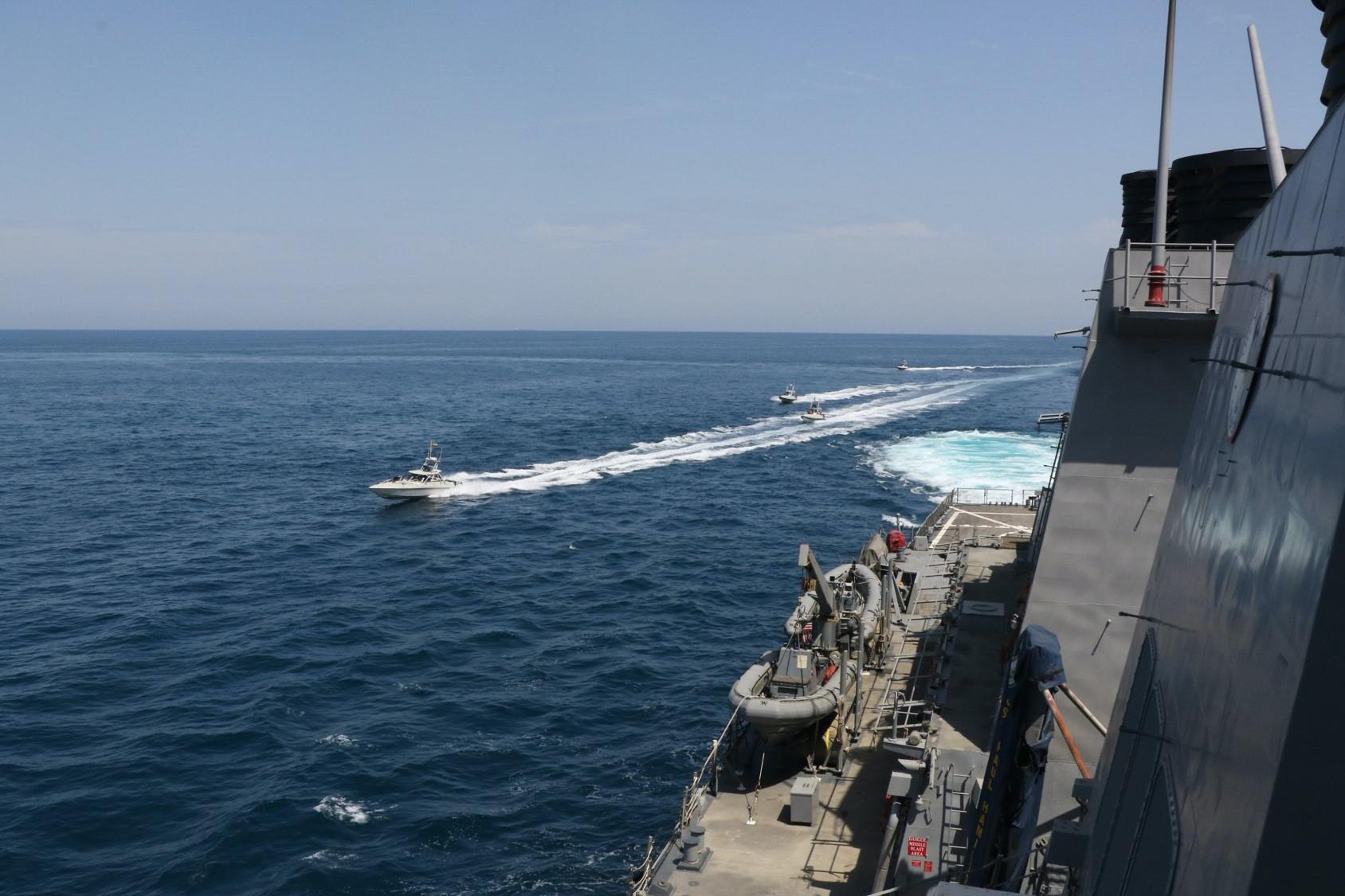
The current US Iran naval tensions update indicates a surge in naval operations, with both US and Iranian forces conducting patrols and escort missions in the Strait of Hormuz.
These operations are aimed at securing national interests and ensuring safe navigation. However, the proximity of opposing forces increases the risk of confrontation.
A maritime security analyst stated:
“In such a confined and critical waterway, even minor incidents can escalate quickly.”
Commercial Shipping Faces Elevated Risk
The ongoing US Iran naval tensions update is having a direct impact on commercial shipping. Companies operating in the region are facing increased risks, including potential delays and higher insurance costs.
Shipping organizations have expressed concern over the safety of vessels and crews, emphasizing the importance of maintaining secure trade routes.
A shipping industry executive noted:
“The uncertainty in this region is affecting logistics planning and operational costs on a global scale.”
Legal and Regulatory Challenges
The US Iran naval tensions update has also sparked debate over international maritime law. Questions have been raised about the legality of certain enforcement actions and their alignment with established conventions.
Legal experts stress the importance of adhering to rules governing freedom of navigation to maintain stability and trust in global shipping systems.
Regional and Global Diplomatic Responses
Governments worldwide are closely monitoring the US Iran naval tensions update, with many calling for restraint and diplomatic engagement.
International organizations have urged both sides to avoid escalation and to resolve disputes through dialogue. Diplomatic efforts are ongoing, though progress remains uncertain.
A diplomatic official commented:
“Preventing escalation is critical. The global economy depends on stable shipping routes.”
Economic Impact on Energy and Trade
The US Iran naval tensions update is influencing global energy markets, particularly oil prices. The Strait of Hormuz is a key transit route, and any disruption can have immediate economic consequences.
Market analysts have observed fluctuations in oil prices, reflecting concerns about supply disruptions. The ripple effects extend across industries, affecting transportation, manufacturing, and consumer costs.
Military Strategy and Tactical Positioning
The latest US Iran naval tensions update reveals evolving military strategies on both sides. The United States continues to emphasize freedom of navigation operations, while Iran asserts regional control.
These strategies reflect broader geopolitical objectives, with each side seeking to maintain influence and deter potential threats.
Historical Context of US-Iran Naval Tensions
The US Iran naval tensions update is rooted in decades of maritime disputes between the two nations. Past incidents have included tanker seizures, naval confrontations, and periods of heightened tension.
Understanding this history provides valuable context for current developments and highlights recurring patterns in the relationship.
Security Outlook and Future Risks
Looking ahead, the US Iran naval tensions update suggests continued uncertainty. Analysts warn that without effective diplomatic intervention, the risk of escalation remains significant.
Potential scenarios include increased military engagement, disruptions to shipping, and broader geopolitical consequences.
US Iran Naval Tensions 2026: Key Takeaways and Global Impact
US Iran naval tensions update in 2026 highlights rising risks in the Strait of Hormuz.
Military activity and shipping concerns are increasing global uncertainty.
The outcome could significantly impact energy markets and international security.