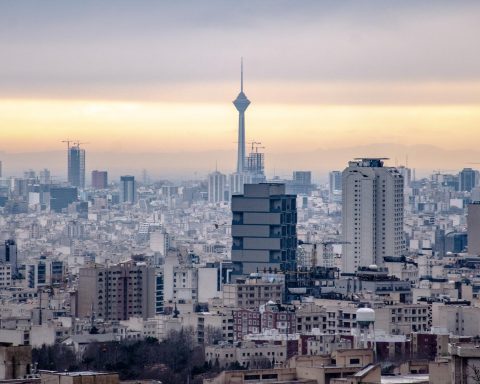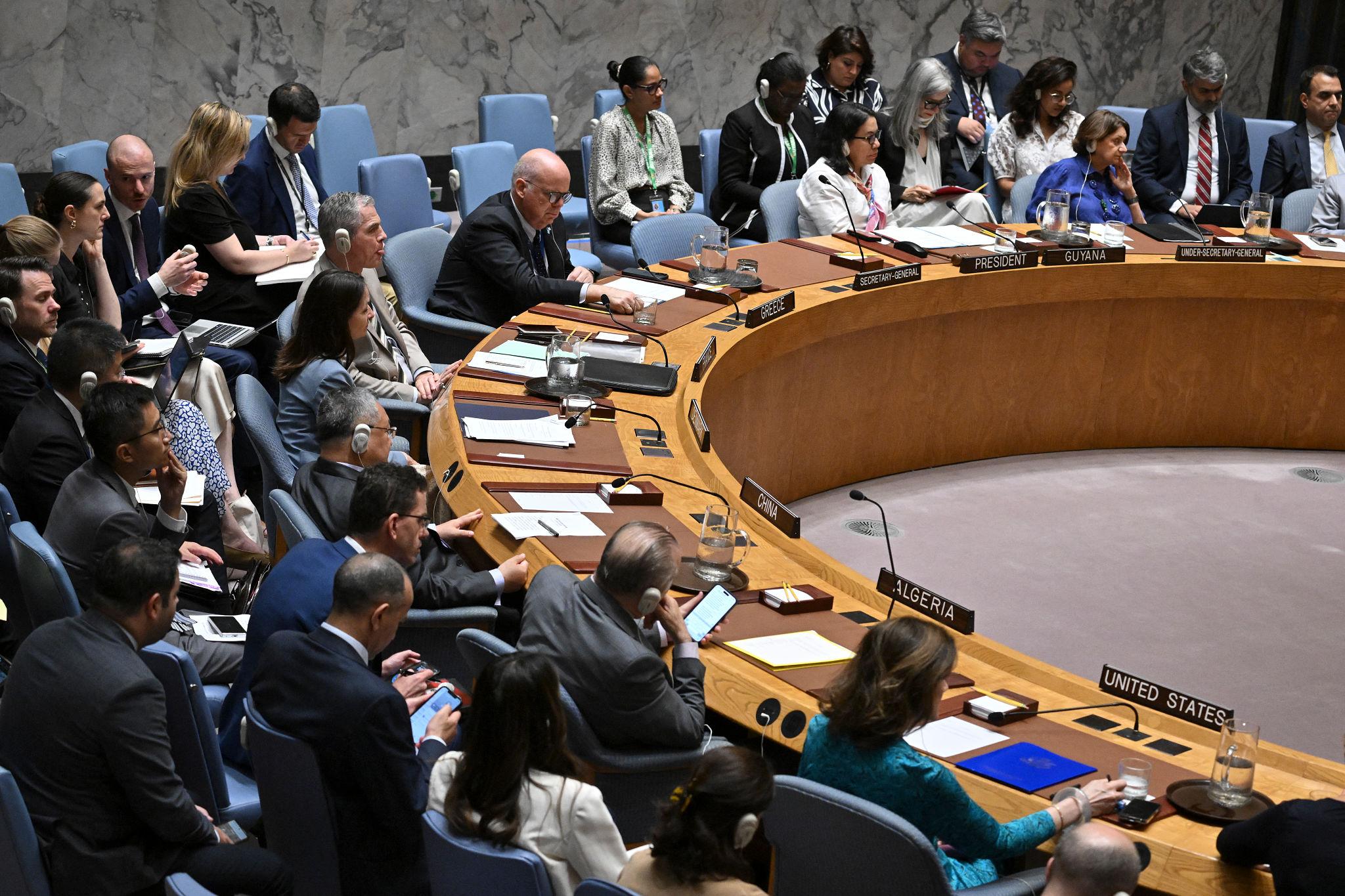
Washington, D.C., United States, May 3, 2026 (Parliament Politics Magazine) Global nuclear tensions are intensifying in 2026 as the dispute between the United States and Iran over nuclear enrichment continues to dominate international security discussions. The standoff reflects broader geopolitical uncertainty, with diplomatic efforts facing ongoing challenges and global stakeholders closely monitoring developments.
The issue has moved beyond bilateral disagreement, shaping a wider environment of instability and concern over nuclear proliferation. As negotiations stall, the risks associated with escalating global nuclear tensions are becoming more pronounced.
“The world is watching closely because the consequences extend far beyond two nations,”
a senior international policy analyst said.
Global Nuclear Tensions in 2026
Location: Washington, D.C.
Date: May 3, 2026
Focus: global nuclear tensions
Primary Issue: US–Iran nuclear enrichment dispute
Key Players: United States, Iran
Core Conflict: Uranium enrichment levels and international oversight
Diplomatic Status: Ongoing but stalled negotiations
Main Risk: Escalation impacting regional and global security
Market Impact: Energy price volatility and investor uncertainty
Global Significance: High — affects non-proliferation and geopolitical stability
Core dispute over uranium enrichment and oversight
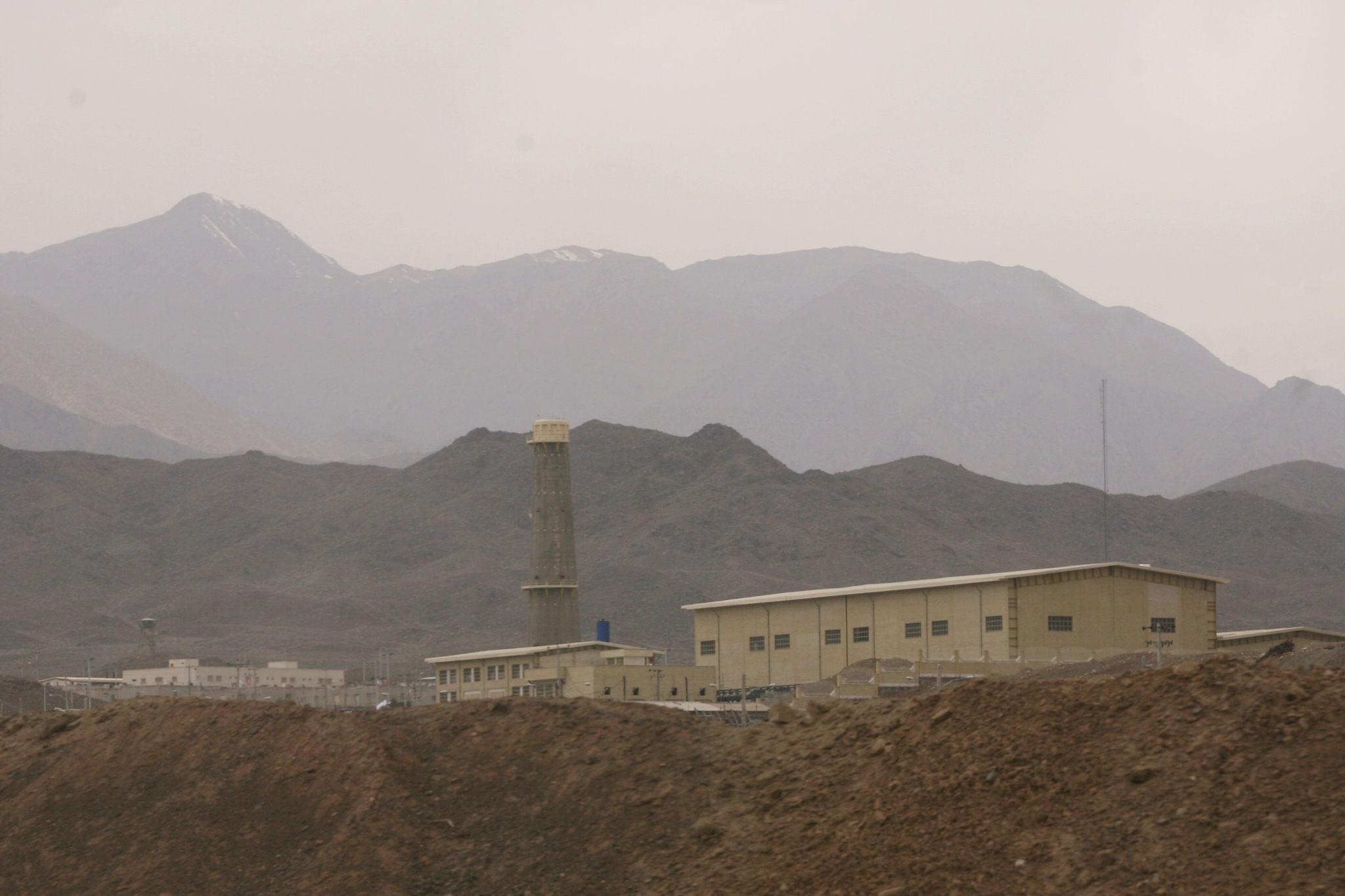
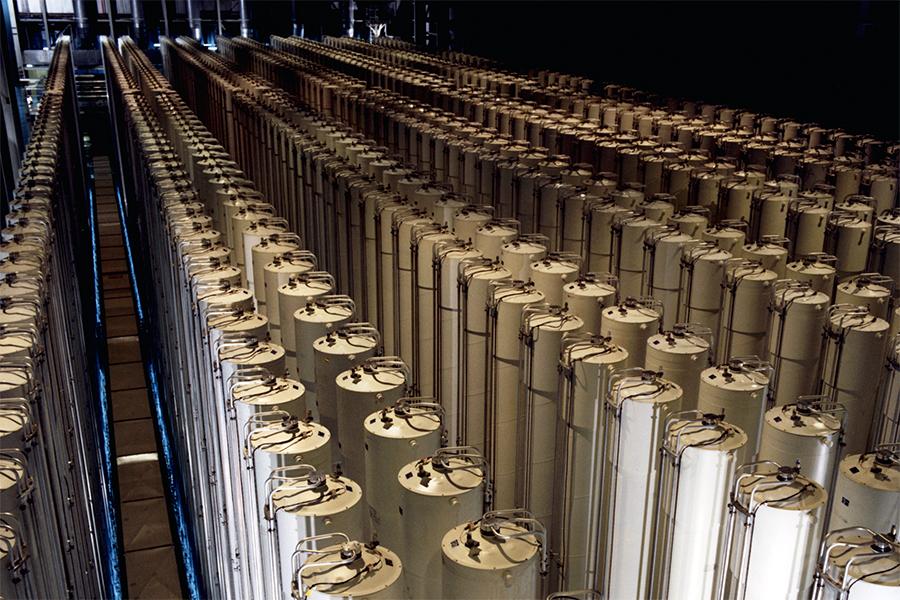
At the center of global nuclear tensions lies disagreement over Iran’s uranium enrichment program. The United States continues to push for stricter limits and comprehensive monitoring mechanisms, while Iran maintains that its nuclear activities are intended for peaceful purposes.
This divergence has created a persistent deadlock in negotiations. Discussions have focused on achieving verifiable safeguards, but mutual distrust remains a major barrier. The ongoing disagreement highlights the complexity of resolving global nuclear tensions through diplomacy alone.
Diplomatic stalemate slows progress in 2026
Efforts to revive negotiations have faced repeated setbacks. The current phase of global nuclear tensions is marked by intermittent dialogue without substantial breakthroughs.
International mediators have attempted to bridge the gap, but competing political priorities and regional considerations have limited progress. The prolonged stalemate underscores the challenges of balancing security concerns with national sovereignty.
“Diplomacy is still the preferred path, but the window for meaningful compromise may be narrowing,”
a diplomatic observer noted.
Regional security risks continue to expand
The impact of global nuclear tensions extends across the Middle East, where neighboring countries are closely monitoring developments. Changes in nuclear capabilities could alter regional power balances, increasing uncertainty.
Security analysts warn that escalation could have far-reaching consequences, potentially triggering broader instability. The situation underscores the interconnected nature of regional and global security dynamics.
Economic and energy market implications
Energy markets have responded to rising global nuclear tensions, with oil prices showing sensitivity to geopolitical developments. Uncertainty over potential disruptions has contributed to volatility in global markets.
Economic implications are not limited to energy. Trade relationships, investment flows, and inflation trends are all influenced by the broader geopolitical environment shaped by these tensions.
Historical context of nuclear negotiations
Understanding current global nuclear tensions requires examining the history of nuclear agreements and diplomatic efforts involving Iran. Previous frameworks aimed to limit nuclear development while allowing peaceful use.
Over time, shifts in policy and leadership have altered the trajectory of these agreements. The breakdown of earlier arrangements has contributed to the present situation, highlighting the importance of sustained diplomatic engagement.
International response and diplomatic pressure
Countries around the world have expressed concern over escalating global nuclear tensions. International organizations and allied nations are advocating for renewed dialogue and de-escalation.
The global response reflects the widespread recognition that nuclear issues require coordinated international efforts. Diplomatic pressure continues to play a role in encouraging negotiations.
“This is not just a regional issue—it’s a global responsibility,”
a foreign policy expert stated.
Potential pathways toward resolution
Despite ongoing challenges, several potential paths remain for addressing global nuclear tensions. These include renewed agreements, incremental confidence-building measures, and enhanced monitoring frameworks.
While uncertainty persists, continued engagement offers the possibility of progress. The willingness of both sides to compromise will be critical in determining the outcome.
Future outlook for global security
The trajectory of global nuclear tensions will have significant implications for international security in 2026 and beyond. The outcome of the US–Iran dispute could influence broader non-proliferation efforts and geopolitical stability.
As global attention remains focused on the issue, policymakers face the challenge of navigating a complex and evolving landscape.
Final Outlook: What Global Nuclear Tensions Mean for 2026
The current phase of global nuclear tensions represents a defining moment for global security. The US–Iran dispute continues to shape diplomatic efforts, regional stability, and economic conditions.
While negotiations remain uncertain, the importance of finding a sustainable resolution cannot be overstated. The decisions made in 2026 will have lasting consequences for international relations and security frameworks.
Closing Insight: Where Global Nuclear Tensions Are Headed Next
Global nuclear tensions are rising in 2026 as the US–Iran enrichment dispute intensifies. Diplomatic efforts continue but face significant challenges, with implications for global security, energy markets, and regional stability. The outcome of this standoff will shape the future of international relations.