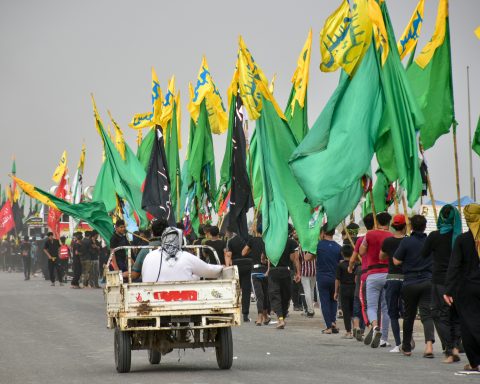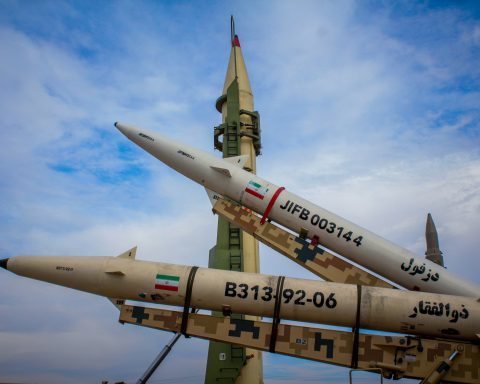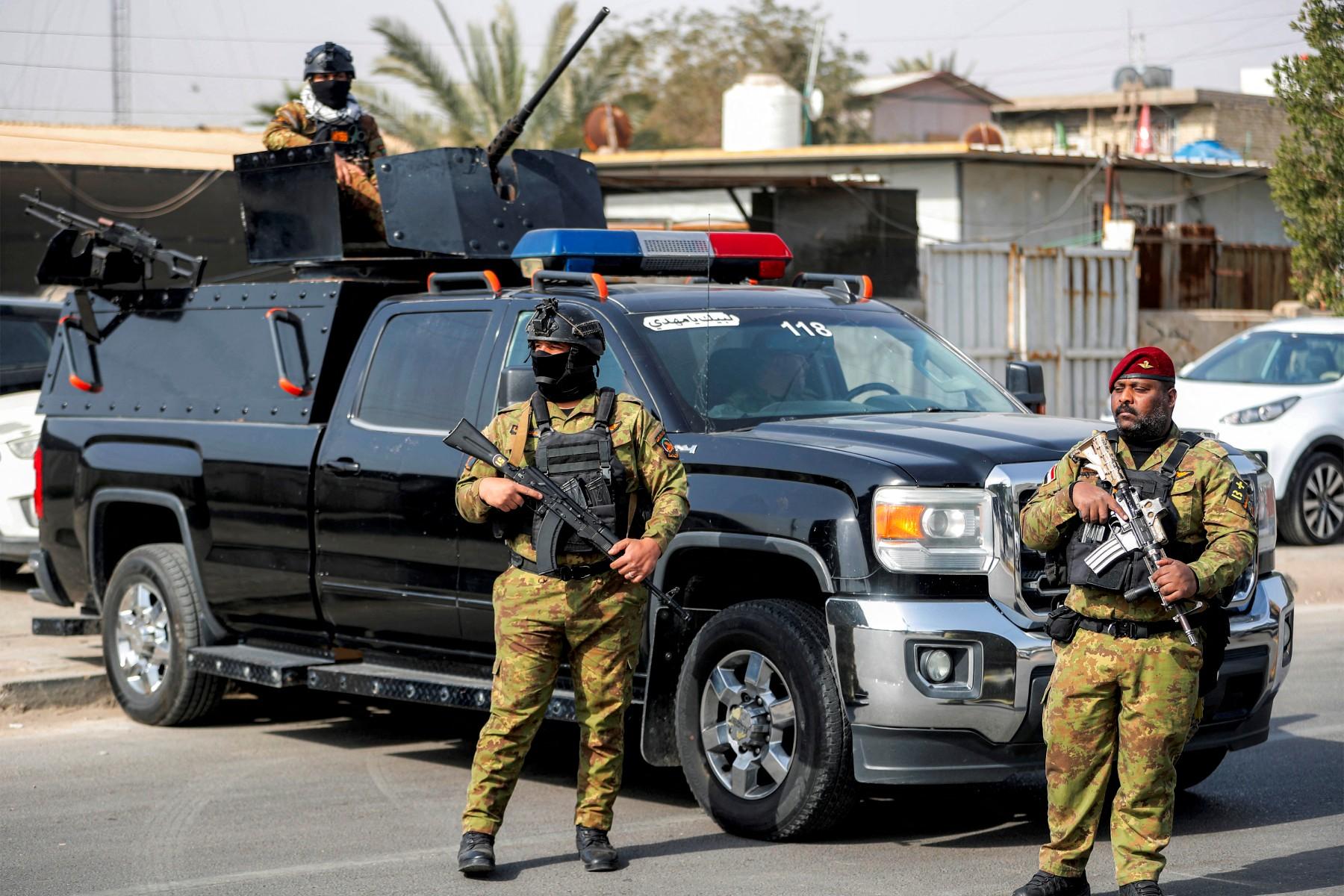
Middle East, May 3, 2026 (Parliament Politics Magazine) Middle East internal conflict news continues to dominate global attention as violence, instability, and political tensions rise across several regions. The latest developments highlight growing concerns over internal security challenges, civilian safety, and the broader geopolitical implications shaping the region’s future.
Authorities across multiple countries have confirmed an increase in internal conflicts, including localized violence, civil unrest, and security operations. These incidents, while varying in scale and context, collectively contribute to a complex and evolving security landscape.
A regional security expert noted,
“What we are witnessing is a convergence of long-standing tensions with emerging challenges, creating an environment where internal conflicts are becoming more frequent and harder to contain.”
Rising Patterns of Internal Conflict Across the Region
Recent months have shown a noticeable increase in incidents categorized under Middle East internal conflict news, including clashes within communities, political unrest, and security crackdowns. These developments are occurring across multiple countries, reflecting both shared and unique challenges.
In some areas, conflicts stem from economic pressures and governance issues, while in others, long-standing disputes have resurfaced. The diversity of these incidents underscores the complexity of addressing internal conflicts in the region.
Analysts emphasize that while each case is different, the cumulative effect is a heightened sense of instability.
Key Regions Experiencing Escalation
Several regions have emerged as focal points in the current wave of Middle East internal conflict news. Urban centers, border areas, and economically disadvantaged communities are among the most affected.
These regions often face overlapping challenges, including population density, limited resources, and political tensions. As a result, incidents in these areas can escalate quickly and have wider implications.
Authorities are working to monitor developments and implement measures aimed at maintaining stability.
Government Responses and Security Measures
Governments across the Middle East have responded with a range of measures, including increased security presence, policy initiatives, and public safety campaigns. These actions aim to address immediate threats while also working toward longer-term stability.
However, critics argue that enforcement alone may not be sufficient to resolve underlying issues. Comprehensive strategies that address social, economic, and political factors are increasingly being discussed.
The evolving Middle East internal conflict news landscape highlights the need for balanced approaches that combine security with reform.
Civilian Impact and Humanitarian Concerns
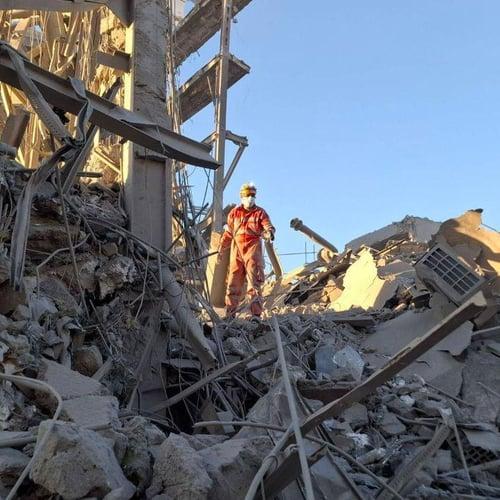
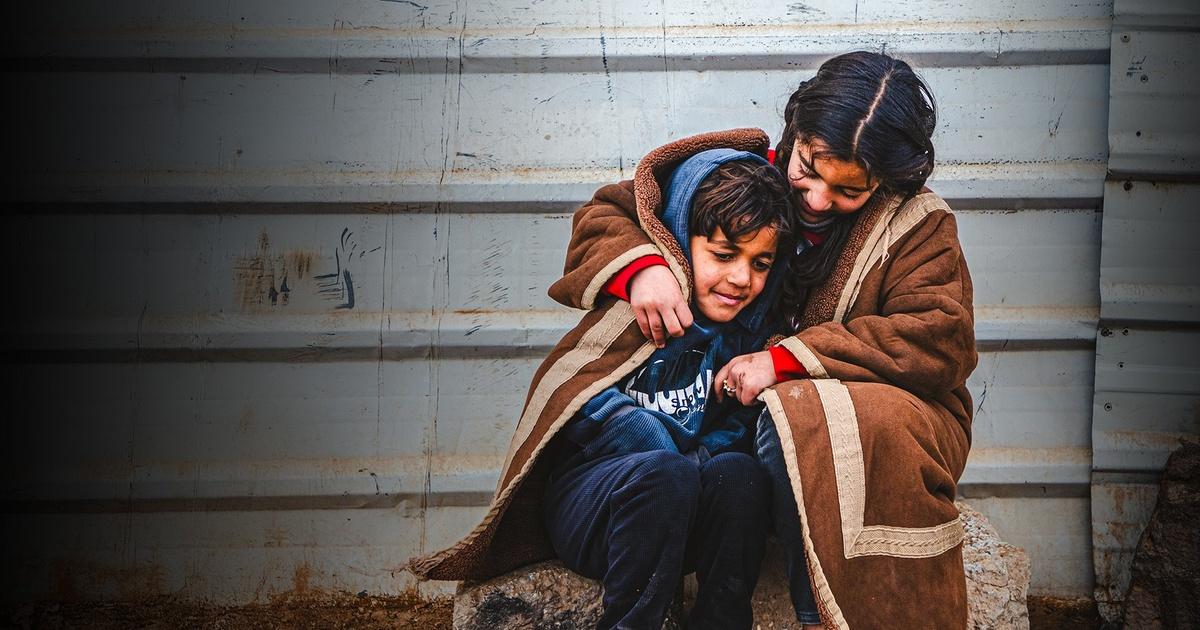
The human cost of internal conflict remains a central concern. Civilians are often the most affected, facing displacement, loss of livelihoods, and limited access to essential services.
Humanitarian organizations are actively working to provide assistance, but challenges such as damaged infrastructure and ongoing instability complicate these efforts.
A humanitarian worker stated,
“Behind every headline are families trying to cope with uncertainty and disruption. The human impact cannot be overlooked.”
Economic Consequences of Ongoing Conflicts
Internal conflicts also have significant economic implications. Disruptions to trade, investment, and daily economic activities can slow growth and exacerbate existing challenges.
Businesses in affected areas often face closures or reduced operations, while broader market confidence may be impacted. These economic effects can, in turn, contribute to further instability.
The connection between economic conditions and Middle East internal conflict news is becoming increasingly evident.
History of Internal Conflict in the Middle East
The Middle East has a long history of internal conflicts shaped by political, social, and economic factors. Over the decades, these conflicts have evolved, influenced by both regional dynamics and global developments.
Understanding this historical context provides valuable insight into current events and helps explain why certain patterns continue to emerge. Past experiences also offer lessons for addressing present challenges.
Risk of Wider Regional Instability
Experts warn that ongoing internal conflicts could lead to broader regional instability if not effectively managed. The interconnected nature of the region means that developments in one area can influence others.
Potential risks include:
- Spread of unrest to neighboring regions
- Increased humanitarian challenges
- Disruption of regional cooperation and economic activity
The Middle East internal conflict news cycle underscores the importance of proactive measures to prevent escalation.
Quotes Reflecting Global Concern
“This is a critical moment for the region,” said a policy analyst. “The choices made now will shape the trajectory of stability for years to come.”
Another expert added,
“Internal conflicts are no longer isolated—they are part of a larger pattern that demands coordinated responses.”
Key Facts 2026
- Region: Middle East
- Year: 2026
- Focus: Middle East internal conflict news
- Trends: Rising incidents of internal unrest
- Impact: Civilian displacement, economic disruption
- Response: Security measures and policy initiatives
What Happens Next?
The future of the region will depend on how effectively governments and communities address the root causes of internal conflict. While immediate actions may stabilize certain areas, long-term solutions will require sustained effort and cooperation.
Observers emphasize the importance of dialogue, reform, and investment in addressing underlying challenges.
The trajectory of Middle East internal conflict news will continue to evolve as new developments emerge.
Middle East internal conflict news in 2026 highlights rising instability, growing humanitarian concerns, and significant economic challenges. As governments respond and global attention intensifies, the region faces a critical moment. The path forward will determine whether stability can be restored or tensions continue to escalate.