Mercedes-Benz is recalling approximately 144,000 vehicles in the United States over digital display and technology concerns.
The recall is increasing pressure on automakers to improve AI automotive systems and software reliability in modern vehicles.
Regulators and investors are closely watching how advanced vehicle technologies impact safety standards during 2026.
WASHINGTON, DC (Parliament Politics Magazine) AI automotive systems are facing increased scrutiny after Mercedes-Benz announced a recall affecting approximately 144,000 vehicles in the United States over concerns tied to digital display functionality and electronic system reliability.
The recall has intensified discussions across the automotive industry because modern vehicles increasingly depend on artificial intelligence software, connected technologies, and digital dashboards to support safety features and driver operations.
US safety regulators are closely monitoring how advanced software systems perform inside next-generation vehicles as manufacturers continue expanding autonomous driving technologies and AI-powered transportation platforms.
Industry analysts believe the recall highlights both the opportunities and growing challenges associated with the rapid evolution of smart vehicle technology.
“The future of transportation depends heavily on software reliability and intelligent vehicle systems,”
one automotive technology analyst stated following the recall announcement.
Why AI Automotive Systems Are Becoming Critical
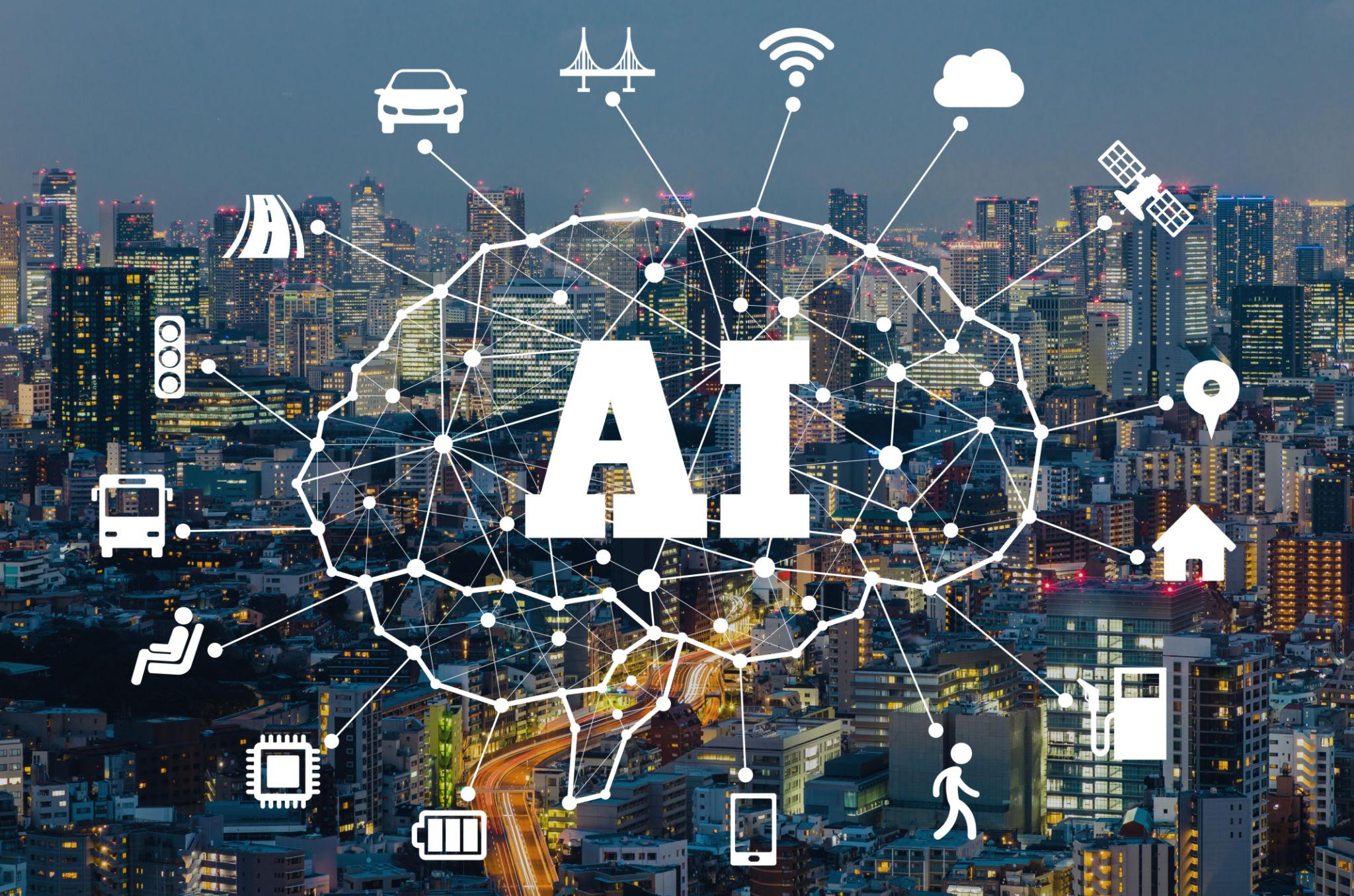
The growing focus on AI automotive systems reflects how modern vehicles have transformed into advanced digital platforms powered by software and artificial intelligence.
Today’s vehicles increasingly rely on intelligent systems capable of managing:
- Navigation assistance
- Collision prevention
- Driver monitoring
- Voice recognition
- Autonomous driving support
- Real-time traffic analysis
Automakers worldwide are investing billions into connected vehicle technologies designed to improve convenience, efficiency, and safety.
As these systems become more complex, software reliability and electronic stability are becoming just as important as traditional mechanical engineering.
Mercedes Recall Raises Industry Concerns
The latest AI automotive systems controversy gained global attention because Mercedes-Benz remains one of the world’s most influential luxury automotive manufacturers.
The recall reportedly involves display-related issues connected to digital information systems inside affected vehicles. These systems help drivers monitor operational data, navigation tools, warning alerts, and other safety-related functions.
Technology experts say electronic malfunctions involving digital dashboards can potentially create safety concerns if drivers lose access to critical vehicle information while driving.
The situation is increasing pressure on automakers to improve testing procedures involving software-driven vehicle technologies.
“Modern vehicles operate more like high-performance computers than traditional automobiles,”
one transportation engineer explained during a vehicle safety conference.
Artificial Intelligence Expands Across Transportation
The latest AI automotive systems concerns are emerging during a period of rapid transformation within the global transportation industry.
Artificial intelligence technologies are now being integrated into:
- Electric vehicles
- Autonomous driving platforms
- Fleet management systems
- Smart traffic infrastructure
- Driver-assistance technologies
- Predictive maintenance software
Automotive companies view AI as essential to the future of mobility because intelligent systems can potentially reduce accidents, improve efficiency, and enhance driver experiences.
However, increasing software complexity also introduces new engineering and cybersecurity challenges.
History of Automotive Technology Evolution
The current AI automotive systems debate reflects decades of technological evolution inside the automotive industry.
Vehicles once depended almost entirely on mechanical systems, but advancements in electronics gradually transformed transportation into a software-driven industry. Navigation systems, digital dashboards, sensors, and onboard computers became standard features in many modern vehicles.
The rise of artificial intelligence accelerated this transition even further, allowing vehicles to analyze traffic conditions, monitor driver behavior, and process environmental data in real time.
Industry experts believe future vehicles will rely even more heavily on intelligent software systems as autonomous transportation technology expands globally.
Regulators Increase Oversight of Smart Vehicles
The expanding AI automotive systems discussions are also increasing regulatory pressure across the automotive industry.
Government agencies worldwide are strengthening oversight involving:
- Vehicle software reliability
- Autonomous driving systems
- Cybersecurity protections
- Digital safety features
- AI-powered driver assistance
US regulators, including the National Highway Traffic Safety Administration, are paying closer attention to software-related defects as electronic systems become central to vehicle operation.
Some analysts believe future vehicle recalls may increasingly involve software updates instead of traditional mechanical repairs.
“Vehicle safety standards are evolving rapidly alongside artificial intelligence technologies,”
one transportation safety consultant stated.
Electric Vehicles Increase Software Complexity
The latest AI automotive systems concerns also reflect how electric vehicles are increasing technological complexity within the transportation sector.
Modern electric vehicles rely heavily on integrated software platforms that manage battery performance, navigation systems, energy efficiency, safety monitoring, and autonomous driving features simultaneously.
Luxury automakers like Mercedes-Benz continue competing aggressively by introducing more advanced digital technologies inside vehicles. However, maintaining reliability across these interconnected systems remains a major challenge.
Technology investors believe software quality may become one of the most important competitive factors in the future automotive market.
Global Automakers Race to Expand AI Features
Despite growing safety concerns, investment in AI automotive systems continues accelerating across international markets.
Major automakers are expanding development tied to:
- Self-driving vehicles
- AI-powered navigation
- Smart cockpit interfaces
- Predictive vehicle diagnostics
- Automated parking systems
- Connected transportation networks
Industry analysts believe the AI transportation market could become one of the largest technology sectors during the next decade.
As competition intensifies, automakers face increasing pressure to balance innovation with safety and regulatory compliance.
Consumers Demand Reliable Smart Vehicle Technology
The growing AI automotive systems debate is also changing consumer expectations within the automotive industry.
Drivers increasingly expect advanced vehicle technologies to function smoothly because digital systems now control many essential driving operations. Software malfunctions involving displays, navigation systems, or safety alerts can quickly damage consumer confidence.
Automotive experts believe maintaining trust in intelligent vehicle systems will become essential as autonomous driving technology expands further into mainstream transportation markets.
AI Automotive Systems Remain Central to Future Mobility
The latest AI automotive systems recall involving Mercedes-Benz demonstrates how artificial intelligence technologies are becoming deeply integrated into modern transportation.
As vehicles evolve into connected digital platforms, automakers face growing pressure to maintain software stability, cybersecurity protection, and regulatory compliance while continuing technological innovation.
Industry observers expect intelligent transportation systems, autonomous driving software, and AI-powered vehicle infrastructure to remain major global economic themes throughout 2026 and beyond.
Automotive Market Summary
The latest Mercedes-Benz recall involving approximately 144,000 US vehicles has intensified global discussions surrounding AI automotive systems and the future of intelligent transportation technology.
As artificial intelligence becomes increasingly central to vehicle operation, automakers face rising expectations involving software reliability, electronic safety, and digital system performance. Regulators, investors, and consumers are now paying closer attention to how automotive companies manage the growing complexity of AI-powered transportation systems.
Despite ongoing challenges, industry analysts believe AI-driven vehicle technologies will continue reshaping global transportation markets throughout the remainder of the decade.

AI Automotive Systems 2026
Company: Mercedes-Benz
Primary Issue: Digital display concerns
Vehicles Impacted: Approximately 144,000
Industry Focus: AI automotive systems
Location: Washington, DC
Year: 2026
Technology Concern: Vehicle software reliability
Sector Impacted: Smart transportation and automotive technology