Brussels Morning Newspaper confirms British military forces launched an emergency medical operation on Tristan da Cunha after a suspected health crisis raised global concern.
The remote South Atlantic island received urgent support as officials monitored possible infectious disease exposure.
The incident has intensified discussions surrounding global biosecurity preparedness and remote emergency healthcare systems in 2026.
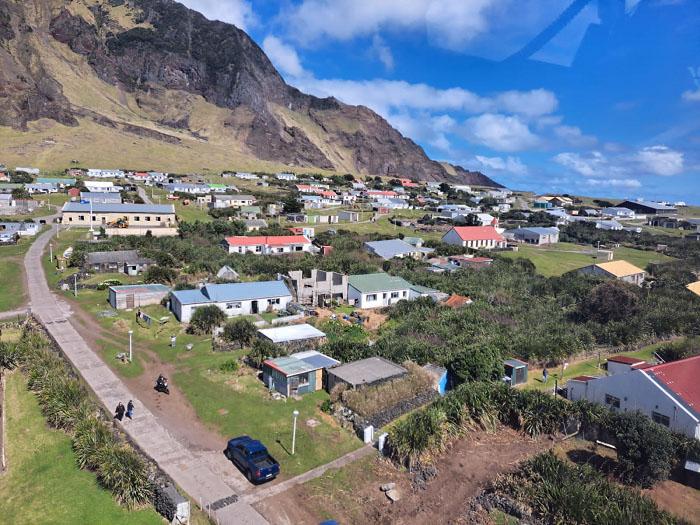
TRISTAN DA CUNHA, South Atlantic (Parliament Politics Magazine) confirms the UK emergency response operation intensified after British paratroopers and emergency medical personnel were deployed to Tristan da Cunha following concerns surrounding a suspected infectious illness on the isolated island territory.
The mission immediately gained international attention because Tristan da Cunha is widely recognized as one of the most remote inhabited islands in the world. The deployment included emergency medical supplies, protective equipment, and rapid-response personnel tasked with supporting local authorities and healthcare workers.
Officials have not publicly confirmed a widespread outbreak, but precautionary actions were initiated quickly due to the island’s limited healthcare capacity and transportation restrictions.
One British emergency official stated,
“Rapid deployment can make the difference between containment and escalation when isolated communities face potential infectious disease threats.”
The UK emergency response operation reflects growing international awareness surrounding disease preparedness and biosecurity risks following recent global health emergencies.
Tristan da Cunha Health Crisis 2026
Location: Tristan da Cunha, South Atlantic
Year: 2026
Emergency Type: Medical and biosecurity response
Focus Keyword: UK emergency response
Military Involvement: British paratroopers and rapid-response teams
Primary Concern: Suspected hantavirus-related illness
Key Challenge: Remote island with no commercial airport
Global Impact: Increased focus on disease preparedness and emergency logistics
Public Health Status: Investigation and monitoring ongoing
International Attention: High due to isolation and military deployment
British Paratroopers Coordinate Emergency Medical Airdrop
The UK emergency response mission reportedly involved British military aircraft conducting coordinated supply deliveries and emergency logistics operations over the South Atlantic territory.
Military personnel assisted in transporting medical equipment and protective supplies to help local responders evaluate potential health risks connected to the suspected illness.
Security analysts noted that military support is often required for remote island emergencies because civilian transportation infrastructure is limited or unavailable.
The operation demonstrated how governments increasingly rely on defense resources during humanitarian and medical emergencies involving isolated populations.
The UK emergency response mission also highlighted the logistical challenges of reaching Tristan da Cunha, which has no commercial airport and relies heavily on sea transportation routes.
Medical Teams Monitor Potential Hantavirus Symptoms
Healthcare officials reportedly began monitoring individuals who displayed symptoms consistent with possible hantavirus-related illness, including fever, respiratory complications, muscle pain, and severe fatigue.
Medical teams continue conducting evaluations while laboratory testing determines whether the illness is officially linked to hantavirus exposure or another infectious condition.
Experts emphasized that precautionary measures are critical in isolated territories where advanced medical treatment options remain limited.
One infectious disease specialist explained,
“Remote territories require faster intervention because evacuation timelines and healthcare limitations can quickly complicate emergency situations.”
The UK emergency response strategy focused heavily on containment procedures, medical observation, and prevention planning while investigations continue.
Why Tristan da Cunha Creates Unique Emergency Challenges
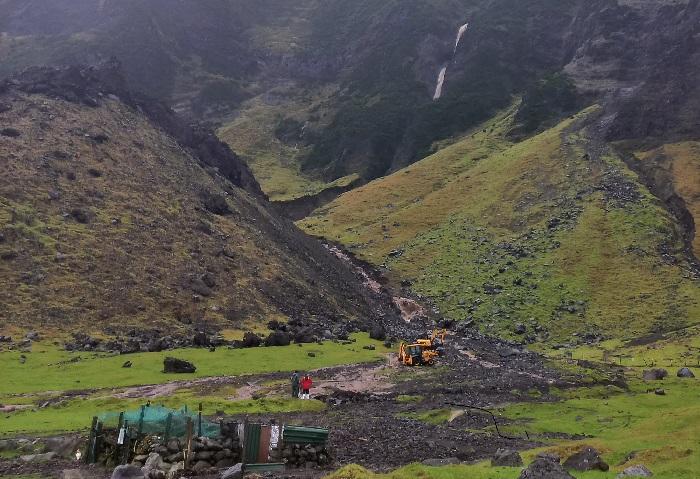
The island’s isolation significantly complicates emergency healthcare operations. Tristan da Cunha sits thousands of miles from major population centers and remains accessible primarily through maritime transport.
Because emergency evacuations can take days, authorities often rely on rapid deployment planning and military coordination during serious medical events.
Analysts say the UK emergency response operation demonstrated the importance of maintaining readiness for crises involving British overseas territories and remote island communities.
Harsh weather conditions in the South Atlantic can also disrupt supply routes and delay emergency missions, increasing pressure on response teams to act quickly.
The remote location has transformed the incident into a major international biosecurity story throughout 2026.
History of Health Preparedness on Remote Islands
Remote islands have historically faced unique healthcare vulnerabilities due to geographic isolation, limited hospital infrastructure, and restricted transportation access.
Past disease scares involving isolated territories often forced governments to strengthen emergency preparedness systems and contingency planning for medical evacuations.
The current UK emergency response mission reflects lessons learned from previous international health emergencies where delayed reactions contributed to larger crises.
Healthcare experts say island territories remain among the most difficult environments for emergency disease management because resources are often limited and outside support may require military assistance.
The Tristan da Cunha incident could eventually influence future global emergency planning policies involving remote communities.
Global Attention Turns Toward Biosecurity Preparedness
The UK emergency response operation has renewed international discussions surrounding biosecurity preparedness and disease containment systems in remote regions.
Public health organizations worldwide continue evaluating how quickly governments can respond to unexpected medical emergencies involving isolated populations.
Analysts believe future healthcare strategies may place greater emphasis on rapid logistics capabilities, emergency air support, and military-civilian cooperation.
One European security analyst stated,
“Modern emergencies increasingly require coordinated action between healthcare systems, governments, and defense agencies.”
The ongoing situation has also intensified public interest in how governments prepare for potential outbreaks outside traditional urban healthcare networks.
International Media Focuses on British Emergency Coordination
International media coverage expanded rapidly after confirmation that British military assets participated in the emergency operation.
Observers described the UK emergency response as a highly visible example of how governments manage uncertainty during potential infectious disease incidents.
Officials continue urging caution while investigations remain ongoing. Authorities stressed that no official declaration of a confirmed outbreak has been released publicly at this stage.
The operation nevertheless demonstrated the importance of preparedness, communication, and rapid coordination during medical emergencies involving vulnerable populations.
Tristan da Cunha Operation Raises Global Questions
The emergency deployment to Tristan da Cunha has become one of the most closely watched international health-security developments of 2026. The UK emergency response mission showcased the growing importance of rapid logistical coordination during potential biosecurity emergencies.
While officials continue evaluating the suspected illness, the incident has already exposed the challenges remote communities face when confronting urgent healthcare situations. It also reinforced concerns regarding emergency preparedness, transportation access, and global disease monitoring systems.
As investigations continue, international attention remains fixed on the South Atlantic territory and the outcome of ongoing medical assessments connected to the developing situation.