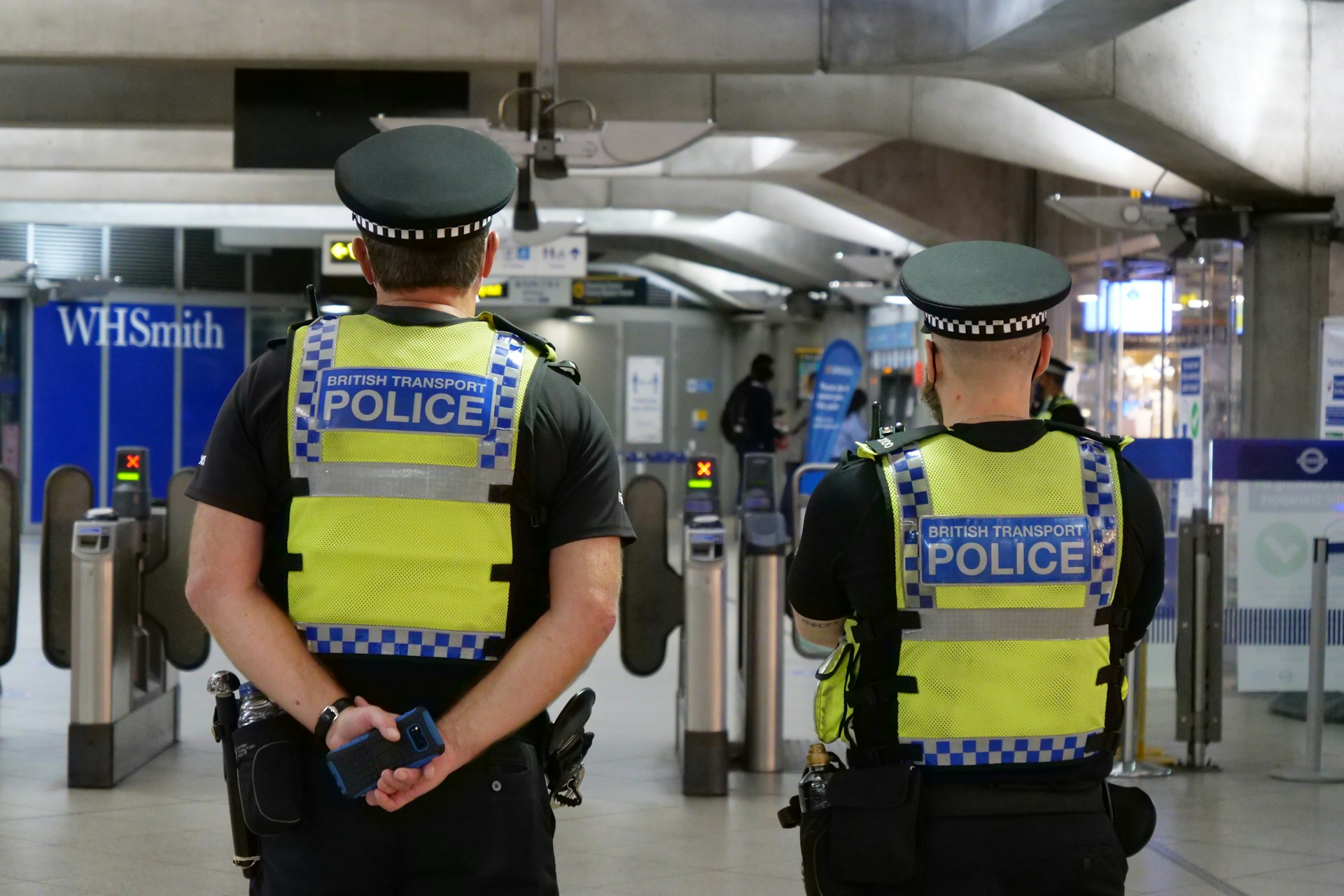
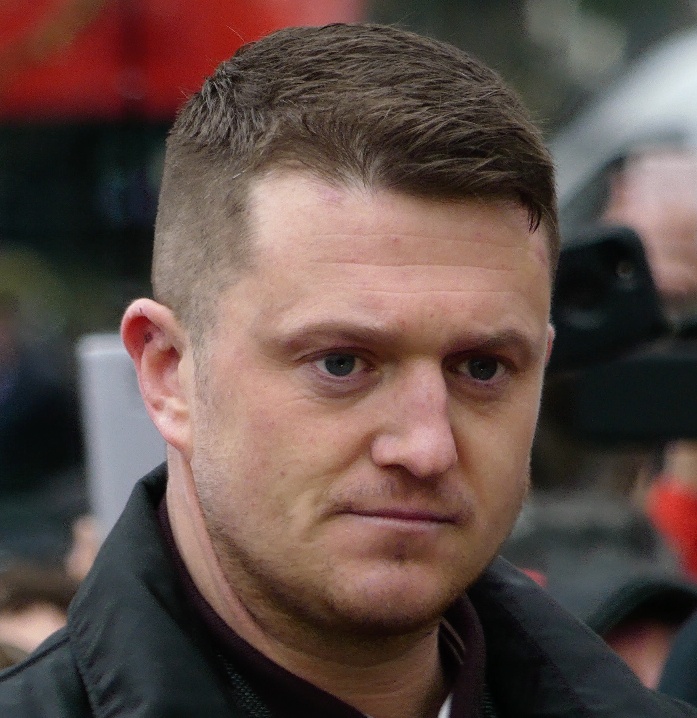
LONDON, June 14 (Parliament Politics Magazine) – British anti-Islam activist Tommy Robinson was detained by counter-terrorism officers at Heathrow Airport on Saturday. The incident occurred upon his return to Britain after traveling from Russia via Turkey.
Police held Robinson, whose legal name is Stephen Yaxley-Lennon, for approximately three hours. During the detention, officers utilized powers under the Counter-Terrorism and Border Security Act to interview him and seize his communication devices. A police spokesperson confirmed that a man in his 40s was stopped at the airport and subsequently released, though official commentary regarding the ongoing investigation remains limited.
Legal powers at the border
The detention of the 43-year-old activist was executed under Schedule 3 of the Counter-Terrorism and Border Security Act 2019. This legislation grants border authorities broad powers to stop, question, and search individuals at UK ports without the need for a standard criminal warrant.
These powers are designed to allow officers to determine if an individual is involved in hostile state activity or planning hostile acts. As part of this process, police are authorized to confiscate mobile phones and other electronic devices to download and analyze data. Robinson reported on the social media platform X that his phone had been taken by police following the encounter.
Links to recent unrest
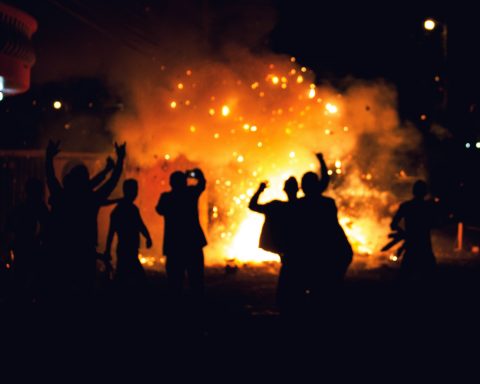
The airport stop followed a week of significant civil unrest across Northern Ireland and mainland Britain. Robinson had been heavily documenting and posting about riots in Belfast that erupted following a viral video of a knife attack.
While the incident in Belfast involved the stabbing of a man who ultimately lost an eye, police have explicitly stated they are not treating the attack as an act of terrorism. Following the stabbing, local rioters targeted properties owned by ethnic minorities and foreign residents, leading to widespread condemnation from politicians who described the violence as racist thuggery.
Local authorities have noted that far-right agitators online played a significant role in coordinating or promoting the street violence. Robinson used his accounts to provide detailed coverage of these events, at one point claiming that homes housing asylum seekers were being destroyed. His online activity, which included publishing a list of planned demonstrations, received substantial attention after being shared by high-profile social media figures.
Escalation in mainland Britain
Beyond the events in Northern Ireland, Robinson has been active in protests across England, including recent demonstrations in Southampton. Those events followed the death of 18-year-old student Henry Nowak while in police custody.
The Southampton protests resulted in violent clashes between demonstrators and law enforcement. Reports indicate that at least 13 police officers and a police dog were injured during the confrontations. Robinson has maintained that his activities are a form of investigative journalism, and he has launched a new crowdfunding campaign to support his legal defense fund.
“My phone has been seized by the police,” Robinson stated on X.
This is not the first time Robinson has faced scrutiny under border security laws. In July 2024, he was stopped at the Channel Tunnel in Folkestone. He was later cleared of a terror charge after refusing to provide his phone PIN, successfully arguing that a district judge could not verify the lawfulness of the initial stop.