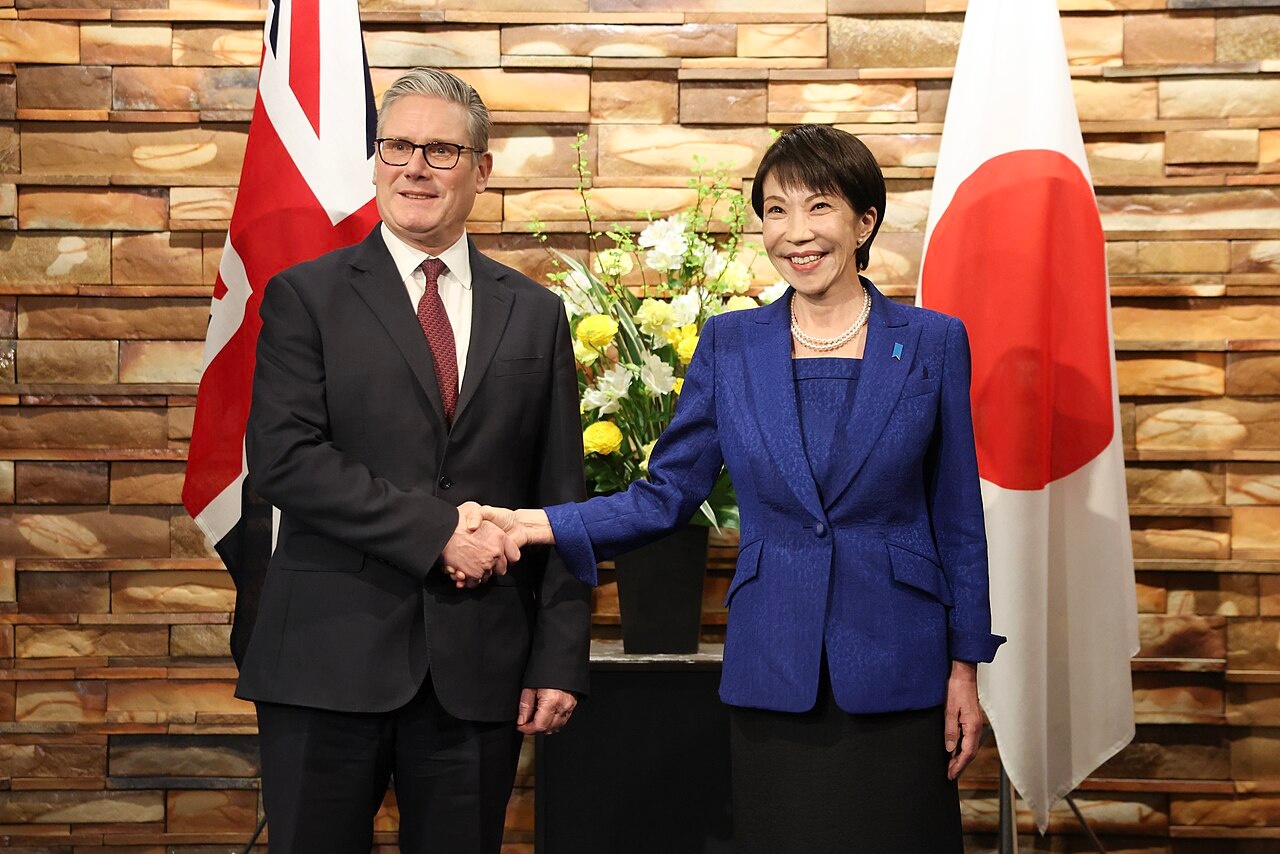
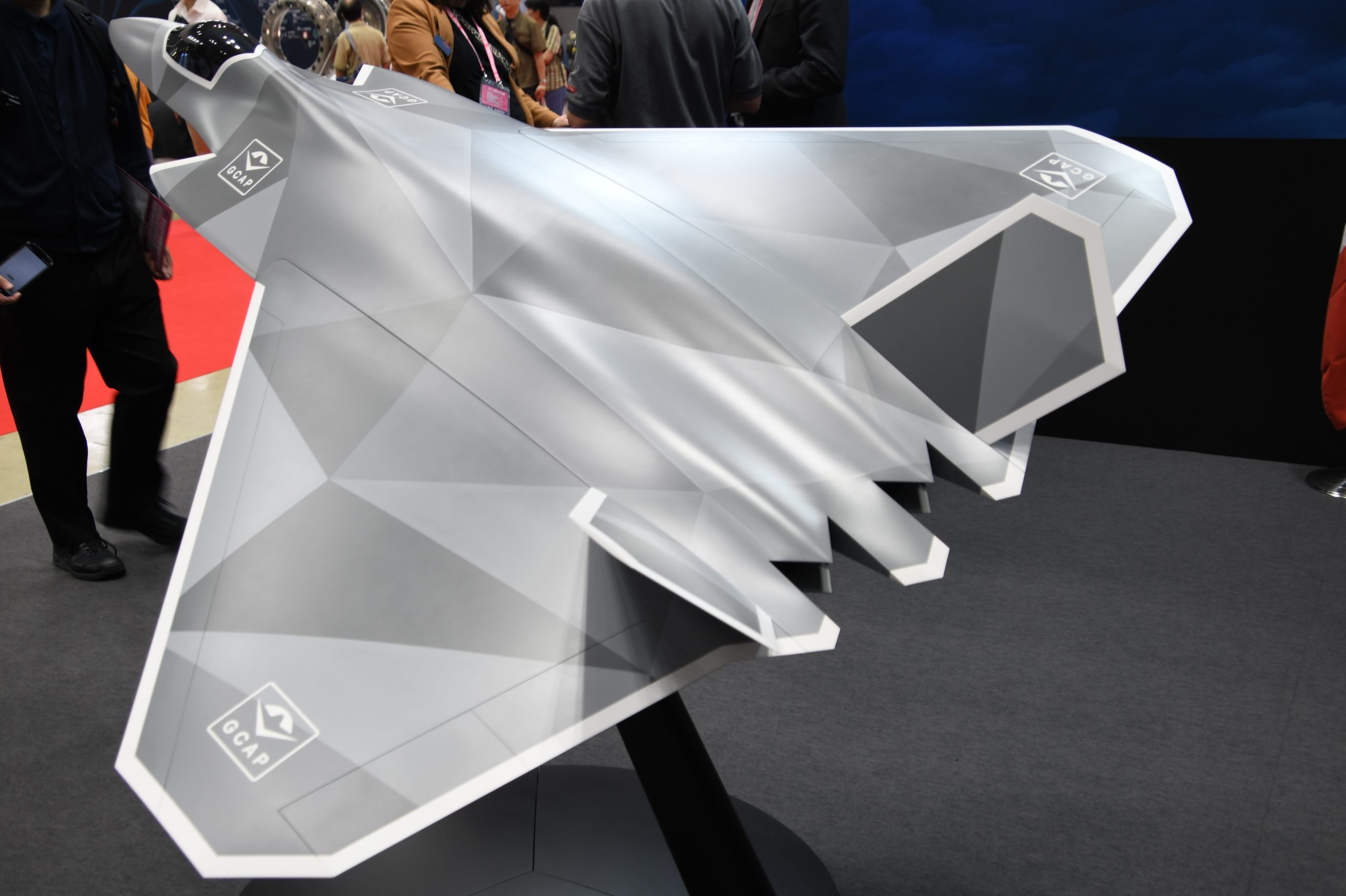
LONDON, June 14 (Parliament Politics Magazine) – Japanese Prime Minister Sanae Takaichi praised the deepening defence relationship with the United Kingdom during a meeting with Prime Minister Keir Starmer on Sunday. The discussion in the British capital addressed the status of the Global Combat Air Programme, a trilateral initiative tasked with developing a next-generation fighter jet by 2035.
The collaboration, which also includes Italy, has reached a level that Takaichi described as a near-alliance. The visit occurred amidst growing scrutiny regarding the project’s financial stability, particularly following the recent resignation of UK Defence Secretary John Healey.
Commitment to Defence Cooperation
Takaichi emphasized the alignment between the two nations during the London talks, noting that the security of their respective regions is deeply connected. The Japanese leader expressed a desire to elevate these ties further, highlighting the UK as a vital partner across security and defence sectors.
“The UK is a very important partner to Japan given the deepening of ties across a wide range of fields, including security and defence,” Takaichi said.
Prime Minister Starmer responded to the concerns by confirming Britain’s dedication to the shared aerial project. He acknowledged the program as a significant initiative for both nations, despite the current logistical challenges. The British government previously indicated that a new international contract for the next phase of the program is expected to be signed later this month.
Navigating Funding Roadblocks
While the diplomatic tone remained positive, the fighter jet project faces documented hurdles. Britain has experienced delays in its financial contributions, originally expected to be unveiled as part of a 10-year defence investment plan in late 2025. These delays reportedly stemmed from internal disagreements between the UK defence ministry and the Treasury.
In contrast, other partners have maintained consistent financial momentum. Italy’s parliament approved a US$10.7 billion funding package for the project earlier this year. Japan has also remained steady in its fiscal support, allocating over ¥500 billion to the program in the five years leading to March, with an additional ¥170 billion earmarked for the current financial year.
Expanding Economic Ties
Beyond the fighter jet initiative, the leaders utilized the meeting to advance broader economic and technology agreements. The discussions included a wide-reaching package involving potential investments in the UK’s offshore wind energy sector, which aims to power millions of homes. This energy cooperation follows recent UK decisions to restrict certain foreign involvement in national infrastructure based on security assessments.
The two governments also intend to establish a new council dedicated to supporting dual-use technologies. This framework will focus on fields such as artificial intelligence, quantum computing, and advanced drones, which serve both civilian and military purposes. Through these combined efforts, London and Tokyo are looking to solidify a long-term research and investment partnership that spans multiple critical industries.